All Blog
Thank you! Your submission has been received!
Oops! Something went wrong while submitting the form.
frengle

The Frengle is a charming and energetic dog breed that has gained popularity in recent years. This delightful breed is a hybrid between a Beagle and a French Bulldog, combining the best qualities of both parent breeds to create a lovable and friendly companion.

This small dog, which is also known as the French Bulldog Beagle, is believed to have first been bred in the United States and now finds itself warming the hearts of numerous dog enthusiasts worldwide.

Read on to learn more about the Frengle and to determine if this adorable pooch is the right pet for you!

Frengle Breed History and Origin

Nottingham and Industrial Revolution

The Frengle, a hybrid dog breed, has its roots in the English city of Nottingham, where the French Bulldog first gained popularity. The Industrial Revolution played a central role in the development of the breed, as workers emigrated from England to France, taking their small companion dogs with them. These dogs would eventually evolve into the French Bulldog we know today, becoming a beloved lapdog and acquiring the nickname "Frenchie."

French Bulldog and Beagle Parent Breeds

The French Bulldog's origins can be traced back to the mid-19th century when a few breeders in the Midlands created a miniature version of the English bulldog to act as a companion animal. On the other hand, the Beagle's history dates back to the 16th century when it was used as a smaller breed of hunting hound in England. The Frengle is a result of interbreeding these two parent breeds, inheriting traits from both the affectionate French Bulldog and the energetic, gentle Beagle.

frengle

Hybrid and Designer Dog Status

The Frengle is considered a hybrid or designer dog because it is a fairly recent crossbreed that originated in the United States. As a new hybrid, the breed combines the best traits of its parent breeds, resulting in a small, gentle, and loving companion that is alert and cheerful. While these dogs are capable of being trained, they can sometimes exhibit a stubborn streak inherited from both the French Bulldog and Beagle. However, with proper training, socialization, and a loving environment, Frengles can make excellent family pets.

The Frengle dog breed has a fascinating history and origin story, combining the legacies of the French Bulldog and Beagle through the course of the Industrial Revolution and the development of designer dog breeds. As a hybrid dog, the Frengle brings together the best of both worlds, providing loving companionship and a unique blend of traits from its parent breeds.

Physical Characteristics and Appearance

View this post on Instagram

A post shared by Shredder The Frengle (@shredderthefrengle)

Size and Weight

The Frengle is generally a small, stocky canine. With a height of 8-15 inches and a weight range of 18-30 pounds, these dogs display a sturdy and solid build while presenting a moderately active lifestyle.

Colors and Coat

Frengles exhibit a variety of coat colors, including brown and cream shades. They can also have solid or mixed variations of black and spotted patterns. Their coat is typically short, making grooming relatively easy as they have lower shedding tendencies compared to long-haired breeds.

Wrinkles

Although not all Frengle dogs may inherit noticeable wrinkles, it is not uncommon for some to exhibit facial wrinkles from their French Bulldog ancestry. These wrinkles may require additional care to keep clean and prevent skin irritation.

Floppy Ears

One of the most adorable features of Frengles is their floppy ears. Beagle genes play a prominent role in determining their ear shape, as they inherit the gentle, drooping ear structure from their Beagle parent. This characteristic adds to the charm and appearance of this hybrid breed.

Other Features

In addition to the size, coat, and facial features, Frengles may possess various attributes from both French Bulldogs and Beagles. For instance, they can have a broad chest, a haunting howl resembling their Beagle parent, and an energetic temperament. As both parents are well-known for their affectionate nature, Frengles make wonderful family companions.

Temperament and Personality Traits

Affection and Sociability

Frengles are known for being friendly, affectionate, and sociable dogs. With a natural love for children and a strong sense of belonging to their human family, these dogs thrive on being part of a close-knit pack. They tend to be quite friendly and open to interactions with strangers, although proper socialization is essential to ensure a well-rounded temperament.

As hybrid dogs, Frengles may inherit the loyalty and gentle nature of their French Bulldog parent, while also possessing the social intelligence of the Beagle breed. These traits make them excellent companions for families and singles alike.

View this post on Instagram

A post shared by Brooklyn (@brooklyn_the_frengle)

Energy and Playfulness

The energy level of Frengles can vary, with some being more energetic and active than others. Generally, though, they are playful dogs that enjoy engaging in various activities with their owners. Their energy and playfulness make them enjoyable companions, and their alertness contributes to their potential as watchdogs.

While they may not be as high-energy as some other breeds, Frengles still need regular exercise and mental stimulation to keep their minds sharp and bodies healthy. Playtime and daily walks are essential components of a well-rounded routine for these dogs.

Stubbornness and Trainability

Despite their friendly and affectionate nature, Frengles can be quite stubborn when it comes to training. This trait can present challenges for inexperienced dog owners.

However, with patience, consistency, and positive reinforcement training methods, Frengles can learn to follow commands and develop good behaviors. The key is to use their intelligence and natural desire to please their owners to overcome their stubbornness.

While their temperament and personality traits make Frengles charming and lovable pets, it's crucial to remember that every dog is an individual. Therefore, each Frengle's personality will be shaped by factors such as genetics, upbringing, and environment, as well as the unique bond they form with their owner.

Health, Lifespan, and Maintenance

Common Health Issues and Hybrid Vigor

Frengles, like any breed, can be prone to certain health issues due to their genetic background. Some common health problems for these dogs include ear infections, hip dysplasia, and allergies. However, they may also benefit from the so-called hybrid vigor, meaning that mixed breeds can be generally healthier and have a longer lifespan than their purebred counterparts. Frengles typically have a lifespan of 12-15 years.

Grooming and Brushing

A Frengle's coat is generally low-maintenance due to its short, smooth hair. They do shed moderately, so regular brushing is essential to remove loose hair and keep the coat looking its best. Using a gentle slicker brush or grooming mitt can help in this process. Baths should only be given as needed, using a gentle dog shampoo to avoid stripping their coat of its natural oils. It's crucial to clean their ears regularly and trim their nails to prevent them from becoming too long or causing discomfort.

Diet

Frengles, like all dogs, need a well-balanced diet tailored to their size, age, and activity levels. High-quality, age-appropriate dry food is a good option for these dogs, as it can provide the nutrients they require. Pay attention to the food's ingredients, ensuring it contains quality protein, healthy fats, and an appropriate carbohydrate source. Avoid artificial additives and fillers. Adult Frengles may consume two meals per day, keeping the portions in line with their weight range of 18-30 pounds.

Exercise and Activity Levels

While not as energetic as some other breeds, Frengles still need regular exercise to maintain their health and prevent obesity. These dogs enjoy short to moderate walks, playtime in the yard, or games of fetch with their owners. Daily walks and play sessions will help in stimulating their bodies and minds, as Frengles are known to be a gentle, alert, and cheerful breed. Additionally, providing mental stimulation through puzzle toys or interactive games can keep them happy and engaged with their environment.

View this post on Instagram

A post shared by Luna the Frengle 🐾 (@luna.the.frengle)

Training and Socialization

When it comes to training a Frengle, it's important to remember that this breed can be quite stubborn, making it a bit of a challenge. However, with proper socialization and positive reinforcement, these intelligent dogs can learn to be well-behaved members of your family.

Socializing with Children, Other Dogs, and Pets

Socialization for a Frengle should begin at a young age. Introduce your puppy to children, other dogs, and pets in a controlled environment to ensure positive experiences. Frengles are known to be friendly and affectionate, but as with any breed, early exposure to a variety of situations will help them develop good behavior around others.

When it comes to other pets, Frengles may inherit their Beagle parent's prey drive, so it's crucial to monitor interactions with smaller animals such as cats or rabbits. Supervision and training are essential to prevent any aggressive behavior.

Positive Reinforcement

To overcome the Frengle's stubborn nature, it is vital to use positive reinforcement techniques during training. These dogs are intelligent and eager to please, so rewarding good behavior with praise, treats, or playtime will motivate them to learn commands more quickly. Consistency and patience are essential when working with a Frengle, as they may take longer to grasp certain commands due to their independent streak.

Tips for Training

  1. Begin training sessions when your Frengle is still a puppy for the best results.
  2. Keep training sessions short and engaging to maintain their attention.
  3. Always use consistent commands and reward good behavior immediately.
  4. Gradually increase the level of difficulty in training as your Frengle masters basic commands.
  5. Enroll in a puppy socialization class to expose your dog to new experiences and give them a chance to interact with other dogs in a controlled environment.

By following these tips and incorporating proper socialization and positive reinforcement, your Frengle should develop into a well-adjusted, intelligent, and obedient companion.

View this post on Instagram

A post shared by Alba (@alba_the_frengle)

Chewing Behavior and Toy Recommendations

Like many dog breeds, Frengles exhibit a natural tendency to chew. This behavior can often be a coping mechanism for stress or a response to under-stimulation. It's crucial to address their chewing habits by providing them with appropriate toys and activities to help them channel their energy productively.

Some toy recommendations for Frengles are:

  • Durable chew toys: Since Frengles have a strong inclination to chew, it's essential to provide them with durable, non-toxic chew toys that can withstand their biting force, like Kong toys or Nylabones.
  • Interactive puzzle toys: To keep their minds engaged, opt for interactive puzzle toys that encourage problem-solving and mental stimulation.
  • Squeaky toys: Frengles enjoy toys that make noise, so consider introducing squeaky toys to keep them entertained.

Living with a Frengle can be a joyful experience for individuals, families, and seniors alike. Their compact size, adaptability, and friendly nature make them suitable for apartment living, while their affectionate temperament endears them to family members. Addressing their chewing behavior with appropriate toys and activities will help ensure a happy and well-adjusted pet.

Frequently Asked Questions

How much do they cost?

Frengles are relatively affordable in comparison to some other designer breeds. The price of a Frengle puppy can range from $200 to $700. Keep in mind that the cost of owning a dog goes beyond the initial purchase; ongoing expenses like food, grooming, and veterinary care should be considered as well.

Where can I find breeders?

As a designer breed, it is crucial to find a reputable breeder when considering adopting a Frengle. Websites like the American Kennel Club (AKC) can help you find responsible breeders in your area. Alternatively, you can search for local dog clubs or online forums dedicated to Frengles to find recommendations from other owners.

View this post on Instagram

A post shared by 𝗛𝗶 𝘁𝗵𝗲𝗿𝗲! 𝗜'𝗺 𝗕𝗮𝗯𝘆 🐶 (@babythefrengle)

Add a Frengle to your Family Today

With a gentle, cheerful demeanor, the Frengle makes an excellent family pet. Its compact size and adorable features make it perfect for homebodies and apartment dwellers alike. The breed has a knack for socializing and getting along with everyone, making it a versatile companion suitable for various lifestyles.

Although the Frengle is known for its loving nature, potential owners should be aware that this dog can have a stubborn streak. Training requires patience and consistency, but with proper guidance, the Frengle can become a well-behaved and endearing member of the family. Their spirited attitude and unique combination of Beagle and French Bulldog characteristics make the Frengle a distinctive and captivating breed.

For more information on other popular breeds, check out our dog breeds page here on All Paws!

A Welsh Corgi dog

If you’re a pet owner, it’s likely that your pet is considered a member of your family. It’s also safe to assume that, over time, you’ve figured out your furry friend’s preferences. Some of which may include their favorite toys, treats, foods, etc.

Putting care into making sure your pet is well fed and well loved can seem like second nature, but did you know that there are certain foods that are better for specific dog breeds than others?

For the corgi owners out there looking to keep their pets happy and healthy, take a look at our list of the best dog food for corgis to make sure you’re doing all you can for your pet.

Our Top Picks for the Best Dog Food for Corgis

Best Overall:
Honest Kitchen Dehydrated Grain Free Chicken Dog Food

Best Value Option:
Blue Buffalo Freedom Natural Chicken

Best for Puppies:
Purina One Plus Natural High-Protein

Best Overall

Honest Kitchen Dehydrated Grain-Free Chicken Dog Food


The Honest Kitchen Dehydrated Grain Free Chicken Dog Food, 7 lb Box

Overall, one of the best dog foods for corgis is the Honest Kitchen Dehydrated Grain Free Chicken Dog Food. This option aligns with veterinarians’ and other professionals’ recommendations for corgis that claim the healthiest diet for this breed is one that is grain-free, placing it at the top of our list.

The Honest Kitchen Grain Free Chicken Dog Food also uses real food ingredients which include free-range chicken, apples, and green beans. Honest Kitchen, as a brand, takes the time to gently dehydrate fruits and vegetables which helps maintain optimum digestion and maximizes nutrient absorption.

This pick on our list of best dog foods for corgis is also easy and convenient to make, even for the busiest pet owners. With the addition of warm water, this dog food is nutritious and delicious enough to serve by itself as a whole meal. It also makes for a great topping on your dog’s favorite dry food.

This dog food is also non-GMO, preservative-free, and contains no fillers, corn, wheat, or soy products. It claims to be “human grade”, meaning it has ingredients that are high enough quality even for humans. It has high safety standards and is also produced in a human food facility.

Pros:

  • High-quality ingredients
  • Different meat options
  • No additives or artificial products, fillers, or preservatives

Cons:

  • Non-resealable packaging
  • Only recommended for adult dogs (not puppies)
  • Poor smell

Check Price

Best Value

Blue Buffalo Freedom Natural Chicken


Blue Buffalo Freedom Grain Free Natural Adult Dry Dog Food, Chicken 24-lb

The best dog food for corgis that will give you a bang for your buck is this Blue Buffalo Freedom Natural Chicken. It's an affordable option that's sure to leave your corgi feeling nourished, energized, and happy.

This Blue Buffalo dog food is grain free, making it a safe choice for your corgi. Blue Buffalo focuses on using natural ingredients and creating a premium blend of antioxidants, vitamins, and minerals. With the help of holistic veternarians and animal nutritionists, Blue Buffalo focuses on providing your corgi with all it needs have a strong immune system while simultaneously catering to your pet’s age-related needs. Their blend of vitamins and minerals also helps your corgi maintain an optimum oxidative balance..

This is a dry dog food for corgis that uses only the finest ingredients mixed with vitamins and minerals to boost your corgi’s health. It contains no artificial flavors or preservatives and has both omega 3 and omega 6 fatty acids which support skin and fur health.

The hand-picked ingredients in this dog food are not only delicious, but they are also sure to keep your corgi full and energized.

Pros:

  • Allergy-friendly
  • Flavorful and well-liked
  • Cost-efficient

Cons:

  • Can be hard to chew for older dogs (because of its dry formula)
  • Higher fat content

Check Price

Best for Puppies

Purina One Plus Natural High-Protein

Purina One Plus Natural High-Protein

Puppies are extremely active and energetic, therefore it’s important to support their muscles and metabolism during the early stages of growth. That’s why the best dog food for corgi puppies has to be Purina One Plus Natural High-Protein. This is a dry formula that uses real chicken to ensure your pup is getting the substantial amount of protein it needs to stay energized and healthy.

Purina One Plus also includes DHA in this great choice of corgi food. DHA is a nutrient found in a mother’s milk and helps support vision, brain development, and strong teeth and bones.

There is a combination of crunchy bites and tender meats which helps attract the puppy’s attention and ensures they’ll eat all their food without getting too distracted. This brand uses high-quality ingredients and is made in the U.S. with no artificial flavors or preservatives.

This dog food for corgis option also contains a blend of four sources of antioxidants. These antioxidants maintain your corgi’s immune system and work with omega 3 and 6 fatty acids to build a strong fur coat and healthy skin.

Pros:

  • High in protein
  • Specifically designed for puppies
  • No fillers

Cons:

  • Not grain-free (contains oats and rice)

Check Price

Best for Older Corgis

Open Farm RawMix Grain Free


Open Farm RawMix Grain-Free Prairie Recipe for Dogs, Includes Kibble, Bone Broth, and Freeze Dried Raw, Inspired by The Wild, Humanely Raised Protein and Non-GMO Fruits and Veggies, 20 lb

Even if you have an older dog, it’s never too late to cater to their health. Check out this Open Farm RawMix Grain Free dog food. There are a few reasons why this brand is on our list of best dog food for corgis. Like other selections on our list, this food is grain free, which is the ideal diet for corgis.

This recipe includes bone broth, kibble, and freeze-dried meat to ensure an adequate protein intake for your mature pup. The chicken and turkey in this recipe are welfare certified (no antibiotics, no hormones, and a vegetarian diet) and the food is packed with plenty of nutrients to keep your dog healthy and well.

If your corgi has a bit of a wild side, this kibble is perfect for them. With a combination of raw meats and protein-packed ingredients, this mix is an ideal choice for your four-legged friend.

The brand, Open Farm, focuses heavily on using high-quality ingredients, which contributes to its ability to be named one of the best dog food for corgis. They partner with farms that have the same mission and strive to provide better-for-you foods consistently while simultaneously giving back to family-owned farms, animals, and the environment.

Many of the five-star reviews highlight this food’s flavor, likability, value, and quality of ingredients. If you’re looking for the best dog food for corgis, especially for those older pups, this Open Farm RawMix Grain-Free food is a great choice.

Pros:

  • Protein-packed
  • Non-GMO

Cons:

  • Relatively expensive

Check Price

Best for Weight Control

Blue Buffalo Life Protection Formula

Blue Buffalo Life Protection Formula

If there’s a little more of your corgi to love than there should be, take a look at our pick for the best dog food for corgis who need some weight control. This Blue Buffalo Life Protection Formula is a dry formula with high-quality proteins and other ingredients to foster your pup’s health.

Along with a high protein content, this mix contains L-Carnitine which is great for building lean muscle and minimizing calories that come from fat. Glucosamine and chondroitin are also beneficial ingredients and contribute to healthy joints.

Although it does contain brown rice, this formula has no corn, wheat, soy, or chicken by-products making it an overall great choice if you’re looking to find the best dog food for corgis.

If those ingredients weren’t impressive enough, the Blue Buffalo Life Protection Formula also includes a blend of nutrients mixed with a special blend of antioxidant rich ingredients to maximize your pup’s health.

Not only will this dog food help with your corgi’s weight control, but it will also promote immune system health, and improve bone and joint strength.

Pros:

  • Contributes to lean-muscle growth
  • Low fat and calorie content

Cons:

  • Contains brown rice (aka not grain-free)

Check Price

Best Organic

Castor & Pollux Organix Chicken and Sweet Potato Recipe

Castor & Pollux Organix Chicken and Sweet Potato Recipe

Castor & Pollux Organix Chicken and Sweet Potato Recipe has everything it needs to earn itself a spot on our list of the best dog food for corgis. Similarly to other options, this dog food is made with free-range chicken, however, what sets this brand apart is its use of organic ingredients and the addition of sweet potatoes.

The combination of these sweet potatoes with flaxseed and blueberries creates an enhanced flavor profile your corgi is sure to adore. This Castor & Pollux mix contains no artificial flavors or colors and uses no preservatives. It’s also made without corn, soy, wheat, chickpeas, or lentils, to help prevent inflammation and improve health.

This corgi food blend uses superfoods and omega-6 fatty acids to promote your pup’s skin and fur health. All ingredients are cooked in an organically certified kitchen in the U.S.A., so you can always know that you’re feeding your four-legged friend a well-sourced and complete meal.

When transitioning your dog to a new diet, make sure to slowly introduce this product by mixing it in with your dog’s current foods. Utilize this mix for about 7-10 days before gradually increasing the amount of Organix and decreasing the amount of your dog’s old food.

The Castor & Pollux Organix Chicken and Sweet Potato Recipe is a dry mix and is a perfect choice of corgi food for adult pets of any size and weight. If you’re into providing your furry friend with top-notch organic ingredients, this brand’s addition to the best dog food for corgis list is a no-brainer and a must-buy.

Pros:

  • Organic
  • Non-GMO
  • Great for sensitive digestion

Cons:

  • Necessary transition period
  • Expensive

Check Price

Best Vegetarian

Natural Balance Vegetarian Formula

Natural Balance Vegetarian Formula

There are a few reasons why people may not want to feed their pets meat, which may make it challenging to find the best dog food for your corgi to make sure it gets all the nutrients it needs. If this is something you struggle with, look no further.

This Natural Balance Vegetarian Formula Dry Dog Food makes sure to contain essential ingredients to give your pup all it needs without the use of meat. It’s a dry-kibble formula that is free of not only meat, but also dairy, soy, gluten, and artificial colors and flavors.

This mix is also allergy friendly and great for dogs with digestive sensitivities. It’s tasty and hearty enough that your dog won’t even notice the lack of meat. If you’ve been looking for the best dog food for your corgi, this vegetarian option is a great choice.

Pros:

  • Vegetarian
  • High-protein content (despite lack of meat)

Cons:

  • Contains preservatives and natural flavors
  • Contains Grains

Check Price

Best Dog Food for Corgis Buyer's Guide

Best Dog Food for Corgis Buyer's Guide

Corgis are small to medium-sized dogs that are highly energetic. They're also prone to certain health issues such as hip dysplasia and other joint-related problems. Choosing foods that contain glucosamine and chondroitin will keep your corgi's joints healthy and strong.

The ideal food you feed your corgi will contain at least 18% protein and have a 5% or more fat content. Obviously, the pieces should be small enough for your dog to eat with no risk of choking and the formula should match up with your dog's age category.

What to Know About Grain-Free

More vets are recommending against grain-free diets for dogs since there appears to be a correlation between a grain-free diet and canine dilated cardiomyopathy (DCM). DCM is a serious heart condition that can lead to congestive heart failure in dogs. Grains in a diet play a role in heart health for dogs the same way they do for humans.

Having said that, there are certain reasons why a dog would need to be on a grain-free diet: food allergies, difficulty digesting certain grain ingredients, or anal gland problems, for example. Talk with your corgi's vet about your dog's specific diet needs to determine if a food that contains grain or a grain-free formula is best.

Keep Your Furry Friend Happy and Healthy

A tri-colored corgi puppy.

Corgis are a unique breed of dog that requires high-quality ingredients and optimum nutrients to allow them to live a happy, healthy, and energetic life. Our dogs are members of our families, so why not feed them like one?

If you’re looking to provide your dog with not only the necessary nutrients but also great flavor, any of these options are great choices when determining the best dog food for corgis and what is right for your pup.

Eager to learn more about corgis and other dog breeds? Check out our Dog Breeds series!

aussiepom|aussiepom|aussiepom

Known for being energetic, friendly, and intelligent, the Aussiepom has captured the hearts of many pet enthusiasts.

They were first developed in the early 2000s and have been growing in popularity steadily over the years. With their adorable looks and impressive range of coat colors, it's easy to see why they've become so well-liked by dog lovers.

If you’re looking to add a new furry friend to your family, keep reading to learn more about the Aussiepom and why one of these pups might be right for you!

Origin and History

The Aussiepom is a hybrid dog breed, a cross between the Australian Shepherd and the Pomeranian.

The Pomeranian is the smallest of the spitz breeds and has its roots in Europe. Its popularity is largely attributed to Queen Victoria, who fell in love with the breed while visiting Florence, Italy, and brought Pomeranians back to Great Britain.

The Australian Shepherd, on the other hand, has a more complex history, despite its name suggesting origins in Australia. It is believed that the breed was refined in the United States, making it more of a North American breed. Australian Shepherds are highly intelligent dogs known for their herding and general work abilities.

Aussiepom dogs may have occurred naturally over time, but it wasn't until the 2000s that breeders in North America intentionally began mixing Australian Shepherds and Pomeranians. The goal of such breeding was to combine the intelligence, versatility, and working ability of the Australian Shepherd with the small size and charm of the Pomeranian.

View this post on Instagram

A post shared by Minnie🇨🇦 (@minnie_aussiepom)

Appearance and Size

With an impressive combination of both parent breeds' traits, this dog has a unique appearance that makes it stand out among other breeds.

In terms of size, Aussiepoms are relatively small, with a height ranging between 10 to 17 inches and weight varying from 8 to 30 pounds. Their manageable size makes them suitable for various living environments, from apartments to spacious homes.

Examining their coat, Aussiepoms exhibit a diverse range of colors and patterns. Some of the most common colors include red merle, blue merle, brown, and black, while their coats can be solid, tri-color, or feature a few spots of color here and there. The coat texture is influenced by the parent breeds, so it might be short to medium-length and require regular grooming due to high shedding levels.

A distinctive feature of the Aussiepom's appearance is its head, which is wedge-shaped and has a relatively short snout. The dog's ears can either stand in erect triangles or flop forwards, depending on the individual. Their oval eyes, evenly spaced, may vary in color from blue, wall, or brown. Many Aussiepoms inherit the 'smiling' mouth trait from their Pomeranian parent, adding a charming touch to their overall look.

Temperament and Behavior

The Aussiepom dog breed displays a confident and friendly temperament, making them perfect companions for various households. Known for their affectionate nature, these dogs quickly form strong bonds with their family members, showing immense loyalty and devotion.

Intelligence is another key characteristic of the Aussiepom breed. They are quick learners and tend to pick up new tricks or commands with relative ease. This, combined with their natural energy and playful nature, makes them a delight to train and engage in stimulating activities.

As social creatures, Aussiepoms enjoy spending time with their human companions and other pets, making them a great addition to a home with multiple pets. They thrive in environments where they receive plenty of love and attention, ensuring their emotional needs are met.

Sensitive to their surroundings, Aussiepoms can become territorial if they feel their home or family is under threat. This can sometimes result in barking to alert their family members of potential danger. However, with proper training and socialization, this behavior can be effectively managed, ensuring they remain well-mannered and adaptable to various situations.

aussiepom

Training and Socialization

The Aussiepom dog breed is highly intelligent and requires proper training and socialization to ensure well-rounded behavior. These dogs are generally easy to train due to their intelligence, but patience and consistency are necessary. Engaging in mental stimulation exercises and utilizing positive reinforcement techniques help in achieving desired results.

Socialization is a crucial aspect of molding the Aussiepom's behavior and temperament. Exposing them to various people, places, sights, and sounds from an early age helps them adapt to different environments and situations. This also prevents the development of anxiety or aggression towards other pets and individuals.

In addition to basic obedience training, the Aussiepom can excel in more specialized roles such as watchdog, search and rescue, and herding. Their high intelligence and innate instincts contribute to their performance in these roles, provided they receive appropriate training and guidance.

It is essential to remember that being an active and energetic breed, the Aussiepom requires regular physical exercise along with mental stimulation. Activities such as agility training, puzzle toys, and fetch can help keep them engaged and content. By dedicating time and effort to training and socialization, an Aussiepom can become a friendly, loyal, and adaptable member of the family.

Exercise and Activity Levels

Aussiepoms require regular exercise to maintain their health and happiness. Daily walks, play sessions, and engaging in various physical activities are essential to meet their energy needs.

Being highly energetic, Aussiepoms thrive in both indoor and outdoor environments. They enjoy exploring the outdoors and participating in games such as fetch, frisbee, and agility training. These activities not only help burn off excess energy but also provide mental stimulation for the intelligent Aussiepom.

While indoors, it is crucial to provide these dogs with toys and interactive puzzles that challenge their minds and keep them engaged. Regular playtime with their owner or other pets in the household also helps in maintaining their mental and physical well-being.

Both indoor and outdoor activities are crucial to satisfy an Aussiepom’s energetic nature and keep them happy and well-adjusted.

Grooming and Maintenance

Caring for an Aussiepom's coat is an essential aspect of maintenance. They possess fluffy coats that require regular grooming to keep them looking their best and promote healthy skin. Shedding can be significant, particularly during season changes, so it's essential to establish a grooming routine early on.

Aussiepoms should be brushed at least two or three times a week using a suitable slicker brush and comb. This process not only removes loose hair and reduces shedding but also helps distribute their natural oils, which keeps their coat in good condition. It also prevents matting and tangling, which can lead to skin irritation and discomfort.

Despite all the shedding, Aussiepoms are relatively easy to groom, thanks to their manageable size and generally cooperative nature. However, to maintain their overall hygiene, be sure to clean their ears regularly to prevent infections and trim their nails every few weeks to avoid painful overgrowth. Additionally, keep their teeth clean and healthy with frequent brushing or dental chews.

It is important to remember that, like all dogs, individual Aussiepoms can have varying levels of grooming needs depending on their specific coats. Some may have denser, more demanding coats, while others may not require as much attention. It is crucial to pay attention to your dog's specific needs and adapt your grooming routine accordingly. This will ensure that your Aussiepom remains healthy and comfortable with a beautiful coat that stays in top condition.

aussiepom

Health Issues and Concerns

The Aussiepom breed tends to be a healthy dog. However, there are some health concerns that potential owners should be aware of. As a mixed breed, the Aussiepom may inherit health issues common to either the Pomeranian or Australian Shepherd breeds.

Deafness is a health concern that can affect Aussiepoms due to their Australian Shepherd lineage. This is often caused by a lack of pigmentation in the inner ear, and it can be diagnosed early in life. Regular check-ups with a veterinarian can help monitor and address any hearing issues that may arise.

Blindness is another health concern that can affect this breed, particularly due to Progressive Retinal Atrophy (PRA), a degenerative eye disease. Early diagnosis and treatment can help to slow down the progression of PRA. Regular eye exams and proper care can help to protect the dog's vision.

Allergies can also be an issue for some Aussiepoms. These may manifest as skin irritation or gastrointestinal problems. A veterinarian can help identify the allergen and prescribe the appropriate treatment for the specific allergy.

The Aussiepom may also be at risk for certain eye-related issues such as cataracts. Regular eye exams can help identify early signs of cataracts and ensure prompt treatment.

Hip and elbow dysplasia are joint disorders that can affect both Australian Shepherds and Pomeranians. These conditions can lead to pain and mobility issues. To minimize the risk of joint dysplasia, it is important to provide proper nutrition, exercise, and weight management throughout the dog's life.

Kneecap dislocation can also be a concern for Aussiepoms. This condition, known as patellar luxation, can cause the kneecap to slip out of place and create mobility issues. Maintaining a healthy weight and avoiding excessive exercise can help prevent patellar luxation. In severe cases, surgery may be required.

Dental and gum issues can also affect Aussiepoms. Regular dental check-ups and proper dental hygiene, such as brushing and using dental chews, can help prevent issues like gum disease and tooth decay.

Regular veterinary check-ups and a focus on preventive care can go a long way in keeping the dog in good health.

Adopting an Aussiepom

When considering adoption, it's important to research and learn about the breed's characteristics and requirements.

Despite their designer breed status, it is possible to find Aussiepoms in shelters and rescues. Opting to adopt from these sources provides an opportunity to give a loving home to a dog in need. It is essential to be diligent during the adoption process, asking questions about the dog's history, health, and temperament in order to provide the best possible home environment.

Adopting an Aussiepom can be a rewarding and fulfilling experience for families and individuals looking for an energetic and intelligent canine companion. By taking the time to research the breed and understand its requirements, along with considering adoption from shelters and rescues, potential owners can ensure they're providing the best possible home for these loving dogs.

Frequently Asked Questions

How big do Aussiepoms get when fully grown?

The size of an Aussiepom can vary depending on the dominant parent traits. While they are generally smaller than their Australian Shepherd parent, they can still reach medium size. The average weight of an Aussiepom is between 10 to 30 pounds, with a height of 10 to 15 inches tall at the shoulder.

What is the average lifespan of an Aussiepom?

The Aussiepom has a relatively good lifespan for a mixed-breed dog. On average, they can live between 12 to 15 years. Proper care, a balanced diet, and regular check-ups with a veterinarian can help ensure that your Aussiepom stays healthy throughout its life.

How much does an Aussiepom typically cost?

The cost of an Aussiepom can vary greatly depending on factors such as the breeder, the location, and the demand for this particular mixed breed. Generally, you can expect to pay anywhere from $500 to $1,500 or even more for an Aussiepom puppy. Keep in mind that adopting from a rescue organization is often a less expensive option and gives a deserving dog a forever home.

View this post on Instagram

A post shared by Mila🐶 (@aussiepom_mila)

Wrapping Up

Aussiepoms are friendly, loyal, and have active personalities. They are affectionate and fun-loving dogs that enjoy being around their human family members. While their energy levels can sometimes be high, they are also intelligent and respond well to training. This makes them adaptable to various types of families and living situations as long as they receive adequate exercise and mental stimulation.

So if you’re looking for a new pup to add to your family, the Aussiepom might be the right choice for you! Be sure to do your own research and check your local shelters!

If you’re interested in other hybrids, check out our dog breeds page for more information!

corman shepherd

The Corman Shepherd is a designer breed created by crossing two iconic pedigrees: the German Shepherd and the Pembroke Welsh Corgi.

Known for their unique appearance, Corman Shepherds display physical characteristics reminiscent of both parent breeds, resulting in a shorter, smaller, and longer version of the German Shepherd. These medium to large-sized dogs are recognized for their loyalty, courage, and intelligence, which they inherit from their parent breeds.

If you’re looking to add a new pet to your family, consider the Corman Shepherd! Keep reading to learn more about this unique breed!

Physical Characteristics

Size and Weight

Corman Shepherds are medium-sized dogs, standing 12-15 inches (30 to 38 cm) in height and weighing between 20-70lbs (9-23 kg). These dogs have a sturdy build, a result of combining the traits of two strong and athletic parent breeds, the German Shepherd and the Corgi.

Ears and Coat

Corman Shepherds possess erect ears, enhancing their alert and attentive image. Their eyes are typically dark, adding to their intelligent and confident demeanor. The Corman Shepherd's coat is dense and can come in a variety of colors, such as gold, white, brown, and black. Their coats are often a blend of two or more colors, making it rare to find a solid-colored Corman Shepherd.

Temperament and Personality

Intelligence and Trainability

Corman Shepherds are highly intelligent dogs that have strong trainability. They are known for their loyalty and ability to quickly acquire various skills or commands. The learning process is usually smooth when given appropriate attention and care by their handlers. These smart and affectionate canines possess a strong herding instinct, making them alert watchdogs and adding value to their roles as family pets.

Energy and Activity Level

These energetic and playful dogs require a moderate to high level of physical activity to maintain good health. Given their herding background, engaging them in various exercises and tasks will keep them occupied and prevent boredom, which may lead to destructive behavior. Regular walks, outdoor play sessions, and interactive toys can effectively channel their energy, ensuring their mental and physical health stays intact. It's crucial to provide them with a well-balanced lifestyle to keep them happy and content.

Socialization and Interaction with Others

Corman Shepherds are generally sweet, gentle, and tolerant in nature, making them ideal family dogs. When socialized and trained properly, these canines get along well with children, other pets, and new people. However, it is essential to provide early socialization, exposing them to various situations and environments to help them develop into well-rounded, confident dogs.

View this post on Instagram

A post shared by Lilo The Corman Shepherd (@lilo_the_corman_shepherd)

Training and Exercise Needs

Training and Boundaries

This breed requires consistent and structured training to ensure they develop proper boundaries and obedience. As Corman Shepherds have a herding background, they may display a level of stubbornness during training. However, their intelligence makes them highly trainable with positive reinforcement techniques and patience. Providing mental stimulation alongside obedience training is essential to keep them engaged and challenged.

Exercise Requirements

Being an energetic dog, the Corman Shepherd needs regular exercise to maintain their physical health and to avoid undesirable behaviors due to excess energy. Daily walks are necessary for this breed, and it is advisable to provide them with additional activities, such as playing at a dog park or participating in agility courses. Running and moderate-intensity play sessions can also help satisfy their exercise needs.

It is important to remember that Corman Shepherds are not suited for sedentary owners, as they need an active lifestyle to thrive. Ensuring their exercise and training requirements are met will lead to a well-rounded and happy Corman Shepherd.

Health and Wellness

Common Health Issues

Corman Shepherds are generally a relatively healthy breed, but they may be prone to certain health issues that can affect their overall well-being. Some of the common health problems they may encounter include:

  • Joint dysplasia: This condition affects the hip and elbow joints and can lead to pain, arthritis, and in severe cases, lameness.
  • Obesity: Corman Shepherds love their food, which can lead to weight gain, causing strain on their joints and spine, leading to back problems.
  • Allergies: Like many dog breeds, Corman Shepherds may develop allergies that require attention and treatment.
  • Bloat: A potentially life-threatening condition where the stomach fills with gas and twists on itself, cutting off blood supply.
  • Cataracts: A common issue for many dogs, cataracts can cause vision problems and may require surgery.

It's essential to get regular check-ups with a veterinarian to monitor and address these health concerns promptly.

View this post on Instagram

A post shared by Leila - Corman Shepherd rescue in Thailand (@leila_the_cormanshepherd)

Grooming and Maintenance

Shedding and Brushing

Due to the presence of the German Shepherd genes, Corman Shepherds tend to shed moderately. Their shedding can become more substantial during the shedding season, usually twice a year.

To reduce shedding and maintain a clean and healthy coat, it is essential to brush a Corman Shepherd's fur regularly. Brushing should be done at least two to three times a week using a suitable de-shedding tool or a slicker brush. This will help remove any dead hairs and prevent matting. Regular brushing promotes good hair growth, distributes natural oils, and keeps their coat looking smooth and shiny.

Bathing and Other Grooming Needs

Corman Shepherds require occasional baths to keep their skin and fur clean. It is recommended to bathe them every one to two months, depending on their level of dirtiness and odor. When bathing, use a mild, dog-specific shampoo that will not irritate their skin. Be sure to rinse thoroughly with warm water to remove all soap residues. After the bath, dry them off vigorously with a towel and use a hairdryer, if necessary, to dry their coat completely.

In addition to brushing and bathing, other grooming needs of Corman Shepherds include:

  • Nail trimming: Trim their nails every three to four weeks to prevent overgrowth and discomfort.
  • Ear cleaning: Check and clean their ears weekly using a gentle dog ear cleaner and cotton balls to remove any dirt or buildup. This can help prevent ear infections in your Corman Shepherd.
  • Teeth cleaning: Brush their teeth two to three times a week with a dog-specific toothpaste and toothbrush to prevent tartar buildup and maintain good oral hygiene.

By following these grooming and maintenance tips, you can help keep your Corman Shepherd looking and feeling their absolute best.

Adopting or Purchasing a Corman Shepherd Puppy

Finding a Reputable Breeder

When looking for a Corman Shepherd puppy, it is important to find a reputable breeder who is dedicated to the health and well-being of their dogs. Due to the popularity of designer dog breeds, there may be an increase in unethical breeders. To find a trustworthy breeder, make sure they provide proper health screenings and early socialization for the puppies. In addition, ask for references from previous buyers and visit the breeder's facilities to ensure they are clean and well-maintained.

A good breeder will also emphasize the energy levels and temperament of the Corman Shepherd. As a mix of German Shepherd and Corgi, the Corman Shepherd is an energetic and active dog that may not be well-suited for apartment living. Discussing these factors with the breeder will help you determine if a Corman Shepherd is the right fit for your lifestyle.

Considering a Rescue or Shelter

Adopting a Corman Shepherd from a rescue or shelter is an alternative option for those who are open to providing a loving home for a dog in need. Many shelters and rescues have designer breeds, including Corman Shepherds, looking for forever homes. Adopting from a shelter provides numerous benefits, such as lower adoption fees, spayed/neutered and vaccinated dogs, and the ability to adopt a dog with a known temperament and energy level.

When visiting a shelter, keep in mind that proper training and socialization may still be necessary for an adopted Corman Shepherd, especially if they come from a difficult background. Be prepared to dedicate time and effort to training your new pet to ensure they become a well-rounded member of your family.

Whether you choose to adopt or purchase a Corman Shepherd puppy, carefully consider the requirements and responsibilities associated with this energetic designer breed. Remember to find a reputable breeder or visit your local rescue or shelter to ensure you bring home a healthy, happy, and well-adjusted Corman Shepherd.

Frequently Asked Questions

What is the typical size of a Corman Shepherd?

Corman Shepherds are a mix between a German Shepherd and a Corgi. They generally have a height of 12-15 inches (30 to 38 cm) and a weight that can range depending on the individual dog's genetics and lifestyle factors. Their size can make them suitable for apartment living or smaller homes as long as they receive adequate exercise.

How much does a Corgi German Shepherd mix cost?

The cost of a Corgi German Shepherd mix, or Corman Shepherd, can vary depending on factors such as location, availability, and the reputation of the breeder. Expect to pay anywhere from $500 to $1,200 for a Corman Shepherd puppy. Keep in mind that adopting from a rescue or shelter can be a more cost-effective and ethical option.

Where can I adopt a Corman Shepherd dog?

To adopt a Corman Shepherd dog, start by checking local animal shelters and rescue organizations. Many mixed-breed dogs, including Corman Shepherds, can be found in need of loving homes. You can also search online for dedicated breed-specific rescue groups or adoption websites, as they may have Corman Shepherds available for adoption.

What is the temperament of a Corman Shepherd?

Corman Shepherds are known for their intelligence, activity, and affectionate nature. They can also be stubborn and protective of their owners. This makes them excellent watchdogs but may require experienced dog owners or those willing to invest time in training and socializing their Corman Shepherd from a young age.

How do I care for a Corman Shepherd?

Caring for a Corman Shepherd involves providing regular exercise, mental stimulation, and socialization. Ensure they have a balanced diet and maintain a healthy weight. Regular grooming is essential, as they may have a double coat from their German Shepherd parent. Be prepared to manage shedding, which may be more frequent during seasonal changes. Lastly, ensure they receive proper veterinary care to address any health concerns or preventative measures.

View this post on Instagram

A post shared by Riker 🐕 (@riker_the_corman_shepherd)

Adopt Your Own Corman Shepherd Today

Corman Shepherds are known for their friendly, sweet dispositions. This designer breed inherits some of the best qualities from both its parent breeds, making it a unique and interesting companion. Corman Shepherds are known to be loyal, courageous, and sometimes stubborn. They make great watchdogs and are often protective of their owners. This mixed breed also has the potential to become good therapy or service dogs due to their intelligence and work ethic.

If you’re looking for a loyal and lovable furry companion, then the Corman Shepherd might be the dog for you!

Be sure to check out our Dog Breeds page for more information on other interesting and unique designer and hybrid breeds!

springador

The Springador, a delightful mixed breed, is a cross between an English Springer Spaniel and a Labrador Retriever. This breed has been around for generations, especially within the canine hunting community, and has recently gained recognition due to its friendly, loyal, and energetic nature.

As a high-energy breed, the Springador requires not only plenty of physical exercise but also mental stimulation to satisfy its intelligent, active personality.

If you’re super active in your day-to-day and are looking for a pup to match your speed, the Springador might be the right dog for you! Keep reading to learn more!

Origins and History

Springer Spaniels have a long history that can be traced back to the 16th century in England. They were primarily bred as hunting dogs, with the specific purpose of flushing out small game birds and furry mammals from the underbrush to be hunted with hounds, hawks, or guns. These energetic and determined dogs excel in their jobs, and their skills have been highly valued for centuries.

Labrador Retrievers, on the other hand, originated from Newfoundland, Canada, and were initially bred as waterfowl retrievers. They have a keen sense of smell and are highly adaptable, making them excellent working dogs in various fields such as search and rescue, therapy, and even bomb detection. Labrador Retrievers were almost wiped out by their home country's tax policies, but the breed found rescue and recovery in Great Britain.

As a mixed breed dog, Springadors do not have a well-documented history, but their popularity in recent years is indicative of the desirable traits they inherit from their parent breeds. Both English and American lines of Springer Spaniels and Labrador Retrievers can contribute to the makeup of a Springador, offering a diverse range of characteristics within the breed. The unique combination of the Springer Spaniel's hunting prowess and the Labrador's exceptional trainability and loyalty make the Springador a highly sought-after hybrid canine companion.

Physical Characteristics

Size and Weight

The Springador is a medium to large-sized dog, with a height ranging from 18 to 24 inches. Their weight can vary depending on the specific genetics inherited from their Springer Spaniel and Labrador Retriever parents but generally falls between 50 and 90 pounds. The size of a Springador will be influenced by factors such as age, gender, diet, and exercise.

Coat and Colors

Springadors possess a dense, short to medium-length coat that is typically quite easy to maintain. Their coats are water-resistant, providing protection against harsh weather conditions. Their fur can be straight or slightly wavy, depending on the parentage.

The color variations in the Springador breed are both diverse and attractive. Common colors include:

  • Black
  • Brown
  • Chocolate
  • White (with possible white markings)
  • Gold
  • Yellow

It is important to note that coat colors and patterns may vary and can be influenced by the genetic makeup of the individual dog.

Ears and Tail

Springadors typically have long, floppy ears that hang down, similar to those of Springer Spaniels. These ears require regular cleaning to prevent infection or irritation.

As for their tails, Springadors have medium to long, thick tails that are often fringed with fur. These tails are known to be expressive and can give indications of the dog's emotions or intentions.

springador

Personality and Temperament

The Springador is known for its friendly and happy nature. These dogs are known to have a playful temperament, often bringing a joyful presence to their homes. They are loving and loyal companions, always eager to please their owners.

Intelligence is another key feature of the Springador breed. These dogs are capable of quickly learning new tricks and commands, making them ideal for first-time dog owners. Their high energy levels make them perfect for people with active lifestyles who enjoy spending time outdoors with their pets.

Springadors thrive on social interaction, and their friendliness extends not only to their human family but also to other animals. They are typically gentle and tolerant with both children and other pets, making them a great addition to a multi-pet household.

It is crucial to keep in mind that the Springador's high-energy nature requires adequate exercise and stimulation to curb any potential destructive tendencies. Regular physical activity and mental stimulation, such as games and puzzles, will help maintain their overall well-being and ensure that their positive personality traits continue to shine.

Trainability and Socialization

As a hybrid breed that combines the intelligence and working abilities of the Springer Spaniel and the Labrador Retriever, these dogs are quite smart and eager to learn. Training a Springador can be a delight, as they are keen to please their owners and readily respond to positive reinforcement.

Springadors are generally considered easy to train, especially when compared to some other breeds. Their natural propensity for being working dogs contributes to their willingness to stay on task and absorb new commands. They are particularly suited for obedience training, agility exercises, and various canine sports, which often require a high degree of control and focus.

Socialization is just as important as training, as it contributes to the development of a well-rounded and well-behaved dog. It is essential to expose your Springador to various environments, people, and other animals from an early age. They tend to pick up social cues quickly, thanks to their adaptable and friendly personalities.

Exercise Requirements

Springadors are an energetic breed, so it is essential to provide them with an appropriate amount of daily exercise to keep them healthy and happy. These dogs thrive in active environments and require both physical and mental stimulation to maintain their well-being.

A Springador will typically need between 30 minutes to 2 hours of exercise a day, depending on their age, size, and overall energy level. This can include activities such as running, playing games, and engaging in structured outdoor activities like swimming, hiking, or agility training. It is crucial for owners to keep their Springador's energy level in mind when planning exercise routines to ensure they do not become overweight or develop related health issues.

An adequately sized yard is an advantage for Springadors, as it provides them with the space they need to run around freely and safely. However, yard space alone is not enough for a Springador. They still require structured exercise outside of the yard to maintain their energy levels and fulfill their mental needs. Owners should aim to take their Springador on daily walks, runs, or hikes.

Springadors love spending time outdoors due to their high-energy nature and curiosity. Moreover, activities such as swimming can be a fantastic way to keep these dogs entertained while giving them a low-impact workout. It is vital for Springador owners to have them regularly participate in outdoor activities to satisfy their innate energy and curiosity.

springador

Grooming and Care

It is advisable to brush the Springador's coat at least once a week. This consistent brushing routine helps prevent matting issues and keeps shedding under control. This breed may experience seasonal shedding, and during this time, brushing may be needed more frequently to reduce the amount of loose hair in the environment.

To maintain the dog's overall hygiene, occasional trimming of the nails and checking and cleaning the ears is necessary. Proper dental care, which includes regular brushing of the dog's teeth, is also essential to maintain good oral hygiene and prevent dental issues.

Diet and Nutrition

Springadors, being a mix of two high-energy breeds, require a diet that can sufficiently fuel their playful and energetic nature. A diet rich in protein, particularly from animal sources, is essential for supporting muscle development and overall health. Carbohydrates should also be included but in moderation, focusing on complex carbs like vegetables and whole grains to provide sustained energy.

Feeding requirements will vary depending on a Springador's age, weight, and activity level. It is generally recommended to provide 2-3 meals per day, adjusting portion sizes and frequency accordingly:

  • Puppies (2-6 months): 3-4 meals per day
  • Adolescents (6-12 months): 2-3 meals per day
  • Adults (1-8 years): 2 meals per day
  • Seniors (8+ years): Smaller portions with modified nutrient ratios to accommodate any age-related dietary needs

Commercial dog food, whether kibble or canned, can be a convenient choice for Springador owners, provided it meets their nutritional needs. However, a raw or home-cooked diet can also be considered for those who prefer a more natural approach to their dog's diet. In any case, it is crucial to consult with a veterinarian to determine the most suitable meal plan for individual dogs.

Health Issues and Lifespan

One common health issue among the Springador breed is hip dysplasia, a genetic disorder affecting the hip joint. This condition occurs when the thigh bone does not fit snugly into the hip socket, leading to pain, inflammation, and arthritis over time. Regular check-ups and maintaining a balanced weight can help in the early detection and management of hip dysplasia.

Some other conditions that may affect the Springador include ear infections, elbow dysplasia, and Progressive Retinal Atrophy (PRA), an eye disorder causing gradual vision loss.

Regular veterinarian check-ups, a balanced diet, and sufficient exercise are crucial factors that need close attention to make the best out of the Springador's 10-14 years lifespan.

springador

Working and Therapy Roles

Springadors possess high levels of intelligence and energy, making them natural working dogs. They often excel in hunting and outdoor settings, where their English Springer Spaniel lineage equips them with a strong prey drive and a desire to track and retrieve. Labrador Retrievers are known for their strong work ethic and friendly disposition, traits that are also commonly found in Springadors.

In addition to their hunting abilities, Springadors have found success as therapy dogs. Their loyal and loving nature, as well as their intelligence, contribute to their suitability for this role. Their gentle demeanor and desire to please their handlers make them excellent companions for individuals in need of emotional support, rehabilitation, or other therapeutic situations.

Training and socialization are crucial for Springadors, especially if they are to be working or therapy dogs. Consistent training from an early age allows them to learn the skills and behaviors necessary for their roles while also providing the mental stimulation these active dogs crave.

In summary, the Springador is a versatile breed that thrives in both working and therapy roles. Their intelligence, energy, and loving nature make them an excellent choice for those seeking a dog capable of providing assistance and companionship.

Adoption and Breeding

The Springador is a popular designer dog breed, resulting from a mix between the Labrador Retriever and Springer Spaniel. These dogs are known for their friendly, active, and intelligent nature, making them an excellent addition to many households. Commonly referred to as Labradingers, they inherit the best qualities from both their parent breeds.

When considering adopting a Springador, keep in mind that they are a mixed breed, and therefore, their physical and personality traits may vary. It is essential to find a reputable breeder who is knowledgeable about the parent breeds and can provide information about the puppies' lineage. Ensuring the breeder prioritizes the health and well-being of their dogs can help potential adopters find a puppy that will grow into a happy, healthy family member.

For those interested in adopting a Springador, many shelters and rescue organizations may have this breed available for adoption. Adopting is an excellent way to provide a loving home for a dog in need while also gaining a loyal companion. Before adopting a Springador, it is essential to consider the dog's background, health, and temperament to ensure it will be a suitable fit for your family and lifestyle.

Whether you choose to adopt or purchase a Springador puppy from a reputable breeder, ensure that you are well informed about their needs and characteristics. A Springador can provide a lifetime of loyalty and companionship.

Frequently Asked Questions

Are Springadors good family pets?

Yes, Springadors make excellent family pets. They are loyal, friendly, and sociable dogs with a playful nature. Springadors can be great with children and other pets, but it's important to socialize and train them from an early age to ensure they develop good behavior around all family members and visitors.

How much do Springador puppies cost?

The cost of Springador puppies can vary depending on factors such as the breeder, location, and availability. Prices can range from $500 to $1,000 or more. It's essential to research reputable breeders and be wary of puppy mills or backyard breeders who may not prioritize the health and well-being of the puppies.

Where can I adopt or buy a Springador?

To adopt a Springador, check local animal shelters and rescue organizations for available Springadors in need of a loving home. To buy one, research and contact reputable breeders in your area that specialize in Springer Spaniel and Labrador Retriever mixes. Always prioritize responsible breeders who follow ethical breeding practices and prioritize the health and well-being of the puppies.

springador

Time to Welcome a Sprindador into Your Family

While not recognized by official kennel clubs such as the American Kennel Club, UK Kennel Club, or Canadian Kennel Club, the Springador has made an impressive mark in the world of popular dog breeds.

As a highly regarded breed, the Springador makes an excellent companion for active families who enjoy participating in various outdoor activities and appreciate a dedicated, adaptable furry friend.

Made up your mind? Great! It’s time to welcome a Springador into your family!

For information on other designer or hybrid pups, check out our Dog Breeds page here on All Paws!

puginese

The Puginese, a delightful and affectionate small breed dog, has captured the hearts of many with its unique combination of Pug and Pekingese traits.

This charming hybrid, also known as Peke-A-Pug, Pekeapug, Pug-A-Peke, and Pugapek, is well-loved for its distinct features, including a squashed face, large round eyes, flat hanging ears, and a curly tail. These little dogs make a big impression wherever they go!

Keep reading to learn more about this adorable breed and whether or not this is the right choice for your next pet!

History and Origin

In ancient China, both the Pekingese and Pug were highly regarded by royalty. Pekingese dogs, in particular, were considered sacred and were often found living in imperial palaces. They were favored companions due to their beauty and loyalty. Pugs, on the other hand, were known for their distinct physical appearance and friendly nature.

The Puginese breed's history can be traced back to when these two purebred dogs interbred, possibly as a result of their popularity in Chinese culture. Over time, the Puginese gained recognition as a distinct breed, taking on the notable wrinkled face of the Pug and the long, flowing coat of the Pekingese.

The Puginese breed eventually made its way to Britain during the 19th century. Queen Victoria had an affinity for Pugs, and her influence likely contributed to the popularity of the Puginese in the country. The breed rose in fame as a companion dog for British royalty, and its favorable traits made it a sought-after pet for the upper class.

Appearance

Size and Weight

The Puginese is a small dog with a sturdy build. Their weight typically ranges between 10-16 lbs depending on their individual size and genetics.

Height

Growing to an average height of around 8-14 inches, these small dogs have a compact and muscular body, making them an ideal choice for those seeking a smaller companion.

Coat and Colors

The Puginese inherits its coat from both the Pekingese and the Pug. The coat is generally short to medium length, with a dense and tight texture. They come in a variety of colors, such as fawn, black, white, brindle, or combinations of these. Many Puginese dogs also have a black mask around their muzzle, giving them a distinctive appearance.

Ears

The ears of the Puginese are flat and hang down, adding to their endearing appearance. These ears can be influenced by either the Pekingese or the Pug parent but are generally smaller in size compared to their overall head size.

Tail

The Puginese has a curly tail, which it inherits from its Pug ancestry. This tail is often held high, adding a playful and energetic look to this small dog breed.

Hair

Puginese hair can vary from short to long based on their individual genetics. Longer-haired Puginese may require more frequent grooming to keep the hair clean and tangle-free, while those with shorter hair will need less grooming. Regardless, the hair of the Puginese is straight and smooth, adding to their overall charm and appeal.

Personality and Temperament

Character

The Puginese is known for its social, sweet, playful, loving, stubborn, cheerful, friendly, and loyal character. It is affectionate, sensitive, and independent, inheriting some of the best traits from both parent breeds.

Energy Level

Having a moderate energy level, the Puginese enjoys being active but also appreciates downtime. Regular walks and playtime are important to keep them healthy and engaged. However, they adapt well to their owner's lifestyle and living spaces, whether in a house or apartment.

Sensitivity Level

Puginese dogs have a higher sensitivity level, making them more tuned in to their owner's emotions and needs. This trait contributes to their affectionate and loving nature. Be mindful of their sensitivity when training and use positive reinforcement to achieve the best results.

Playfulness

These dogs are quite playful, enjoying interactive games, toys, and activities with their family. Playtime is an essential part of their daily routine that helps strengthen the bond with their owner and provides mental stimulation.

Engaging activities for Puginese include:

  • Fetch games
  • Tug-of-war
  • Puzzle toys
  • Hide and seek with treats

Affection Level

The Puginese is known for its affectionate nature, often referred to as "lovey-dovey." These dogs form strong bonds with their family and thrive on attention and close contact. Their loving demeanor makes them excellent companions for singles, seniors, and families with children.

Alertness

While not primarily bred as watchdogs, Puginese dogs are naturally alert and attentive to their surroundings. Their awareness of their environment enables them to be vigilant without being overly aggressive. Keep in mind their smaller size isn't ideal for a typical watchdog role, but they can still be reliable, alert family pets.

View this post on Instagram

A post shared by Presley the Puginese🐾 (@presley.the.puginese)

Grooming and Care

Coat Care & Brushing

The Puginese has a unique coat that requires special attention. It's important to groom its coat regularly to keep it healthy and free of tangles. Weekly brushing is advisable to prevent matting and maintain the coat's beautiful appearance. The Puginese's dense fur benefits from the use of a detangling and de-matting spray-on conditioner when necessary.

A regular brushing routine keeps the Puginese's coat in good condition. It is recommended to brush the coat for at least one hour each week. Using a slicker brush or comb specifically designed for long-haired dogs will ensure proper grooming. Consistent brushing prevents tangles and knots, which can lead to discomfort and skin issues for the dog.

Bathing

Bathing should be done as needed for the Puginese. Overbathing can strip the coat of essential oils, causing it to become dry and brittle. On the other hand, underbathing can result in a dirty coat that may develop an unpleasant odor. It is important to use a gentle dog shampoo and conditioner to preserve the coat's natural oils and maintain its overall health.

Training and Exercise

Obedience Training

Training a Puginese dog requires patience and consistency. As a mixture of Pug and Pekingese breeds, they may display sensitivity and stubbornness, making obedience training a bit more challenging. Start obedience training early in their life to achieve better results. Use positive reinforcement techniques and keep training sessions short and enjoyable. Reward them with treats, praise, and petting when they follow commands correctly.

Socialization

Socialization is an essential aspect of raising a well-rounded Puginese dog. Early socialization helps them become confident and adaptable to different situations. Expose them to various people, animals, and environments from an early age to develop their social skills. Puppy socialization classes can also be beneficial, ensuring positive interactions with other dogs and people.

Exercise Needs

Although Puginese dogs do not require a significant amount of exercise, it's essential to keep them moderately active for their overall well-being. A daily walk or two, paired with indoor playtime or interactive games, should suffice for their exercise needs. Adjust the intensity and duration of exercise according to their age and fitness level.

Keep in mind that Puginese dogs may have breathing difficulties due to their brachycephalic (flat-faced) nature, so be sure to monitor their exercise levels and provide ample opportunity for rest in between activities. Additionally, avoid exercising them in extremely hot weather to prevent overheating.

Living Conditions and Compatibility

Apartment Living

The Puginese, being a small dog breed, is well-suited for apartment living. Their small size and low-energy nature make them excellent companions in smaller spaces. They can adapt well to various living situations as long as they receive enough attention and mental stimulation. Regular walks and playtime are essential for keeping them happy and healthy.

Compatibility with Children and Other Pets

Puginese dogs are generally good with children, especially older kids who can properly interact with them. Due to their small size, they might not be the best choice for families with very young kids who might accidentally harm them. Nonetheless, with proper supervision and guidance, they can be a loving family dog.

When it comes to other pets, the Puginese can get along well with them if introduced and socialized properly from an early age. They are generally friendly and can coexist peacefully with other animals in the household. However, individual temperament and history can influence their compatibility, so it's essential to monitor and manage their interactions with other pets.

Weather Tolerance

As a small breed dog with a squashed face and short coat, the Puginese has some limitations when it comes to weather tolerance. In hot weather, they can be prone to overheating due to their brachycephalic features. It is vital to provide them with ample shade, water, and cool resting spots during hot summer months. Avoid taking them for walks during the hottest parts of the day, and be watchful for signs of heat exhaustion.

In cold weather, their short coat offers limited insulation, so they might need some additional protection, like a dog sweater, when going outdoors. Just like in hot weather, it's essential to monitor them closely and provide a warm and comfortable indoor environment during colder months.

View this post on Instagram

A post shared by Mochi The Puginese (@puginesemochi)

Diet and Nutrition

Food Requirements

The Puginese, being a small breed, do not have high food requirements. This breed typically consumes around 1 cup of food per day. It is essential to provide a diet that meets their nutritional needs through natural, whole-food ingredients. Avoid low-quality brands that use poor ingredients or any allergenic or artificial ingredients.

Due to this breed's potential for food allergies, it is recommended to consult with your veterinarian when deciding on an appropriate diet. Grain-free diets are preferred as they can help reduce digestive issues. Remember that even grain-free kibble often contains high levels of starchy carbs, such as rice, potato, legumes, and lentils, which can add unnecessary stress to the dog's digestive system and lead to insulin, glucagon, and cortisol spikes throughout the day.

Treats

Treats can be an essential part of the Puginese's diet, primarily when they're used for reward-based training or to express affection. However, it's vital to choose treats wisely. Opt for natural, high-quality treats without artificial ingredients or added sugars. You can also offer fruits and vegetables as a healthy treat option, but make sure to avoid any toxic foods for dogs, like grapes or onions.

Supplements

Although a balanced diet should provide most of the essential nutrients a Puginese needs, in some cases, supplements may be recommended to address specific health concerns. For example, if your dog suffers from a joint issue, your veterinarian might recommend glucosamine and chondroitin supplements. Omega-3 fatty acids, such as fish oil, can also be beneficial to maintain a healthy coat and skin.

When considering supplements, always consult your veterinarian to ensure the proper dosage and to avoid any potential adverse reactions with existing medications or health conditions.

Health and Potential Issues

Brachycephalic Syndrome

The Puginese may inherit brachycephalic traits from both parent breeds. This means they have short, flat faces that can cause breathing problems. Some common issues related to brachycephalic syndrome include small nostrils, elongated soft palate, and tracheal collapse. To help prevent breathing difficulties, it's essential to keep your Puginese at a healthy weight and provide regular veterinary check-ups.

Hip Dysplasia

Hip dysplasia is a genetic condition that can affect the Puginese breed, where the hip joint doesn't develop properly, leading to arthritis and pain. It is crucial to maintain a consistent exercise routine and monitor your dog's weight to help reduce the risk of hip dysplasia. Regular vet visits and early detection of this disorder can lead to better management and treatment plans for your Puginese.

Intervertebral Disc Disease

Intervertebral Disc Disease (IVDD) is another potential health issue for the Puginese breed. This condition occurs when the discs between the vertebrae in the spine bulge or rupture, causing pain or even paralysis in severe cases. Some symptoms to watch for include reluctance to jump, neck or back pain, and difficulty walking. If you suspect your Puginese is showing signs of IVDD, it is essential to consult your veterinarian to discuss appropriate treatment options.

Finding a Puginese

Breeders

To find a reputable Puginese breeder, it is essential to conduct thorough research. Look for breeders who prioritize the health and well-being of their dogs, provide proper medical care, and maintain suitable living conditions. It is always a good idea to visit the breeder's facility in person and ask questions about the parent dogs, health screenings, and a potential waiting list.

Keep in mind that responsible breeders will:

  • Offer a health guarantee for their puppies
  • Test parent dogs for common genetic issues
  • Provide socialization opportunities for their puppies

Rescue and Adoption

For those interested in rescuing or adopting a Puginese, numerous organizations specialize in rehoming mixed-breed dogs. Start by searching online for local rescues that focus on small breed dogs or specifically on Pug and Pekingese mixes. It is also helpful to visit your local animal shelter or rescue groups, as they often have small breed dogs available for adoption.

When adopting, consider the following:

  • Be prepared to provide a history of the dog's health and temperament
  • Expect to complete an application process and potentially a home check
  • Be patient, as it may take time for the perfect Puginese to arrive in the rescue system

Finding a Puginese, whether through a breeder or adoption, requires patience and research. Keep in mind the importance of choosing a reputable breeder or rescue organization to ensure a healthy and happy Puginese companion.

View this post on Instagram

A post shared by Winston (@winston.the.puginese)

Frequently Asked Questions

What is the temperament of a Puginese?

The Puginese is known for its affectionate, sensitive, and independent personality. They make great family pets and companions, as they enjoy showing their love to their owners daily. These dogs do not require a lot of physical activity, which makes them suitable for families with a more relaxed lifestyle.

Are Puginese dogs hypoallergenic?

No, Puginese dogs are not hypoallergenic. Like their parent breeds, the Puginese may shed moderately. If you have allergies, it's important to spend time with a Puginese before committing to owning one to ensure it doesn't trigger any reactions.

How much grooming is needed for a Puginese?

Puginese dogs require regular grooming to maintain their coat and keep them healthy. Brushing their fur several times a week is recommended to prevent tangles and matting. Additionally, it's essential to clean their eyes and facial wrinkles regularly, as both parent breeds are prone to developing infections in these areas.

What is the lifespan of a Puginese dog?

The average lifespan of a Puginese dog ranges from 12 to 15 years, which is relatively long for a small breed dog. To help your Puginese live a long, healthy life, make sure they receive regular veterinary care, a balanced diet, and exercise.

View this post on Instagram

A post shared by PRINCESS DOLLY (@dolly_puginese)

Adopt a Puginese Today

The Puginese is known for its affectionate and sensitive nature. Its low exercise requirements and independent disposition make this mixed breed a perfect fit for families, seniors, and those living in urban environments.

While they may have a humorous appearance, their temperament, and adaptability make them well-suited to various living conditions and lifestyles. The Puginese's intriguing history and multifaceted personality guarantee that there's more to these small dogs than meets the eye!

If you're a fan of the Pekingese, you might also want to check out the adorable Peekapoo! For more information about other potential pets for your family, check out our Dog Breeds hub here on All Paws!

random dog playing

The Westiepoo is a charming and intelligent hybrid dog breed that has gained popularity due to its endearing looks and friendly nature. Originating from a mix between a Poodle and a West Highland White Terrier, this small-sized dog is known for its cleverness, affection, and active lifestyle. Adaptable to various living situations, Westiepoos make excellent companions for families with older children, seniors, and singles alike.

Inheriting the best qualities from both parent breeds, Westiepoos are curious, sociable animals that enjoy spending time with their human families. Their high level of intelligence makes training relatively easy for this breed, which is ideal for both experienced and novice dog owners. Combining their adorable looks with their gentle and loving nature, Westiepoos have become a popular choice for dog lovers looking for a companion that is adaptable and easy to care for.

Key Takeaways

  • Westiepoos are a hybrid breed created from a mix of West Highland White Terrier and Poodle breeds, known for their intelligence and friendly nature.
  • These adaptable dogs are suitable for families with older children, seniors, and singles, making them great companions for various living situations.
  • High intelligence levels make Westiepoos easier to train and ideal for both novice and experienced dog owners.

Westiepoo Breed Origin

The Westiepoo is a hybrid dog breed that originated in America, combining the traits of the West Highland White Terrier and the Poodle. As a crossbreed, the Westiepoo is not currently recognized by the American Kennel Club, but it has gained popularity as a loving and intelligent designer dog.

Derived from the West Highland White Terrier, a breed known for its hunting skills and loyal nature, the Westiepoo shares those qualities. The Westie, as it is affectionately called, hails from Scotland and was originally bred for hunting vermin like rats and mice. Meanwhile, the Poodle is known for its agility and intelligence, having a history as a water retriever in France and Germany.

Both parent breeds have a history in hunting activities, which is why the Westiepoo possesses a strong instinct. They are curious by nature and eager to please their owners. The Poodle's cleverness and the Westie's affectionate temperament are both apparent in the Westiepoo, making it a delightful designer dog to own.

The Westiepoo is a small to medium-sized dog, with a height of 13-17 inches and a weight of 25-35 pounds. Their coat can vary in color and is typically low shedding due to the Poodle's influence. This hybrid breed is well-suited for families with older kids, active singles, and seniors. They can adapt to various living environments, including apartments and homes with or without yards.

Appearance and Size

The Westiepoo is a unique and charming mixed breed dog, a combination of the West Highland White Terrier and the Poodle. This breed showcases a confident and friendly demeanor, along with a compact and well-proportioned body.

In terms of color, Westiepoos can exhibit a variety of shades, ranging from pure white to red and black. Their coat tends to be soft and wavy, taking after the Poodle's curly fur or the West Highland White Terrier's coarse coat. Regular grooming is necessary to maintain the overall appearance and health of their fur.

With regard to size, Westiepoos are considered small to medium-sized dogs. Their height typically falls between 11 and 17 inches, while their weight ranges from 20 to 30 pounds, depending on their individual genetic makeup. This compact size enables them to adapt well to various living situations, including apartments and houses with or without yards.

Westiepoos possess distinctive ears that can either stand upright or fold over slightly, adding to their delightful and inquisitive appearance. Additionally, their lively and expressive eyes exhibit their intelligence and playful nature.

When it comes to height and weight, male and female Westiepoos are relatively similar, with females generally being slightly smaller in comparison. Both genders tend to have a life expectancy of around 12 to 15 years, making them a long-lasting and affectionate companion for those who welcome them into their homes.

Temperament and Behavior

Energy Level and Exercise Needs

Westiepoos are an active and energetic breed, known for their playfulness and love for physical activities. These small dogs require regular exercise to keep them healthy and content. A daily walk or play session in a fenced yard can help satisfy their energy needs.

Socializing and Compatibility with Other Pets

The Westiepoo is an intelligent and social dog, which makes them adaptable to various environments. They tend to get along well with other dogs and pets, especially if socialized early in their life. Proper socialization helps prevent any territorial or aggressive tendencies. Due to their friendly nature, Westiepoos make excellent companions for families with other pets.

Friendliness towards Strangers

These dogs are known for their friendly and affectionate demeanor, making them delightful pets for families and individuals alike. Westiepoos are generally open to meeting new people and are quick to greet strangers with a wagging tail. However, they may exhibit some terrier instincts and be alert to unfamiliar visitors. Early socialization can help curb any excessive barking or wariness around strangers, ensuring a well-rounded and sociable pet.

Training and Obedience

The Westiepoo, a mixed breed dog that is a cross between the West Highland White Terrier and the Poodle, is known for being clever, active, and affectionate. These qualities make them an ideal candidate for training and obedience work, provided you approach it with patience and consistency.

Training your Westiepoo should begin early, ideally when they are still a puppy. One effective method is to hold two training sessions each day, each lasting for 5 to 10 minutes. In each session, focus on teaching your puppy one command. As your Westiepoo's understanding grows, you can gradually increase the duration of the training sessions and vary the commands.

While Westiepoos are smart and generally eager to learn, they can sometimes be stubborn. If you encounter resistance during training, it's important to remain patient and consistent. Reward-based training methods using treats or praise can be especially effective for motivating your Westiepoo and ensuring they see the training process as enjoyable.

One of the most crucial aspects to manage in your Westiepoo's training is their inherent prey drive. This breed is known for chasing after small animals like squirrels, and may be inclined to run off if they are off-leash. To curb this behavior, work on training your Westiepoo to have a reliable recall command and gradually expose them to various distractions to help them learn to stay focused on you.

When training your Westiepoo, keep in mind the following tips:

  • Crate training: Starting crate training early can help your Westiepoo feel safe and secure in their own space, while also teaching them boundaries and preventing destructive behaviors.
  • Socialization: Expose your Westiepoo to new people, environments, and other animals from an early age to ensure they grow up to be well-rounded and friendly.
  • Consistency: Make sure all members of the household are on the same page regarding training methods, commands, and expectations to avoid confusion for your Westiepoo.

Health Issues and Lifespan

Common Health Problems

Westiepoos are a relatively healthy breed with a lifespan of 12-15 years. However, they may face some health issues, such as:

  • Epilepsy: A neurological condition that causes seizures in dogs.
  • Progressive Retinal Atrophy (PRA): A genetic condition affecting the retina, leading to blindness.
  • Ear infections: Westiepoos can be prone to ear infections due to their folded ears.

It's essential to maintain regular vet checkups and keep an eye out for any signs of these conditions.

Grooming and Dental Care

The coat of a Westiepoo can vary from curly to wavy and is typically low-shedding, making them somewhat hypoallergenic. To keep their coat clean and free of mats, regular grooming is necessary. Follow these grooming tips:

  • Brush the coat 2-3 times a week to prevent matting and remove loose hair.
  • Bathe them every 6-8 weeks or as needed, using a mild dog shampoo.
  • Trim the hair around their eyes, ears, and paws to avoid irritation and ensure cleanliness.

As for dental care, Westiepoos can be prone to dental issues due to their small mouths. To maintain their oral health, implement the following dental care routine:

  • Brush their teeth at least 2-3 times a week with a soft-bristle toothbrush and dog-safe toothpaste.
  • Provide dental chews and toys to help clean their teeth and prevent plaque buildup.
  • Schedule regular dental checkups and cleanings with your vet to keep their teeth and gums healthy.

Apartment Living and Adaptability

Space Requirements

Westiepoos are a small designer dog breed, typically weighing between 20 and 35 pounds, with a height ranging from 11 to 17 inches. Their size makes them suitable for apartment living, as they don't require a large space to thrive. These dogs have a high energy level, which means they benefit from regular walks and interactive playtime. However, they can also adapt to smaller indoor spaces and are content with a few toys for mental stimulation. To ensure your Westiepoo stays happy and healthy, consider the following:

  • Regular walks and playtime (ideally twice a day)
  • Indoor toys to keep them mentally stimulated
  • Crate training for when they're home alone

While Westiepoos can coexist with children, they're generally better suited for families with older kids who can respect their boundaries. Younger children can sometimes unintentionally be rough with a small dog, which may cause distress.

Watchdog Abilities

Westiepoos inherit watchdog abilities from their West Highland White Terrier and Poodle ancestors. They tend to be alert and aware of their surroundings, which makes them excellent watchdogs. However, these dogs typically bond closely with their family and are known for being affectionate and loving.

As for their adaptability with other pets, Westiepoos can generally live harmoniously with cats and other small animals if they're introduced to them early on. Proper socialization is crucial for achieving a peaceful relationship among pets. Keep in mind that, like any dog, supervision and gradual introduction are necessary to ensure they adapt well to their new furry friends.

Feeding and Nutrition

Feeding your Westiepoo a balanced and nutritious diet is essential for their overall health and well-being. The best choice of dog food for your Westiepoo is a raw food diet. It provides numerous benefits, including preventing common health issues such as obesity, joint problems, dental and digestive issues, and allergies1.

Remember to consider your Westiepoo's daily energy level when planning their meals. Since they are an active breed, ensure that their diet consists of high-quality proteins and fats to support their energy needs2. Begin with the following daily portion size guidelines and calibrate according to your dog's specific requirements:

  • Puppies: 3-4 meals per day, high-quality puppy food
  • Adults: 2 meals per day, a balanced mix of proteins, fats, and carbohydrates
  • Seniors: 1-2 meals per day, adjusted according to their activity level and health conditions

It is important to monitor your Westiepoo's weight and adjust their food intake accordingly. Overfeeding can lead to obesity, so portion control is essential. If you notice any changes in your dog's weight, skin, or coat, consult your veterinarian for personalized dietary advice.

Please note that Westiepoos may have different shedding levels, depending on the percentage of Poodle vs. West Highland White Terrier in their genetic makeup3. Adjust their diet accordingly if they suffer from allergies or related skin issues.

Purchasing and Price

When considering purchasing a Westiepoo puppy, it is essential to research and find reputable dog breeders to ensure the health and well-being of your future pet. Prices for Westiepoo puppies may vary based on factors like pedigree, breeder reputation, location, and availability.

On average, Westiepoo puppies' prices range from $350 to $1,200. It is essential to remember that this initial cost is only a portion of owning a dog. Additional expenses, such as grooming, food, vaccinations, and regular vet check-ups, should also be accounted for when planning for a new pet.

Some websites where you can find Westiepoo puppies for sale include:

  • NextDayPets.com
  • Greenfield Puppies
  • Infinity Pups
  • Lancaster Puppies
  • DogsNow (specifically for Florida residents)

Before making a purchase, inquire about the breeder's background and experience with Westiepoos. It is also a good idea to ask for health records, references, and a health guarantee for your puppy. This will provide an added layer of security, ensuring your Westiepoo comes from a healthy and responsible breeding environment.

Frequently Asked Questions

How big will a Westiepoo get?

A Westiepoo typically grows to around 11 to 17 inches in height and weighs between 20 to 40 pounds. Their size can be influenced by which Poodle type (toy or miniature) is used in the breeding, as well as the size of their West Highland White Terrier parent.

What is the temperament of a Westiepoo dog?

Westiepoos are known for their intelligent, friendly, and playful nature. They are energetic, active dogs that enjoy socializing with both humans and other animals. These dogs also have a curious side, often cocking their heads to listen intently to their owner. It is essential to provide them with proper socialization and training to ensure a well-behaved and happy canine companion.

Is a Westiepoo dog hypoallergenic?

While no dog breed is completely hypoallergenic, Westiepoos are considered to be a good option for people with allergies. This is because they inherit low-shedding and low-dander traits from their Poodle parent. However, individual dogs may vary, and it's important to spend time with a Westiepoo before confirming if it's a suitable option for people with allergies.

What are the health problems with Westiepoos?

Westiepoos are generally healthy dogs, but they can be prone to certain health problems inherited from their parent breeds. Some common concerns include hip dysplasia, allergies, skin problems, and eye disorders. Regular check-ups with a veterinarian and following a healthy diet and exercise routine can help mitigate these risks and ensure your Westiepoo has a long and happy life.

How big does a Westiepoo grow?

As mentioned earlier, a Westiepoo typically reaches a height of around 11 to 17 inches and a weight between 20 to 40 pounds. This size makes them suitable for different living arrangements, but it's essential to provide ample space and exercise, as they are an active and energetic breed.

Are Westiepoo puppies easy to find near me?

The availability of Westiepoo puppies can vary depending on your location. It is advisable to look for reputable breeders or rescue organizations in your area to ensure you are getting a healthy, well-socialized puppy. Do some research, ask for recommendations, and be prepared to wait for the right puppy to come along, as finding a Westiepoo might not be as simple as locating more common breeds.

If you love poodle dog, make sure to also check out the Lhasapoo Dog for another variation of a Poodle mix.

Footnotes

  1. Westiepoo Feeding Guide | Dog Feeding Guide | ProDog Raw
  2. Westiepoo Dog Breed Information and Pictures - PetGuide
  3. Westiepoo Guide: Quick Facts & Info - Doodle Dog Club
Belgian Laekenois

The Belgian Laekenois is a unique and intelligent dog breed that originated in Belgium and is one of the four varieties of Belgian Shepherds. Known for its distinct wiry coat and natural herding instincts, this breed has been historically employed to gather, guard, and protect livestock. Today, the Laekenois is cherished by dog enthusiasts worldwide for its intelligence, trainability, and affectionate nature.

As one of the oldest types of Belgian Shepherds, the Laekenois has had a long history of working alongside humans, contributing significantly to the pastoral culture in Belgium. The breed is distinguishable by its tousled, wiry fawn-colored fur with white accents, setting it apart from its Belgian Shepherd counterparts - the Malinois, Tervuren, and Groenendael. In addition to their herding prowess, the Belgian Laekenois is known for its low drooling tendency, making it an ideal companion for those who prefer a tidier pet.

Key Takeaways

  • The Belgian Laekenois is a versatile and intelligent herding dog, originating from Belgium.
  • This breed is distinguished by its wiry fawn-colored coat with white accents and is one of the four Belgian Shepherd varieties.
  • Laekenois dogs are known for their strong working instincts, trainability, and low drooling tendencies.

History and Origin

The Belgian Laekenois is an intelligent and affectionate herding dog that originated from Belgium. It is named after the town of Laeken, where the breed first emerged. Historically, the Belgian Laekenois was used as a working dog to help herd livestock, such as sheep and cattle.

In the 1800s, the Belgian Laekenois descended from the Old World Laekenois Wolfdog, which was brought to Belgium by the Dutch. Originally, these dogs were utilized to hunt rabbits and other small game, but over time, they gained popularity as pets due to their friendly and gentle temperament.

The Belgian Laekenois is one of four Belgian herding breeds; the others include the Belgian Sheepdog, Belgian Malinois, and Belgian Tervuren. Interestingly, these breeds are considered a single breed in their home country of Belgium, known as the Chien de Berger Belge.

During the World Wars, the Belgian Laekenois played a significant role in various tasks, such as carrying messages, pulling ambulance carts, and even detecting mines. Their courage and versatility during these turbulent times further solidified their value as both working dogs and companions.

Today, the Belgian Laekenois remains a relatively rare breed, but is appreciated by dog enthusiasts for its alertness, intelligence, and affectionate nature. As a member of the herding group, the breed excels in various dog sports and continues to serve as an invaluable asset in livestock management and personal protection.

Appearance and Coat

The Belgian Laekenois is a medium-sized dog, displaying a unique and striking appearance. Males typically stand between 24 to 26 inches tall, while females are slightly shorter, ranging from 22 to 24 inches in height. Both males and females generally have a weight that falls within 55 to 65 pounds, making them well-proportioned and athletic.

This breed is particularly known for its distinctive coat, which is medium in length and features a double layer. The outer layer consists of wiry, curly hair, providing a rugged and woolly appearance. This coat is designed to protect the Belgian Laekenois from harsh weather conditions, making it an excellent working dog.

In terms of color, the Belgian Laekenois' coat can vary from shades of red, fawn, or gray. Traces of black may also be present, particularly around the muzzle or tail, adding depth to their overall appearance. The texture of their coat is coarse, contributing to their rough-and-tumble allure.

The ears of the Belgian Laekenois are worth noting as well. They are typically erect and triangular in shape, contributing to the breed's alert and intelligent expression. These features, combined with their strong stature and unique coat, create a memorable and eye-catching appearance that sets the Belgian Laekenois apart from other breeds.

Temperament and Personality

The Belgian Laekenois is known for its alert and sensitive temperament, always watchful and attentive to its surroundings. These intelligent dogs are quick to react and adapt to changes in their environment, making them excellent companions for active and engaged owners.

When it comes to being affectionate, the Belgian Laekenois is known to be loving towards its family members. They form strong bonds with their human companions and are fiercely protective of their loved ones. This breed's loyalty and devotion to its family make it a reliable and trustworthy companion. However, they tend to be reserved around strangers, which is why proper socialization is crucial for a well-rounded and confident dog.

In terms of their activity level, Belgian Laekenois dogs are quite active and energetic. They require regular exercise and mental stimulation to keep them content and healthy. This breed thrives when given a job or tasks to perform, highlighting their intelligence and work ethic.

Despite their protective instincts, Belgian Laekenois dogs can be friendly when properly socialized and introduced to new people and situations. However, they may not be suitable for households with small children, as their exuberant energy levels and natural wariness around strangers can be overwhelming for younger kids.

Belgian Shepherd Varieties

The Belgian Shepherd is a versatile and highly intelligent breed of herding dog that comes in four distinct varieties, each characterized by their unique coat types and colors. These varieties include the Belgian Laekenois, Belgian Malinois, Tervuren, and Groenendael, also known as the Belgian Sheepdog.

Belgian Laekenois is believed to be the oldest of the Belgian Shepherd varieties. This breed was initially bred to guard linen fields in Antwerp. Laekenois dogs have a rough, wiry coat that can vary from fawn to red, and they require more than once-a-week grooming. These dogs are strong, intelligent, protective, and thrive on positive training methods and reinforcement.

Belgian Malinois is a popular breed known for their police and military work. They have a short, sleek coat that comes in colors ranging from fawn to mahogany. Malinois are agile, athletic, and have a strong prey drive. Like all Belgian Shepherds, they require consistent mental and physical stimulation to stay happy and well-adjusted.

Tervuren is another variety of Belgian Shepherd that is easily recognizable by its long, abundant, and elegant coat. Tervuren dogs come in various shades of red, fawn, or gray, with black overlay and a black mask. They are loyal, intelligent, and highly trainable, making them suitable for numerous roles, including search and rescue, therapy work, and dog sports.

Groenendael, or Belgian Sheepdog, is known for its sleek, all-black coat and its striking appearance. Groenendaels are eager learners, highly trainable, and share similar traits as the other Belgian Shepherd varieties. They excel in various tasks such as herding, obedience, agility, and protection work.

All four Belgian Shepherd varieties are medium-sized dogs and, depending on the registry, could be considered either separate breeds or varieties of the same breed differing only in coat color and texture. They are recognized for their incredible work ethic, intelligence, and trainability. Although each variety has specific grooming and physical appearance traits, they generally share similar temperaments and require consistent exercise, mental stimulation, and positive training methods. The typical lifespan of Belgian Shepherds is around 12-14 years.

Exercise and Energy Level

The Belgian Laekenois is an athletic and intelligent breed, originating from the herding group. This means they require a good amount of physical activity and mental stimulation to stay content and healthy. Their energy level is quite high compared to some other breeds, making them suitable for active families and individuals who enjoy spending time outdoors.

To fulfill their daily exercise needs, allocate around an hour to an hour and a half of focused activities, which can include walking, jogging, hiking, or playing fetch. Keep in mind that the Belgian Laekenois thrives in motion and loves to be kept busy. These activities not only provide physical exercise but also strengthen the bond between you and your dog.

In addition to outdoor activities, the Belgian Laekenois benefits from consistent mental stimulation to keep their intelligent minds engaged. Interactive toys, puzzle games, or training sessions are great ways to challenge their minds while also addressing their high energy levels.

As with any dog, it's important to tailor your Belgian Laekenois' exercise regimen according to their age, health, and individual capabilities. Remember to always keep an eye on your dog's behavior and temperament, making adjustments as needed to ensure their energy level is effectively managed.

Consistent and structured exercise routines play a crucial role in the overall wellbeing of a Belgian Laekenois. By meeting their activity level needs, you'll be able to foster a happy, healthy, and well-behaved companion.

Training and Socialization

The Belgian Laekenois is a medium-sized herding dog known for its intelligence and agility. They make excellent working dogs and can be quick learners with the right training approach.

Training your Belgian Laekenois should begin with early socialization, exposing them to various environments and situations to ensure well-rounded behavior. A well-socialized Laekenois is more likely to be comfortable and confident in different settings, thus reducing the chance of fear or aggression.

Obedience training is crucial in establishing a strong bond with your Laekenois. This breed thrives when given a task or activity to participate in with its owner. Consistency and positive reinforcement are key techniques when training this intelligent breed. Using rewards such as praise, treats, or playtime can motivate them and make the training process enjoyable for both dog and owner.

Given their herding background, Belgian Laekenois possess a strong instinct to work and perform tasks. They excel in activities like herding, obedience trials, and agility competitions. Engaging your Laekenois in these activities can not only provide mental stimulation but also further strengthen the bond between the dog and owner.

When training your Belgian Laekenois, it's important to maintain a confident and knowledgeable demeanor. This breed often responds well to clear and consistent commands from a trusted leader. It's essential to establish yourself as the leader early in the training process to ensure your Laekenois respects your authority.

Care and Grooming

The Belgian Laekenois is a medium-sized herding breed with a wiry, curly coat that comes in shades of red, fawn, or grey. Regular grooming is essential to maintain a healthy coat and prevent matting and tangling. It's recommended to brush their coat at least once or twice a week using a slicker brush or a metal comb.

Shedding in the Belgian Laekenois is moderate, so frequent brushing will also help to minimize loose hair around your home. Pay special attention to areas that are more prone to matting, such as behind the ears and under the legs.

Dental care is important for the Belgian Laekenois, as it is for any dog breed. Regular teeth brushing with a dog-specific toothpaste and toothbrush can prevent plaque build-up and keep their breath fresh. It's best to establish a routine and gradually introduce teeth brushing to your dog, starting at a young age if possible, to make it a positive experience.

Nail trimming is another essential aspect of care and grooming for the Belgian Laekenois. Their nails should be trimmed once every month, or as needed, to prevent overgrowth and avoid discomfort while walking. You can either trim your dog's nails at home using a dog nail clipper or visit a professional groomer for assistance.

Ensure you provide your Belgian Laekenois with regular exercise, as they are an athletic and energetic breed. This will help prevent behavioral issues and keep them physically and mentally stimulated. Adequate exercise can also contribute to maintaining a healthy weight and overall well-being.

Health Concerns

Belgian Laekenois dogs are prone to several health problems. As a responsible pet owner, it's crucial to be aware of these concerns and take preventive measures to ensure your dog's well-being.

One of the major health issues that Belgian Laekenois dogs face is hip dysplasia, a genetic disorder that affects the development of the hip joint. It can result in arthritis, pain, and limited mobility. To minimize the risk of hip dysplasia, choose a reputable breeder who conducts health tests on their breeding stock and provides early socialization and exercise appropriate for the breed's needs.

Eye problems are also common among Belgian Laekenois dogs. Regular checkups at the veterinarian can help detect issues such as progressive retinal atrophy (PRA), cataracts, and entropion. Early detection and treatment can prevent or minimize vision loss and discomfort for your dog.

Belgian Laekenois dogs can also be prone to joint issues such as elbow dysplasia and patellar luxation. Like hip dysplasia, early screening, a balanced diet, and regular exercise can help mitigate the risks and impacts of these conditions.

Regarding the [heart], Belgian Laekenois dogs may be susceptible to certain heart issues, including aortic stenosis and mitral valve disease. Regular veterinary checkups, as well as monitoring your dog for symptoms such as coughing, fatigue, or trouble breathing, can help identify any potential heart problems.

In summary, potential health concerns for Belgian Laekenois dogs include:

  • Hip dysplasia
  • Eye problems (e.g., PRA, cataracts, entropion)
  • Joint issues (e.g., elbow dysplasia, patellar luxation)
  • Heart conditions (e.g., aortic stenosis, mitral valve disease)

Taking preventive measures such as regular veterinary checkups, screening tests, and providing a healthy lifestyle can help ensure your dog's happiness and well-being.

Activities and Dog Sports

The Belgian Laekenois is a versatile and intelligent herding breed that excels in various activities and dog sports. Their athletic body, high energy levels, and natural instincts make them suitable partners for numerous activities.

Agility is one of the sports in which the Belgian Laekenois performs exceptionally well. Their agility, speed, and eagerness to please their handler makes them ideal contenders in this fast-paced, obstacle-based sport. Consistent participation in agility can also help keep the dog mentally and physically stimulated.

Apart from agility, the Belgian Laekenois can also partake in rally, which is an obedience sport that involves navigating a course with numerous signs indicating different commands. Their innate intelligence and need for mental stimulation makes rally an excellent way for owners to bond with their Laekenois while providing them with a rewarding challenge.

Search and rescue is another area where the Belgian Laekenois can showcase its capabilities. Their exceptional sense of smell, combined with their agile body and intelligence, makes them suitable for this essential and life-saving work. Laekenois dogs working in search and rescue are often trained to locate missing people in various terrains.

Thanks to their sensitive nature, Belgian Laekenois dogs are also great at providing therapy services. They can offer emotional support and comfort to people in hospitals, nursing homes, or other care facilities. Proper socialization and consistent training are necessary to ensure the Laekenois becomes a well-behaved therapy dog.

As a herding breed, the Laekenois' natural instincts and abilities can be effectively utilized in herding trials and farm work. Their excellent problem-solving skills and work-driven personality make them efficient in managing livestock. This herding background further highlights their versatility and adaptability as a breed.

Breed Recognition and Popularity

The Belgian Laekenois is a medium-sized herding breed originating from Belgium, known for its distinctive wiry and curly coat. It is closely related to the three other Belgian herding breeds: the Groenendael, Malinois, and Tervuren. The breed was named after the town of Laeken, where it originated, and is considered the rarest among the four Belgian herding breeds.

The American Kennel Club (AKC) officially recognized the Belgian Laekenois as a breed in 2020. Before its recognition, the breed spent 3,289 days in the Miscellaneous group, which is the longest time for a breed in this category. The Miscellaneous class serves as a transitional stage for breeds that are working towards full AKC recognition.

As a part of the Herding group, the Belgian Laekenois competes in AKC events alongside other herding breeds. According to the AKC breed popularity ranking in 2021, the Belgian Laekenois ranked 195 out of 200 breeds. This ranking indicates that the breed is relatively less popular compared to other dog breeds in the United States.

Despite its lower popularity, the Belgian Laekenois Association is dedicated to promoting and protecting this unique herding breed. They provide valuable resources for breeders, owners, and enthusiasts while emphasizing responsible breeding practices, breed education, and support for the Belgian Laekenois community. Members of the association are committed to preserving the health, soundness, and temperament of this remarkable breed, ensuring that the Belgian Laekenois continues to thrive both within and outside the herding community.

Living with Belgian Laekenois

The Belgian Laekenois is a medium-sized herding dog originating from Belgium. This breed is known for its wiry, curly coat and its strong, athletic build. As a family dog, the Belgian Laekenois can be a loving and affectionate companion, often forming strong bonds with family members.

When it comes to living with Belgian Laekenois, it is important to know that they are highly intelligent, active, and hardworking dogs. They thrive in environments where they are given tasks and mental challenges to accomplish. It's essential to provide them with regular physical exercise, such as daily walks or play sessions, to keep their minds and bodies healthy and engaged.

Being a herding breed, the Belgian Laekenois has a natural protective instinct, and they can be somewhat reserved around strangers. This makes them excellent watchdogs, but early socialization is crucial to ensure they are well-behaved around new people and other animals. Teaching them to socialize with different people, children, and pets during their puppyhood can help them grow into well-rounded and adaptable adult dogs.

The Belgian Laekenois can be a kid-friendly dog, as long as they are introduced to children early in life. They will typically show patience and playfulness with the children in their family, making them a suitable breed for families with kids. However, it's always crucial to supervise interactions between dogs and young children, as accidents may happen due to the dog's size or the child's play.

Finding a Laekenois Puppy

The Belgian Laekenois is a medium-sized herding dog breed, and one of the four types of Belgian Shepherd Dogs. This European breed is characterized by its wiry coat, athletic body, and a hardworking nature. When searching for a Laekenois puppy, it is crucial to find reputable breeders and gather information relevant to this specific breed.

When looking for a Belgian Laekenois puppy, start by contacting local or national breed clubs, such as the American Belgian Laekenois Association, which can help point you in the right direction. These clubs often have a list of reputable breeders who follow ethical practices and prioritize the health and welfare of their dogs.

Before committing to a breeder, do thorough research into their background, reputation, and the living conditions of their dogs. Ask for references from previous clients and inquire about the breeder's experience, health testing, and breeding practices. A responsible breeder will be transparent, open to questions, and willing to share information about their breeding program.

When visiting the breeder's facility, be sure to observe the living conditions, the temperament, and health of the parent dogs. This will give you a glimpse into the potential behavior and characteristics of the Belgian Laekenois puppies. Males typically stand 24-26 inches tall, while females measure 22-24 inches. Both sexes weigh between 55-65 pounds, and their life expectancy is 10-12 years.

During puppyhood, Belgian Laekenois puppies require ample socialization and positive reinforcement training. These intelligent dogs are eager to please their owners and thrive in a structured environment. Keep in mind that their wiry coat needs regular grooming to prevent matting, though they have an occasional barking level, which makes them a relatively low-maintenance breed in terms of vocalization.

Frequently Asked Questions

What are the main differences between Belgian Laekenois and Belgian Malinois?

The Belgian Laekenois and Belgian Malinois are both herding breeds originating from Belgium. The main difference between the two lies in their coat type. Belgian Laekenois dogs have a rough and wiry coat, while Belgian Malinois dogs have a short and smooth coat. Their temperament is also different: Belgian Laekenois dogs are watchful, attentive, and sensitive, whereas Belgian Malinois dogs are known for their high energy levels and agility.

Are Belgian Laekenois dogs commonly found?

Belgian Laekenois dogs are not as commonly found as the other Belgian herding breeds, such as the Belgian Sheepdog, the Belgian Malinois, and the Belgian Tervuren. They are rarer and can be harder to find, especially outside of Europe.

Which breed group does the Belgian Laekenois belong to?

The Belgian Laekenois belongs to the Herding Group according to the American Kennel Club (AKC). This group consists of dogs that have been bred for the purpose of herding livestock, like sheep and cattle.

What health issues are associated with Laekenois dogs?

While generally healthy, Belgian Laekenois dogs can be prone to certain health issues such as hip dysplasia, elbow dysplasia, and eye problems. Regular vet check-ups and proper care can help prevent or manage these issues.

What are the physical features of a Belgian Laekenois?

Belgian Laekenois dogs are medium-sized dogs with an average height of 22-26 inches. Males typically stand 24-26 inches tall, while females are usually 22-24 inches tall. They have a distinctive rough and wiry coat, which can be fawn, red, or gray, and often with black shading.

What is the grooming process for a Laekenois dog?

Regular grooming is essential for maintaining the rough and wiry coat of a Belgian Laekenois. Brushing at least once or twice a week can help remove dirt, debris, and loose hair, as well as prevent matting. It is also important to trim their nails regularly, check their ears for signs of infection or debris, and brush their teeth to promote good dental hygiene. Explore the Belgian Tervuren Dog as another example of a Belgian dog.

German Sheprador

The German Sheprador, a hybrid breed resulting from the cross between a German Shepherd and a Labrador Retriever, has been gaining popularity due to its unique mix of characteristics from both parent breeds. As a large, energetic, and loyal dog, the German Sheprador has been valued as both a loving companion and a hardworking family member. Known for their strength, intelligence, and friendly disposition, they are ideal for families or individuals who desire a spirited and dependable canine companion.

When considering the addition of a German Sheprador to your life, it is essential to understand their needs in terms of exercise, training, socialization, and healthcare. Due to their energetic nature, these dogs require regular daily walks and activities to stay happy and healthy. Proper training and socialization from an early age can create a well-rounded, obedient, and confident companion. Understanding the potential health issues and providing appropriate preventive care can ensure a long and fulfilling life for your German Sheprador.

Key Takeaways

  • The German Sheprador is a hybrid breed, combining the German Shepherd and Labrador Retriever.
  • Regular exercise, training, and socialization are essential for a happy and well-adjusted German Sheprador.
  • Understanding potential health concerns and providing proper care can help ensure a long, healthy life for your new companion.

Breed Overview

The German Sheprador is a mixed breed dog that is a cross between the German Shepherd and Labrador Retriever, two of the most popular dog breeds worldwide. This hybrid dog, sometimes also referred to as a Labrashepherd, inherits traits from both parent breeds, including intelligence, loyalty, and a friendly disposition.

German Shepradors are known for their athleticism, trainability, and dedication. They often have large, energetic, and loyal personalities, making them suitable companions and watchdogs. Although they are not recognized as a purebred breed, they are recognized by organizations such as the International Designer Canine Registry and the Dog Registry of America.

As mixed breed dogs, German Shepradors can inherit a range of physical and personality traits from their parent breeds. Typically, they are large dogs and may require moderate shedding maintenance, depending on the coat type they inherit. Their appearance may vary slightly from dog to dog, but generally, they are muscular, strong, and agile.

In terms of temperament, the German Sheprador is considered to be affectionate, protective, and eager to please. With proper socialization and training, they can get along well with other dogs, children, and even strangers. Their high energy levels and intelligence make them well-suited for various types of training and dog sports, such as agility, obedience, and search and rescue activities.

To maintain a German Sheprador's health, providing the appropriate diet and exercise is important. Since they are energetic dogs, they need daily physical and mental stimulation to stay fit and happy. Regular veterinary check-ups and preventive care can also help ensure a long, healthy life for this hybrid breed.

Appearance

The German Sheprador is a designer hybrid dog breed, resulting from the crossing of a German Shepherd with a Labrador Retriever. They are a large breed, standing at an average height of 24 inches and weighing between 60-85 pounds when fully grown. Being a crossbreed, their appearance can vary between individuals, but they generally exhibit a strong and muscular build.

Their coat is often dense and medium-length, similar to the German Shepherd's double coat, which offers them protection from the elements. Shepradors typically have a moderate shedding level and require regular grooming to maintain their coat's health and minimize shedding.

In terms of color, German Shepradors come in a range of hues, including black, white, red, cream, blue, grey, and the classic Labrador colors of yellow and chocolate. While some individuals may have a solid-colored coat, others can feature a mix of colors or unique markings from their parent breeds.

The ears of a German Sheprador can inherit characteristics from either their German Shepherd or Labrador Retriever parentage. They might have ears that stand erect, like a German Shepherd, or ears that hang down and are slightly rounded at the tips, similar to a Labrador Retriever. Furthermore, their eyes can be expressive and alert, conveying their intelligence and eagerness to please.

Temperament

Personality Traits

The German Sheprador is affectionate, energetic, and playful. Being a crossbreed between a German Shepherd and a Labrador Retriever, this dog inherits the friendly and kind nature of both parent breeds. German Shepradors are known for being great family dogs, loving and getting along well with children and other pets. They are eager to please and can exhibit a strong bond with their owners.

Intelligence

German Shepradors are highly intelligent dogs, thanks to their parent breeds. Both the German Shepherd and Labrador Retriever are known for their remarkable intelligence, making the Sheprador a quick learner that excels in training and problem-solving tasks. This intelligence also makes them versatile in various roles, such as service, therapy, or search-and-rescue work.

Protectiveness

While German Shepradors are friendly and loving with their family members, they possess a natural instinct to protect their owners. This makes them an effective watchdog and guard dog, as they are always alert to potential dangers and will not hesitate to act if they feel their family or property is under threat. However, they are not overly aggressive towards strangers, and with proper socialization, they can learn to greet new people with cautious curiosity rather than hostility.

Health and Care

Grooming

The German Sheprador has moderate grooming needs. Their coat is typically short to medium in length and requires regular brushing to maintain its health and cleanliness. Use a slicker brush or a bristle brush on their coat at least once a week. This brushing will help to remove loose fur and minimize shedding around your home. Additionally, it's a good idea to trim their nails every 3-4 weeks and routinely check their ears for signs of infection.

When it comes to bathing, German Shepradors don't require frequent baths. However, it's essential to bathe them every few months or when they get particularly dirty. Always use a dog-specific shampoo to avoid any skin irritations or allergies.

Common Health Issues

German Shepradors may be prone to several health issues inherited from their parent breeds. Here are some possible health concerns to be aware of:

  • Hip Dysplasia: This inherited joint abnormality affects both parent breeds and may cause pain or limited mobility in the German Sheprador. Breeders should screen their breeding dogs for this condition to minimize the risk of passing it on to their offspring.
  • Bloat: Also known as Gastric Torsion, this life-threatening condition involves the twisting of the dog's stomach, which can cut off blood flow and cause rapid deterioration. It is crucial to be aware of the signs of bloat and seek immediate veterinary attention if you suspect your German Sheprador is experiencing this condition.
  • Ear Infections: Due to their floppy ears, German Shepradors may be prone to ear infections. Regular ear cleaning can help minimize the risk of infection, but it's essential to always keep an eye out for any signs of discomfort or inflammation in your dog's ears.
  • Allergies: Like any dog breed, German Shepradors can suffer from environmental or food-related allergies. If you notice excessive scratching, licking, or sneezing, consult your veterinarian, as they may recommend a diet change, medication, or other treatment plans to alleviate the symptoms.

Exercise and Training

Exercise Requirements

The German Sheprador is an energetic and athletic breed that requires regular physical activity to keep them happy and healthy. High-energy activities such as:

  • Walks: Aim for at least 1 hour of walking per day, preferably divided into two sessions.
  • Fetch: Incorporate activities like fetch to tap into their natural hunting instincts and provide mental stimulation.
  • Hiking: They make excellent hiking companions, so consider incorporating this activity into your exercise routine.
  • Off-leash play: Allow them to run freely in a safe, enclosed area for additional activity and to burn off excess energy.

It's essential to provide the German Sheprador with enough exercise to prevent boredom and potential behavioral issues.

Training Tips

Training a German Sheprador is typically an enjoyable experience due to their intelligence and being easy to train. Keep these tips in mind during training:

  • Start early: Begin training as soon as possible (preferably within the 8 to 16 weeks socialization window) to ensure a well-rounded and well-behaved dog.
  • Be consistent: Stick to the same training methods, commands, and routines to avoid confusion and ensure faster learning.
  • Positive reinforcement: Reward your dog with treats, praise, or toys when they perform the desired behavior to strengthen the bond between you and your dog and make training a positive experience.
  • Mental stimulation: Incorporate puzzle toys, scent work, and obedience training to challenge your German Sheprador mentally and keep them engaged.
  • Leash training: Teach your dog to walk nicely on a leash to ensure enjoyable and well-mannered walks.

Balancing exercise and training helps create a well-rounded German Sheprador who is both physically and mentally stimulated.

Socialization and Interaction

Proper socialization is essential for a German Sheprador, a cross between a German Shepherd and Labrador Retriever, to grow into a well-rounded and sociable dog. This mixed breed is known for its energetic and loyal nature, making it an ideal companion for families, including those with children. As a responsible dog owner, it's crucial to expose your German Sheprador to various social settings and situations from a young age.

Introducing your German Sheprador to different environments and people will help them develop into a confident and friendly pet. Socialization is also crucial to ensure that they are comfortable around other dogs and household pets. This involves taking your dog to dog parks, allowing them to meet various breeds of different sizes and temperaments. An adequately socialized German Sheprador will exhibit appropriate dog-to-dog behavior, reducing the risk of altercations.

Interaction with children should also be supervised and monitored, particularly when introducing your German Sheprador to young kids. This mixed breed is generally good with children due to its gentle and affectionate nature. Teach your children to approach the dog calmly and interact with it respectfully, establishing a positive relationship between the dog and family members. This will ensure a harmonious living environment for both your dog and family.

In terms of companionship, a German Sheprador forms strong bonds with its owners and enjoys spending time with them. Regular play sessions and walks are not only essential for the dog's physical exercise but also for mental stimulation and strengthening the bond between dog and owner.

Living with a German Sheprador

A German Sheprador is a crossbreed between a German Shepherd and a Labrador Retriever, inheriting desirable traits from both parent breeds. Living with a German Sheprador can be a fulfilling experience for an active family, as these dogs are known for their affectionate and energetic nature.

Family-friendly: German Shepradors tend to be excellent with children, making them suitable companions for families. Their playful and loyal demeanor ensures that they quickly become an integral part of the household, building strong bonds with family members.

Home environment: These dogs are best suited to living in a home with ample space for exercise and play. Due to their large size, they may not be ideal for apartment living. A house with a fenced yard would provide a suitable environment for them to burn off energy and play safely.

Attention and affection: German Shepradors crave attention and affection from their owners. They thrive in environments where they receive regular cuddles and ample positive reinforcement. These dogs may not be the best choice for individuals who are frequently away from home or unable to give them the love they need.

Purpose and instinct: The mix of their German Shepherd and Labrador heritage gives these dogs a strong work ethic and an instinctual drive to serve a purpose. They tend to be intelligent, trainable, and eager to please their owners. As such, they may excel at various dog sports, obedience exercises, and even as watchdogs.

Exercise needs: Given their energetic nature, German Shepradors need regular exercise to maintain their physical and mental health. Ideally, they should participate in activities such as jogging, fetch, or agility in order to challenge their brains and bodies. Engaging in these activities together can also strengthen the bond between the dog and their owner.

Adoption and Breeders

German Shepradors, a crossbreed between German Shepherd and Labrador Retriever, are a popular choice for many dog owners due to their versatile nature. These dogs excel in various fields such as search and rescue, police work, and as guide dogs for the visually impaired. A responsible approach to adopting or purchasing a German Sheprador involves considering options like rescue organizations and reputable breeders.

Adopting a German Sheprador through a rescue organization is a great way to provide a loving home for a dog in need. Some organizations focus on specific breeds, but many others have a variety of mixed breed dogs available for adoption, including German Shepradors. When adopting, be prepared to undergo an application process that may include interviews, a home visit, and providing personal references. This process ensures the best match is made between potential owners and the dog.

Breeders specializing in German Sheprador puppies are an alternative option for those looking to give a loving home to a new canine companion. When searching for a reputable breeder, it's essential to research their background, ensure adherence to ethical breeding practices, and verify health testing for both parent dogs. Keep in mind that the American Kennel Club (AKC) does not officially recognize the German Sheprador as a breed, but the parent breeds, German Shepherd and Labrador Retriever, are part of the AKC registry.

Some key points to consider when selecting a breeder include:

  • Healthy dogs with proper documentation and test results
  • Appropriate vaccinations and dewormings for puppies
  • Clean and safe living conditions for the dogs
  • A focus on socialization and early training

While searching for a healthy, well-adjusted German Sheprador, it's necessary to be aware of potential health issues that may arise from the parent breeds. Golden Retrievers are prone to hip dysplasia, while Labrador Retrievers can be prone to elbow dysplasia.

Dealing with Behavioral Issues

German Shepradors, a mix between German Shepherd and Labrador Retriever, can sometimes exhibit behavioral issues. To address these problems, it's crucial to understand their causes and implement suitable training techniques.

Barking can be a common issue with German Shepradors, especially if they are feeling anxious or threatened. To reduce excessive barking, establish a consistent daily routine, make sure their environment is comfortable and secure, and consider using positive reinforcement techniques like treats and praise for quiet behavior. Regular exercise and mental stimulation through toys and interactive playtime can also prevent boredom-related barking.

Chewing is often a sign of teething in puppies or a way for adult dogs to relieve stress and boredom. To minimize destructive chewing, provide appropriate chew toys and keep valuable items out of reach. Rotating toys can help maintain their interest and reduce the temptation to chew on inappropriate objects. Also, ensure your German Sheprador gets adequate exercise and mental stimulation to minimize stress-related chewing.

In general, German Shepradors are trainable and eager to please, but they can also be sensitive and require a gentle approach. Using positive reinforcement methods, such as food rewards and praise, can lead to successful training sessions. Consistency, patience, and regular practice will help reinforce desirable behaviors.

Puppies, in particular, can be quite playful and may accidentally engage in destructive behaviors during their playtime. Redirecting their energy to appropriate toys and structured play activities can teach them proper manners and help them expend their energy in a non-destructive manner.

German Shepradors are known for their love of food, so using treats as rewards can be quite effective during training sessions. However, it's essential to balance their diet and ensure they maintain a healthy weight. Overfeeding can lead to obesity and other health issues, so it's crucial to monitor food intake and adjust as needed.

Lastly, keep in mind that these dogs may have sensitive ears due to their genetic makeup. Regular check-ups and gentle cleaning can prevent ear infections and other issues. Always consult your veterinarian for proper care and guidelines. By understanding your German Sheprador's needs, you can address behavioral issues confidently, knowledgeably, and effectively.

Other Considerations

When considering a German Sheprador as your next pet, there are several factors to take into account. This hybrid breed exhibits a short coat, which could be a positive aspect for those seeking a low-maintenance grooming routine. However, this coat may also result in heavy shedding, so it's important to keep that in mind if you or a family member suffers from allergies. Regular grooming will be necessary to avoid excess shedding around your home.

In terms of health, German Shepradors are generally healthy dogs, but they might be prone to certain conditions, such as ear infections. Regular check-ups with your veterinarian and proper ear care can help prevent and address any issues that may arise.

It's important to remember that German Shepradors are a mix of two popular dog breeds: the German Shepherd and the Labrador Retriever. This means you can expect an intelligent and loyal companion. However, you should also keep in mind their exercise requirements, as these dogs are energetic and need plenty of physical and mental stimulation to stay happy and healthy. A daily walk and playtime, along with training sessions and puzzle toys, will help meet these needs.

The appearance of a German Sheprador can vary, as they inherit traits from both parent breeds. Generally, they are medium to large-sized dogs, weighing between 60-85 lbs and standing 20-27 inches tall. Their coat colors can range from black, brown, cream, or a combination of these shades.

Frequently Asked Questions

What should I know about Sheprador's temperament?

Shepradors are generally affectionate, energetic, and playful dogs. They tend to inherit the best traits from their German Shepherd and Labrador Retriever parents, making them excellent family pets and adaptable to various environments. They enjoy being around people and are often good with children and other animals.

How long do Shepradors typically live?

The average lifespan for a Sheprador is approximately 10-12 years. Like all dogs, their health and longevity depend on proper care, exercise, and a balanced diet. Regular veterinary checkups can also help ensure a long, healthy life.

What are the main differences between German Shepherds and Shepradors?

Shepradors are a crossbreed between German Shepherds and Labrador Retrievers, so they may display a mix of physical and behavioral traits from both parent breeds. For instance, Shepradors may inherit the German Shepherd's protective instincts, while also having the Labrador's love for water and playfulness. They can vary more in appearance and temperament than purebred German Shepherds due to the combination of genetics from both breeds.

Are Shepradors well-suited for families?

Yes, Shepradors are typically well-suited for families. They are known for their affectionate nature, adaptability, and love for playtime. They often get along with children and other pets, making them a great addition to a family. However, it's essential to ensure proper socialization and training from a young age to help avoid potential behavioral issues.

What is the average price of a Sheprador puppy?

The average price of a Sheprador puppy can range from around $300 to $800, depending on factors such as the breeder's reputation, the parents' pedigree, and the puppy's individual characteristics. It's essential to research and choose a reputable breeder to ensure the puppy's health and well-being.

What are the main characteristics of a Sheprador?

Shepradors are medium to large-sized dogs, typically weighing between 60-85 pounds and standing around 20-27 inches tall. Their fur can be various colors and lengths, often shedding moderately. Shepradors are known to be affectionate, energetic, and playful, making them excellent companions for families and individuals alike. They're also intelligent, which can make training relatively easy, although consistency and patience are still required. If you love German dogs, make sure to check out the German Longhaired Pointer.

Shih Tzu

The BoShih is a charming and delightful mixed breed dog, resulting from the cross between a Boston Terrier and a Shih Tzu. This small and inquisitive dog has won the hearts of many for its lovable, curious, and cheerful nature. Weighing around 10-20 pounds, BoShih dogs are perfect for families with children, first-time pet owners, and those living in apartments.

Originating from a blend of an All-American Boston Terrier and a noble Chinese Shih Tzu, the BoShih carries traits from both its parent breeds. Their medium to long-haired coats come in various colors like black, white, brown, and grey, thanks to the mix of their parents' coats. As a mixed breed, predicting their temperament can be challenging, as it could be a combination of any characteristics found in either Boston Terriers or Shih-Tzus.

Key Takeaways

  • BoShih is a mixed breed dog, a cross between a Boston Terrier and a Shih Tzu
  • These dogs are perfect for families with children, first-time pet owners, and apartment dwellers
  • BoShih dogs have medium to long-haired coats in various colors, inherited from their parent breeds

Boshih Origin

The Boshih is a mixed breed dog, often referred to as a designer breed, that is a cross between the Boston Terrier and the Shih Tzu. The primary goal of creating this crossbreed was to combine the best traits of both parent breeds, resulting in a friendly, energetic, and loving companion.

The Boston Terrier, one of the Boshih's parent breeds, originated in Boston, Massachusetts, in the late 18th century. This breed is known as the "All American Dog" or "American Gentleman" due to its exclusively American origins. Boston Terriers were originally created by breeding English Terriers and Bulldogs, with a significant influence from a dog named Judge, who played a crucial role in the development of the Boston Terrier breed standard.

On the other hand, the Shih Tzu, the other parent of the Boshih, has a long history dating back over 1000 years, originating in China. It is believed that Shih Tzus were bred by Chinese royalty as companion dogs and considered a prized possession due to their elegant appearance and affectionate nature. The breed made its way to the Western world in the early 20th century and quickly gained popularity as a beloved pet.

Now, as a crossbreed, the Boshih has begun to establish its own unique identity separate from its parent breeds. These dogs are typically small, weighing between 10-20 pounds, with medium to long-haired coats that come in a variety of colors, such as black, white, brown, and grey. The Boshih's coat patterns are often a blend of the parent breeds, making each Boshih visually unique.

As a hybrid breed, the Boshih is known for its friendly, curious, and cheerful disposition, making it an ideal pet for families with children, first-time pet owners, and those living in apartments. Additionally, the Boshih benefits from its parent breeds' intelligence and adaptability, making it an excellent candidate for obedience training and various dog sports.

Size and Appearance

The BoShih is a mixed breed dog, a cross between the Shih Tzu and Boston Terrier breeds. They have a small and compact size, making them an adorable addition to any family. Adult BoShihs typically stand between 12 to 16 inches in height at the shoulders and weigh between 10 to 20 pounds. It's worth noting that males tend to be slightly larger than their female counterparts.

When it comes to the coat of this lovely breed, it usually ranges from medium to long in length and is predominantly straight. The texture of their fur is soft to the touch and they come in various colors, including brown, black, white, tricolor, and other combinations. This diverse range of hues and patterns result from blending the coats of their Shih Tzu and Boston Terrier parents.

The appearance of a BoShih's ears tends to be inquisitive and alert, contributing to their friendly demeanor. Their ears may be somewhat floppy, which makes them even more endearing. They also have big, expressive eyes that can seem curious and cheerful all at once.

Breed Registries

The BoShih dog, a hybrid breed resulting from a mix of Boston Terrier and Shih Tzu, has been recognized by several breed registries. These organizations serve to maintain standards and documentation for crossbreed dogs like the BoShih. Below is a list of some of the prominent registries that have recognized the BoShih dog breed:

  • American Canine Hybrid Club (ACHC): This registry is dedicated to the promotion and acknowledgment of hybrid dog breeds. Their mission is to provide breeders and owners with accurate and up-to-date information on these unique dogs. The ACHC recognizes BoShih as a valid hybrid breed.
  • Designer Dogs Kennel Club (DDKC): This organization is focused on the development and documentation of designer dog breeds. They aim to promote responsible breeding, health standards, and behavioral traits. The DDKC also recognizes the BoShih as a legitimate crossbreed.
  • International Designer Canine Registry (IDCR): As the world's largest designer dog registry, the IDCR works to provide breeders, owners, and enthusiasts with comprehensive information about all designer breeds. Their goal is to promote responsible breeding practices and healthy crossbreed dogs like the BoShih.
  • Dog Registry of America (DRA): The DRA is a non-profit organization that recognizes purebred, hybrid, and mixed breeds, aiming to ensure that they meet high standards of health, appearance, and temperament. The BoShih is recognized as a hybrid breed by the DRA.
  • Designer Breed Registry (DBR): This registry focuses on the recognition, documentation, and promotion of designer and rare breed dogs, including hybrids like the BoShih. The DBR supports responsible breeding practices and the development of healthy, well-tempered dogs.

Each of these registries maintains its own standards and documentation, making it essential for breeders and owners to adhere to their guidelines and registration processes. By being registered through these organizations, BoShih dogs can be more easily identified, tracked, and promoted as a distinct breed, contributing to the overall improved health and wellbeing of this unique hybrid.

Temperament

The BoShih, a mixed breed that results from crossing a Boston Terrier and a Shih Tzu, boasts a temperament that is both confident and friendly. Their cheerful and curious nature makes them highly adaptable and great companions for families with children, apartment dwellers, and beginner pet owners.

Inheriting the lively and playful character from their Boston Terrier parent, BoShihs are energetic dogs that love to engage in games and activities. They are known to be gentle, making them a suitable choice for households with younger children. Being loyal to their families, they create strong emotional bonds with their owners.

While BoShihs inherit the alertness of the Boston Terrier, they are not typically excessive barkers. They may bark occasionally to communicate or alert their owners to unusual sounds or occurrences that they find intriguing. However, their barking is generally not considered a nuisance, and with proper training, it can be managed effectively.

The friendly and sociable nature of the BoShih makes them well-suited to meeting and interacting with new people and other dogs. Their gentle and affectionate demeanor allows them to create a welcoming and warm environment for anyone they encounter.

In summary, the temperament of the BoShih includes being:

  • Confident
  • Friendly
  • Playful
  • Loyal
  • Alert
  • Gentle
  • Lively

With these traits, BoShihs make for wonderful pets that are easy to love and enjoy spending time with. Their adaptable and engaging character ensures they fit effortlessly into most lifestyles, providing endless fun and companionship for their lucky owners.

Compatibility with Families

BoShihs are well known for their compatibility with families, making them a popular choice as a family pet. These dogs are naturally affectionate, loving, and loyal, which makes them great companion animals for people of all ages. They enjoy being around humans, and with their friendly demeanor, they quickly become an integral part of the family.

When it comes to children, BoShihs are typically very kid-friendly. Their energetic nature and playful attitude make them a great match for younger family members who can engage them in activities and keep them entertained. BoShihs are known to be gentle with kids, but it's always important to supervise any interactions to ensure the safety and well-being of both the children and the dog.

Families who live in apartments or smaller living spaces will find that BoShihs can adapt well to their environment. These adaptable dogs can thrive in any setting as long as they receive enough attention and affection from their owners. Regular exercise and mental stimulation are essential for keeping these dogs happy and healthy, even in smaller living spaces.

BoShihs are incredibly affectionate with their family, enjoying cuddles and spending quality time with their loved ones. Giving these dogs plenty of attention will ensure that they remain content and well-adjusted. In return, their loyalty and love will be a constant source of joy for their family.

Training and Exercise

The BoShih is an intelligent breed, thanks to the combined traits of its Boston Terrier and Shih Tzu parents. For successful training, it is essential to maintain a regular routine and incorporate positive reinforcement techniques. Rewarding good behavior with treats and praise encourages BoShih dogs to learn new commands and develop obedience skills.

BoShih dogs have moderate energy levels and will require a fair amount of exercise to stay healthy and happy. Daily walks on a leash and supervised off-leash time in a secure, fenced yard are ideal ways to help your BoShih burn off excess energy. Although they are active and energetic, BoShih dogs can also adapt well to apartment living, provided they have sufficient opportunities for indoor play and exercise.

Consistency is key when it comes to both training and exercise for the BoShih. Establishing a regular schedule for walks and training sessions will help your dog understand what is expected of them and will also meet their need for structure and routine. Due to their intelligence and curiosity, BoShih dogs may benefit from mental stimulation in addition to physical exercise. Puzzle toys, interactive games, and basic obedience training can engage their minds and help prevent boredom.

Keep in mind that every BoShih is an individual, and energy levels may vary depending on factors such as age, health, and temperament. Regular monitoring and adjusting your dog's exercise and training needs will ensure they stay healthy, well-behaved, and content. While training and exercising your BoShih, always remember the importance of patience, consistency, and positive reinforcement to foster a strong bond between you and your canine companion.

Grooming and Care

Taking care of a BoShih involves regular grooming to keep their medium to long-haired coat healthy and free from tangles. It's important to brush their coat daily to prevent matting and distribute natural oils evenly. Though they may not shed as heavily as some other breeds, consistent brushing also helps in managing shedding.

BoShih's nails should be trimmed regularly to prevent overgrowth and discomfort. Using a dog nail clipper, trim the nails every few weeks or as needed. Be cautious to avoid cutting the quick, as it may cause bleeding and pain for your pet.

Dental care is another crucial aspect of grooming and general care for a BoShih. Daily brushing of their teeth with a dog-specific toothpaste and toothbrush can help reduce plaque buildup, prevent gum diseases, and minimize bad breath. In addition to at-home care, scheduling professional dental cleanings with your vet is also advised to maintain optimal oral health.

Though BoShihs may not be categorized as easy to groom due to their daily brushing requirement, proper and consistent care will ensure they stay clean, comfortable, and healthy. By attending to your BoShih's coat, nails, and teeth, you can create a strong grooming routine that enhances the bond between you and your pet while keeping them looking and feeling their best.

Health and Lifespan

BoShih dogs are generally healthy and have a life expectancy of 12 to 15 years. As a crossbreed between Boston Terrier and Shih Tzu, they inherit traits from both parent breeds, which can impact their overall health. To ensure their well-being, regular vet checkups and preventative care are vital.

One of the common health issues affecting BoShihs is patellar luxation. This condition occurs when the kneecap temporarily slips out of its natural position, causing pain and lameness. Although it can be managed through weight control and anti-inflammatory medication, severe cases may require surgery.

BoShihs are also prone to reverse sneezing. This non-harmful condition can be alarming for owners, as it involves a sudden, spasmodic inhalation of air through the nose. It occurs due to irritation of the nasal passages and can be triggered by allergies, excitement, or even rapid temperature changes.

Allergies are another common issue in BoShihs. They can suffer from food, environmental, or contact allergies, which may cause skin irritations, itching, and inflammation. To manage allergies, it's essential to identify and eliminate the allergens and provide appropriate medication and topical treatments.

Eye problems, such as cherry eye or cataracts, can affect BoShihs due to their brachycephalic facial structure. Monitoring your dog's eyes for redness, irritation, or discharge and seeking prompt treatment can help prevent complications and preserve their vision.

To maintain your BoShih's health, it's crucial to provide a balanced diet, regular exercise, and proper grooming. Make sure to monitor their weight, as obesity can exacerbate existing conditions or cause new ones. Additionally, routine dental care to prevent plaque buildup and gum disease is vital.

Adopting a Boshih Dog

If you're considering welcoming a new pet into your home, a Boshih dog might just be the perfect addition. This mixed breed dog, affectionately known as a Boston Terrier and Shih Tzu mix, has a charming personality and an adaptable nature that makes it suitable for many living situations. When adopting a Boshih dog, it's essential to understand their unique needs and traits to ensure their long and happy life with you.

Begin your search by checking shelters and breed-specific rescues. Many mixed breed dogs, like the Boshih, can be found at these locations, making adoption both an affordable and responsible choice. While you're searching, keep in mind that the needs of small dogs like the Boshih may not be as apparent as those of larger breeds, so don't hesitate to ask the staff for advice and support.

When it comes to care, the Boshih dog has a few specific needs that you should be aware of. The breed tends to be prone to separation anxiety, so you should be prepared to spend some quality time with your new pet, especially during the initial adjustment period. In addition, their small size makes them more susceptible to injury, so ensure that young children or other family members know how to handle them gently and responsibly.

One of the advantages of adopting a Boshih dog is that they're suitable for various household types, including those with retired seniors or novice owners. This breed's cheerful and lovable nature makes it a delightful companion for individuals of all ages and experience levels. Additionally, their adaptability means that they can comfortably live in apartments or more extensive living spaces.

Frequently Asked Questions

What is the personality of a Boshih dog?

Boshih dogs are known for their curious, cheerful, affectionate, energetic, and loyal temperament. They make great companions for families with children, apartment dwellers, and beginner pet owners. Like all dogs, their personalities can vary, so it is essential to research and meet the specific dog before making a decision.

What breeds make up the Boshih?

The Boshih is a hybrid breed, combining the Boston Terrier and the Shih Tzu. The Boston Terrier is an intelligent and highly energetic dog, bred in Boston, Massachusetts. The Shih Tzu, on the other hand, hails from China and has been a companion to royalty for generations.

How much does a Boshih puppy typically cost?

The cost of a Boshih puppy can vary depending on factors like breeder reputation, location, and availability. In general, a Boshih puppy's price can range from $500 to $1,500. It is essential to research reputable breeders to ensure the puppy is healthy and well-socialized.

What is the lifespan of a Boston Terrier Shih Tzu mix?

A Boston Terrier Shih Tzu mix, or Boshih, typically has a lifespan of 12 to 15 years. Regular vet checkups, a balanced diet, and proper exercise can contribute to a healthy life for these dogs.

How do Boshih dogs get along with other pets?

Boshih dogs usually get along well with other pets, especially when properly socialized from a young age. However, it is essential to monitor interactions between pets and ensure they are introduced gradually, giving each animal time to adjust to the presence of others.

What are common health issues in Boshih dogs?

Some common health issues in Boshih dogs may include eye problems, allergies, hip dysplasia, and respiratory concerns. As with any breed, regular preventative care and medical attention when necessary can help maintain a healthy and happy Boshih. If you like Shih Tzu breeds, be sure to check out the Maltese Shih Tzu or Shiranian Dog.

Maltese Shih Tzu

The Maltese Shih Tzu, often referred to as the Malshi, is a delightful mix between the Maltese and Shih Tzu dog breeds. This charming, small-sized dog has gained popularity for its hypoallergenic qualities and loving disposition. As a designer hybrid, the Malshi aims to combine the best traits of both parent breeds, resulting in an affectionate, loyal, and adaptable companion for all types of families and living situations.

This lovable breed typically lives for 10-14 years and is well-suited to apartment living due to its small size, often weighing around 10 pounds and standing just 9 inches tall. With a lovely blend of the Maltese's silky, hypoallergenic coat and the Shih Tzu's fluffy appearance, the Malshi is sure to charm and captivate those around it. In addition to being an excellent lapdog, the Malshi is also known for its brave, bold, and confident nature, making it a surprisingly good watchdog while maintaining its endearing qualities.

Key Takeaways

  • Malshi is a mixed breed of Maltese and Shih Tzu, known for being affectionate and loyal
  • Their small size and hypoallergenic coat make them great apartment pets and lapdogs
  • They have a 10-14 year lifespan, and exhibit bold, confident traits as good watchdogs.

History and Origin

The Maltese Shih Tzu is a crossbreed between the Maltese and Shih Tzu dog breeds, both of which have an interesting history of their own. Though designer dogs like Maltese Shih Tzu have gained popularity in recent years, it is important to acknowledge the historical context of its parent breeds.

The Maltese dog is one of the oldest dog breeds, with various ancient writers attributing its origin either to the island of Malta in the Mediterranean, called Melita in Latin, or to the Adriatic island of Mljet near the Dalmatian coast of modern Croatia. The Maltese breed was a symbol of loyalty and was a prominent motif in Roman culture, particularly in myths, poems, and fables.

On the other hand, the Shih Tzu breed is thought to have originated in China, with an ancestry of Tibetan dog breeds. Its ancestors are believed to have originated from Tibet as early as 600 AD. The breed was a favorite among Chinese royals, who valued the dogs so highly that they refused to sell, trade, or give any away. One theory about the Shih Tzu's lineage is that it descended from a cross between the Pekingese and Lhasa Apso breeds.

It wasn't until the period between 1930 and 1950 that the Shih Tzu breed became more widely recognized and was introduced to the United States. In 1955, the American Kennel Club accepted the Shih Tzu breed, albeit as a Miscellaneous class due to the low number of Shih Tzu dogs at that time.

The rise of designer dogs in recent years led to the creation of the Maltese Shih Tzu, which is a blend of the distinctive features of both parent breeds. This crossbreed takes qualities from both the Maltese and Shih Tzu, creating a popular and affectionate companion dog. As Maltese and Shih Tzus both have a prominent history, particularly in Asia, their combination in the form of the Maltese Shih Tzu provides dog lovers with a unique breed that captures the rich history and desirable traits of its parents.

Appearance and Size

Coat and Colors

The Maltese Shih Tzu, often known as a Malshi, has a coat that tends to be long, soft, and silky. This breed comes in a variety of colors, including red, tan, black, white, blue, brindle, gold, liver, and silver. Their coats can be either solid or have various combinations and markings. It is important to note that colors may change as the puppy grows into an adult, so it's not unusual for their coat shades to vary during their lifetime.

Height and Weight

Maltese Shih Tzu is a toy breed, which means they are relatively small in size. They typically stand around 9 inches tall and weigh approximately 10 lbs when fully grown. While both parents are similar in size, it is essential to know that their appearance can vary depending on which parent breed's traits are dominant in the mix. However, their size makes them an excellent companion for those living in smaller spaces or looking for a pet that is easy to handle and carry.

Characteristics and Temperament

The Maltese Shih Tzu, also known as Malshi, is a hybrid dog breed that results from crossing Maltese and Shih Tzu breeds. This designer dog inherits various traits from both parent breeds, making it an excellent companion and a great addition to any family.

The Malshi is a small, stable dog with a round head and short muzzle. It boasts a soft, medium-length, thick coat that doesn't shed much, which makes it suitable for those with allergies. When fully grown, a Maltese Shih Tzu typically stands up to 12 inches tall and weighs around 10-12 pounds.

In terms of temperament, the Maltese Shih Tzu mix is known for being affectionate, loyal, and friendly. These dogs enjoy spending quality time with their families and are eager to please. Their intelligent nature facilitates training, but early socialization is crucial to ensure a well-rounded and adaptable adult dog.

Playfulness is another prominent characteristic of the Malshi. This breed loves engaging in games and activities with their human companions. However, their exercise requirements are relatively low, needing less than 20 minutes per day to keep them happy and healthy.

Due to their small size, Maltese Shih Tzu dogs can adapt well to various living conditions, making them suitable for both city and suburban lifestyles. They are also well-suited for families with children, as the breed's gentle yet bold nature allows them to form strong bonds with people of all ages.

The Malshi has a sweet and loving disposition, which makes them a fantastic companion for single owners or the elderly. Their loyalty and bravery also contribute to their protective instincts, ensuring they will keep a close eye on their family and surroundings.

Health Issues and Lifespan

Common Health Problems

The Maltese Shih Tzu, also known as the Malshi, is a crossbreed between a Maltese and a Shih Tzu. These small dogs are known for their friendly nature and hypoallergenic coats, which make them a popular choice for many pet owners. However, just like any other dog breed, Malshi can also suffer from a number of health issues throughout their lives.

Lifespan: The average Maltese Shih Tzu has a lifespan of approximately 12-15 years. However, this is influenced by factors such as genetics, environment, and overall health. Proper care, nutrition, and regular veterinary check-ups can improve the chances of a longer, healthier life for your pet.

Hypothyroidism: This is a condition resulting from low thyroid hormone production, which can lead to weight gain, lethargy, and hair loss. It can be managed with medication and regular monitoring of thyroid hormone levels in the blood.

Patellar Luxation: Common among small dogs, this is a condition in which the kneecap (patella) can dislocate or slip out of its normal position. It can cause lameness and discomfort for the dog. In some cases, surgery may be required to correct the issue.

White Shaker Syndrome: This condition affects small, white dog breeds like the Maltese Shih Tzu. Symptoms include involuntary shaking that can make it difficult for the dog to stand and move normally. Treatment typically involves medication to manage the shaking and additional supportive care as needed.

Health problems common to both Maltese and Shih Tzu breeds: Since the Malshi is a mix of two breeds, it is also susceptible to health issues that are common to both the Maltese and the Shih Tzu. These include brachycephalic airway syndrome, dental issues, and eye problems. Regular veterinary check-ups and care can help monitor and manage these issues.

It is important to remember that every dog is unique, so not all Maltese Shih Tzu will experience these health issues. However, being aware of these common health problems and providing your pet with proper care and attention can help them lead a happy and healthy life.

Grooming and Care

The Maltese Shih Tzu, also known as a Malshi, is a hybrid between a Maltese and a Shih Tzu. This small dog is known for its low-shedding coat, which makes it an ideal companion for those with allergies. However, proper grooming and care are essential to keep this breed looking and feeling its best.

Regular grooming is necessary to maintain the coat of a Maltese Shih Tzu. Daily brushing is recommended to prevent matting and tangles as the coat is long and can easily get dirty. Many owners choose to keep their pet's coat short or take them to a professional groomer, but there will still be daily maintenance required on the owner's part.

In addition to brushing, it's important to clean your dog's teeth and ears weekly and trim their nails as needed. These tasks can be done at home, but some owners may prefer to have a professional groomer handle them.

When it comes to exercise, Maltese Shih Tzus are considered low-energy dogs, which means their exercise needs are relatively minimal. However, it's essential to provide some form of daily activity to keep your dog healthy and happy. A short walk or indoor playtime should suffice to meet their exercise requirements.

Training and socialization are vital for this breed, as they are known for their confident and bold personalities. Starting training and socialization early on will help your Maltese Shih Tzu become a well-rounded and well-behaved companion. The breed responds well to positive reinforcement techniques, making it essential to be patient and consistent during training.

Training and Socialization

Maltese Shih Tzu dogs are a delightful and intelligent breed. They thrive on attention and are eager to please their owners. Early training and socialization are essential to helping these dogs become well-rounded and well-behaved pets.

Begin socializing your Maltese Shih Tzu puppy as early as possible. Expose them to various people, animals, sounds, and environments to help them feel confident in a variety of situations. Proper socialization can also help prevent behaviors such as excessive barking, fearfulness, or even separation anxiety.

Training for this breed should focus on positive reinforcement and consistency. Maltese Shih Tzu dogs are known for being highly trainable and are easy to train with a gentle and patient approach. Use rewards, such as treats or praise, to encourage them when they correctly follow a command. Ensure that all members of the household follow the same training techniques to avoid confusing the dog and maintain consistency.

It's important to make training sessions engaging and varied to ensure your Maltese Shih Tzu remains interested and mentally stimulated. You can incorporate games, puzzle toys, and agility exercises to encourage both physical and mental exercise. Remember to keep training sessions short and focused, as this breed can have a shorter attention span.

Crate training can also be beneficial for Maltese Shih Tzu puppies. It helps establish a safe space for the dog and can make potty training more manageable. Introduce the crate gradually, and always use positive reinforcement to create a pleasant association with the crate. Avoid crating your dog for extended periods to prevent feelings of isolation and anxiety.

By dedicating time and effort to training and socializing your Maltese Shih Tzu, you will be able to enjoy a well-mannered and confident companion. These lovable dogs are eager to learn and will thrive with the appropriate guidance and support.

Breed Information and Recognition

The Maltese Shih Tzu, also known as the Mal-Shi, Malti zu, and the Malt-Tzu, is a popular designer breed that is a mix between the Maltese and Shih Tzu dog breeds. These small-sized, toy dogs are known for their outgoing and affectionate nature, making them great lapdogs and beloved companions for many households.

Due to their mixed heritage, the Maltese Shih Tzu is not officially recognized by major kennel clubs like the American Kennel Club (AKC) or the United Kennel Club (UKC). However, their popularity has led to their recognition by the American Canine Hybrid Club (ACHC) as a symbol of their hybrid breed status.

Their appearance and characteristics are a combination of both parental breeds, resulting in a dog with a small size, weighing around 10 pounds and averaging a height of 7 to 10 inches when fully grown. The Malshi has inherited its hypoallergenic coat from its parents, making it an excellent choice for individuals with allergies.

In terms of personality, the Maltese Shih Tzu is known for being friendly, adaptable, and great with children, other pets, and strangers. This designer breed is also praised for its intelligence and trainability, inheriting these traits from both parent breeds.

When considering adding a Maltese Shih Tzu to your family, potential adopters should research reputable breeders to ensure that the dam and sire used in the breeding process are healthy and of good temperament. Note that adoption through rescues and shelters is also an option, as these dogs might be in need of a new, loving home.

Ideal Living Conditions

The Maltese Shih Tzu, also known as a Malshi, is a small dog with a big personality. This breed is a cross between a Maltese and a Shih Tzu, resulting in a charming and affectionate companion. The Malshi is well-suited for various living conditions, thanks to their adaptable nature and balanced temperament.

Their small size, usually around 9 inches tall and weighing about 10 lbs, makes them perfect for apartment living. Their coat comes in a variety of colors, including white, which adds to their appeal. Despite being a small dog, the Malshi is quite an effective watchdog due to their alert nature, making them a practical addition to your home.

When it comes to family life, the Maltese Shih Tzu is a delightful pet. They are known to get along well with people of all ages, including children and the elderly. These toy breeds are great for families seeking a calm and loving companion who can provide emotional support and entertainment. They can also coexist with other pets, as long as they are socialized and introduced properly.

Regular exercise is essential for a healthy and happy Malshi. Due to their small size, their exercise needs can usually be satisfied with two 10- to 15-minute walks each day. Playtime indoors or at a dog park, as well as engaging in fun activities like fetch and hide-and-seek, can also contribute to their physical and mental well-being.

Frequently Asked Questions

How big do Maltese Shih Tzu dogs get?

Maltese Shih Tzu dogs, also known as Malshi, typically grow to a height of 20 to 30 cm and weigh between 3 to 6 kg on average.

What is the temperament of a Maltese Shih Tzu?

Maltese Shih Tzus are known for their loveable and friendly nature. They make great companion dogs and are suited for both relaxed family members and those with a more active lifestyle. They have a tendency to be fussy, bark excessively, and exhibit hyperactivity, which can be managed with regular exercise and proper socialization.

How much does a Shih Tzu Maltese mix cost?

The cost of a Shih Tzu Maltese mix puppy can vary widely, depending on factors such as the breeder and location. It's common for the price to range between $500 to $1,500. However, it's crucial to research breeders and choose a reputable one, ensuring the dog's health and well-being.

Are Maltese Shih Tzu dogs good pets?

Maltese Shih Tzu dogs make excellent pets, especially for those seeking a small and affectionate companion. They are generally good with children and other pets but should always be supervised when interacting with young children. Their hypoallergenic coats and friendly temperaments make them a popular choice for many families.

What's the difference between a Maltese and a Shih Tzu?

Maltese dogs are small, with a silky white coat, and have a gentle and affectionate nature. Shih Tzus, on the other hand, are slightly larger, have a dense and long coat, which can come in various colors, and are known for their outgoing and lively personalities. The Maltese Shih Tzu mix combines the traits of both breeds to create a unique and loveable dog.

Do Maltese Shih Tzu dogs have any common health issues?

Maltese Shih Tzu dogs can be predisposed to certain health issues, often inherited from their parent breeds. Some of these issues include dental problems, respiratory issues due to their short snouts, and eyes that are prone to infections or injury. Regular check-ups with a vet and maintaining proper care can help mitigate these issues and ensure a healthy life for your Maltese Shih Tzu.

If you love small-sized dogs, check out the Westiepoo for another great small dog option.

Jackshund|Jack Russel Terrier|Dachshund|Jackshund Human Interaction|Separation Anxiety|Training|Patellar Luxation|Grooming

The Jackshund, also known as the Jackweenie, is a unique designer dog breed resulting from crossing the energetic Jack Russell Terrier with the clever Dachshund.

Combining the lively nature of the Jack Russell Terrier with the affectionate demeanor of the Dachshund, the Jackshund boasts a big personality in a compact package.

If you’re a dog enthusiast who is seeking a small-sized, spunky companion, keep reading!

Origins and History

The Jackshund is relatively recent in the world of breeding, aiming to bring together the best traits from both parent breeds.

Jack Russell Terrier

The Jack Russell Terrier hails from England, where it was developed in the early 19th century for fox hunting purposes. Reverend John Russell, also known as Jack, was an enthusiastic fox hunter and sought to create a breed that could keep up with the horses during a chase.

Jack Russel Terrier

The result was a small, agile, and courageous terrier that performed exceptionally well in the field.

Dachshund

On the other hand, the Dachshund has its roots in Germany, dating back to the 15th century. This distinct breed was originally bred for badger hunting, hence the name “Dachshund,” which translates to "badger dog" in German. The unique physique of the Dachshund, with its long body and short legs, allowed them to easily enter the burrows of badgers and other small game.

By combining the agile and courageous traits of the Jack Russell with the determined and tenacious nature of the Dachshund, breeders have created a dog with a lively, affectionate, and intelligent temperament.

Dachshund

It is important to note that due to the nature of mixed breeds, Jackshunds may inherit physical and behavioral characteristics from either parent breed in various combinations. As a result, individual Jackshunds might display a broad range of traits, making each one unique in its own right.

Physical Appearance

When it comes to size and weight, Jackshunds tend to fall in the range of 8 to 23 inches in height and 15 to 28 pounds in weight. This creates a moderately small but sturdy dog with an athletic build. Males are typically taller than females, and the precise dimensions can often vary greatly depending on which parent breed is more dominant in each individual dog.

Head and Face

One distinguishing characteristic of the Jackshund is its head and face. The head is typically triangular in shape, with a long muzzle ending in a prominent black nose. The eyes are dark brown, and they often display a lively and alert expression. The ears on a Jackshund can be a combination of floppy Dachshund ears or erect Jack Russell Terrier ears, giving each dog a unique appearance.

Body

When it comes to the body, Jackshunds usually have a longer, slender Dachshund body type with the energetic and athletic attributes of a Jack Russell Terrier. This breed typically has a medium-length tail, which is proportionate to its body size and can be either straight or slightly curved.

Fur Texture

Another defining feature of Jackshunds is their coat. The coat texture can greatly vary, ranging from short and smooth to long and wiry, depending on the dominant genetics from their parent breeds. Jackshunds come in various colors, including white, black, brown, and cream. Some dogs can even have a mix of these colors, with certain areas exhibiting different shades or patterns.

Character and Temperament

The Jackshund is a charming and spirited breed known for its playful and affectionate personality. They are energetic and love engaging in various activities, making them an ideal companion for families with active lifestyles.

Human Interaction

As a loyal and social companion, the Jackshund thrives on human interaction and forms strong bonds with its family members.

Jackshund Human Interaction

They are particularly good with children, offering them endless playtime and affection, making them a lovely addition to any family environment. However, it's essential to teach both children and dogs how to interact respectfully and safely.

Intelligence

Thanks to their intelligence and natural curiosity, Jackshunds quickly pick up on cues and commands, provided they are firmly and consistently trained.

They can be a little stubborn at times, though, so patience is key when it comes to training this breed. Engaging them in fun, interactive activities can help maintain their interest and reinforce desired behaviors.

Separation Anxiety

Despite their sweet and affectionate nature, Jackshunds may develop separation anxiety if they are left alone for long periods.

Separation Anxiety

To avoid any destructive behaviors that may result from this anxiety, it is crucial to provide them with ample mental and physical stimulation. Regular exercise, puzzle toys, and interactive playtime can help alleviate stress and keep their energy levels balanced.

Activities and Exercise Requirements

These dogs benefit greatly from daily walks or jogs, which not only provide physical exercise but also offer mental stimulation through exploring new surroundings. Keeping them on a leash is essential, as their high prey drive might cause them to run off if they spot a small animal.

Additionally, regular play sessions involving games such as fetch can help satisfy their desire for fun and energetic activities.

Although the Jackshund is an active dog, they can adapt to apartment living provided they receive adequate exercise. It is crucial for owners to ensure that their pet's activity level is maintained, regardless of the living situation. Engaging in indoor play or using puzzle toys can help keep your Jackshund entertained and mentally stimulated in smaller living spaces.

As a breed with a hunting dog lineage, the Jackshund may also enjoy participating in scent work and other activities that tap into their inherent hunting instincts. This can provide them with opportunities to hone their skills while offering physical and mental exercise.

Training and Socialization

The Jackshund inherits traits from both its parent breeds, making training and socialization essential for a well-behaved pet. While they possess energetic and playful personalities, they can also be quite stubborn, which may present challenges during the training process.

Training

Training should begin during the early stages of the dog's life. Consistency and patience are crucial for effectively training a Jackshund. Positive reinforcement methods, such as praise and treats, have shown to be more successful in keeping the dog engaged and motivated during training sessions.

Training

Socialization

Socialization is an important aspect of training for any dog breed, including the Jackshund. Introducing them to various environments, people, animals, and situations can help develop their confidence, minimize aggression, and establish trust.

When properly socialized, a Jackshund is more likely to be friendly and well-behaved around strangers and neighbors. It is crucial to begin socialization as early as possible to ensure these positive behaviors.

Stubbornness

Despite their stubbornness, Jackshunds can be trained to become good watchdogs. Regular training sessions focusing on barking and other watchdog behaviors can help them refine their skills to identify and alert the owner of potential threats. As watchdogs, Jackshunds can be an asset to the family, providing an extra layer of security.

While their stubborn nature may present challenges, consistent training, positive reinforcement, and early socialization can help mold them into well-rounded, well-behaved companions.

Compatibility With Other Pets

When it comes to compatibility with other pets, the Jackshund's temperament generally makes them adaptable to households with small animals. However, they would require proper supervision and socialization early in life to foster positive relationships with other household pets.

While not a large dog themselves, the Jackshund can still coexist peacefully with large dogs, provided that both animals are introduced carefully and given time to acclimatize to one another.

Health Issues and Lifespan

Intervertebral Disc Disease

One common health issue Jackshunds may face is intervertebral disc disease (IVDD), stemming from their Dachshund lineage. This condition affects the spine and may cause severe back problems. To minimize the risk of IVDD, it is crucial to monitor their physical activities and avoid excessive jumping or climbing.

Patellar Luxation

Another issue that may concern Jackshunds is patellar luxation, where the kneecap becomes dislocated. This condition can lead to pain and mobility issues, requiring surgical intervention in severe cases. Regular vet checks can help detect any early symptoms and manage this issue.

Patellar Luxation

Cataracts

Eye problems can also be a concern for Jackshunds, with the potential of developing conditions such as cataracts or progressive retinal atrophy (PRA). Regular eye exams can assist in early detection and treatment of these issues.

Ear Infections

Ear infections can be quite common in Jackshunds due to their floppy ears. Ensure proper ear care, including regular cleaning and drying, to help reduce the risk of infections.

Congenital Diseases

Some Jackshunds may experience genetic conditions such as deafness, epilepsy, and Legg-Calve-Perthes disease. These issues may require ongoing medical care and monitoring.

Obesity

Obesity or being overweight is another issue seen in some Jackshunds, which may lead to additional health complications such as diabetes or gastric dilation-volvulus. A balanced diet and maintaining a proper exercise routine can help prevent weight-related problems.

Being knowledgeable about the potential health issues and providing regular vet check-ups can significantly contribute to a Jackshund's well-being and ensure a healthy lifespan.

Grooming and Care

Jackshunds will have either a single coat or a double coat. Single-coated Jackshunds require less grooming compared to their double-coated counterparts. If you prefer lower-maintenance grooming, opt for a single-coated Jackshund.

Grooming

To maintain a clean and healthy coat, regular brushing is necessary for the Jackshund breed. Aim to brush your dog's coat at least twice a week to remove loose hair and prevent matting. Be gentle when brushing to avoid causing discomfort, especially in double-coated varieties.

In terms of bathing, the Jackshund breed does not require frequent baths. Schedule baths only when necessary, such as when your dog is visibly dirty or emitting an unpleasant odor. Overbathing can strip the coat of its natural oils and lead to skin issues.

Adoption and Purchase

When considering adding a Jackshund to your family, there are two primary options: adoption or purchase from a breeder.

Adoption

Adopting a Jackshund from a shelter or rescue organization is a great option for those looking to provide a loving home to a dog in need. With millions of pets in shelters across the US, adopting not only gives you a chance to find your next furry friend but also helps make space for more animals in need of rescue.

When adopting, it's essential to visit the shelter or work with a reputable rescue organization to ensure that the dog's background, health, and temperament are compatible with your living situation.

Purchasing

On the other hand, purchasing a Jackshund from a breeder allows you to have more control over the dog's lineage and upbringing. It's crucial to research the breeder thoroughly, paying close attention to their reputation, breeding practices, and the health of their dogs.

Responsible breeders will prioritize the well-being of their animals and ensure that puppies are socialized and raised in a nurturing environment. Keep in mind that pedigree mixed breed dogs, such as the Jackshund, may have a higher price tag compared to other mixed breeds due to the popularity of their parent breeds.

Adopting or purchasing a Jackshund comes down to personal preference and priorities. Whether you choose to adopt from a shelter or purchase from a breeder, it's essential to thoroughly research your options and ensure you're committed to providing a loving and supportive environment for your new furry friend.

Frequently Asked Questions

What is the typical lifespan of a Jackshund?

Jackshunds typically have a lifespan of 12-15 years. Like any breed, their lifespan can be influenced by factors such as genetics, diet, and exercise.

How much do Jackshund puppies usually cost?

The cost of a Jackshund puppy can vary depending on factors like the breeder's reputation, location, and the quality of the puppy's parents. It is essential to research and find a reputable breeder when looking for a Jackshund puppy. On average, prices can range from $300 to $800.

How can I find Jackshund puppies for sale?

To find Jackshund puppies for sale, start by researching reputable breeders online or by asking for recommendations from friends, family, or local dog clubs. Be cautious when browsing classified ads or websites, as they may not always provide accurate information. Always visit the breeder in person to observe the conditions and meet the puppy's parents.

Time to Adopt a Jackshund Puppy!

Combining the lively nature of the Jack Russell Terrier with the affectionate demeanor of the Dachshund, the Jackshund boasts a big personality in a compact package.

These charming dogs make excellent family pets and display a genuine love for those they bond with. When properly trained and socialized, the Jackshund is capable of providing endless entertainment, affection, and loyalty to its owners.

Does that sound like what you’re looking for? Then it’s time to welcome home your very own Jackshund puppy! check out also Dorgi Dog for another reference of Dachshund dog mix.

If you’re interested in other designer or hybrid pups, check out our dog breeds page for more information!

Morkie in summer park

Morkie dogs are undoubtedly one of the cutest toy dog breeds around and are more popular than ever, for good reason. These lovely pups make great pets for people living on their own and families alike. They’re small, friendly, energetic little creatures with plenty of love to give and little to no aggression in their nature.

In this article, we’re going to look at everything you need to know about Morkie dogs, from their breeding lineage to their personality traits and how to care for them.

Read on to find out absolutely everything about Morkie dogs.

The History of the Morkie

As their name suggests, the Morkie dog, or Morkshire Terrier, is the result of crossbreeding between a Yorkshire Terrier and a Maltese Poodle. The resulting Maltese-Yorkie mix was first bred in the United States in the late 1990s and gained popularity in 2007, thanks largely to Britney Spears and other famous celebrities. Britney specifically was known to keep Morkie dogs as pets, which skyrocketed the breed into the public eye, turning them into a sought-after designer breed.

Since then, they’ve earned a bit of a reputation as lap or handbag dogs due to their calm and confident temperaments and adorably good looks.

Needless to say, they make stellar pets for the same reason, faring particularly well in family environments where they can expend a lot of energy.

Currently, the Morkie (also sometimes referred to as the Yorktese or Maltese-Yorkie Mix) is not recognized as an official breed by the American Kennel Club.

This isn’t stopping Morkie enthusiasts, though, who continue to campaign for their place in the official AKC roster.

The History of the Morkie
A cute young Maltese and a Yorkie sitting in bed at home

What Does a Morkie Dog Look Like?

Morkies are bred to adopt the physical characteristics of both their parent breeds, particularly with regard to their beautiful coats.

Even as mixed breed dogs, they have the signature appearance of many toy breeds, small and short with a silky coat of medium to long hair, small, bright dark eyes, and round black noses.

On the topic of their coats, they are considered a good option for allergy sufferers, as they have long soft hair, not fur, and often inherit the hypoallergenic coat of their Maltese parent.

With that being said, and given their status as a relatively new breed, it is difficult to say with certainty which parent they will take after more. This is especially true for their coloring.

Depending on the litter, Morkies may be brown and black or brown and tan, like Yorkshire Terriers, or they may be lighter in color, even white, like the Maltese. As they become older, their hair can change to a grey-silver color.

Morkie puppy sitting with a pair of shoes

How Big Does a Morkie Get?

Morkies are not big dogs at all. Like their parent breeds, they are unlikely to reach heights greater than 6 to 10 inches tall (15 to 25 centimeters), and they usually weigh between 6 to 12 pounds (2.7 to 5.4 kilograms).

Depending on their lineage, they may tend to be on the ever-so-slightly bigger side, taking after their Maltese parent, or on the smaller side like their Yorkie parent.

In either case, neither breed is a big dog, and the size difference between them is minimal.

In fact, they’re bred as lapdogs, so expect a tiny companion if you’re looking to take home a Morkie.

Male Morkies are usually a bit bigger than their female counterparts, but this does differ from litter to litter.

How Much Does A Morkie Cost?

You won’t find a Morkie at a shelter or adoption center. These designer dogs need to be purchased from reputable breeders specializing in Morkshire Terriers for quite a hefty price.

Generally speaking, Morkie dogs can cost anywhere from $1500 to up to $3000.

The reason for this is that they are not common or easily bred. Litter sizes are small, with females producing three to four pups, or in some cases only two.

While Morkies are not recognized by Kennel Clubs as an official breed, their parent dogs are. True first-generation Morkies are bred from pedigree Yorkshire Terriers and Maltese Poodles, which adds to their purchase fee.

Personality Traits of Morkie Dogs

Morkie dogs are intelligent, confident, sometimes feisty, and always affectionate, making them a great choice for families with children or people living independently.

From their Yorkie parent, they are known to inherit some sassiness and a bold, adventurous streak. This is beautifully balanced by the traits of their Maltese parents, who are loving, caring, affectionate, and calm.

There is no saying which of these traits will be dominant in a particular Morkie but rest assured that they make for a good combination either way.

With that being said, they can be high maintenance, requiring plenty of attention and affection from their owners in return. Packed full of energy, they need regular walks and play sessions, or they can become quite destructive.

Furthermore, they can be vocal and boisterous if they’re not trained from a young age.

When it comes to Morkie dogs and young children, opinions vary. Some say that young kids can easily harm these delicate dogs, while others feel their small size is advantageous for preventing injury to a toddler or child.

Whichever choice you make, the onus is on you as the owner to provide a safe environment for both your pets and your children, and the best way to do this is to supervise play until you’re confident neither will get hurt.

If you’re living independently and considering purchasing a Morkie as a canine companion, you’d be making an excellent choice. As well as being affectionate, these little dogs are extremely loyal and will make wonderful pets so long as they receive plenty of your undivided attention.

Morkie dog in action

Morkies and Other Dogs

What could be cuter than a little pack of Morkies?

These playful pups are social and non-aggressive, so they get along well with other dogs, especially other small dogs.

If you have big, playful pups, however, you may need to exercise some caution before adopting a Morkie.

As they’re so small, bigger dogs can accidentally injure them during play or just by running around with them. Older, bigger, senior dogs are less risky, given that they’re less playful and active.

Either way, keep an eye out if you’re introducing a new Morkie to your existing pack to ensure no harm or unintended foul play takes place.

Regarding cats, Morkie dogs pose little threat, as they’re roughly the same size or smaller than most felines.

Training a Morkie

Like any other dog, it is necessary to train a Morkie to avoid it raining terror down on your household. Their small size aside, they are a force to be reckoned with if untrained and left to their own devices for too long.

Just because they are less dangerous than big dogs doesn’t mean they can’t adopt naughty behaviors. While they’re intelligent, Morkies can display a stubborn streak and be quite unmoving, and for this reason, they can be tricky to train.

The best way to ensure proper training is through diligence, patience, and plenty of positive reinforcement. Your Morkie will need to be trained over several months, with plenty of consistency and repetition.

They should be rewarded for good behavior in the form of treats and a positive tone. Scolding them is ineffective and can be met with a negative reaction, so rather opt to ignore them if they’re naughty until they realize their tricks do not have the desired effect.

House training question? Click here to read specifics about How to Potty Train a Dog.

It is also extremely important to socialize Morkies from a young age to not become aggressive towards other dogs or cats.

Exercising a Morkie

Adorable female cream and brown Morkie sitting in lawn

Morkies have plenty of energy but can expend most of it with normal play with their owner or short walks.

Because of their small dogs, their regular exercise requirements are relative to their size.

If you love taking your Morkie for walks, keep an eye out for when they become tired. Their little legs aren’t made for running great distances, and too much physical activity can cause them pain.

Furthermore, avoid letting them play in public areas off-leash. This heightens their chances of getting hurt.

In big, open yards, it’s also best to keep watch over your Morkie, as airborne predators have been known to attack them in rare instances.

And always remember, bored Morkies (like untrained Morkies) can become destructive, so make sure their energy needs are being met.

What to Feed Morkies

Morkies don’t have a huge appetite due to their small stature. Fully-grown Morkies only need 200 to 300 calories per day, consisting mostly of fat and protein.

While they’re still puppies, they need a bit more than this to grow and develop.

This breed can be picky eaters, so you may have to experiment a bit until you find the right food for your pet.

Ask your breeder what they advise, or consult your local vet practice.

Grooming and Caring for Morkie Dogs

If you’re seriously considering adopting a Morkie or already own one, you’ll likely know they require quite the regular grooming routine.

Their long hair needs daily brushing, and they should be bathed with a mild dog shampoo at least once a month.

This is so that their beautiful coat doesn’t knot and tangle or become matted. It alsoo removes unwanted dirt from their skin.

To keep the hair out of their eyes and maintain their cute, rounded, teddy-bear appearance, you can take them to a groomer every six to eight weeks for a cut.

You can find further grooming information on our website at How to Groom a Morkie. Also, if you are interested in creating stylish Morkie hairdo's check out 5 Easy Morkie Hair Cuts for all your pup's hair care needs.

Health Concerns of Morkies

One of the greatest risks Morkies face is injury due to their small size. They can get hurt easily if they fall or get trampled on.

Accidents aside, the breed can suffer from some common health issues that are prolific among small toy breeds in particular.

These include dental issues from poor dental hygiene or eye and ear issues. Fortunately, if infections are caught early, they can be dealt with and eradicated before too much damage occurs.

Reverse sneezing and tracheal collapse are further health issues to watch for in this breed, and any sign of difficulty breathing warrants an urgent trip to your vet.

Furthermore, in rare cases, Morkies can suffer from patellar luxation or hyperglycemic, which requires chronic treatment.

When shopping for a Morkie, go to a reputable breeder if you want to avoid health issues. Their focus is on eradicating hereditary illness, and therefore they take care when breeding their dogs.

Also, avoid the promise of the so-called (undersized) teacup Morkies, which are usually a consequence of poor breeding practices and are resultantly full of health problems.  

How Long Does a Morkie Live?

Smaller dogs are expected to live longer than larger breeds. The average life expectancy of a Morkie is between 10 to 16 years.

That being said, you should take your Morkie to the doctor for their primary vaccinations, booster shots, and veterinary checkups. This is the surest way to trace future health conditions or genetic disorders upfront and ensure they have the best quality of life possible.

 Sleepy Morkie pup
Sleepy Morkie pup

So Much Joy....

There is so much to love about Morkies. From their sweet faces to their bigger-than-life personalities, they are an exceptional and adorable designer hybrid bound to bring their pet parents nothing but joy.

Keeping up proper training, exercise, grooming, and caring for their health needs will ensure a solid relationship between you, your dog, and your family.

Have you ever interacted with a Morkie, or do you have one as a pet? Let us know your experiences with this delightful breed in the comments below. We’d love to hear from you.

Akita

The Huskita is an intriguing mixed breed dog, resulting from a cross between the Akita and Siberian Husky breeds. Both parent breeds are known for their distinctive appearances and strong personalities, making the Huskita a unique and captivating companion. This hybrid dog inherits traits from both parent breeds, with some Huskitas exhibiting more Akita characteristics, while others favor their Siberian Husky lineage.

Adaptable and energetic, the Huskita has caught the attention of dog enthusiasts for its versatility, independence, and captivating appearance. Combining the hunting instincts of the Siberian Husky with the protective nature of the Akita, the Huskita is an ideal companion for active owners with ample space and dedication to training and exercise. The breed is suitable for first-time dog owners, as well as those with experience in handling large, energetic, and independent canines.

Key Takeaways

  • Huskita is a captivating mixed breed, combining Akita and Siberian Husky traits.
  • An ideal companion for active owners, owing to their energetic and independent nature.
  • Suitable for first-time owners and those experienced with large, energetic breeds.

Origin and History

The Huskita is a hybrid dog breed that combines the Siberian Husky and the Akita, resulting in a captivating and appealing companion. This crossbreed originated in the 1990s, and although there isn't much information about its exact origin, it is recognized by the Dog Registry of America (DRA).

The Siberian Husky, one of the Huskita's parent breeds, is a working dog breed originating from Siberia, Russia. They were bred by the Chukchi people for sled pulling, herding reindeer, and keeping them warm during harsh winter nights. Siberian Huskies are known for their endurance, intelligence, and friendly nature.

On the other hand, the Akita is a large and powerful dog breed that hails from Japan, specifically from the region of Akita. This breed was initially used for hunting large game such as bears, boars, and elks, but they have also been employed in various other roles, including guarding and military work. Akita dogs are known for their loyalty, strength, and protectiveness.

As a hybrid dog breed, Huskitas inherit traits from both parent breeds. Not all Huskitas will inherit the same traits; some will display more Akita traits, while others may have more Siberian Husky traits. The appearance, temperament, and health of the Huskita can vary depending on the specific combination of traits inherited from its parents.

Some common physical features of the Huskita include a large, sturdy stature with an average height of 22-25 inches and a weight range of 50-75 lbs. They have a curly, bushy tail and can exhibit a variety of coat colors and patterns influenced by both the Akita and Siberian Husky breeds.

Appearance

Size and Weight

The Huskita is a large to giant breed, with an impressive and striking physical appearance. Males typically stand between 23-25 inches tall, while females range from 22-24 inches. The weight of a male Huskita is about 60-75 lbs, whereas a female Huskita weighs around 50-65 lbs.

Coat and Colors

Huskitas possess a double coat, which not only gives them protection against harsh weather conditions but also offers a stunning appearance. The main colors of the Huskita coat include red, black, white, gray, and cream. These colors can be solid, but they are often a mix of two or more colors, giving each Huskita a unique look.

The head of the Huskita is well-proportioned and features strong facial features. Their eyes are generally almond-shaped and can have various shades, from light blue to dark brown. This breed's ears are triangular and erect, contributing to their overall striking appearance.

When it comes to grooming, it is essential to be aware of the Huskita's double coat, as regular brushing will be necessary to maintain its health and appearance. Male and female Huskitas may have slight variations in size, but their overall appearance remains quite consistent across both genders.

Temperament and Personality

Intelligence and Training

Huskita dogs are known for their intelligence and independence. They inherit their intelligence from their Siberian Husky and Akita parents. This combination makes them challenging but also rewarding to train. Due to their stubborn nature, Huskitas may not always be easy to train, but with consistent mental stimulation and positive reinforcement, they can learn commands and tricks effectively.

Socialization and Behavior

The Huskita is an active and energetic breed with a high energy and playful nature. Because of their athletic background, these dogs require regular exercise to prevent them from becoming bored or destructive. Along with their energy, they are also affectionate animals that enjoy spending time with their family.

Huskita dogs are characterized by their loyalty and protectiveness, traits inherited from their Akita parent. But they also have a prey drive and may be aloof with strangers. Early socialization with people and other pets can help reduce this behavior and make them well-rounded companions.

TraitsExpression in HuskitaLoyalHigh, inherited from Akita parentProtectiveHigh, vigilant as watchdogsActiveHigh, requires regular exerciseIndependentWilling to work and explore aloneAffectionateForms bonds with family membersPlayfulEngages with family and other petsStubbornMay pose a challenge during trainingAlertAware of surroundings, able to sense danger

Health and Lifespan

The average Husky lifespan is 12 to 15 years, and Huskitas, being a mix of Siberian Husky and Akita, can have a similar lifespan. They generally have fewer health problems than their purebred parents, but here we will discuss some common health problems, diet, and feeding for Huskitas.

Common Health Problems

Huskitas may inherit health issues from either their Siberian Husky or Akita parent. Some common health concerns that may affect Huskitas include:

  • Hip Dysplasia: This is a genetic condition in which the hip joint does not develop properly, causing arthritis and pain.
  • Elbow Dysplasia: Similar to hip dysplasia, this condition affects the elbow joint and can cause pain and arthritis.
  • Bloat: Known as gastric torsion, bloat is a life-threatening condition in which the stomach fills with gas and twists on itself.
  • Epilepsy: This is a neurological disorder that causes seizures.
  • Allergies: Huskitas, like many other breeds, can suffer from various allergies such as skin allergies and food allergies.
  • Diabetes: Diabetes is a condition in which the body does not properly produce or use insulin, leading to high blood sugar and other health issues.

Diet and Feeding

A well-balanced diet is crucial to maintain the health and wellbeing of your Huskita. Here are some recommendations for feeding your Huskita:

  • Weight management: Keep your Huskita's weight in check to avoid obesity, which can lead to various health problems such as diabetes and joint issues.
  • Portion control: Divide the daily food intake into two or more smaller meals to prevent bloat and help with weight management.
  • High-quality food: Feed your Huskita a high-quality dog food that meets their nutritional needs, taking into account their age, size, and activity level.
  • Monitor treats: Treats are a great way to reward and train your pet, but be mindful of their calorie content and ensure they don't lead to excessive weight gain.
  • Food allergies: Be aware of any food allergies your dog may have, and adjust their diet accordingly to prevent any adverse reactions.

By taking proper care of your Huskita's health through regular vet visits and a suitable diet, they can lead a happy, healthy life with fewer health problems.

Exercise and Activity

Huskita dogs, a hybrid breed of Siberian Husky and Akita, are known for their high-energy levels and strength. To ensure they maintain a healthy lifestyle, it's essential to provide them with regular exercise and a range of activities that cater to their unique abilities.

Indoor Activities

While Huskitas can adapt to different types of living situations, they prefer having access to large spaces. Due to their high energy levels, it's essential to engage them in indoor activities, especially when outdoor activities are limited. Some suitable activities for Huskitas indoors include:

  • Interactive Games: Use puzzle toys or games that encourage problem-solving to stimulate their minds and provide mental exercise.
  • Hide and Seek: Play hide and seek with their favorite toys or treats to engage their natural instincts and challenge their minds.
  • Obedience and Trick Training: Teach them new commands or tricks to help channel their energy into productive tasks.

Remember to always keep these activities positive by using praise and rewards to reinforce good behavior.

Outdoor Activities

Huskita dogs thrive in outdoor environments where they can fully express their working abilities and high energy. Some recommended outdoor activities for these dogs are:

  • Hiking: Due to their strength and endurance, Huskitas make great hiking companions. Choose trails that offer varying levels of difficulty to engage their physical and mental strength.
  • Agility Training: Agility classes or DIY obstacle courses can help improve their coordination, confidence, and bonding with their owners.
  • Fetch and Tug-of-War: Simple outdoor games like fetch and tug-of-war can provide excellent physical exercise and mental stimulation for these high-energy dogs.

Huskita dogs require a large fenced-in yard or a secured outdoor space where they can burn off extra energy. Always supervise their outdoor activities to ensure their safety.

Grooming and Care

Coat Maintenance

The Huskita, a mix between the Siberian Husky and the Akita, has a thick double coat which requires regular grooming to keep it healthy and manageable. This breed tends to shed moderately, so it's important to brush their coat at least once or twice a week to remove loose fur and prevent matting. During shedding seasons, daily brushing may be required to keep shedding under control.

To groom your Huskita effectively, use a slicker brush or a metal comb to reach both layers of their coat. This will help to distribute their natural oils and promote a healthy and shiny coat. Remember to always be gentle to avoid hurting the dog's skin while brushing.

Nail and Teeth Care

Nail and teeth care are also crucial when it comes to maintaining your Huskita's overall health.

Nails should be trimmed regularly, preferably every 3 to 4 weeks, to prevent them from becoming too long and causing discomfort or even pain to your dog. You can use a dog-specific nail clipper or grinder for this task. If you're unsure about how to properly trim your dog's nails, don't hesitate to ask your veterinarian or a professional groomer for assistance.

Teeth care is essential for preventing dental issues and promoting fresh breath. Establish a routine to brush your Huskita's teeth at least two to three times a week using a dog-safe toothpaste and a toothbrush designed for dogs. Regular teeth cleaning will help to remove plaque buildup and reduce the risk of gum infections and dental diseases.

In addition to coat, nail, and teeth care, Huskitas should also be bathed occasionally — every two to three months or whenever they get too dirty or smelly. Always use dog-specific shampoo and conditioner to avoid skin irritations. Lastly, ensure that your dog's ears are regularly cleaned as well to prevent infections, and pay regular visits to your vet for health checkups and vaccinations.

Compatibility and Home Life

The Huskita, a hybrid dog breed resulting from the mix between a Siberian Husky and an Akita, offers a unique balance of traits from both parent breeds, making it an interesting and attractive companion for various living situations.

Living with Families and Children

As a breed, the Huskita can be a good family dog, known for its loyalty and protectiveness. They are generally intelligent and trainable, which makes them suitable for first-time dog owners as well. These dogs are energetic and active, thriving in households with large fenced-in yards where they can run and play regularly.

However, it's important to note that they can be stubborn at times, which may require patience and consistency during training. Due to their size and energy levels, Huskitas may be more suitable for families with older children who can handle their powerful nature.

Interaction with Other Pets

While the Huskita can make a good companion, it's essential to be cautious when introducing them to other pets in the household. This breed often exhibits a high prey drive, which may make them less compatible with smaller animals such as cats. Early socialization and proper training can help mitigate these issues, although it's not guaranteed that they'll be friendly with all other animals.

On the other hand, Huskitas often do well in multi-dog households, particularly if raised together from a young age. With proper supervision, and consistent leadership, they can develop strong bonds with other dogs and become a harmonious part of your household.

Adoption and Potential Owners

Adopting a Huskita

Huskita, a designer breed, is a mix of Siberian Husky and Akita Inu. When planning to adopt a Huskita, it's essential to be aware of their traits and characteristics inherited from both parent breeds. Keep in mind that each Huskita may display varying traits; some may lean more towards Akita traits, while others may exhibit more Siberian Husky features.

To find a Huskita for adoption, you can check local shelters, breed-specific rescue groups, or websites like AdoptaPet.com. Ensuring that the dog is a good fit for your family and living situation is crucial.

Before adopting a Huskita, consider the following points:

  • Appearance: Huskitas are medium-sized dogs and come in various colors like white, black, cream, or tan. They may have solid or mixed coat patterns.
  • Socialization: This breed requires early socialization to ensure a well-behaved and friendly demeanor.
  • Temperament: Huskitas are known for being loyal, intelligent, and protective, making them suitable for active families.

Responsibilities of Huskita Owners

Owning a Huskita comes with responsibilities that potential owners should be prepared for:

  • Training: Huskitas respond well to positive reinforcement and consistent training methods. They can be stubborn at times, so patience and persistence are essential. Novice owners might find this challenging, but with perseverance, the reward is a well-trained and obedient dog.
  • Exercise: Huskitas require daily physical exercise and mental stimulation to stay healthy and happy. A long walk or a play session at a dog park would provide them the activity they need.
  • Grooming: The breed's thick coat requires regular brushing to maintain its appearance and reduce shedding. Huskitas also need occasional baths and nail trims.
  • Health: Keep up with regular vet visits and vaccinations to ensure the dog's well-being. Obtaining pet insurance can help cover the costs of potential health issues that may arise.
  • Understanding the breed: As the Huskita is not recognized by the American Kennel Club, familiarize yourself with the parent breeds' temperaments, care needs, and possible health concerns.

Training and Obedience

The Huskita, a crossbreed between the Siberian Husky and Akita, is an intelligent and strong-willed dog. Therefore, it is essential to implement proper training and obedience techniques from a young age.

Positive Reinforcement Techniques

Using positive reinforcement is an effective method to train your Huskita. It involves rewarding the dog with treats, praise, or playtime when they perform the desired behavior. This encourages them to repeat the behavior in the future. Remember to be consistent with your rewards and ensure they are provided immediately after the behavior, so the dog associates the reward with the action.

  • Obedience: Start with basic commands like 'sit', 'stay', 'come', and 'down'. Training should be conducted in short, consistent sessions to keep your dog engaged and focused. Huskitas are known to be stubborn, so patience and persistence are key.
  • Agility: Given their energetic and athletic nature, agility training can be a great way to channel your Huskita's energy. Start by introducing basic obstacles, such as jumps and tunnels, and gradually increase the difficulty as your dog becomes more confident and skilled in navigating the course. This can also be an excellent bonding opportunity for you and your furry companion.
  • Barking: To minimize excessive barking, identify potential triggers such as boredom, anxiety, or attention-seeking behavior. Addressing the root cause of the barking is essential to effectively managing it. Try to provide your Huskita with sufficient physical and mental stimulation, and avoid reinforcing the barking with attention or treats, as this can inadvertently encourage the behavior.
  • Patience: Training a Huskita requires a great deal of patience. Their independent and stubborn nature may sometimes make training challenging, but stay persistent and maintain a calm, confident demeanor during the training sessions. Be prepared to invest time and effort into the training process, as results may not come quickly.

Breeding and Puppies

Huskita Puppies

The Huskita, a large size crossbreed, is created by combining the Siberian Husky and Akita breeds. Both of these breeds are known for their strength, intelligence, and distinctive physical features. Huskitas typically have a stout stature, sturdy legs, and a curly, bushy tail. Their head and jaws are strong, accompanied by a short muzzle ending in a round black nose.

These mixed breed dogs come in various color combinations like white, black and cream, or tan. The puppies may inherit distinctive markings from both parent breeds.

When breeding Huskita puppies, it's essential to ensure that both parent breeds are healthy, well-socialized, and have no genetic health problems. Appropriate health testing for Siberian Huskies and Akitas can be done to ensure that the resulting puppies will be as healthy as possible.

Huskita puppies have an average weight range between 50-75 pounds, and they have a lifespan of 10 - 13 years. Due to their large size and energetic nature, they are best suited for active families, first-time dog owners, and those with large fenced-in yards. It is important to note that early socialization and proper training are crucial for raising a healthy and well-behaved Huskita.

Huskita puppies are moderately easy to train, as they are intelligent and independent. However, they can also be stubborn, so a consistent and patient approach to training is crucial. Keep in mind that their high prey drive and protective nature may make them not suitable for households with small pets.

Remember to provide your Huskita puppy with proper nutrition, regular veterinary visits, and ample exercise to ensure they grow up to be healthy, happy, and robust companion animals.

Frequently Asked Questions

What is the size of a Husky Akita mix?

A Husky Akita mix, also known as a Huskita, is a medium to large-sized dog. This breed combines the traits of a Siberian Husky and an Akita, leading to a dog that can stand anywhere from 22 to 26 inches tall at the shoulder and can have a size that ranges between the two parent breeds.

How long does an Akita Husky mix live?

The lifespan of a Huskita dog ranges between 10 to 14 years, which is consistent with the parent breeds' average lifespans. Like all dogs, factors such as diet, exercise, and regular veterinary care can influence their overall health and longevity.

What is the temperament of an Akita Husky mix?

The temperament of a Huskita dog is a combination of the Akita's protectiveness and the Siberian Husky's affectionate and loving nature. These dogs are known for being loyal, intelligent, and capable of being great family pets. They can be both playful and watchful, making them an excellent choice for families seeking a protective and loving dog.

Where can I adopt an Akita Husky mix?

To adopt a Huskita dog, check with your local animal shelters, breed-specific rescue organizations, and online adoption services. It's essential to research the background of the dog, its temperament, and any health concerns before making a decision. Adopting a dog is a long-term commitment, so be sure to choose a Huskita that best fits your lifestyle.

How much does a Husky Akita mix weigh?

The Husky Akita mix can weigh anywhere from 50 to 120 pounds, with males typically weighing more than females. This wide range is due to the differences in the parent breeds' sizes, with the Siberian Husky being generally lighter compared to the larger and stockier Akita.

How to care for a Huskita dog?

Caring for a Huskita dog involves proper exercise, nutrition, grooming, and veterinary care. This breed is known for being active and energetic, so regular exercise is crucial for their overall health and well-being. Provide a balanced diet and monitor their weight accordingly. Huskitas may have moderate to high-shedding coats depending on their parent breeds' influence, so regular brushing helps keep their fur clean and free of tangles. Finally, schedule regular vet appointments for vaccinations, dental care, and overall health checks to ensure your Huskita stays happy and healthy. If you love dogs from Russia, the Yakutian Laika is definitely worth checking out. Or see Labsky Dog for another siberian mix dog.

Australian Shepherd Lab Mix

The Australian Shepherd Lab mix, also known as the Aussiedor, is a popular crossbreed that combines the best traits of two beloved breeds: the purebred Labrador Retriever and the pedigree Australian Shepherd. As a medium to large-sized dog, the Aussiedor is known for its energetic and loyal nature, making it an excellent companion for active families. This mixture of busy-body shepherd and happy-go-lucky lab results in a high-energy, high-shedding, and an athletically inclined dog that sheds seasonally and requires regular grooming.

Although the hybrid is not a purebred dog, its parent breeds - the Australian Shepherd and Labrador Retriever - are renowned for their intelligence, work ethic, and friendly nature. As a result, the Aussiedor is a smart, athletic, and easily trainable dog that thrives on exercise and engaging activities. With a fairly short coat and variation in colors such as silver, black, red, white, and champagne, the Aussiedor is a unique blend that catches the eye of dog enthusiasts.

Key Takeaways

  • The Aussiedor is a popular crossbreed between the Australian Shepherd and Labrador Retriever, resulting in a medium to large-sized energetic and loyal dog.
  • This mix excels in intelligence, athleticism, and trainability, making it an ideal companion for active families and individuals.
  • Maintenance for the Aussiedor includes regular grooming, exercise, and attention to its potential health issues, ensuring a happy and healthy life for the dog.

Appearance

The Australian Shepherd Lab mix, also known as the Aussiedor, is a medium-sized breed that inherits its appearance from both its Australian Shepherd and Labrador Retriever parents. These dogs display a variety of coat colors and physical characteristics, making each individual unique and charming.

Aussiedors come in a range of coat colors, including black, blue merle, red, and tan. They often showcase a blend of these colors, giving them a unique and appealing look. Their coats are usually medium in length, with the potential to be straight or slightly wavy. Regular grooming is essential to maintain their coat's health and manage shedding.

In terms of physical features, the Australian Shepherd Lab mix has a strong, athletic body that reflects its high energy level. Their height typically ranges from 18 to 25 inches, with a weight of 40 to 80 pounds, depending on the size of their parents. Males tend to be slightly larger than females.

One of the most endearing characteristics of the Aussiedor is its expressive eyes. They can have brown, blue, or even heterochromatic (two different colored) eyes. Their ears are medium-sized, triangular, and usually hang down. The head of an Australian Shepherd Lab mix is well-proportioned, featuring a broad forehead, strong jaws, and a scissor bite with clean, evenly spaced teeth.

The tail of an Aussiedor can vary from being naturally bobbed, similar to an Australian Shepherd, to a longer, thick tail reminiscent of a Labrador Retriever. Regardless of their tail length, these dogs are known for carrying it with enthusiasm, showcasing their cheerful personality and active nature.

Australian Shepherd and Labrador Retriever Parent Breeds

The Australian Shepherd and the Labrador Retriever are both purebred dogs with distinct personalities and histories. They are popular breeds for their unique skills and temperaments, making their offspring, the Australian Shepherd Lab mix, an interesting and appealing hybrid dog.

The Australian Shepherd hails from the herding group and is known for its strong work ethic, intelligence, and agility. Despite its name, this breed actually originated in the United States and was developed to assist ranchers with managing livestock, particularly cattle and sheep. Australian Shepherds are well-suited for demanding activities such as herding, obedience training, and agility competitions, which showcase their high levels of energy and impressive problem-solving skills. Their loyalty, enthusiasm, and versatility make them excellent working dogs, as well as beloved family pets.

The Labrador Retriever is originally from Newfoundland, where it was bred as a versatile water dog, assisting fishermen in various tasks like retrieving nets and fish. Today, Labs are often recognized as friendly, outgoing, and intelligent companions. As members of the sporting group, they are excellent swimmers and possess a strong retrieving instinct. Labs are highly adaptable, which has allowed them to excel in various roles, including search and rescue, guide dogs for the visually impaired, and even therapy animals. Their affable nature and ease to train make them popular pets worldwide.

Aussiedor Temperament

The Aussiedor, a cross between an Australian Shepherd and a Labrador Retriever, makes for a highly energetic and intelligent dog. Both breeds are known to be social and loyal, making the Aussiedor a great addition to an active family. Their friendly and sweet nature make them wonderful companions.

As a working crossbreed, the Aussiedor emanates intelligence and requires mental stimulation to stay happy and healthy. Due to their heritage, they often display herding instincts and may try to round up children or other pets in a non-aggressive manner. Interactive games, puzzle toys, and obedience training can provide the mental challenge they need.

While their personality is largely pleasant and good-natured, it's important to note that some Aussiedors can be a bit shy around strangers. They may develop a protective streak towards their family, which is an indication of their loyalty to their pack. Early socialization and exposure to different people and environments can help them become well-adjusted adults.

Exercise and Activity Requirements

The Australian Shepherd Lab mix, also known as the Aussiedor, is a high-energy and athletic dog breed. These dogs require a significant amount of exercise and mental stimulation to keep them happy and healthy. Due to their inherent energy level, they thrive in active households that can provide them with adequate physical and mental challenges.

A daily exercise routine for an Aussiedor should consist of at least 60 to 90 minutes of activities such as walking, running, or hiking. This routine will help channel their high energy in a productive manner and prevent boredom, which could lead to destructive behaviors. Additionally, their love for exercise makes them excellent running or hiking companions.

Dog sports such as agility, flyball, and obedience trials are suitable activities for Australian Shepherd Lab mixes. These activities not only provide physical exertion but also mental stimulation, as they challenge the dog to use their intelligence and problem-solving skills. Participating in dog sports can further deepen the bond between the owner and the pet while improving the dog's overall well-being.

Due to their activity level, it is essential to provide the Aussiedor with proper training. This includes teaching them basic obedience commands and incorporating socialization with other dogs and people from a young age. This process will help shape them into well-rounded and well-behaved pets.

Training and Obedience

The Australian Shepherd Lab Mix, also known as the Aussiedor, is a highly intelligent and active dog breed. Due to their intelligence, they are relatively easy to train. However, proper training is crucial to harness their full potential and ensure they develop into well-behaved, obedient pets.

Consistency is key when training an Aussiedor. Establishing a clear set of rules and guidelines helps these dogs thrive, as they are eager to please their owners. Patience and effort from the owner makes training more effective and enjoyable for both parties.

Positive reinforcement is an essential method for an effective training experience. Reward your Australian Shepherd Lab Mix with praise, treats, and affection when they follow your commands and demonstrate good behavior. This will encourage them to keep learning and improve their obedience over time.

To make the most of their energy and enthusiasm, it's important to engage them in various physical and mental activities. Australian Shepherd Lab Mixes excel in agility training and flyball, which not only provide exercise but also stimulate their minds. These activities can help reinforce obedience training, as they require the dog to follow instructions and work closely with their owner.

Remember to keep training sessions short and focused to maximize results. By breaking training into bite-sized chunks, you can make it easier for the dog to retain information while keeping their attention. Be sure to vary training activities and introduce new commands gradually, as repetition can bore them, making it less likely for them to pay attention and learn.

Health Issues

The Australian Shepherd Lab mix, also known as the Aussiedor, is a popular crossbreed known for its intelligence, high energy levels, and friendly demeanor. However, like any breed, they may be prone to certain health issues. In this section, we will discuss some of the common health concerns associated with this particular mix.

One prevalent health issue in Australian Shepherds is epilepsy, a seizure disorder affecting around 12% of the breed. This can be an important factor to consider for potential Aussiedor owners, as there is a chance that this could be inherited.

Heart disease, specifically patent ductus arteriosus, has been increasing within the Australian Shepherd breed. This condition is related to abnormal blood flow within the heart and can lead to heart failure if not treated properly. It is important to have regular veterinary check-ups and monitoring for any signs of heart problems in an Aussiedor.

Inherited deafness, commonly found in Australian Shepherds with a lot of white coloring on their head, is another health issue that could affect the Aussiedor. This condition results in deafness in one or both ears and may require specialized training and adjustments to accommodate the dog's needs.

Many of the common health issues in Australian Shepherds are eye-related. They can be prone to cataracts, which cause cloudiness in the iris and may lead to partial vision loss or blindness in older dogs. Surgery can be an option to restore vision in some cases. Other eye conditions, such as progressive retinal atrophy and collie eye anomaly, can also occur in Australian Shepherds and their crosses.

Additionally, Australian Shepherds are prone to Multi-Drug Resistance 1 (MDR1) related drug sensitivity, meaning they may have adverse reactions to certain medications. This is important to be aware of when treating an Aussiedor for any health conditions with medications prescribed by a veterinarian.

Finally, Australian Shepherds can be prone to hip dysplasia, which causes the hip joint to fit improperly and can lead to arthritis and pain. Ensuring proper weight management, exercise, and regular veterinary check-ups can help reduce the risk of hip dysplasia in the Australian Shepherd Lab mix.

Grooming and Shedding

The Australian Shepherd Lab mix, also known as the Aussiedor, is a medium to large-sized dog with a short coat that requires regular grooming to maintain a clean and healthy appearance. Shedding is a typical aspect of this breed, so proper grooming practices are essential to manage shedding and maintain a neat home environment.

To keep your Aussiedor's coat in good condition, regular brushing is necessary. This helps to remove loose hair and prevent matting, especially during shedding seasons. Use a slicker brush or a grooming rake to effectively untangle and remove dead hair. Brushing sessions approximately 2-3 times a week should suffice.

In addition to coat maintenance, grooming also entails other basic care routines. Trim your Aussiedor's nails regularly to prevent them from getting too long, and check their ears for accumulated dirt or possible infections. Establishing a dental care routine is crucial as well; brush your dog's teeth at least a few times a week to ensure proper oral health.

Bathing your Australian Shepherd Lab mix is not required very often. Occasional baths – once every 2-3 months or when your dog becomes dirty – are sufficient. Over-bathing may strip the natural oils from your dog's skin and coat, potentially causing skin irritations or a dull coat appearance. Use a mild pet-friendly shampoo and ensure thorough rinsing to maintain a healthy coat.

Choosing Your Australian Shepherd Lab Mix

The Australian Shepherd Lab mix, also known as Aussiedor, is a designer dog that combines the friendly nature of a Labrador Retriever with the hard-working, intelligent temperament of an Australian Shepherd. This crossbreed can be an excellent choice for families looking for an energetic and loyal family pet. However, it is essential to consider several factors when choosing your Australian Shepherd Lab mix.

Firstly, decide whether you want to adopt a puppy or an adult dog. Puppies require more time, patience, and consistent training, but they allow you to shape their behavior from the start. On the other hand, adopting an adult dog from a shelter can be rewarding, as you provide a loving home to a dog in need. Keep in mind that adult dogs often come with a known history and temperament, which might be easier for some families to handle.

When choosing an Australian Shepherd Lab mix, consider their energy levels and exercise needs. This breed is known for being high-energy, which means they will need plenty of physical activities and mental stimulation. If you have an active lifestyle and enjoy spending time outdoors, this breed might be a perfect fit. Aussiedors can also excel in search and rescue activities, making them versatile family pets and working dogs.

Take note that these mixes are not purebred dogs, and their appearance, size, and temperament can vary significantly. Research your preferred breeder to ensure they follow ethical breeding practices and produce healthy puppies. You may also want to visit shelters and rescue organizations, as they may have Australian Shepherd Lab mixes available for adoption.

It is also important to be aware of potential health issues in this breed. Like any dog, Aussiedors may be prone to certain health problems such as hip dysplasia, elbow dysplasia, and eye issues. Regular veterinary check-ups and a healthy diet are crucial to maintain their overall well-being.

Finally, be prepared to invest time in training your new Australian Shepherd Lab mix. Due to their intelligence and energy, these dogs can develop separation anxiety if left alone for long periods. Proper training and socialization are essential to ensure your dog becomes a well-mannered and confident member of your family.

Breed Popularity

The Australian Shepherd Lab mix, also known as the Aussiedor or Australian Sheprador, is a popular mixed breed that's well-known for its intelligence, loyalty, and trainability. As a cross between the Australian Shepherd and the Labrador Retriever, the Aussiedor has garnered attention and admiration among dog enthusiasts, particularly in the United States.

This mixed breed is becoming increasingly popular due to its friendly and fun-loving nature, making it an excellent choice for families looking for a companion or households with other pets. The popularity of both parent breeds has also contributed to the demand for the Aussiedor. While it may not rank among the most popular purebred dogs, such as the Border Collie, Boxer, or Golden Retriever, the Aussiedor holds its own when it comes to mixed breed dogs.

It is important to note that the Australian Shepherd Lab mix's popularity can vary depending on factors such as location, the individual dog's temperament, and size. With that said, the Australian Shepherd Lab mix still enjoys a strong following, owing to the fact that it inherits desirable traits from both parent breeds.

Frequently Asked Questions

What is the adult size of an Aussie Lab mix?

An Australian Shepherd Lab mix, also known as an Aussiedor, typically reaches a height of 22 to 25 inches and a weight of 40 to 80 pounds. However, the size may vary depending on the individual dog and its inherited genes from the parent breeds.

What is the temperament of an Aussiedor?

Aussiedors are known for their friendly and fun-loving nature. They are energetic and enjoy being active, making them great companions for families with an active lifestyle. This mixed breed inherits the intelligence of the Australian Shepherd and the sociability of the Labrador Retriever, resulting in an easy-to-train and loyal companion.

Is there a miniature version of the Australian Shepherd Lab mix?

There is no official miniature version of the Australian Shepherd Lab mix. However, some breeders may attempt to create smaller versions by introducing genes from smaller breeds or selecting smaller individuals from the parent breeds. Be cautious when selecting a breeder to ensure ethical breeding practices and the health of the puppies.

What can you expect when raising an Aussiedor puppy?

Raising an Aussiedor puppy can be an enriching experience, as they are eager to learn and please their owners. Early socialization and consistent, positive training methods are crucial to ensure a well-behaved, happy adult. Provide them with plenty of exercise, mental stimulation, and a balanced, nutritious diet as they grow. They may also inherit certain traits from their parent breeds, such as herding instincts or a strong retrieving drive, which should be taken into consideration in their daily activities.

Where can you find an Australian Shepherd Lab mix for sale?

You can find Australian Shepherd Lab mixes for sale through various sources such as breeders, rescue organizations, and online platforms. It's important to research and select a responsible breeder to ensure the health and well-being of the puppy. Alternatively, consider adopting from a rescue or shelter, as many Aussiedors, along with other mixed breeds, are in need of loving homes.

How long do Australian Shepherd Lab mixes typically live?

Aussiedors typically have a lifespan of 10 to 12 years, depending on their overall health and the care they receive. Regular veterinary checkups, a healthy diet, exercise, and mental stimulation can help ensure a long and happy life for your Australian Shepherd Lab mix. love australian dogn? check out Australian Retriever Dog

Danish-Swedish Farmdog

The Danish-Swedish Farmdog, originally known as a Danish Pinscher, has deep-rooted origins in both Denmark and Southern Sweden. It is a small, energetic, and versatile breed that has been around since the 18th century. The Farmdog was almost extinct; however, it was saved by the joint efforts of the kennel clubs of Denmark and Sweden in 1987. Today, this breed has gained popularity all over Scandinavia and has become a sought-after companion for many families.

These compact dogs stand between 12.5 and 14.5 inches tall and typically weigh 15-20 pounds. Their coats are short and can come in different colors and patterns. They have a triangular-shaped head with a well-emphasized stop. The Danish-Swedish Farmdog is known for its intelligent, trainable, and attentive demeanor, making them an excellent choice for various tasks on the farm, sports activities, and even as therapy dogs.

Key Takeaways

  • The Danish-Swedish Farmdog is an energetic, trainable, and attentive breed with origins in Denmark and Southern Sweden.
  • This compact dog has a short coat, stands between 12.5-14.5 inches tall, and weighs 15-20 pounds.
  • Almost extinct in the 1980s, the breed was saved through the efforts of Danish and Swedish kennel clubs and is now popular across Scandinavia.

Origin and History

Denmark and Sweden

The Danish-Swedish Farmdog has its roots in Denmark and southern Sweden, where it has been a popular breed for centuries. It is believed to have existed in these regions since the 1700s and was commonly found on farms in Denmark, southern Sweden, and even parts of Scania and Schleswig Holstein.

Scandinavian Native Breed

This breed is an old native breed to Scandinavia, having historically lived on farms in the eastern parts of Denmark and southernmost part of Sweden. Due to its unique location, the Danish-Swedish Farmdog became a versatile and adaptable dog, trained to carry out various tasks on the farm.

Hunting Dog and Rat Catcher

The Danish-Swedish Farmdog is known for its skills as a hunting dog and rat catcher on the farm. Its tenacity, agility, and intelligence have made it an excellent working dog in both hunting and controlling vermin populations on the farm.

Danish Pinscher and Scanian Terrier

Though often mistaken for a Terrier, the Danish-Swedish Farmdog is most closely related to the Pinscher family. Its origins can be traced back to the Danish Pinscher and Scanian Terrier, which were bred to create the modern Danish-Swedish Farmdog. The breed's soft and gentle temperament also makes them excellent companion dogs.

Breed Characteristics and Appearance

Compact Body

The Danish-Swedish Farmdog is a sturdy, well-balanced dog with a compact body. Their size ranges from 12.5 to 14.5 inches in height, and they weigh between 15 and 20 pounds. The breed has a strong back, with a slightly sloping croup, and its body length is slightly more than the height at the withers.

Head and Stop

The head of the Danish-Swedish Farmdog is proportional to the body, displaying a well-defined stop. The skull is slightly rounded, and the muzzle is well-shaped with tight-fitting lips, showcasing a strong and confident expression.

Tail

The tail of the Danish-Swedish Farmdog is set high and can be naturally short, of medium length, or long. It's usually carried in a loose curl when the dog is active or alert.

Coat and Colors

The coat of the Danish-Swedish Farmdog is short, smooth, and close-fitting. Its texture is neither too coarse nor too soft, providing a practical and easily maintained cover for the breed. The coat's standard colors can appear as tri-color or bi-color, often with a variety of patterns including:

  • Black and white with tan markings
  • Red and white
  • Brown and white

It is common for these colors to come in patches, adding distinction to each individual dog's appearance. They may also have small white markings on their chest, toes, and tail tip.

Temperament and Behavior

The Danish-Swedish Farmdog is known for its friendly and easygoing temperament. These dogs are often gentle and calm, making them a perfect fit for families with children. They are also affectionate with their human companions, forming strong bonds and thriving on interaction.

These dogs are quite intelligent, which in combination with their eagerness to please, makes them relatively easy to train. This also contributes to their success in various dog sports and activities, such as agility, obedience, and even as sidekicks for clown acts in circuses.

While their mild mannered nature may not immediately suggest it, Danish-Swedish Farmdogs have a history of working as watch dogs on farms. Although they are not typically used as guard dogs for property protection, their alertness and attentiveness make them excellent watchdogs, notifying their owners of any unusual activity or unfamiliar visitors.

Activities and Sports

Agility and Rally

The Danish-Swedish Farmdog is an intelligent and energetic breed with a natural aptitude for dog sports, particularly agility and rally. Thanks to their high energy levels, these dogs excel in activities that challenge them mentally and physically. In agility, they maneuver through obstacle courses with ease, while in rally, their ability to follow cues and obedience commands make them strong competitors.

Flyball and Lure Coursing

Another two sports that Danish-Swedish Farmdogs enjoy are flyball and lure coursing. Flyball is a fast-paced team sport where dogs race to retrieve a ball and return it to their handlers, showcasing the breed's speed and determination. Lure coursing, on the other hand, involves chasing a mechanically operated lure, tapping into their instinctive drive to chase and catch prey.

Earthdog

Lastly, the Danish-Swedish Farmdog has a natural aptitude for earthdog trials. These events simulate the "going to ground" instinct that many small breeds possess, where dogs locate and follow small game, such as rodents, in underground tunnels. Earthdog trials highlight this breed's ability to use scent and listening skills to locate prey, displaying their confidence and tenacity in challenging environments.

Training and Socialization

Danish-Swedish Farmdogs are a versatile and intelligent breed that enjoy challenges and thrive on consistent training. These medium-sized dogs were originally bred for hunting and watchdog duties, but have adapted well to being companion animals.

Obedience training should begin early with Danish-Swedish Farmdogs to establish a solid foundation for learning and to prevent any unwanted behaviors from developing. Start with basic commands such as "sit," "stay," and "come" and gradually progress to more advanced exercises including off-leash obedience.

In addition to obedience, Danish-Swedish Farmdogs are known for their aptitude in tracking and hunting activities. Engaging them in these pursuits can provide both mental stimulation and fulfillment for their natural instincts. It is best to consult with a professional trainer or join a dog sport club to ensure your dog receives proper guidance and exposure to these activities.

Socialization is another vital aspect of raising a well-rounded Danish-Swedish Farmdog. This breed is naturally sociable, so introducing them to a variety of people, dogs, and environments from a young age will help them become more adaptable and comfortable in different situations. Regular visits to dog parks, dog-friendly stores, and group training classes can provide valuable exposure and interaction for your dog.

It is also important to consider the daily exercise needs of Danish-Swedish Farmdogs. These energetic dogs require regular physical activity to maintain their health and happiness. Some options for exercise could include daily walks, runs, or games of fetch. Keep in mind that the breed's level of energy can vary, so it's essential to tailor the exercise regimen accordingly.

Health and Exercise

The Danish-Swedish Farmdog is a generally healthy and robust breed, but like any dog, they can be prone to certain health issues. One health concern that may be observed in this breed is hip dysplasia. This is a genetic condition where the hip joint fails to develop correctly, leading to arthritis and pain over time. Regular check-ups with your veterinarian can help monitor and address such concerns.

Despite their small size, Danish-Swedish Farmdogs are quite active and have a high-strung nature. They require adequate daily exercise to maintain their physical and mental health. A combination of physical activities like walks, jogging, or playing fetch as well as mental stimulation through puzzle toys and training is necessary to keep your farm dog happy and healthy.

It's important to remember that exercise is not just about physical exertion, but also about providing mental engagement for your dog. As an intelligent breed, Danish-Swedish Farmdogs can become bored easily, which can lead to destructive or undesirable behaviors. Offering your farm dog opportunities to engage their mind, like learning new tricks or participating in scent work, can help alleviate boredom and promote a balanced and content pet.

In addition to regular exercise and mental stimulation, proper nutrition is essential for a healthy, happy Danish-Swedish Farmdog. Feeding your dog a well-balanced diet specifically tailored to their age, size, and activity level would be ideal. Consult your veterinarian for personalized recommendations on the appropriate diet for your pet.

Responsible Dog Ownership

The Danish-Swedish Farmdog is a versatile and energetic breed known for its intelligence and friendly demeanor. When considering adding a Danish-Swedish Farmdog to your family, it is important to practice responsible dog ownership, which includes proper care and consideration of the breed's specific needs.

As a member of the AKC's Foundation Stock Service, the Danish-Swedish Farmdog is recognized as a distinct breed that requires owners to adhere to guidelines for responsible ownership. This includes providing appropriate nutrition, exercise, training, grooming, and healthcare.

When it comes to nutrition, Danish-Swedish Farmdogs require a balanced diet that caters to their specific needs. This breed is generally small, averaging 12.5-14.5 inches in height and 15-20 pounds in weight. Accordingly, their nutritional requirements may differ slightly from larger breeds. Consult with your veterinarian about the most appropriate diet for your Danish-Swedish Farmdog.

Exercise is crucial for the overall well-being of your Danish-Swedish Farmdog. This breed is known for its active and energetic nature, which requires daily physical activity to keep them healthy and happy. Take your Farmdog on regular walks, incorporate play sessions, and consider participating in canine sports like Flyball or agility, as they are known for their strong drive and focus.

Socialization and training play an essential role in responsible dog ownership. Danish-Swedish Farmdogs are intelligent and eager to please, making them ideal candidates for obedience training. Begin socializing your dog from a young age by exposing them to various people, environments, and experiences. Enroll in a reputable training school that uses positive reinforcement techniques to ensure your companion dog develops into a well-behaved and confident adult.

Regular grooming is necessary for maintaining your Danish-Swedish Farmdog's health and appearance. This breed has a short, smooth coat that requires minimal maintenance. However, routine brushing and bathing help reduce shedding and maintain the coat's natural oils. Additionally, pay attention to dental hygiene, ear care, and nail maintenance for your dog.

Lastly, ensure your Farmdog receives regular veterinary care. Routine check-ups, vaccinations, and preventive measures are essential for maintaining your dog's health and well-being. Discuss any breed-specific health concerns or recommendations with your veterinarian.

By practicing responsible dog ownership, you can provide a loving and healthy environment for your Danish-Swedish Farmdog to thrive in, while enjoying their companionship and benefiting from their adaptable nature.

Adoption and Transition

Shelters and Adoption

When considering adopting a Danish-Swedish Farmdog, it is important to look for reputable shelters and adoption centers. These organizations ensure that their dogs are well-cared for and have undergone necessary health screenings. Adopting from a shelter gives these dogs a chance at a loving forever home and helps alleviate overcrowding in shelters.

As you begin the adoption process, confidently approach the shelter with knowledge of the breed and its characteristics. Keep in mind that these dogs are energetic, trainable, and attentive. Take time to interact with the dog and ensure it is a good fit for your family and living situation.

Space and Base

Danish-Swedish Farmdogs are well suited to both urban and rural living situations. They typically weigh between 15-20 pounds and measure 12.5-14.5 inches in height. However, they do require adequate space for exercise and play. Ideally, having access to a fenced yard or nearby dog park is essential for these dogs to thrive.

During the initial transition period, it is essential to create a comfortable and safe space for your new dog to feel secure. Set up a designated lounging area with a cozy bed for them to rest and adjust to their new surroundings. Establish boundaries early on and gradually introduce the dog to your daily routine.

Meals

Danish-Swedish Farmdogs have a moderate appetite and need balanced nutrition to maintain their energy levels and overall health. A high-quality dog food, specifically designed for small to medium-sized active breeds, is recommended. Proper portion control is crucial to prevent overfeeding and potential weight-related issues.

You can ask the shelter for guidance on the dog's current feeding schedule and preferred dog food. This will help maintain consistency in their diet during the transition period. Gradually, you can introduce any new food or feeding schedule changes to avoid digestive issues.

Throughout the adoption and transition process, maintain a confident, knowledgeable, neutral, and clear approach. Prioritize the well-being and comfort of your Danish-Swedish Farmdog while keeping their unique characteristics in mind. With time and a nurturing environment, this adaptable breed can become a beloved family member.

Breed Recognition and Standards

American Kennel Club

The Danish-Swedish Farmdog (DSF), also known as Dansk-svensk gårdshund and Danish Pinscher, is not fully recognized by the American Kennel Club yet. However, breed standards have been established and are followed by enthusiasts and breeders in various countries.

FCI Standard

The Federation Cynologique Internationale (FCI) provisionally accepted the Danish-Swedish Farmdog in 2008 and it became eligible to apply for full recognition in 2019. The FCI standard has set the ideal size for a Danish-Swedish Farmdog to be between 30-39 cm in height with a compact body. The ratio between withers height and body length should be 9 to 10. The head is described as small and triangular with a well-emphasized stop.

The breed, known for maturing late, has been used traditionally as a watchdog, ratter, and companion on farms in Denmark and Sweden. Danish-Swedish Farmdogs are small, compact, and slightly rectangular in shape. These versatile, energetic, and intelligent dogs are recognized and registered by kennel clubs in various Nordic countries.

Registration statistics show a steady increase in the number of Danish-Swedish Farmdogs in Nordic countries since 1990, indicating a growing popularity and appreciation for the breed. As the breed gains more recognition, enthusiasts and breeders continue to uphold its standards and promote the unique qualities of the Danish-Swedish Farmdog.

Dog Care Tips for Danish-Swedish Farmdogs

Danish-Swedish Farmdogs are friendly, energetic, and intelligent dogs that make wonderful companions for active families. These dogs require consistent care and attention to keep them happy and healthy. Here are some dog care tips to help you cater to their needs.

Danish-Swedish Farmdogs have a strong drive and require daily exercise to expend their energy. A combination of physical and mental stimulation, such as walks, runs, or engaging in dog sports like agility and flyball, can help keep them satisfied.

Consistent training and socialization are essential for this intelligent breed. Start training early, use positive reinforcement techniques, and expose your dog to various experiences, people, and other animals to encourage proper behavior.

For situations where outdoor potty breaks are not feasible, such as during winter or when living in an apartment, an indoor pet loo or potty system featuring synthetic grass can be a practical solution for your Danish-Swedish Farmdog. Synthetic grass on a pet loo mimics the feel of real grass, making it easier for your dog to adapt. The system should have a collection jug underneath to catch and dispose of urine efficiently.

Grooming your Danish-Swedish Farmdog regularly is crucial for maintaining a healthy coat. Their short coats are relatively low-maintenance; however, regular brushing can help reduce shedding and keep their fur clean and tangle-free.

Maintaining proper dental hygiene is also imperative for your Danish-Swedish Farmdog. Regular teeth brushing, combined with dental chews or toys, can help prevent dental issues and contribute to their overall well-being.

By providing routine preventive care, you can ensure your Danish-Swedish Farmdog remains healthy and happy. Regular veterinary check-ups, vaccinations, and parasite prevention are all essential components to your dog's long-term wellness.

Keep these dog care tips in mind to help your Danish-Swedish Farmdog lead a fulfilling life.

Frequently Asked Questions

How big does a Danish-Swedish Farmdog get?

Danish-Swedish Farmdogs are small dogs, with an average height of 12.5-14.5 inches and weight of 15-20 pounds. They are well-proportioned and muscular, with a compact and sturdy appearance.

Are Danish-Swedish Farmdogs rare?

Danish-Swedish Farmdogs are not extremely rare, but they are a less common breed in the United States. They are more popular in their native countries of Denmark and Sweden.

What breeds make a Danish-Swedish Farmdog?

The Danish-Swedish Farmdog is an old breed that has developed through years of natural selection. Though not much is known about its exact ancestry, it is believed to have originated from a mix of local Danish and Swedish dogs, with possible contributions from other European breeds.

What is the lifespan of a Danish-Swedish Farmdog?

These dogs have a life expectancy of 11-13 years. With proper care, they can live a healthy and happy life.

Are Danish-Swedish Farmdogs good with children?

Danish-Swedish Farmdogs typically have an affectionate and friendly nature, which makes them great companions for children. They are also known to be patient and tolerant, but like with any dog, adult supervision is necessary when around young children to ensure the safety of both the child and the dog.

What is the temperament of a Danish-Swedish Farmdog?

Danish-Swedish Farmdogs are intelligent, charming, and animated dogs with a strong attachment to their humans. They have a genuine desire to please but can be a bit stubborn at times. These dogs are active and enjoy being around an active person, but they also love cuddling and relaxing with their family. If you love dogs from Denmark, check out the Broholmer. This large, powerful breed is known for its impressive appearance and strong guarding instincts, originating from Denmark.

Golden Cocker Retriever

The Golden Cocker Retriever, a charming and lovable breed, has captured the hearts of many dog enthusiasts around the world. Known as the forever puppy due to its endearing appearance, this crossbreed comes from a mix of the Golden Retriever and the Cocker Spaniel. Boasting the best of both breeds, the Golden Cocker Retriever is typically a medium-sized dog, standing approximately 20 to 24 inches tall and weighing between 30 to 45 pounds.

Their amiable temperament and playful nature make them a popular companion for families and individuals alike. With an impressive lineage rooted in their parent breeds' history, this crossbreed is known for being affectionate, gentle, and eternally youthful in appearance. Providing a combination of physical and mental stimulation, as well as proper care, will ensure that your Golden Cocker Retriever has a fulfilling and healthy life.

Key Takeaways

  • Golden Cocker Retrievers are a crossbreed of Golden Retrievers and Cocker Spaniels, known for their affectionate and gentle nature.
  • This medium-sized breed requires regular exercise and mental stimulation to remain happy and healthy throughout their 10 to 13-year lifespan.
  • Proper care includes grooming, ensuring a suitable living environment, and being aware of common health concerns for this breed.

Origin and History

Golden Cocker Retrievers are a mixed breed, originating from the crossbreeding of Golden Retrievers and Cocker Spaniels. Both parent breeds have rich histories of their own. Golden Retrievers were developed in Scotland during the nineteenth century by Sir Dudley Marjoribanks, who later became Baron Tweedmouth. This breed was created by crossing Flat-coated Retrievers with Tweed Water Spaniels and other British dog breeds, and they were initially used as gun dogs to retrieve game on land and in water.

Cocker Spaniels, on the other hand, have their roots in Spain. They were brought to the US on the Mayflower in the 17th century and have two recognized varieties: the American Cocker Spaniel and the English Cocker Spaniel. These dogs were used for hunting, tracking, and startling fowl.

The Golden Cocker Retriever is considered a designer breed, which means they are intentionally bred to combine the best qualities of both parent breeds. The result is a hybrid dog with a friendly personality, intelligence, and competitive obedience. Golden Cocker Retrievers make excellent family pets due to their loving nature and compatibility with children.

While the exact date of the origin of the Golden Cocker Retriever is unknown, these dogs have been gaining popularity in recent years as more people seek out the unique combination of traits offered by this crossbreed. However, it's essential for prospective owners to be aware that, as a mixed breed, Golden Cocker Retrievers can inherit health concerns from both parent breeds, such as hip dysplasia.

In addition to the Golden Cocker Retriever, other crossbreeds like the Dakota Sport Retriever also exist, blending various retriever and spaniel breeds to achieve specific characteristics. These hybrid breeds showcase the versatility and adaptability of dogs in various roles within family units, sporting events, and professional settings.

Appearance

The Golden Cocker Retriever is a medium-sized dog with a well-proportioned and slightly smaller build than a typical Golden Retriever. The height of this breed usually ranges from 20 to 24 inches tall, and they tend to weigh between 30 to 45 pounds. These dogs possess a charming appearance, often attributed to their floppy ears and expressive eyes.

One of the distinct features of the Golden Cocker Retriever is its medium-length coat. Their coat not only provides a soft, fluffy appearance but also adds to their endearing "forever puppy" look. This breed inherits its coat characteristics from both Golden Retrievers and Cocker Spaniels, resulting in a wide range of coat colors. Common colors include light brown, black, cream, and variations of these shades.

When it comes to grooming, this breed requires regular brushing and maintenance to keep their coat in good condition. Since they have a double-layered coat, they tend to shed moderately, especially during seasonal changes. Therefore, consistent grooming routines will be essential to keep their coat healthy and free from tangles or mats.

Temperament and Personality

The Golden Cocker Retriever is a hybrid breed resulting from crossing a Golden Retriever with a Cocker Spaniel. This breed exhibits a delightful blend of its parent breeds' personality traits, making them excellent companions for families and individuals alike.

These dogs are known for their friendly and social nature. They enjoy being around people and other animals, making them great playmates for children as well as other pets. Their gentle and loyal temperament ensures they will quickly become a loving member of any family.

Golden Cocker Retrievers are also known for their intelligence which makes them highly trainable and eager to please. They respond well to consistent and positive reinforcement training methods. As a result, they often excel in obedience training and dog sports, such as agility and flyball.

One key characteristic of this breed is their seemingly endless energy. They are very playful and require regular exercise routines, including walks, runs, and various mental stimulation activities to keep them happy and healthy. Providing ample opportunities for physical activity not only caters to their energy levels but also helps to curb any destructive behaviors that may result from boredom or inactivity.

The Golden Cocker Retriever can also be characterized as a "forever puppy" due to their sweet and youthful demeanor. These dogs maintain their loving and playful personality throughout their lives, bringing enduring joy to their human companions.

Training and Exercise

The Golden Cocker Retriever is an intelligent and energetic medium-sized dog breed. Known for their eagerness to please and learn, they are considered one of the easy-to-train dogs. This breed benefits significantly from consistent training and exercise to help channel their innate intelligence and energy into positive outlets.

Training a Golden Cocker Retriever should start early with basic obedience commands such as sit, stay, and come. Consistency is key, and positive reinforcement techniques are most effective for teaching new behaviors. For example, rewarding your dog with treats or praise for good behavior will motivate them to continue learning. Clicker training can also be a useful tool in shaping desired behaviors.

In addition to obedience training, this breed excels at agility and other canine sports. These activities not only provide physical exercise but also mental stimulation, which is essential for an intelligent dog like the Golden Cocker Retriever. Regular participation in canine sports will not only improve your dog's physical fitness but also strengthen the bond between you and your pet.

As an active breed, the Golden Cocker Retriever requires daily physical activity to keep them healthy and happy. A minimum of 30 minutes to an hour of exercise per day is recommended to help meet their exercise requirement. This can include walks, playtime at the park, or engaging in games like fetch.

Keep in mind that the breed's exercise needs may vary depending on their individual energy levels and age. For younger dogs, it's essential to not over-exert them, as it can lead to joint issues later on. For older dogs, a more moderate exercise routine is advised to accommodate their changing physical abilities.

Health and Lifespan

The Golden Cocker Retriever is a crossbreed with a life expectancy of around 10 to 13 years. These dogs tend to be energetic and require regular exercise to maintain their overall health. However, like any breed, they can be prone to certain health issues, many of which are inherited from their parent breeds, Golden Retriever and Cocker Spaniel.

One common health issue in Golden Cocker Retrievers is hip and elbow dysplasia. This joint condition can lead to discomfort, pain, and potentially reduced mobility for the dog. Regular vet check-ups and maintaining a healthy weight can help minimize the risk of joint issues.

Hypothyroidism is another concern for this breed. This condition occurs when the thyroid gland does not produce sufficient hormones, leading to symptoms like weight gain, lethargy, and skin problems. A vet can diagnose this issue through blood tests and prescribe appropriate treatment.

Epilepsy and seizures are also known to affect Golden Cocker Retrievers. While some cases are mild and manageable, severe cases may require medication or specialized care. Monitoring your dog's health and seeking veterinary intervention when necessary are essential steps for managing this condition.

Eye-related issues, such as glaucoma, can affect the Golden Cocker Retriever as well. Timely detection and treatment can help maintain your dog's vision and overall eye health.

Other health concerns include mast cell tumors, congestive heart failure, seborrhea, and liver disease. Staying alert to any changes in your dog's behavior or appearance, and scheduling regular veterinary visits, can help address these health problems before they become severe.

Grooming and Maintenance

The Golden Cocker Retriever requires regular grooming to maintain its beautiful coat and overall hygiene. This breed has a thick, wavy coat that may become overgrown, particularly on the ears, paws, and tail, if not properly cared for.

Grooming your Golden Cocker Retriever should include frequent brushing, which should be done at least three times a week. This will help remove any loose hair and prevent matting. Remember to always brush in the direction of hair growth to avoid causing any discomfort to your pet.

Ears need special attention, as they can fall victim to infections if not kept clean and dry. Make a habit of inspecting your dog's ears regularly, and gently clean them with a damp cloth or special ear cleaner as needed. Look for signs of redness, irritation, or foul smells, which could indicate an infection.

Your dog's teeth also require routine care. Dental hygiene is crucial for preventing tooth decay and gum disease. Brush your Golden Cocker Retriever's teeth at least two to three times a week using a dog-specific toothpaste and toothbrush. Regular dental check-ups with your veterinarian are also essential for optimal oral health.

Nail clipping is another significant aspect of your dog's overall grooming routine. Trim your pet's nails every few weeks or as needed to avoid discomfort and potential injury. Using a good-quality nail clipper, carefully trim the nails below the quick, which is the blood vessel that runs inside the nail.

Shedding might be a concern for some Golden Cocker Retriever owners, as this breed tends to shed moderately. Regular brushing not only helps maintain a healthy coat but also minimizes shedding by removing loose hair.

By incorporating these grooming and maintenance practices into your pet care routine, you will help ensure your Golden Cocker Retriever remains healthy and comfortable. This routine allows you to bond with your pet and regularly monitor its overall well-being.

Adoption and Price

Golden Cocker Retrievers are a popular choice for families looking for a loving and friendly pet. These medium-sized dogs are a cross between a Golden Retriever and a Cocker Spaniel, giving them an affectionate and gentle temperament. If you're considering adding a Golden Cocker Retriever to your family, here is some information on adoption and price.

Adoption: You can adopt a Golden Cocker Retriever from various places, including dog rescue organizations, shelters, and individuals. When adopting, be sure to check the dog's background and health to ensure you are making a responsible choice. Many rescue organizations and shelters have online databases that can be used to find the perfect match for you. Some websites, such as PuppyFinder.com and the ASPCA's Adopt a Pet feature, can help you connect with adoptable Golden Cocker Retrievers in your area.

Price: The price of a Golden Cocker Retriever puppy can vary depending on factors such as the breeder, location, and lineage. While specific pricing details may not be readily available, you can expect a cost ranging from a few hundred to a couple of thousand dollars when purchasing from a reputable breeder. Keep in mind that factors like health screenings, vaccinations, and microchipping may contribute to the overall price.

When searching for a Golden Cocker Retriever, it's essential to consider the long-term expenses associated with owning a dog. The costs of food, grooming, preventative healthcare, and occasional veterinary visits should be considered in addition to the initial adoption or purchase price.

Regardless of whether you choose to adopt or purchase a Golden Cocker Retriever, this breed makes an excellent family pet. Their friendly and affectionate nature, coupled with their intelligence and moderate energy levels, suits families looking for a loyal and loving companion.

Living Environment

The Golden Cocker Retriever is a medium-sized dog, standing at 20 to 24 inches tall and weighing between 30 to 45 pounds. Due to their size and temperament, they can adapt to various living environments, including apartments. However, they are an active breed and require daily exercise to maintain their health.

While living in an apartment, it is essential to provide ample opportunities for physical activity and mental stimulation. It is equally important to take them on daily walks and visits to dog parks, as well as provide them with toys and interactive games at home. If properly exercised and engaged, a Golden Cocker Retriever can live a happy and healthy life in an apartment setting.

Originally bred as gun dogs, these versatile canines also thrive in living spaces with access to open areas, like homes with yards or near dog-friendly parks. Having more room to roam allows them to engage in their natural instincts to run, fetch, and play, which contributes to their overall well-being.

When considering the living environment for a Golden Cocker Retriever, it is crucial to account for their social and loyal nature. They are known to be gentle, friendly, and loving dogs that enjoy being a part of the family. As such, they should not be left alone for long periods, whether in an apartment or a larger living space, as it may lead to separation anxiety or boredom, which can result in behavioral issues.

Breed Recognition

The Golden Cocker Retriever is a mixed breed dog, resulting from a cross between the Golden Retriever and Cocker Spaniel breeds. Although it is a popular and well-loved breed among dog owners, it is not officially recognized by some major kennel clubs such as the American Kennel Club (AKC) given its hybrid status. The AKC, which classifies purebred dogs into various groups, has the Golden Retriever placed in the 'Sporting Group' due to its history as a hunting dog. On the other hand, the Cocker Spaniel falls under the same group as well.

However, the Golden Cocker Retriever has gained recognition from the American Canine Hybrid Club (ACHC), a registry dedicated to promoting and recognizing hybrid dog breeds. This gives the breed some level of recognition and support within the dog enthusiast community.

Many Golden Cocker Retriever owners participate in dog shows, primarily in competitions designed for mixed breed dogs, as they might not be eligible for traditional purebred dog show events due to their hybrid status. Despite this, the breed remains popular for their friendly, intelligent, and devoted temperament, making them an excellent companion for families with children, as well as for those seeking an active and loyal pet.

Special Considerations

The Golden Cocker Retriever, also known as Cogol, is a crossbreed between a Cocker Spaniel and a Golden Retriever. This breed is known for having a high-energy level, making them excellent companions for outdoor activities. As a friendly and affectionate breed, the Golden Cocker Retriever is great with children and other pets. However, there are some special considerations to keep in mind when caring for this active breed.

One important aspect to consider is their potential for experiencing separation anxiety. Golden Cocker Retrievers become very attached to their owners and may become anxious when left alone for extended periods. It's crucial to gradually acclimate them to brief absences and provide mental stimulation to keep them occupied during those times.

As high-energy dogs, it's essential to ensure they receive adequate daily exercise and mental stimulation. This breed thrives on activities like hiking, swimming, and playing fetch. However, never force a low-energy dog to participate in demanding activities, as it can cause undue stress and potential health issues.

In contrast to their high-energy nature, Golden Cocker Retrievers are incredibly affectionate pets. They are happiest when included in family activities and bonding time. This breed is a great fit for households that are looking for a friendly, adaptable companion. Keep in mind that, like any breed, there will be variation among individual dogs; some may lean more towards the Labrador Retriever temperament, while others may adopt traits common to the Cocker Spaniel.

When it comes to grooming and overall care, owners should be prepared for regular brushing and baths to maintain their coat's health. It's also essential to stay vigilant about dental care, as both parent breeds can be susceptible to gum disease.

For those seeking a smaller Golden Retriever with Poodle characteristics, consider the Mini Golden Retriever. This breed maintains the confidence and knowledgeable spirit of the traditional Golden Retriever, combined with the lower shedding and friendly temperament of the Poodle. In the end, both breeds suit families that value a loyal, energetic, and loving canine companion.

Frequently Asked Questions

What makes Golden Cocker Retrievers good pets?

Golden Cocker Retrievers are a crossbreed between Golden Retrievers and Cocker Spaniels, inheriting many desirable traits from both parent breeds. They are known for being friendly, social, and affectionate animals, making them ideal companions for families and individuals. Their intelligence and eagerness to please also make training relatively easy, ensuring a well-behaved pet.

How big do Golden Cocker Retrievers typically grow?

Golden Cocker Retriever puppies grow steadily in height and length for the first 7-8 months before slowing down. At full maturity, which is typically reached by 17-19 months, they are medium-sized dogs, with an average height of 18 inches and a weight of around 45 pounds.

What is the lifespan of a Golden Cocker Retriever?

The lifespan of a Golden Cocker Retriever can range from 10 to 15 years, depending on factors such as genetics, general health, and quality of care. Regular visits to the vet and a balanced diet will help improve the chances of a longer, healthier life.

What kind of coat do Golden Cocker Retrievers have?

Golden Cocker Retrievers have a medium-length coat that often combines the wavy quality of a Golden Retriever's fur with the denser, silkier texture of a Cocker Spaniel's. The coat can be found in various shades of gold, cream, or red and requires regular grooming to maintain its appearance.

What are the exercise requirements for a Golden Cocker Retriever?

Regular exercise is essential for Golden Cocker Retrievers to maintain their physical and mental well-being. They enjoy various forms of exercise, such as daily walks, runs, or play sessions in a fenced yard. As an energetic breed, they benefit from at least 30-60 minutes of active exercise per day.

Are there any common health issues in Golden Cocker Retrievers?

Golden Cocker Retrievers may inherit health issues from their parent breeds. Common health concerns include hip dysplasia, eye problems, and ear infections. To minimize the risk of these issues, ensure that your dog has regular veterinary check-ups and maintains a balanced diet. Appropriate exercise can also help in preventing joint and weight-related issues. If you love Golden Retriever mix, consider the Golden Shepherd or Goberian Dog as another option for a Golden Retriever mix

Havapoo Dog

The Havapoo, a lovable mixed breed, is a delightful combination of the Havanese and Poodle, usually a Miniature or Toy Poodle. Known for being affectionate, intelligent, and gentle, these small dogs possess a versatile nature that makes them ideal companions for a range of living situations. With their low-shedding, hypoallergenic coat, and friendly demeanor, Havapoos appeal to a wide audience of dog lovers, especially those who seek minimal grooming work and a moderate exercise routine.

These adorable hybrids are small in size, typically weighing between 15 and 45 pounds, making them a perfect fit for both apartments and houses with yards. Havapoos inherit the best qualities of their parent breeds, including bright minds, a high level of trainability, and a generally healthy disposition. It's not surprising, then, that the Havapoo has grown steadily in popularity, drawing the attention of dog enthusiasts across the globe.

Key Takeaways

  • The Havapoo is a mixed breed of Havanese and Poodle, creating an affectionate and intelligent companion dog
  • This small, low-shedding breed is perfect for various living situations, including apartments
  • Havapoos are known for their trainability, moderate exercise needs, and overall good health

Appearance

Coat and Colors

The Havapoo dog breed exhibits a diverse range of coat colors and textures, making them adorable and unique. These colors can include white, black, cream, red, tan, apricot, and brown. You can often find Havapoos with a mix of two or more colors, making their coats even more visually appealing.

Their coat tends to be wavy or curly, resembling the Poodle parent side. The curls provide a hypoallergenic and low-shedding quality, making the Havapoo a suitable choice for those with allergies or sensitivities to pet hair. The coat requires regular grooming, including brushing and occasional trimming, to keep it in good condition and prevent matting.

Size and Weight

Havapoo dogs are a popular crossbreed between the Havanese and Poodle breeds. Their size and weight can vary depending on the size of the parent Poodle. The Havapoo's size generally ranges from small to medium, with heights between 8 to 14 inches and weights between 7 to 25 pounds.

The Toy Poodle typically grows up to 10 inches in height and weighs between 6 to 9 pounds. The Miniature Poodle, on the other hand, stands between 10 to 15 inches tall and weighs around 10 to 20 pounds. When the Havapoo inherits genes from the Toy Poodle, it tends to be smaller than the Havapoos that inherit genes from the Miniature Poodle.

In terms of physical traits, the Havapoo inherits the Poodle's curly coat and the Havanese's silky hair. These dogs usually have a round and expressive head. They are known for their adorable appearance, commonly having short legs that contribute to their smaller stature. However, it is important to keep in mind that each Havapoo can have slightly different features depending on the unique set of genes they inherit from their parents.

The Havapoo's growth pattern varies from individual to individual. The majority of Havapoos reach their full size within eight to ten months, while others may continue to grow beyond this period. To keep your Havapoo at a healthy weight, it is crucial to provide them with a balanced diet and ensure they receive adequate exercise. Regular visits to the veterinarian for weight checks and overall health assessments are also important to maintain their well-being.

Understanding the Havapoo's potential size and weight when fully grown will help you prepare for the space and care requirements for your dog. As their size is influenced by the type of Poodle parent, it is always wise to speak with the breeder or rescue center to gather more information about your particular Havapoo's background.

Temperament and Personality

Energy and Exercise

The Havapoo is an active and energetic dog, with a moderate to high energy level. However, they are also adaptable and can adjust to various living situations, including apartments. Regular exercise is essential to keep them mentally stimulated and physically fit. They enjoy going on walks, playing fetch, and participating in interactive games with their owners.

Family Compatibility

Havapoos are friendly and affectionate dogs, making them excellent family dogs. They are particularly well-suited for families with children, singles, seniors, and households with or without yards. Their gentle and sociable nature allows them to bond well with people of all ages. They are also considered hypoallergenic, which is beneficial for individuals with allergies.

Intelligence and Trainability

As a hybrid of the Havanese and Poodle, the Havapoo inherits the intelligence of both parent breeds. This makes them highly trainable and eager to please their owners. Positive reinforcement techniques, such as praise and treats, work best when training Havapoos. They are capable of learning a wide range of commands and tricks, making them an excellent choice for those looking for an intelligent, well-mannered companion.

With their friendly nature, adaptability to various living situations, and hypoallergenic qualities, Havapoos are a popular choice among designer dog enthusiasts and those seeking a lovable, intelligent, and active family companion.

Grooming and Shedding

Grooming Needs

Havapoos are a mix of Havanese and Poodle breeds, both of which have low-shedding, hypoallergenic coats. As a result, their grooming requirements are manageable. It's essential to brush your Havapoo regularly to prevent tangling and matting in their coat. The frequency of brushing will depend on the coat type, which can range from curly to wavy.

Additionally, Havapoos may require occasional professional grooming if their coat is challenging to maintain at home. Make sure to pay attention to their ears, nails, and teeth as part of their grooming routine, keeping them clean and healthy.

Shedding

Havapoos shed very little, making them an ideal pet for people with allergies. Their Poodle lineage contributes to their curly coat, leading to minimal shedding, if any at all. Most Havapoo owners don't notice any shedding unless they are grooming their pets. Keep in mind that occasional grooming is still necessary to remove dead hair and prevent matting in the coat.

Allergies

Since Havapoos have hypoallergenic coats that shed minimally, they're an excellent option for people with allergies to pet hair. Both the Poodle and the Havanese breeds are low-shedding, resulting in a Havapoo that is allergy-friendly. Having a hypoallergenic dog can be particularly beneficial for those who are sensitive to pet dander and hair. However, remember that no breed is completely allergen-free, and individual sensitivities may vary.

Health and Lifespan

Common Health Issues

Havapoo dogs, like all breeds, can be prone to certain health issues. Some of the common health concerns for this breed include:

  • Ear infections: Due to their floppy ears, Havapoos can be more susceptible to ear infections. It is essential to regularly check and clean their ears to prevent potential problems.
  • Eye problems: This breed may inherit eye issues from their Havanese and Poodle parent breeds, including cataracts, progressive retinal atrophy, and glaucoma.
  • Hip dysplasia: Although not as common in small dogs, Havapoos can still develop hip dysplasia. Regular exercise and maintaining a healthy weight can help reduce the risk of this condition.
  • Dental issues: Small breeds like the Havapoo can be more prone to dental issues such as gum disease and tooth loss. Regular teeth cleaning and dental check-ups can help maintain good oral health.

Life Expectancy

The average lifespan of a Havapoo is between 10 to 14 years. Their relatively long life expectancy is typically attributed to their small size, as smaller dog breeds tend to live longer than larger ones. However, many factors can influence how long a Havapoo may live, such as genetics, general health, and proper care. By providing a healthy diet, appropriate exercise, and regular veterinary check-ups, owners can help ensure their Havapoo lives a long and healthy life.

Training and Exercise

Training Tips

Havapoos are known for their intelligence and trainability, making them relatively easy to train. They respond well to positive reinforcement methods, such as praise and treats. To ensure successful training, follow these tips:

  • Start training early: Begin socialization and training as soon as you bring your Havapoo puppy home.
  • Be consistent: Consistency is essential to ensure that your Havapoo understands what you expect from them.
  • Use positive reinforcement: Havapoos are sensitive and respond well to praise, treats, and affection during training sessions.
  • Keep sessions short and engaging: To maintain their interest, limit training sessions to 5-10 minutes and make them fun.

Exercise Requirements

To meet their exercise needs, you should engage your Havapoo in various forms of physical activity. These include:

  • Daily walks: Havapoos need at least 30 minutes of walking each day, split into two shorter walks for easier management.
  • Playing fetch: This breed enjoys playing fetch, and it offers a great way for them to stretch their legs and expend energy.
  • Indoor play: Havapoos can easily adapt to living in apartments, so providing toys and playing games indoors will help keep them active and mentally stimulated.
  • Dog parks: Visiting dog parks allows your Havapoo to socialize with other dogs and have a good time running around.

Remember, providing adequate physical and mental stimulation is essential in preventing boredom and maintaining good health in this breed. With the right balance of training and exercise, your Havapoo will be a well-adjusted and happy companion.

Adoption and Breeders

Adopting a Havapoo

Havapoo dogs, which are a hybrid of Havanese and Poodle breeds, are a popular choice among dog enthusiasts. While many individuals decide to purchase a Havapoo puppy, adoption is another excellent option. Adopting a Havapoo can be a fulfilling and compassionate choice, as it provides the dog with a loving home and allows it to embark on a new life journey.

For potential adopters, it's essential to research rescues and shelters that specialize in Havapoos or small dog breeds. One reputable organization to consider is Picket Fence Poodle Rescue, which focuses on saving Poodles and provides them with necessary care, shelter, and companionship. Another notable resource for adoption services is Happy Havapoos, an organization available in Oregon and Washington areas.

Choosing a Breeder

When opting for a reputable breeder, it is crucial to consider various factors to ensure the well-being of the Havapoo puppies. Breeders who are recognized by organizations such as the American Canine Hybrid Club or the Designer Dogs Kennel Club are a good place to start, as they adhere to specific guidelines and breeding standards.

While looking for a breeder, keep the following points in mind:

  • Breeder's reputation: Research reviews and testimonials to get an understanding of their credibility, professionalism, and treatment of the dogs.
  • Health screenings: Make sure the breeder conducts genetic and health tests on the parent dogs, to ensure healthy offspring.
  • Open communication: The breeder should be willing to answer any questions or concerns about the breed, breeding practices, and the specific puppy you are interested in.
  • Parent dog history: Ask to see the parent dogs and inquire about their temperament and behaviors, as it can give a glimpse of their offspring's potential traits.
  • Environment: Evaluate the breeder's facility to ensure it is clean, safe, and provides a nurturing environment for the puppies.

Keep in mind that prices for Havapoo puppies can vary depending on the breeder, location, and specific litters. Make sure to communicate with your chosen breeder to determine a fair price range and the available puppies. By doing thorough research and choosing a responsible breeder, you can bring home a loving and healthy Havapoo companion.

Diet and Nutrition

The Havapoo, a designer dog breed resulting from the cross between a Havanese and a Poodle, requires a balanced diet to maintain optimal health and energy levels. To ensure your Havapoo thrives, it is essential to provide the right combination of nutrients, such as protein and fat.

Protein is a crucial component in a Havapoo's diet, as it helps build and maintain muscles, prevent weight gain, and support overall bodily functions. A high-quality dog food brand containing at least 18-22% protein should meet your Havapoo's needs. Sources of protein can include chicken, turkey, fish, and lamb.

Fat is also important for the Havapoo, as it provides energy, supports healthy brain function, and maintains a shiny coat and healthy skin. A quality dog food should contain around 7-12% fat, preferably derived from animal sources such as fish oil. Omega-3 and Omega-6 fatty acids are essential for maintaining a balanced diet and keeping your Havapoo's coat looking its best.

It is always advisable to consult with your veterinarian to determine the appropriate food type and portion sizes for your Havapoo, as individual nutritional needs may vary depending on your dog's age, weight, and activity level. As with any breed, avoid overfeeding or providing table scraps to prevent obesity and other health issues.

Additionally, ensure your Havapoo has access to clean, fresh water at all times. Proper hydration is just as important as a balanced diet in maintaining your dog's overall health and well-being.

History and Origin

The Havapoo is a hybrid dog breed, created by crossing the Havanese and Poodle breeds. The origins of both parent breeds provide interesting insights into the history and development of the Havapoo.

The Havanese breed traces its roots back to Cuba, where it was highly valued as a companion dog. These small, affectionate dogs were favored by Cuban aristocrats, and their popularity soon spread to other parts of the world. Over the years, Havanese dogs have become known for their gentle and loving nature, qualities that contribute to the Havapoo's temperament.

In contrast, the Poodle has its origins in the 15th and 16th centuries along the French and German border. Initially, Poodles were bred as water dogs with excellent retrieving abilities, used for hunting waterfowl. They later gained popularity in high society due to their elegant appearance and intelligence.

The Havapoo breed emerged in the United States around the 1990s, as families began seeking smaller, low-shedding companion dogs. Combining the desirable traits of both the Havanese and Poodle breeds, the Havapoo quickly garnered attention for its friendly nature and suitability as a family pet.

While it is difficult to pinpoint the exact origin of the Havapoo breed due to limited documentation, it is generally agreed upon that the breed was first developed in the United States. Since then, the Havapoo has gained recognition as a loving and adaptable companion dog, known for its intelligence and compatibility with children.

Havapoo Organizations

The Havapoo is a designer breed, which is a cross between the Havanese and Poodle (typically a Miniature or Toy Poodle). This hybrid breed is popular among families looking for a cute and cuddly companion. To ensure the well-being and proper breeding practices of these designer dogs, there are several organizations that have recognized and monitored the Havapoo breed.

The American Canine Hybrid Club (ACHC) is one prominent organization that acknowledges the Havapoo as a distinct hybrid breed. The ACHC is dedicated to promoting the health, welfare, and responsible breeding of hybrid or designer dog breeds. They provide useful information, guidelines, and resources for breeding practices, thus helping breeders and potential dog owners in making informed decisions.

Another organization that recognizes the Havapoo breed is the Designer Dogs Kennel Club (DDKC). The DDKC's main goal is to encourage and support responsible breeding practices for designer dog breeds, ensuring they meet the highest standards of health, temperament, and conformation. Through registering their dogs with the DDKC, breeders are provided with certificates and pedigree information vital to maintaining the integrity of the breed.

In addition to these organizations, several other clubs and associations support the Havapoo breed. These organizations serve as a platform for sharing knowledge, experiences, and technical guidance while fostering a community of dog enthusiasts who endorse ethical breeding practices.

Popular Havapoo Names

The Havapoo, also known as Havadoodle, Poovanese, or Island Mini Doodle, is a delightful breed that has been gaining popularity for its adorable looks and friendly personality. When it comes to naming your Havapoo, there are plenty of options out there! Here, we have compiled a list of popular names for your Havapoo, inspired by their breed characteristics and unique traits.

Havapoos, being a mix of Havanese and Poodle, often inherit the best of both worlds – the intelligence and playfulness of the Poodle, and the affectionate nature of the Havanese. Some names that reflect these traits include:

  • Bly: Friendly.
  • Blitz: An overwhelming all-out attack, showcasing their energetic side.
  • Bronco: Wild Horse, representing their spirited playfulness.
  • Buddy: Companion, reflecting their loyal nature.

Taking inspiration from their Cuban Havanese heritage, here are some Cuban-inspired names for your Havapoo:

  • Che: For the famous revolutionary Che Guevara, symbolizing strength and courage.
  • Carlos: A classic and popular Cuban name.
  • Lola: A charming and feminine name for your female Havapoo.
  • Miguel: Another popular Cuban name, suitable for a male Havapoo.

Since Havapoos are small dogs with a fluffy appearance, teddy bear-like names also suit them well:

  • Coco: A delightful name that reflects a fluffy and adorable little pup.
  • Fuzzy: A cute and quirky name suitable for their fluffy coat.
  • Teddy: A classic name for a cuddly and lovable dog.

Finally, you can also choose names that celebrate the beautiful appearance of the Havapoo, with their round, dark brown eyes and floppy ears:

  • Hazel: For their beautiful, dark brown eyes.
  • Flopsy: To highlight their endearing floppy ears.

With so many incredible options to choose from, you're sure to find the perfect name for your Havapoo. Remember to consider their individual personality, appearance, and heritage when selecting a name for your furry friend.

Frequently Asked Questions

How big do Havapoo dogs get?

Havapoo dogs are a small breed, typically weighing between 15 to 45 pounds and standing 8 to 15 inches tall at the shoulder. Their size makes them suitable for living in smaller spaces or for families looking for a smaller, manageable dog.

How long do Havapoo dogs live?

Havapoo dogs have a lifespan of 10 to 14 years. As with any breed, their longevity depends on factors such as genetics, overall health, and proper care throughout their lives.

What are the negatives of Havapoo?

Possible negatives of owning a Havapoo could include grooming requirements, particularly if they inherit a curly or wavy coat. Additionally, some Havapoos may be prone to certain health issues, like those associated with their parent breeds (Havanese and Poodle). These health issues could include hip dysplasia, eye disorders, and heart issues. Proper care, exercise, and regular veterinary visits can help minimize these risks.

What is better: a Havapoo or a Cavapoo?

Both Havapoo and Cavapoo dogs are small hybrid breeds with unique traits and characteristics. The choice between them ultimately depends on your personal preference and lifestyle. Havapoos are energetic, affectionate, and generally low-maintenance. Cavapoos, on the other hand, are a mix of Cavalier King Charles Spaniel and Poodle and may have a slightly different temperament and activity level. Consider spending time with both breeds to determine which one would be a better fit for you and your family.

Are Havapoo dogs hypoallergenic?

No dog breed is truly hypoallergenic, but Havapoos tend to produce fewer allergens due to their Poodle lineage. They have less shedding than many other breeds, which may make them a more suitable option for those with allergies. However, individual reactions to dogs vary, so it's essential to spend time with a Havapoo before committing to ownership if you have allergies.

How do you groom a Havapoo?

The grooming requirements for a Havapoo will depend on their coat type, which can range from curly like a Poodle to wavy like a Havanese, or somewhere in between. Regular brushing is necessary to prevent matting and to keep their coat healthy. Professional grooming may also be needed to maintain their overall appearance. Additionally, don't forget to trim their nails, clean their ears, and brush their teeth regularly to ensure overall good hygiene and health. If you're interested in a Toy Poodle, you might also want to check out the Pomapoo or Poochon Dog.

Lab Pointer Dog

Lab Pointer dogs, a delightful mix of Labrador Retriever and Pointer breeds, are intelligent, loyal, and affectionate companions that have inherited the best qualities from both their parent breeds. As a result, they have become popular as family pets, hunters, and athletes. These hybrids, also known as Pointerdors, are known for their keen sense of smell, strong work ethic, and enthusiasm for outdoor activities, making them excellent choices for those seeking an active, adaptable, and loving canine partner.

In addition to their extraordinary energy and intelligence, Lab Pointers are valued for their compatibility with children, other pets, and visitors. Their friendly and affectionate nature makes them an ideal choice for first-time pet owners and seasoned dog enthusiasts alike. Beyond their affable personalities, Lab Pointers possess a striking physical appearance, inheriting size, and features from both Labrador Retrievers and Pointers, resulting in an impressive stature and remarkable versatility.

Key Takeaways

  • Lab Pointers are energetic, intelligent dogs, great for families and outdoor enthusiasts
  • These dogs are known for being affectionate and excellent with kids, pets, and visitors
  • The breed's adaptability and striking appearance make them ideal companions for various lifestyles

Lab Pointer Dog Breed Origins

The Lab Pointer dog is a mixed breed, with its lineage stemming from two well-established parent breeds: the Labrador Retriever and the Pointer. By combining the desirable physical attributes and personality traits of these two purebreds, breeders began developing the Lab Pointer in the 1980s. This era marked the rise in popularity of designer dogs, with breeders aiming to create new breeds with enriched qualities and fewer health issues.

Labrador Retrievers and Pointers both belong to the sporting/gun dog classification, a factor that contributes to the similarities in the traits exhibited by their offspring. Both parent breeds have a long history, with the Labrador Retriever originating in Newfoundland and the Pointer tracing back to various European countries such as England, Spain, and Portugal. These breeds were known for their exceptional hunting and retrieving abilities, a skill set that has been inherited by the Lab Pointer.

The Lab Pointer, also known as a Pointerdor or Labrador Pointer, is not yet officially recognized by the American Kennel Club. However, its growing popularity among dog enthusiasts can be attributed to its blend of the best qualities from both parent breeds. This mixed breed combines the friendly, sociable nature of the Labrador Retriever with the energetic, intelligent characteristics of the Pointer, resulting in a versatile and desirable companion for many dog lovers.

In terms of appearance, Lab Pointers can sport a wide range of coat colors, depending on the specific traits of their Labrador Retriever and Pointer parents. This variability in physical traits adds to the unique charm and allure of this mixed breed. While the Lab Pointer does not have a fixed history or standard as a purebred, its origins are rooted in the strong lineage of two renowned breeds. With its impressive qualities and undeniable appeal, the Lab Pointer continues to gain recognition and appreciation among the dog community.

Appearance and Size

The Lab Pointer, also known as the Pointerdor, is a mixed breed dog resulting from the combination of a purebred Labrador Retriever and a purebred Pointer. Size-wise, this breed typically falls within the medium to large spectrum, with an average height between 22 to 28 inches and weight ranging from 35 to 80 pounds.

This breed sports a short double coat that can exhibit a variation of coat colors, such as creamy white, black, and brown. The coat color and pattern will vary depending on which parent breed genetics are more dominant in the individual dog. Moderate to heavy shedding can be expected with this breed, so regular grooming and brushing will help manage loose hair.

The body shape of the Lab Pointer usually displays a well-toned and athletic build with a broad chest, providing an indication of the breed's strength and agility. The head features a combination of traits from both parent breeds, with the potential for a wider muzzle, akin to the Labrador Retriever, or a slimmer one, resembling the Pointer.

One of the distinctive features of the Lab Pointer are its ears. They are typically medium-sized and hang down close to the side of the face, similar to those of a Pointer, but they might show a slight resemblance to those of a Labrador Retriever as well. The eyes are usually alert and expressive, reflecting the breed's intelligent and curious nature.

Temperament and Personality

The Lab Pointer, also known as the Pointerdor, is a mixed breed dog resulting from the cross between a Labrador Retriever and an English Pointer. This breed inherits some of the best qualities from both its parent breeds, making it a popular choice among dog enthusiasts.

With a friendly and affectionate nature, the Lab Pointer is well-suited for families, singles, and first-time dog owners. They are known for their loyalty to their owners, making them a trustworthy companion. Being kid-friendly and getting along well with other pets, they can easily fit into households with more than one pet.

Apart from being exceptionally intelligent, Lab Pointers are known for their athletic and playful disposition. They require daily physical activities to stay fit and mentally stimulated. This makes them an ideal pet for those who lead an active lifestyle or have an interest in hunting. Their hunting instincts make them a great partner for hunters, as they have a keen sense of smell and the ability to cover long distances.

Lab Pointers are generally good-natured, which means they are not only easy to train but also respond well to positive reinforcement training techniques. As they crave human interaction, they are quick to learn and eager to please their owners.

Health and Life Expectancy

Lab Pointer dogs, also known as Pointerdors, are generally healthy and robust canines. Being a mixed breed, they can inherit traits from both Labrador Retrievers and Pointers, which affects their overall health and susceptibility to certain health issues.

The life expectancy of a Lab Pointer is around 10 to 15 years. However, this can vary based on factors such as genetics, lifestyle, and access to proper veterinary care. To ensure a happy and healthy life for your Pointerdor, it's essential to provide regular check-ups, vaccinations, and good nutrition.

Some common health issues that may affect Lab Pointer dogs include hip dysplasia, eye issues, and ear infections. Hip dysplasia is a common issue among large breeds and can lead to arthritis and joint pain. Keeping your dog at a healthy weight and providing appropriate exercise can help reduce the risk of hip dysplasia.

Eye issues, such as progressive retinal atrophy (PRA), can also affect Lab Pointers. This genetic condition leads to gradual vision loss and potentially blindness. Regular eye check-ups with your veterinarian can help detect PRA early, and although there is no cure, early diagnosis can help manage the condition.

Ear infections are another health concern for Lab Pointers due to their large, floppy ears. To prevent infections, it's important to routinely clean your dog's ears and monitor for excessive wax, dirt, or signs of inflammation.

Monitoring your dog's general health and addressing any health concerns promptly helps ensure a long, healthy life for your Lab Pointer. By providing a balanced diet, regular exercise, and proper veterinary care, you can support your Pointerdor's well-being and enjoy many years of companionship.

Exercise and Energy Levels

The Lab Pointer, a mix between a Labrador Retriever and Pointer, is an energetic and active dog breed. These dogs require consistent exercise and stimulation to maintain their overall health and happiness.

Lab Pointers are known for their high energy levels and stamina, which means they need at least one to two hours of exercise each day. If they don't receive enough physical activity, they may become destructive or develop behavioral issues.

Engaging in a variety of activities can ensure that your Lab Pointer's exercise needs are met. They excel in outdoor adventures, including long walks, jogging or off-leash play in a securely fenced area. This breed also enjoys retrieval games like fetch, which help harness their natural instincts to retrieve.

Swimming is another fantastic exercise option for Lab Pointers, as they often inherit their Labrador parent's love for water. This low-impact activity provides a thorough workout for the entire body while offering a fun and engaging way to expend their energy.

Maintaining a routine in which you provide your Lab Pointer with regular exercise not only keeps them physically healthy but also contributes to their mental well-being. An active lifestyle will ensure that your dog remains confident, knowledgeable, and content.

Remember, when planning your Lab Pointer's exercise routine, it's important to consider factors such as their age, health, and individual needs. Every dog's requirements may vary, so be sure to consult with your veterinarian and adjust their exercise routine as needed.

Training and Obedience

The Lab Pointer is a cross between a Labrador Retriever and a Pointer, inheriting the intelligence and eagerness to please from both breeds. This makes them fairly easy to train, especially when using positive reinforcement methods.

Begin training your Lab Pointer from a young age, focusing on building a strong foundation in basic obedience. Consistency is key, as these intelligent dogs will quickly learn the importance of following your commands if rewarded with treats and praise. Introduce basic commands such as "sit," "stay," "come," and "heel" during short, engaging training sessions. Keep in mind that Lab Pointers have a natural instinct for retrieving, which can be utilized during training.

Socialization is another essential aspect of your Lab Pointer's training. Expose your dog to various environments, pets, and people to help them develop a well-rounded temperament. Taking your Lab Pointer to dog parks, inviting friends with pets over, or enrolling them in puppy classes are great ways to provide ample opportunities for socialization.

In addition to obedience training, it's crucial to work on your Lab Pointer's impulse control and ability to contain their excitement. This can be achieved through training techniques such as "leave it" and "wait." These commands will help your dog understand when to stop and listen to you, strengthening the relationship between you and your pet.

Remember, using positive reinforcement while training your Lab Pointer is essential. Reward them with treats, praise, or playtime for every correct response and consistently practice these skills with patience and persistence. With the right training approach, your Lab Pointer will grow into a well-behaved and obedient companion.

Grooming and Maintenance

Lab Pointer dogs are known for their relatively low maintenance requirements, making grooming an uncomplicated task for their owners. These dogs have a short double coat which makes them somewhat easy to groom. Due to their coat, they do not require frequent brushings, although occasional brushing is still necessary to keep their coats healthy and reduce shedding.

During warmer months, Lab Pointers tend to shed more, so it is advisable to increase their grooming frequency to manage the shedding. Using a slicker brush or a grooming mitt can be helpful in removing loose hair and improving your dog's coat appearance.

When it comes to dental hygiene, it is essential to regularly brush their teeth using canine toothpaste and a toothbrush. This will help prevent gum disease and maintain good oral health. In addition to tooth brushing, you may use disposable dental wipes for a quick cleanup.

Lab Pointers are generally clean dogs and do not have a strong odor. Bathing should be done as necessary, but be careful not to bathe them too frequently, as over-bathing can strip essential oils from their skin, leading to dryness and irritation. Make sure to use a mild dog shampoo and thoroughly rinse their coat afterwards.

Since Lab Pointers have floppy ears, checking and cleaning their ears should be a regular part of their grooming routine. Use a veterinary ear cleaning solution to keep their ears free of debris and prevent infections.

Lastly, don't forget to regularly trim your Lab Pointer's nails using a canine nail grinder or clippers. This will prevent nail overgrowth, which can cause discomfort and affect their movement.

Living Conditions and Adaptability

The Lab Pointer is a mixed breed dog that combines the traits of the Labrador Retriever and the Pointer. These intelligent, energetic dogs make excellent companions for families, first-time pet owners, and those with an active lifestyle.

Lab Pointers are known for their adaptability to various living conditions. While they can live in apartments, they do require daily exercise and mental stimulation to stay happy and healthy. Providing them access to outdoor areas, such as a park for regular walks or a fenced yard for running and playing, is essential for their well-being.

As a well-rounded breed, Lab Pointers excel in various roles, including watchdogs, retrievers, and tracking dogs. Their natural instincts make them alert to their surroundings, giving them the ability to serve as effective watchdogs. They also inherit their Labrador Retriever parent's retrieving capabilities, making them suitable for activities such as fetching balls or playing with Frisbees. Furthermore, their Pointer lineage gives them a strong sense of smell, which can be utilized for tracking tasks.

While Lab Pointers can be protective of their family members, they are not considered guard dogs, primarily due to their friendly and mild-mannered temperament. This breed thrives on social interaction and can get along well with children, other pets, and even strangers, given proper socialization and training.

Lab Pointer Mixed Breeds

The Lab Pointer is a popular mixed breed dog, often referred to as "Pointerdor". This hybrid combines two well-known breeds: the Labrador Retriever and the Pointer. As a designer breed, the Lab Pointer mix inherits some of the best qualities from both parent breeds, including their energetic, loyal, and intelligent nature.

Like other mixed-breed dogs, Pointerdors can display a variety of physical traits and colors. Some common color variations for Lab Pointer mixes are black, orange, liver, lemon, yellow, and chocolate. These dogs typically weigh between 50-85 pounds and can stand anywhere from 23-28 inches tall, depending on gender. Their life expectancy is around 10-15 years.

At the core of their energetic and intelligent demeanor, Lab Pointers excel in various capacities. They make excellent watchdogs, hunting dogs, search and rescue dogs, and, of course, beloved family pets. This breed is particularly well-suited for active families and homes with enough room for play.

While not yet officially recognized by the American Kennel Club, the Lab Pointer mix continues to grow in popularity among dog enthusiasts. Although not the same breed, other popular mixed-breed dogs, like the Labradoodle and the Golden Retriever mix, further demonstrate the widespread interest in creating new and versatile designer breeds.

Adoption and Rescue

Lab-pointer dogs, a mix between Labrador Retrievers and Pointers, are an intelligent and energetic breed that may sometimes find themselves in need of a new home. Shelters and rescue organizations play a crucial role in helping these dogs find loving families.

When considering adopting a lab-pointer dog, it's essential to reach out to reputable shelters and rescue organizations. These organizations specialize in caring for homeless dogs, assessing their health and temperament, and working to find them suitable forever homes. The American Pointer Rescue is a national non-profit organization dedicated to rescuing and caring for homeless Pointers and could be a great start for prospective adopters (source).

Adoptable pointer dogs can also be found through online resources such as Chewy's shelter and rescue network, where people can search for available pets from thousands of shelters and rescues (source). While using these platforms, make sure to filter your search by breed to focus on lab-pointer dogs specifically.

When you find a lab-pointer dog that you're interested in, the adoption process usually involves filling out an application form, providing references, and going through a home visit. This helps ensure that the dog is a good fit for your family and living situation, as well as ensuring that the dog will receive proper care once they are adopted.

When adopting a lab-pointer dog from a shelter or rescue, the organization will typically provide information on the dog's medical history, behavioral traits, and any special needs they may have. It's important to take this information into account when deciding to adopt a specific dog, as it will help ensure a smooth transition for both you and your new pet.

Recommendations for Novice Owners

The Lab Pointer is a desirable choice for first-time pet owners seeking a devoted and adaptable companion. These dogs are a mix of Labrador Retrievers and Pointers, both known for their intelligence and eagerness to please. This breed is hardworking, and they respond well to praise and rewards during training. A firm and consistent training approach is essential to ensure your Lab Pointer learns desired behaviors and habits.

To raise a well-rounded Lab Pointer, it's vital to get them socialized from a young age. Introduce your pup to various people, animals, and environments to help them develop a confident and friendly demeanor. Regular socialization will also help to curb barks and howls, as it encourages good behavior and reduces the chances of your dog becoming overly anxious or insecure in new situations.

Lab Pointer dogs are known for their intelligence and playfulness, making them enjoyable and fun companions. Encourage play by providing them with toys and engaging in interactive games like catch and fetch. Playtime not only satisfies their instinct to retrieve but also helps them burn off excess energy, which can minimize destructive behavior.

Frequently Asked Questions

What is the lifespan of a Lab Pointer mix?

A Lab Pointer mix typically has a lifespan of 10-15 years. This is influenced by various factors such as genetics, diet, exercise, and overall health care.

How much exercise does a Pointer Lab mix need?

Lab Pointer dogs are highly energetic and require regular exercise. They need at least 30-60 minutes of physical activity daily, which may include running, swimming, or playing fetch. A well-exercised Lab Pointer is more likely to be happier and well-behaved.

Are Lab Pointers good family pets?

Lab Pointers are known for their gentle, intelligent, playful, and friendly temperament, making them excellent family pets. They usually get along well with children and other animals. However, it is essential to ensure proper socialization and training from an early age.

What health issues are common in Pointer Lab mixes?

Pointer Lab mixes can inherit health issues from both their Labrador Retriever and Pointer parents. Some common health problems include hip dysplasia, progressive retinal atrophy, ear infections, and obesity. Regular check-ups with a veterinarian can help in early detection and treatment of these issues.

How large do Lab Pointer dogs typically grow?

Lab Pointer dogs usually grow to a height of 22-25 inches and weigh between 35-50 pounds. Males may be slightly larger than females. It is essential to provide a balanced diet and regular exercise to maintain a healthy weight and size.

What is the best way to train a Lab Pointer?

Lab Pointers are intelligent and eager to please, making them highly trainable. Positive reinforcement techniques, such as praise and rewards, are the most effective training methods. Consistency and patience are crucial when training a Lab Pointer, as well as early socialization with other animals and people. Check out the Corgidor dog, Labmaraner Dog, or Labrane Dog if you love exploring different Labrador Retriever mixes

Yakutian Laika

The Yakutian Laika is an ancient dog breed originating in the Arctic seashore of the Sakha (Yakutia) Republic in northern Russia. Renowned for their versatility, these dogs have been employed by the Sahka people for centuries in various tasks such as hunting, sledding, herding reindeer, and serving as loving family companions. Bred by the Yakutes in the Russian Siberia, these spitz-type dogs have proven indispensable for survival in the harsh, cold regions of Russia.

As a large, athletic dog with a thick double coat, pointed ears, and an elegant curled tail, the Yakutian Laika is known for its captivating beauty and intelligence. This rare and prized breed can conquer extreme temperatures and excel in various roles due to their adaptable nature. While they are not yet widely recognized or kept as pets in other parts of the world, the Yakutian Laika remains an integral part of life in the Arctic, where their intelligence, loyalty, and diverse abilities continue to make them invaluable working dogs and companions.

Key Takeaways

  • Yakutian Laikas are versatile working dogs from Russian Siberia, used for tasks such as hunting, sledding, and herding reindeer.
  • These ancient spitz-type dogs have a thick double coat, pointed ears, and a curled tail, making them well-equipped for the harsh climate.
  • Although still rare outside of Russia, the Yakutian Laika is known for its intelligence, adaptability, and loyalty, making them both useful working dogs and beloved companions.

History and Origins

The Yakutian Laika is an ancient dog breed originating from the Yakutia region in Siberia, Russia. This breed has been part of the lives of the Yakut people for thousands of years, serving various purposes in their everyday activities. These dogs were developed in accordance with the extreme weather conditions and natural environment of the region.

During ancient times, the native Yakuts relied on these dogs as indispensable assistants for multiple tasks. Yakutian Laikas were primarily used for hunting mammals and birds, herding livestock, and hauling game back to camp, making them highly versatile and valuable to their human companions.

One of the earliest documented references to the Yakutian Laika dates back to 1692 by Dutch scientist Nicolas Cornelissen Witsen. These dogs have persisted through the centuries, facing various challenges such as harsh climates and socio-economic upheavals in the region.

Physically, the Yakutian Laika is a large spitz dog breed characterized by an athletic build, a thick double coat, pointed ears, and a tail that curls upwards over its back. Their strong bodies and weather-resistant coats allowed them to adapt and thrive in the challenging Arctic environment.

In their native Sakha language, the breed is referred to as "Sakha yta," meaning "Yakut dog." The Yakutian Laika comes in various colors, including grey, red, white, and black. Their physical characteristics, combined with their adaptability and versatility, have contributed to the Yakutian Laika's reputation as a sled dog, hunting dog, and all-around family companion.

Breed Characteristics

The Yakutian Laika is a medium-sized dog, known for its affectionate and playful temperament. This breed has a double coat, consisting of a thick, glossy, and straight medium-length fur. They are well-suited for cold weather, with their dense coat providing ample insulation and protection from harsh climates.

In terms of size, the Yakutian Laika stands at a height of 21 to 23 inches and weighs between 40 and 55 pounds. Males are typically larger and more robust than females. Though they are not hypoallergenic, their double coat helps to keep them warm in colder conditions.

The coat of a Yakutian Laika can come in various colors, such as solid white or a combination of white and black, brown, gray, or red. Shedding is a natural part of their grooming process, and regular brushing can help keep their fur under control. It is important to schedule grooming sessions, particularly during their shedding seasons, to maintain a healthy coat.

Due to their intelligence and energy, the Yakutian Laika requires regular physical and mental stimulation. This breed is a great companion for those who enjoy outdoor activities, such as hiking or running. Their loyalty and willingness to please make them both excellent family pets and working dogs.

Yakutian Laikas have an average life expectancy of 10 to 12 years. While generally healthy, they may be prone to certain breed-specific health issues. It is crucial for potential owners to work with reputable breeders and keep up with regular veterinary check-ups to ensure the health and well-being of their canine companion.

Behavior and Temperament

The Yakutian Laika is a highly intelligent and energetic breed, making them a joy to train and live with. They are known for their affectionate nature, forming strong bonds with their family members. These social dogs thrive on human companionship and love to be involved in everyday activities.

When it comes to their prey drive, Yakutian Laikas have a strong instinct to chase and hunt. This can be channeled through regular exercise and training activities that engage their minds and bodies. It is important to provide consistent boundaries and guidance for these dogs to ensure their behavior remains manageable and enjoyable to live with.

On the protective side, Yakutian Laikas care deeply about their family and territory. While they are not naturally aggressive, they can be wary of strangers and may show protective behavior if they feel their loved ones are in danger. Early socialization is essential to help them develop balanced and well-rounded personalities.

Playfulness is a notable trait in the Yakutian Laika breed. They love to engage in games and fun activities, making them perfect companions for active households. Their playful attitude is often accompanied by a strong sense of loyalty, as they see their human companions as their family and view the bond as a lifelong commitment.

Finally, the Yakutian Laika's trainability and intelligence make them a versatile breed, capable of excelling in various canine sports and activities. They respond well to positive reinforcement training methods, which capitalize on their desire to please their owners.

Uses and Versatility

The Yakutian Laika is a versatile dog breed originating from the Arctic shores of the Sakha Republic in Russia. Known for their performance and adaptability, these dogs have been utilized for various purposes throughout history.

Historically, the Yakutian Laika has been primarily used for herding. The native people of Yakutia relied on these dogs as indispensable assistants in managing their reindeer. Their natural instinct to herd, paired with their intelligence and loyalty, made them a vital part of the community.

In addition to herding, Yakutian Laikas have been employed as sled dogs. Their strength, endurance, and ability to withstand harsh weather conditions made them invaluable for transportation in the vast, snowy landscapes. As sledding dogs, they pulled sleds loaded with goods, people, and even mail, connecting remote communities in the Arctic regions.

Yakutian Laikas are also skilled hunting dogs, with many lineages having been trained to hunt game such as birds, squirrels, and even larger prey like elk and boar. Their keen senses and agility allow them to track and catch their quarry effectively.

The versatility of the Yakutian Laika is further demonstrated in modern dog sport activities, where they excel in agility and other performance-based competitions. Their energetic nature, intelligence, and willingness to learn make them suitable candidates for agility trials, obedience, and other dog sports.

Health and Lifespan

The Yakutian Laika is generally a healthy breed with a life expectancy of around 10-12 years. As with any breed, they can face some health problems, but a responsible breeder will conduct necessary health tests to ensure the dog's well-being.

One common health issue among larger breeds such as the Yakutian Laika is hip dysplasia, which is a genetic condition where the hip joint doesn't fit correctly into the socket, causing pain and mobility issues. Regular exercise and maintaining a healthy weight can help manage this condition.

Elbow dysplasia is another joint problem that can affect this breed, but it occurs less frequently than hip dysplasia. It involves the abnormal development of the elbow joint, leading to arthritis and pain. Early detection and appropriate treatment can significantly improve a dog's quality of life.

The Yakutian Laika is considered tolerant to cold climates due to their thick double coat. However, they may still experience some health issues associated with extreme temperatures. It's essential to provide adequate shelter and monitor their comfort during harsh weather conditions.

Bloat, also known as Gastric Dilation Volvulus (GDV), is a life-threatening condition where gas builds up in the dog's stomach, causing it to twist. This can cut off blood flow and lead to tissue death. Symptoms include a swollen stomach, difficulty breathing, and excessive drooling. Immediate veterinary attention is required if bloat is suspected.

Routine health testing is essential for the prevention and early detection of any health issues in the Yakutian Laika. Regular veterinary check-ups and staying up-to-date on vaccinations can help maintain a healthy and happy dog.

Grooming and Maintenance

The Yakutian Laika is a breed that requires regular grooming to maintain their medium-length, thick, and glossy double coat. It's important to brush their coat at least once or twice a week to remove loose hair, prevent matting, and distribute their natural oils. During shedding seasons, you may need to increase the frequency of brushing to daily as they tend to shed quite heavily.

In addition to coat care, it's essential to clean their ears regularly and keep an eye out for any signs of infection or irritation. Grooming should also include trimming their nails to a reasonable length, as long nails can cause discomfort and potentially lead to issues with their paw health. Dental hygiene is equally important, so make sure to brush their teeth regularly to prevent tartar buildup and bad breath.

When it comes to meeting the Yakutian Laika's exercise needs, they are an energetic and active breed that thrives on daily physical activities. With their origins in sled pulling and working alongside humans, these intelligent dogs excel in various outdoor activities such as long walks, hiking, and even playing in the snow. A daily exercise regimen should ideally include at least one hour of moderate to strenuous activity to keep them physically fit and mentally stimulated.

As an intelligent, loyal, and playful breed, the Yakutian Laika appreciates mental stimulation as well as physical exercise. Incorporating training, obedience, and canine sports such as agility or flyball will not only keep them mentally engaged but also help strengthen their bond with their owner. Regular exercise, combined with proper grooming and care, will ensure your Yakutian Laika is happy, healthy, and thriving.

Training and Socialization

Yakutian Laika dogs are known for their affectionate, playful, and energetic nature. Training them should be a rewarding experience for both owner and pet. Start training when your Laika is still a puppy to ensure the best results. These intelligent dogs are quick to learn and respond well to positive reinforcement techniques.

Socialization plays a crucial role in raising a well-adjusted Yakutian Laika. Exposing them to new people, animals, and environments early in their life will help them become more comfortable and adaptable to different situations. Proper socializing will also prevent them from becoming overly shy or aggressive when faced with unfamiliar circumstances.

When it comes to exercise, Yakutian Laikas have a strong need for physical activity. Their stamina and natural urge to roam make them excellent companions for outdoor enthusiasts. Regular and varied workouts like running, hiking, or participating in dog sports will keep your Laika both mentally and physically stimulated.

Living with a Yakutian Laika

The Yakutian Laika is an intelligent, affectionate, and energetic dog breed that originates from Russia. They are known for their friendly nature and loyalty, which makes them excellent family companions. As a medium-sized breed with a height of 21 to 23 inches and a weight of 40 to 55 pounds, the Yakutian Laika is well-suited to families with ample living space.

When it comes to children, the playful and loving temperament of the Yakutian Laika makes them a great choice for a family pet. However, like with all dogs, proper supervision and training are essential to ensure a positive and safe relationship between the dog and the children.

Since Yakutian Laikas are energetic and active dogs, they require regular exercise to stay healthy and happy. Ideally, a home with a large yard or access to outdoor areas for daily walks and playtime would be best for this breed. In addition, mental stimulation and engagement in activities like sledding, hunting, or agility courses can help keep their minds sharp and satisfied.

Despite their large size, these dogs can be adaptable to living with other pets. However, early socialization and proper training are crucial to ensure a harmonious environment with other animals in the household. Due to their historical background as sled dogs and hunters, there might be a strong prey drive in some Yakutian Laikas, making it essential to monitor their interactions with smaller pets.

In terms of grooming, the Yakutian Laika has a double coat with medium-length, thick, and glossy fur. Regular brushing is necessary to minimize shedding and maintain a healthy coat. Additionally, dental care, nail trimming, and ear cleaning should be part of their regular grooming routine to prevent potential health issues.

Similar Breeds

The Yakutian Laika shares some similarities with other known breeds such as the Siberian Husky and Labrador Retriever. While they all have their unique features, it is essential to understand these connections to appreciate the distinctiveness of each breed.

Siberian Husky: Like the Yakutian Laika, the Siberian Husky is a sled dog breed originating from Russia, specifically Siberia. Both breeds are characterized by their athletic build, thick double coat, and curly tail. In terms of temperament, Yakutian Laikas and Siberian Huskies are both intelligent, active, and friendly. They both have high energy levels and thrive in colder climates due to their insulating coats. However, Siberian Huskies are more commonly found and recognized in the western world compared to the relatively rare Yakutian Laika.

Labrador Retriever: Although Labrador Retrievers are not sled dogs, they do share some similarities with Yakutian Laikas regarding temperament and purpose. Both breeds are known for their versatility as working dogs and family companions. Yakutian Laikas and Labrador Retrievers are intelligent, good-natured, and people-oriented. These traits make them great service dogs, although Labrador Retrievers are more frequently used in this capacity. Additionally, both breeds are medium to large-sized and have a double coat to provide them with warmth and protection, although the Labrador Retriever's coat is less thick compared to the Yakutian Laika's coat.

Apart from their differences, these three breeds share an inherent love for human companionship and various forms of work, making them valuable partners for a range of tasks. Whether for sledding, hunting, or providing assistance, Yakutian Laikas, Siberian Huskies, and Labrador Retrievers have proven time and time again their adaptability and dedication to their owners.

Buying a Yakutian Laika

When considering buying a Yakutian Laika, it's crucial to find a reputable breeder or kennel to ensure you're getting a healthy, well-socialized puppy. The Yakutian Laika is a rare breed, so finding available puppies may take some time and research. You can start by checking AKC Marketplace for Yakutian Laika puppies for sale. You may also visit specialized kennels like NorthStar Siberian Huskies & Yakutian Laikas and Caldersong Kennels to learn more about their breeding programs and available dogs.

It's essential to choose a breeder who follows responsible breeding practices, prioritizes the health and temperament of their dogs, and is registered with breed clubs or organizations. When talking to breeders, ask about any genetic tests performed on the parent dogs, such as OFA (Orthopedic Foundation for Animals) evaluations for hips, elbows, patella, and cardiac health.

Yakutian Laikas typically have a weight range of 40-55 pounds and a life expectancy of 10-12 years. Their coat is a double coat with medium-length, thick, glossy, and straight fur, which comes in several colors and combinations. Keep in mind that their thick coat requires regular grooming to maintain its health and appearance.

Yakutian Laikas are affectionate, playful, energetic, intelligent, and loyal dogs. They have a moderate prey drive and may show interest in chasing small animals. Proper socialization and training from a young age are essential to ensure they get along well with other pets and have good behavior around family members.

In addition to being excellent family pets, Yakutian Laikas can participate in various activities and sports. They excel in mushing, backpacking, obedience, weight-pulling, conformation, and various other dog sports. If you're looking for a versatile dog to engage in different activities, the Yakutian Laika can be a great choice.

Keep in mind that Yakutian Laikas are a rare breed, so finding the perfect, responsibly bred puppy may take some time. Be patient, do thorough research, and don't be afraid to ask questions when communicating with breeders or kennels.

Breed Recognition

The Yakutian Laika is an ancient working dog breed originating in the Arctic seashore of the Sakha (Yakutia) Republic in Russia. Throughout history, it has served multiple purposes with its versatile abilities, such as herding reindeer, hunting game, and pulling sleds.

In recent years, this breed has gained recognition from various dog breed associations. In August 2017, the Yakutian Laika was officially accepted into the American Kennel Club (AKC) Foundation Stock Service. This marked an important milestone for the breed, as it opens up avenues for continued preservation and awareness.

Additionally, the Yakutian Laika is recognized by the Fédération Cynologique Internationale (FCI). The FCI maintains and enforces its breed standard, which outlines the specific physical and temperament characteristics that are essential for the breed. A breed standard serves as a guideline for breeders and judges, ensuring that dogs are being bred to a consistent and healthy standard.

Yakutian Laika dogs also compete in various dog sports and shows, where they may earn the title of Champion. These events showcase the breed's skills and qualities, helping to promote the Yakutian Laika as a versatile working dog and a trainable, lovable companion.

While recognition from organizations such as the AKC and FCI is essential for the breed's preservation, continued work by dedicated breeders, enthusiasts, and owners ensures that the Yakutian Laika remains a well-respected and admired breed for generations to come.

Yakutian Laika in the Wild

The Yakutian Laika is a breed of large Spitz dogs originating in Russian Siberia. Known for their pointed ears, athletic build, and thick double coat, these dogs have been bred through centuries to adapt and thrive in harsh Arctic conditions.

In the wild, these dogs are versatile and highly skilled at hunting and herding. Their keen sense of smell and excellent hearing enable them to be efficient predators. For example, the Yakutian Laika has historically been employed for hunting reindeer, which is an essential source of food and livelihood for the indigenous people of the Yakutian region. Along with reindeer, the Yakutian Laika's prey may also include fish, demonstrating the breed's adaptability to hunting in various environments.

The physical abilities of the Yakutian Laika are well-suited to the Arctic climate. Their thick double coat provides insulation against the extreme cold, while their curled tail helps protect their face and eyes from harsh winds. Additionally, their athletic build and strong muscles allow these dogs to navigate rough terrain, such as snow and ice, with ease.

Yakutian Laikas tend to be protective and territorial, but not overly aggressive. Their natural instincts make them suitable for guarding duties in the wild while remaining loyal and affectionate companions to their human owners. These traits allow the Yakutian Laika to excel in both cooperation with humans and survival in the challenging Siberian wilderness.

Frequently Asked Questions

Can you have a Yakutian Laika as a pet?

Yes, Yakutian Laikas make good pets. They are affectionate, playful, energetic, intelligent, and loyal. However, they do require regular exercise and mental stimulation to keep them happy and healthy. Their thick coats also need proper grooming to prevent matting and shedding issues.

Are Yakutian Laikas good dogs?

Yakutian Laikas are good dogs, particularly for active families or individuals. They thrive in households where they receive ample exercise and mental stimulation. Their friendly and social nature makes them suitable companions for children and other pets, although early socialization is important for a well-rounded temperament.

Are Yakutian Laika rare?

Yakutian Laikas are relatively rare outside their native Siberian region in Russia. They are slowly gaining popularity in other countries, but it might be challenging to find a breeder or rescue organization with Yakutian Laikas available for adoption.

Is a Yakutian Laika a type of husky?

While the Yakutian Laika shares its ancestry with the East Siberian Laika and the Siberian Husky, it is a distinct breed. Although they resemble huskies, Yakutian Laikas have their unique characteristics and heritage. Their history dates back to sled dogs used by the native Yakute people in Siberia.

What is the life expectancy of a Yakutian Laika?

The life expectancy of a Yakutian Laika is between 10 and 12 years. Like all dog breeds, this can be influenced by factors such as genetics, diet, exercise, and overall health. Regular veterinary checkups, a balanced diet, and an active lifestyle can help ensure your Yakutian Laika lives a long, healthy life.

Are Yakutian Laikas intelligent?

Yakutian Laikas are known for their intelligence, making them highly trainable and capable of learning various tasks. They excel in activities such as sledding, agility, search and rescue, and obedience training. However, their intelligence means they require mental stimulation to prevent boredom and unwanted behaviors. If you love dogs from Russia, the Huskita Dog is definitely worth checking out.

Australian Retriever

The Australian Retriever is a charming and intelligent hybrid dog breed that has been gaining popularity in recent years. This designer dog comes from a mix between a Golden Retriever and an Australian Shepherd, resulting in a loyal and friendly canine companion. Sporting a unique blend of physical traits and personality characteristics from both parent breeds, the Australian Retriever is an adaptable and energetic dog that thrives in a variety of environments.

These dogs tend to have a wavy, coarse coat that comes in various color combinations such as black, brown, and white. With their striking appearance and amiable nature, Australian Retrievers can make great family pets and are well-suited to households with an active lifestyle. As with any mixed breed, it is essential to understand the potential health issues, grooming requirements, and exercise needs of an Australian Retriever to ensure they live a happy and healthy life.

Key Takeaways

  • Australian Retrievers are a popular hybrid dog breed, resulting from a mix between Golden Retrievers and Australian Shepherds.
  • They have unique physical traits and friendly personalities, making them suitable family pets for active households.
  • To care for an Australian Retriever, it's essential to have an understanding of their health, grooming, and exercise needs.

History

The Australian Retriever is a relatively recent breed, with its origins dating back to 2005. This hybrid dog is a cross between two popular breeds: the Australian Shepherd and the Golden Retriever. Both parent breeds have a rich and fascinating history that contributed to the development of the Australian Retriever.

The Australian Shepherd, contrary to its name, was actually developed in the United States. This breed was created to assist farmers and ranchers in herding livestock. Around the time of the Gold Rush, Australian Shepherds were recognized for their intelligence, protectiveness, and remarkable herding abilities.

On the other hand, the Golden Retriever's origins can be traced back to the United Kingdom. Dudley Marjoribanks, a Scottish baron, is credited with developing this breed in the mid-19th century. The goal was to create a dog with excellent retrieving abilities, which led to the introduction of the Labrador Retriever into the breeding program. The outcome was a friendly, loyal, and highly trainable breed.

The Australian Retriever inherits traits from both parent breeds, combining the Australian Shepherd's agility and herding instincts with the Golden Retriever's friendly temperament and retrieving skills. As a result, the Australian Retriever is highly intelligent, energetic, and adaptable, making it well-suited for a variety of tasks, including herding, search and rescue, and therapy work.

With a relatively short history, the Australian Retriever has quickly gained popularity among dog enthusiasts for its versatility, intelligence, and amiable disposition. This breed continues to grow in popularity as more people recognize the unique and exceptional qualities that the Australian Retriever possesses.

Appearance

The Australian Retriever is a medium-sized dog with a confident and friendly appearance. This breed typically has a height range of 19-23 inches and a weight range of 30-60 lbs. They have a sturdy build and are well-balanced, displaying a harmonious blend of both their Golden Retriever and Australian Shepherd parent breeds.

The coat of the Australian Retriever comes in various colors, including black, brown, white, brindle, and blonde. Some may have golden hues that resemble their Golden Retriever parent, while others might have a unique combination of colors that give them a distinct appearance. The coat can be either wavy or straight, but it's always dense and offers ample protection from the elements.

In addition to their colorful coats, Australian Retrievers also have broad heads and expressive eyes that may sometimes be two different colors. Their ears are moderately sized and may be folded or erect, depending on the individual dog's genetics. The breed's nose is typically as dark as the darkest color in their coat, ensuring it's both functional and aesthetically pleasing.

Their overall appearance exudes confidence and intelligence, making the Australian Retriever a visually appealing breed with a warm and approachable demeanor.

Personality and Temperament

The Australian Retriever is a friendly and intelligent breed, known for forming strong bonds with their owners. They have a loyal and affectionate nature, making them excellent companions for families and individuals alike. Due to their high energy levels, they thrive in active households and are always eager for their next adventure.

As a crossbreed between the Golden Retriever and Australian Shepherd, their temperament is a blend of the two parent breeds. This combination results in a dog that is not only intelligent but also quite trainable. Their keen minds enjoy being challenged, making them ideal candidates for various activities such as obedience training, agility sports, and mentally stimulating games.

Being protective by nature, Australian Retrievers make excellent watchdogs. They are known for being alert and vigilant in monitoring their surroundings, making them a reliable choice for individuals or families seeking additional security. However, this protective instinct can sometimes lead to possessiveness over their loved ones, so early socialization and proper training are necessary to ensure well-adjusted behavior around new people and other animals.

When it comes to children, Australian Retrievers are known for being good with kids. Their gentle and playful demeanor makes them ideal playmates for younger family members. However, their energy levels can be quite high, so supervision is recommended during playtime to prevent any accidental injury or overexcitement.

Parent Breeds

The Australian Retriever is a hybrid breed resulting from the combination of two highly intelligent and skilled dog breeds: the Australian Shepherd and the Golden Retriever. This mix brings together the best qualities of both parent breeds, creating a loyal, friendly, and versatile companion.

Australian Shepherd

The Australian Shepherd is a breed well-known for its herding abilities. Despite its name, this breed actually originates from the United States and was developed for the purpose of herding livestock in the late 19th and early 20th centuries. With their strong work ethic, high intelligence, and agility, Australian Shepherds have become staples on farms and ranches.

In addition to their herding skills, these dogs are valued for their friendly and adaptable nature. Australian Shepherds tend to be good with children, making them excellent family pets. Their double-layered coat helps them be more comfortable in various climates, from sweltering summers to chilly winters.

Golden Retriever

The popular Golden Retriever breed was originally developed in Scotland during the 19th century. As a gun dog, the Golden Retriever was bred to retrieve waterfowl and game in a hunting setting. Their gentle mouth, boundless energy, and excellent swimming abilities made them proficient hunting companions.

Over time, Golden Retrievers have also become cherished family pets, known for their friendly, gentle, and patient nature. They enjoy playing with children and thrive in various environments, whether suburban or rural. This breed, like the Australian Shepherd, has a double-layered coat that provides protection from various weather conditions.

As a result of this blending of parent breeds, the Australian Retriever inherits great herding, hunting, and retrieving skills, which make it suitable for various activities and sports. Moreover, the hybrid breed retains the friendly, intelligent, and loyal temperament that both parent breeds are known for, making it an appealing choice for families and working environments alike.

Health Issues

The Australian Retriever, being a mix of the Australian Shepherd and the Golden Retriever, may inherit health issues from both parent breeds. However, this mix is generally healthy and has a lifespan of 12-15 years. It's essential to be aware of some potential health concerns to provide preventative care and early treatment if needed.

Hip Dysplasia is a common issue in larger dog breeds, including Australian Retrievers. This inherited condition involves the hip joint's improper development, leading to arthritis and difficulty in movement. Regular exercise and maintaining a healthy weight can help reduce the risk, and screening for the condition is crucial for early detection and treatment.

Bloat, also known as gastric torsion, is a life-threatening condition that affects deep-chested dogs like the Australian Retriever. It occurs when the stomach fills with gas and twists on itself, cutting off blood flow. To minimize the risk, avoid feeding your dog large meals and ensure they don't engage in vigorous activity immediately after eating.

Cancer is a concern in many dog breeds, including the Australian Retriever. While it's impossible to entirely protect your dog from cancer, early detection and regular health check-ups can help catch issues early and improve the chances of successful treatment.

Australian Retrievers can also suffer from eye problems such as cataracts and progressive retinal atrophy. Cataracts can develop as the dog ages, leading to partial or total vision loss. Regular eye exams and monitoring for changes in vision can help in early diagnosis and treatment.

Epilepsy is another health concern in Australian Retrievers, which can cause seizures. Veterinary care and medication can manage epilepsy, and it's essential to monitor your dog for any signs of seizures and consult your veterinarian if you notice any unusual behavior.

Grooming and Care

Caring for an Australian Retriever involves regular grooming to maintain its well-being and cleanliness. This breed has a coat that requires attention to prevent matting and to ensure its overall health.

Brushing: To keep the coat tangle-free and looking its best, brush your Australian Retriever two or three times a week. This will also help control shedding and distribute natural oils throughout the coat. Use a slicker brush or a pin brush for effective grooming.

Bathing: Bathe your dog as needed or at least once a month. Avoid frequent baths as they can strip the coat of essential oils. Use a gentle dog shampoo and thoroughly rinse the soap to prevent any skin irritation.

Nails: Trim your Australian Retriever's nails regularly, aiming for every two to four weeks. Overgrown nails can cause discomfort and affect the dog's ability to walk properly. Use a dog nail clipper or seek professional assistance if you're unsure about the process.

Teeth: Oral hygiene is crucial for your dog's overall health. Brushing their teeth at least two or three times a week can help prevent dental diseases and bad breath. Use dog-specific toothpaste and a soft bristle toothbrush for best results.

Incorporating these grooming practices into a routine will help keep your Australian Retriever looking and feeling its best while avoiding unnecessary trips to a professional groomer. Regular grooming also allows you to monitor your dog's health and notice any changes early on.

Exercise and Activity

Australian Retrievers are highly energetic and active dogs, requiring a significant amount of exercise to maintain their physical and mental well-being. Ideally, these dogs should receive at least an hour of exercise daily, broken into two separate sessions.

Training, socialization, and mental stimulation are vital components of an Australian Retriever's exercise routine. These dogs are not only physically active but also intelligent and eager to learn. Incorporating training exercises into your dog's daily activities will help to keep them mentally and physically fit. In addition, they are social animals that enjoy engaging with people and other dogs. Regular visits to dog parks or participating in group training sessions will contribute to their social well-being.

Australian Retrievers take pleasure in various games and activities, such as fetch with balls and frisbees. By engaging in these activities, you effectively provide mental stimulation and keep them entertained. You may also consider including agility, obedience, or other dog sports in their exercise routine to maximize both their physical and mental benefits.

Swimming is another great option for this breed, as it offers low-impact exercise while keeping their energy levels in check. It can be an excellent workout for them, providing an outlet for their enthusiasm and strength. Be sure to supervise your Australian Retriever while swimming and adhere to safety guidelines to ensure a positive experience.

Feeding and Diet

The Australian Retriever is a highly active dog, and as such, it requires a well-balanced diet that supports its energy needs and overall health. A diet rich in protein, healthy fats, carbohydrates, vitamins, and minerals is essential for this breed.

Dog Food: Feeding your Australian Retriever high-quality dog food is crucial to maintain its health and well-being. Look for dog food specifically designed for a dog of their size, age, and activity level, as mentioned in the search results. You may also consider consulting your veterinarian for personalized recommendations.

Raw Food: As per the search results, feeding raw food, such as ProDog Raw, can be an excellent option for Australian Retrievers. Providing a natural, whole food diet not only keeps your dog healthy but can also help prevent common health issues like obesity, joint, dental, and digestive problems, and reduce allergy symptoms.

Protein: Since Australian Retrievers are energetic dogs, high-quality protein sources are essential for muscle development and overall growth. Aim to incorporate meats like chicken, beef, or fish into your dog's diet to meet their protein requirements.

Balanced Diet: To ensure a well-rounded diet, include various fruits, vegetables, and whole grains rich in vitamins and minerals. These nutrient-dense foods provide essential antioxidants and fiber that contribute to your Australian Retriever's overall well-being.

Remember to monitor your dog's weight and adjust the daily portions accordingly. Overfeeding or underfeeding can both result in health issues. If you are unsure about your dog's ideal weights or portion sizes, consult with a veterinarian for professional advice.

Training and Socialization

The Australian Retriever is a highly intelligent breed that is generally easy to train. This hybrid dog inherits strong herding instincts from both its Australian Shepherd and Golden Retriever parent breeds. Due to these characteristics, they often excel in obedience training, agility, and other canine activities. The breed is also an excellent choice for first-time dog owners, thanks to its easy-going nature and adaptability.

Socialization is a crucial aspect of training for any dog, and it is especially important for Australian Retrievers, as they can be quite sensitive to their environment and the people in it. Investing time and effort into your dog's socialization will greatly benefit their overall behavior as well-rounded family pets.

To optimize your Australian Retriever's socialization, introduce them to various people, other pets, and environments from an early age. This can help prevent the development of unwanted behaviors, such as fearfulness or aggression, and ensure that your pet becomes a well-adjusted adult.

When training and socializing your Australian Retriever, it is essential to keep the following points in mind:

  • Positive reinforcement: Reward-based training methods work best for this breed, as it allows them to associate good behavior with pleasant outcomes, such as treats, praise, or playtime. Avoid using harsh punishment or scolding, as it could cause fear and anxiety in your dog.
  • Consistency: Maintain a consistent training regimen and enforce the same rules and boundaries at all times. This will help your dog understand what is expected of them, and it will make the learning process smoother and more efficient.
  • Patience: Be patient with your dog and allow them time to process and learn new concepts. Each dog learns at its own pace, and it is essential to understand that setbacks can occur during the training process.

Breeding and Adoption

When searching for an Australian Retriever, one of the first things to consider is whether to adopt a puppy from a breeder or rescue an adult dog. Both options have their advantages and disadvantages, and ultimately, the choice depends on your personal preferences and circumstances.

If you're considering working with a breeder, it's important to find a reputable one who prioritizes the health and well-being of their dogs. The Australian Retriever is a mixed breed, which means that they are typically first-generation crosses between Australian Shepherds and Golden Retrievers. Because this is a fairly new breed, they can be challenging to find. Conduct thorough research on breeders, ask for references, and visit their facilities to ensure they are responsible and ethical.

When it comes to adoption, you may have the opportunity to provide a loving home to an Australian Retriever in need of one. Many shelters and rescue organizations have mixed breed dogs available for adoption, including Australian Retrievers. Adopting an adult dog can have several benefits, such as a shorter house-training period and an already established temperament. However, be prepared to invest time and patience in addressing any behavioral or health issues that the dog might have experienced in their past.

Here are some key points to remember while looking for an Australian Retriever:

  • Research reputable breeders, focusing on those with experience breeding Australian Shepherds and Golden Retrievers.
  • Avoid puppy mills and backyard breeders, as they may have inadequate breeding practices and unhealthy dogs.
  • Consider adopting from a shelter or rescue organization to provide a home for a dog in need.
  • Prepare for potential challenges, such as house-training, socialization, and health care, regardless of whether you choose to adopt or work with a breeder.

By carefully considering your options and making an informed decision, you can welcome an Australian Retriever into your family with confidence and provide them with a happy, loving home.

Australian Retriever as a Family Dog

The Australian Retriever is a mixed breed dog, resulting from a cross between the Australian Shepherd and the Golden Retriever. This breed is known for its loyal, intelligent, and friendly nature, making it a strong candidate for a family pet.

When it comes to children, this mix is well-suited for families with kids due to its friendly and gentle disposition. Australian Retrievers are known to get along well with everyone, making them an adaptable addition to any household. Keep in mind that, as with any dog, it's crucial to teach your children how to interact with a pet respectfully and appropriately.

Aside from being a great companion, the Australian Retriever also has both herding and hunting instincts. This means they might excel in various dog sports and activities while providing mental stimulation and physical exercise. As a family dog, engaging your Australian Retriever in these activities can help create a strong bond between the dog and its human family members.

Though the breed is typically a low-maintenance pet, caring for an Australian Retriever requires some attention. To ensure your Australian Retriever is well-adjusted and happy in your family environment:

  • Maintain a regular grooming routine, as the breed tends to have a double coat that sheds throughout the year.
  • Provide opportunities for socialization and consistent training from a young age. This will help prevent any unwanted behaviors and create a well-behaved family pet.
  • The Australian Retriever is a medium to large-sized dog, with an average height of 19-23 inches and a weight between 25-60 lbs. Ensure that it gets sufficient daily exercise for its size.

Frequently Asked Questions

What is the temperament of an Aussie Retriever?

The Australian Retriever is known for its active, intelligent, and friendly nature. These dogs are loving, energetic, and protective, making them excellent companions and watchdogs for active families.

How big do Australian Retrievers typically get?

An Australian Retriever typically weighs between 25-52 pounds and has a height of 19-23 inches. Their size may vary based on factors like their specific lineage and overall health.

What is the life expectancy of an Aussie Retriever?

The average life expectancy of an Australian Retriever is 12-15 years. Maintaining a healthy diet, regular exercise, and routine check-ups with a veterinarian will contribute to the dog's overall well-being and longevity.

Are Australian Retrievers hypoallergenic?

No, Australian Retrievers are not considered hypoallergenic dogs. Their coat is a mix of their Australian Shepherd and Golden Retriever parent breeds, which both shed moderately. Individuals with allergies should be cautious when considering this breed.

Do Australian Retrievers require a lot of grooming?

Australian Retrievers have a medium to long coat that requires regular grooming to prevent matting and excessive shedding. Weekly brushing will help keep the coat healthy and manageable. Additional grooming such as nail trimming, ear cleaning, and dental care should also be part of the dog's overall care routine.

Are Aussie Retrievers suitable for families with children?

Yes, Australian Retrievers are typically suitable for families with children due to their friendly and protective nature. Their high energy level and intelligence make them great playmates for kids. However, it is essential to teach both the dog and children proper interaction and boundaries to ensure safety and a harmonious relationship. If you love Australian dogs, make sure to check out the Australian Shepherd Lab Mix dog or Australian Stumpy Tail Cattle Dog.

Bathing brown dog

If you’ve recently decided to start grooming your pup at home to save money or because trips to the groomer turn into an anxious mess, you’re in the right place.

Your dog is happiest and most relaxed with you, so who better to groom them? You’ll both enjoy the bonding experience and reap the benefits of regular home dog grooming.

Keep reading to learn the benefits of grooming your dog at home, how to understand your dog’s coat, and nine essential dog grooming tips for keeping it soft, clean, and healthy!

Benefits of Grooming Your Dog at Home

Grooming your dog at home is essential to keeping your dog healthy and happy, even if you plan to take them to a professional groomer eventually.

Saves Money

Grooming between appointments can save you money at the groomer and make the most of a professional trim. Your dog’s professional style will last longer if you touch it up occasionally, and your pup will stay cool in the heat.

Detect Health Issues

Grooming your dog frequently at home will help you to detect any changes in your dog’s fur or coat. Bring up any new lumps or bumps you uncover with your veterinarian to prevent a potentially serious health condition from spreading.

You can also catch fleas early before your house becomes infested with them and catch ticks that may cause Lyme disease.

Dog nail

Ear Infection Reduction

Cleaning your dog’s ears regularly is important to prevent ear infections caused by the buildup of gunk and grime that happens in the ear area.

Posture Benefits

Your dog will feel better and be more confident after grooming, which will improve posture, but did you know that long nails are uncomfortable for your dog to walk on? This can create bone issues like arthritis if ignored.

Less Shedding

If you have a dog that sheds like crazy, brushing them frequently is the best dog grooming tip to limit the shed. Grooming may not eliminate shedding, but it will drastically reduce the amount of pet hair you find on your furniture and carpet.

Strengthen Relationship

Grooming your dog at home often strengthens the bond between you and your dog. Your dog may initially be nervous, but they will learn to trust you with frequent grooming.

9 Essential Dog Grooming Tips

1. Understand Your Dog’s Coat

Many different types of dog coats can be three different lengths: long, medium, and short. For example, Bull Arab dogs have a short, dense, and weather-resistant coat that needs minimal grooming. The Mastador has a short, shiny double coat that is both attractive and relatively low-maintenance compared to longer-haired breeds. The Transylvanian Hound also has a relatively low-maintenance coat. Each coat will need to be groomed according to its type, so the first dog grooming tip is to figure out what type of coat your pup has.

Single or Double

Single or double

Dogs of any coat length may have a double or single coat. A double coat means the dog has a shower undercoat than the out coat, and these dogs usually have soft, wooly fur. Single-coated dogs only have one layer of fur.

Double-coated dogs shed more than single-coated dogs and will need more frequent grooming. They typically shed their overcoat twice a year, meaning they shed their entire coat in response to the seasons changing. For example, the Norwegian Lundehund has a dense, double-layered coat that is slightly thicker around the neck and thighs, offering protection against harsh weather conditions. The Polish Lowland Sheepdog also has a thick, shaggy double coat.

Popular double-coated breeds include Collies, German Shepherds, Australian Shepherds, and Corgis.

Curly

Curly poodle

Curly-haired dogs benefit from daily brushing to keep the knots at bay. You will need a slicker brush for brushing a curly dog’s hair. A dog grooming tip for curly-haired dogs is to use a curly coat shampoo when bathing your dog.

Curly dog breeds include Poodle, Labradoodles, and Bichon Frises.

Silky

Silky

Silky coats are soft and the closest dog fur to human hair. While you don’t need to bathe them more than other dogs, they need regular brushing to prevent knots and maintain their softness.

These dogs are normally single-coated and are easiest to brush with a pin brush. Breeds with silky coats include Cocker Spaniels, Irish Setters, Silky Terriers, and Yorkshire Terriers.

Wire

Wire

Wire coats can be smooth or rough-coated. Allowing the coat to grow will turn the fur wavy and textured. These dogs need to be hand-stripped, meaning you must pluck out pieces of their dead fur with your fingers or a blunt stripping knife.

A professional dog grooming tip is to strip your dog when dirty so you can grip the hair easier, though groomers are divided on whether you should bathe immediately after stripping or wait. Do what is best for your dog, or ask a trusted local groomer.

Dogs with wired coats include Terriers, Dachshunds, and Schnauzers.

Hairless

Hairless

You may not think you need to groom a hairless dog, but it’s quite the opposite. Hairless dogs need to be bathed more often! A professional dog grooming tip is to them once a week to keep their skin healthy.

Oatmeal-based cleansers are the best products for hairless dogs. Bathing them regularly also helps rid their skin of blackheads, which they are prone to getting.

Hairless dogs can also get sunburns, so you must apply a pet-safe sunscreen to protect them when they are outside.

Dogs that are considered hairless are American Hairless Terriers, the Peruvian Inca Orchids, Hairless Chihuahuas, and Chinese Cresteds.

2. Brush Your Dog Regularly

Brushing dog

Note: Most hairless dogs do not need to be brushed except for the Chinese Crested.

Once you’ve identified the best dog brush for your pet’s coat, the most important dog grooming tip is to brush them regularly, ideally daily, regardless of the dog’s coat. Make a routine while relaxing on the couch watching your favorite show to brush your pup’s fur.

Before you start your brushing routine, quickly examine your pet’s coat to check for any cuts or abrasions that could hurt your dog when brushing over them.

Use soft pressure and brush toward the dog’s hair growth. Gently brush out any mats and knots. After brushing, a shedding blade can help grab dead hairs, reducing shedding and mats.

3. Order a Dog Grooming Kit

Dog grooming kit

Rather than buying everything separately, one smart dog grooming tip is to buy a dog grooming kit. This can help save you time and money.

This kit has everything you need for trimming all coat types, and it comes with an electric clipper to trim the hair around the paws, rump, face, ears, beard, and mustache, as well as thick coats.

4. Trim Nails Every Few Weeks

Trimming dog nails

You can tell if your dog’s nails need trimming when their nails start to touch the ground when they walk, which usually falls around every three to four weeks.

Walking on nails is uncomfortable for dogs, and your pup will thank you for trimming them as soon as you notice their nails touching the floor.

Buy a sturdy pair of nail clippers with a safety stop and non-slip grip to prevent injuring your dog when clipping. You will need clippers designed for thicker nails if you have a larger dog. A dog nail grinder is also a safe, effective way to trim your dog’s nails.

Clippers are cheaper, though grinders are recommended for black dogs whose nails are difficult to see or long-haired dogs whose fur often is entangled in their nails.

Pro dog grooming tip: If you are new to trimming your dog’s nails or haven’t trimmed them in a while, having a second person to help keep your dog still can make the process smoother and help prevent injury.

5. Trimming Fur Regularly to Maintain the Coat

Trimming dog

Hair over the nose, around the paws, and the beard need to be trimmed the most frequently. Regular small trims can help maintain your dog’s coat and prevent the need for lengthy full grooming sessions.

6. Avoid Cutting Dirty or Matted Fur

Avoid cutting dirty or matted fur

Never cutting dirty or matted fur is an imperative dog grooming tip. If you notice a mat that cannot be brushed, visit a professional. Very bad mats will need to be shaved.

7. Bathe with a Dog-Formulated Shampoo

Choose a dog-formulated shampoo perfect for your dog’s coat, and needs is a dog grooming tip that will prevent skin irritation and keep your pet healthy.

Bathing dog

Recommendations:

Shampoo for White Dogs

Shampoo for Dogs with Sensitive Skin

Shampoo for Dogs with Anxiety

8. Ear Cleaner

Cleaning dog ear

A non-irritation solution during routine ear cleaning is a dog grooming tip to prevent excessive ear wax buildup. If your dog has known ear issues, it’s best to speak to a veterinarian about the best ear cleaner for your dog.

Recommendations:

Virbac Epi-Otic Advanced Ear Cleaner for Dogs & Cats

Vet Organics EcoEar Cleaner

9. Brush Your Dog’s Teeth

Brushing dog teeth

Brushing your dog’s teeth might sound like a hassle, but brushing your pup’s teeth every day (just like a human’s) is a dog grooming tip to elongate the life of your pup’s teeth and save you thousands on your pet’s dental care in the long run.

A professional dog grooming tip is to brush your dog’s teeth in a downward motion. You only need to brush the outward surface of their teeth, so don’t worry about brushing the backs.

Never use human toothpaste or baking soda on your dog’s teeth, which pose serious hazards to your dog’s health. Use pet-formulated toothpaste like Vet’s Best Dog Toothpaste and Enzymatic Toothpaste Set.

Wrapping up 9 Essential Dog Grooming Tips

Dog in towel

With these nine dog grooming trips, your dog will live a happier, healthier life.

Are you searching for other ways to keep your dog healthy and happy? Check out the Best Dog Exercise Equipment for your furry friend.

boston terrier

The Boston Terrier Pekingese mix, also known as the Bostinese, is a mixed breed dog that combines the best of two distinct breeds - the Boston Terrier and the Pekingese. These small, intelligent, and loyal dogs have become increasingly popular as companion pets due to their charming appearance and affectionate nature. As a mixed breed, the Bostinese can inherit unique traits from both parent breeds, making them an interesting and captivating addition to any family.

Originating from the breeding of a Boston Terrier and a Pekingese, this mix is not a purebred dog. The resulting offspring showcase a range of physical characteristics and personality traits that can be attributed to their heritage. Some common features of the Bostinese include a small stature, a compact and sturdy build, and a coat that may require varying levels of grooming depending on how much it takes after each parent breed.

Key Takeaways

  • The Bostinese is a mixed breed dog, combining the Boston Terrier and Pekingese, known for its intelligence and loyalty.
  • Physical appearance varies, but the breed is generally small, compact, and sturdy with coat traits inherited from its parent breeds.
  • Proper care for a Boston Terrier Pekingese mix includes attention to exercise, grooming, and health considerations to ensure a happy and long life.

History and Origin

The Boston Terrier Pekingese mix, also known as the Bostinese, is a crossbreed between a Boston Terrier and a Pekingese. This hybrid combines the characteristics of both its parent breeds, creating a unique and adaptable companion dog.

The Boston Terrier, one of the parent breeds, has its origins in 1875 when Robert C. Hooper of Boston purchased a dog named Judge from Edward Burnett. This dog, later known as Hooper's Judge, was of a bull and terrier lineage, and eventually led to the development of the Boston Terrier breed, which was recognized by the American Kennel Club in 1893. Initially bred to be a fighting dog, the Boston Terrier eventually became a popular companion dog due to its versatile nature.

On the other hand, the Pekingese is an ancient dog breed that originated from China. It has been a beloved companion for the Chinese nobility for centuries and became more widespread when it was brought to Europe in the late 19th century. Pekingese dogs were highly valued and sometimes given as gifts to other royal families and nobilities.

The Bostinese is a more recent crossbreed, likely developed sometime in the early 21st century as breeders aimed to combine the best traits of both the Boston Terrier and Pekingese. While the exact origins of the first Bostinese hybrid are unclear, the breed has gained popularity due to its unique appearance and combination of traits from both parent breeds.

The Boston Terrier Pekingese mix showcases a variety of colors in their coats, including brown, black, and white. These dogs can have solid, speckled, merle, or a combination of patterns in their coats. As a hybrid dog, the Bostinese's temperament and physical features may vary between individuals, making each dog truly one-of-a-kind.

Physical Appearance

The Boston Terrier Pekingese Mix, also known as the Bostinese, is a small dog that combines the characteristics of both its parent breeds. These mixed breed dogs typically have a muscular build, with a weight range between 7 to 14 pounds and a height of around 9 inches.

Their coat can come in various colors and patterns, with white, brown, and black being the primary colors. The coat might be solid, speckled, merle, or any combination of the above. Since this is a mixed breed, their appearance can vary significantly depending on the traits inherited from the parent breeds, both Boston Terrier and Pekingese.

One distinguishing feature of the Bostinese is their floppy ears, which provide a cute and endearing look. Their facial features may resemble a blend of the Boston Terrier's distinct, expressive face and the Pekingese's flat, squashed nose. This mix of traits creates an enchanting dog with an appearance that makes them stand out.

Being a small and sturdy dog, the Boston Terrier Pekingese Mix is well-suited to a variety of living situations, including both apartment and house living. Their size makes them easy to handle, and their unique appearance is sure to turn heads wherever they go.

Personality and Temperament

Temperament

The Boston Terrier Pekingese mix, also known as a Bostinese, inherits traits from both parent breeds, making them an interesting mix of personality traits. They are typically energetic, lively, and friendly, making them great companions for families and singles alike. These dogs are known for their loyalty and can be gentle and loving with their human family members.

However, they can also be quite independent and sometimes stubborn, which might require patience during training. They tend to be reserved around strangers, making them good watchdogs, but this also means that proper socialization from a young age is essential to prevent them from becoming overly protective or aggressive.

Intelligence

Boston Terrier Pekingese mixes are bright and intelligent dogs, with the ability to learn new commands and tricks quite quickly. Their intelligence, paired with their energetic nature, makes them well-suited for engaging in activities that keep both their minds and bodies active. However, their stubbornness might sometimes present a challenge during training sessions.

To make training more effective, it is important to use positive reinforcement techniques and keep sessions short and enjoyable. These dogs crave attention and affection, so offering lots of praise and rewards will often result in a stronger bond and increased cooperation during training.

Compatibility with Families and Pets

The Boston Terrier Pekingese mix is a unique breed that combines the personality traits of both parent breeds, making it a versatile and adaptable choice for many homes. As a family pet, this mix tends to be friendly, affectionate, and can get along well with children, offering them entertainment and love.

Boston Terriers are known for their sociable and playful nature, whereas Pekingese tend to be more independent and less tolerant of other animals. However, when combined, these breeds often produce a balanced mix that can adapt well to a variety of circumstances. This is why a Boston Terrier Pekingese mix can be considered as a good option for multi-pet households. Proper socialization at an early age is essential to ensure a harmonious environment and minimize any potential territorial issues.

These dogs can adapt well to smaller living spaces, which makes them suitable candidates as apartment dogs. Their moderate energy levels mean they won't be too demanding when it comes to playtime and exercise, but they still require regular mental stimulation and physical activity to keep them healthy and happy. Regular playtime and daily walks will suffice for this breed.

As companion dogs, the Boston Terrier Pekingese mix can provide ample affection and loyalty to their owners. They thrive on human interaction and can become quite attached to their family members. Although they are generally good-natured and friendly, it’s essential to monitor them around unfamiliar pets and animals to avoid any possible conflicts.

Exercise and Energy Needs

The Boston Terrier Pekingese mix is a dog breed that generally doesn't require a lot of exercise or large spaces to roam around. However, they still need regular physical activity to stay healthy and happy. A daily 30-60 minute walk, playtime, or short active sessions will often suffice for their exercise needs.

This mixed breed is known for being more low-energy compared to some other dog breeds. They may enjoy napping in your lap between meals and walks, making them well-suited for indoor life and smaller living spaces. Despite their low-energy nature, they still require daily movement to maintain overall health and well-being.

While puppies tend to have more energy than adult dogs, their exercise requirements are different. Rather than long sessions, they need shorter and more frequent bursts of activity to cater to their growing bodies and energy levels. Incorporating short walks and play sessions throughout the day can help give your puppy the exercise they need without putting undue strain on their developing muscles and joints.

It's important to note that Boston Terrier Pekingese mix dogs can sometimes be stubborn, so a patient and consistent approach to their exercise routine is essential for getting the most out of their loyalty and desire to please. Adjust the intensity and duration of their activities to their individual needs, keeping in mind their age, health, and energy levels.

Training and Socialization

The Boston Terrier Pekingese mix is a unique blend of two distinct breeds, inheriting qualities from both parents. This mixed breed is known for its compact size, intelligence, and loyalty. When it comes to training and socialization, it is important to understand the characteristics of this breed to ensure a well-rounded and well-behaved dog.

Boston Terrier Pekingese mixes tend to be smart and generally easy to train due to their intelligence. However, it's important to start training early and utilize positive reinforcement methods. These dogs can be stubborn at times, so consistency and patience are key.

Socialization is an essential aspect of the training process, as it helps the dog adjust well to different environments, people, and other animals. Start socializing your Boston Terrier Pekingese mix as early as possible, ideally during the puppy socialization period, which lasts from 8 to 16 weeks old.

Here are some tips for socializing and training your Boston Terrier Pekingese mix:

  • Take regular walks in areas where your dog will meet other people and animals.
  • Visit dog parks to expose your pet to a variety of dogs and situations.
  • Invite friends and their dogs over for playdates to help your dog learn how to interact with others.
  • Enroll your dog in doggy daycare or puppy socialization classes for supervised and structured interactions with other canines.

Though they're smart, Boston Terrier Pekingese mixes can also be sensitive. Always use a gentle approach when training and avoid any harsh punishment methods. Focus on building a strong bond and trust between you and your dog, which is the foundation for successful training and socialization.

Grooming and Shedding

A Boston Terrier Pekingese mix dog, being a hybrid breed, has unique grooming and shedding needs. This small dog inherits traits from both parent breeds, requiring regular grooming to maintain a clean, shiny coat and to avoid matting and tangling.

The coat of a Boston Terrier Pekingese mix generally sheds moderately throughout the year. To manage shedding and promote a healthy, shiny coat, it is essential to brush the dog's fur regularly. Ideally, use a bristle brush or a rubber grooming mitt once a week. Regular brushing not only helps in controlling shedding but also helps in distributing natural skin oils evenly through the fur.

Before bathing, it is wise to brush the dog first to remove any loose hair. When bathing, be sure to use grooming products specifically formulated for dogs, as human shampoo and conditioner are not suitable for pets. Rinse the bathing products out completely, ensuring no residue is left behind.

Here are some tips for grooming a Boston Terrier Pekingese mix:

  • Regular brushing: At least once a week with a bristle brush or rubber grooming mitt to control shedding and distribute natural oils.
  • Bathing: Using dog grooming products and rinsing thoroughly. Remember to brush before bathing to minimize loose hair.
  • No trimming: Unlike some other breeds, the Boston Terrier Pekingese mix does not require regular or frequent trimming. Instead, focus on regular brushing and bathing to keep their coat well-maintained.

By following these suggestions, you can confidently care for your Boston Terrier Pekingese mix's grooming and shedding needs, ensuring a healthy and well-groomed pet.

Health and Lifespan

The Boston Terrier Pekingese Mix, also known as the Bostinese, is a mixed-breed dog with an average lifespan of 11 to 13 years. This range is consistent with the Boston Terrier's lifespan, but various factors such as diet, environment, and genetics can influence how long the Bostinese may live.

Health Issues: As a mixed-breed, Bostinese dogs can inherit health concerns from both the Boston Terrier and the Pekingese breeds. Some potential health issues include eye problems, breathing difficulties, and patella luxation. It is essential to have regular check-ups with a veterinarian and maintain preventative care to manage these risks.

Diseases: The Bostinese may be susceptible to Brachycephalic Obstructive Airway Syndrome (BOAS) due to the flat face inherited from the Pekingese parent breed. This condition may result in airway obstruction, leading to increased difficulty breathing, snorting, and exercise intolerance.

Lifespan: Consistently maintaining a healthy weight through proper diet and exercise can help extend the Bostinese's lifespan. Providing a balanced diet, ensuring clean living conditions, and offering adequate mental stimulation can contribute to overall well-being and a longer life for your Bostinese.

Life Expectancy Factors: In addition to diet, environment, and lifestyle, a Bostinese's life expectancy may be influenced by genetics. Being aware of the health issues faced by both parent breeds can help you choose a reputable breeder and monitor your dog's health as it ages.

Breathing: As previously mentioned, Bostinese dogs may face breathing challenges due to their inherited flat face from the Pekingese parent. Keeping the dog at a healthy weight and avoiding excessive exercise, especially during hot days, can help manage breathing difficulties and prevent complications.

Adoption and Purchasing

Boston Terrier Pekingese mix dogs, also known as "Bostinese," are a delightful and loving breed. If you're considering adopting or purchasing one, here's some helpful information.

When looking to adopt a Bostinese, you may have luck searching through local animal shelters or rescue organizations. Some shelters, like the one in Bedford, NH, might have Pekingese puppies and dogs available for adoption. You can use their search tool to check if there is a Bostinese available in your area.

It's essential to research dog rescue organizations that focus on both Boston Terriers and Pekingeses. As these organizations are dedicated to these particular breeds, you may have better chances of finding a Bostinese puppy or dog to adopt.

When considering purchasing a Bostinese from breeders, make sure to do thorough research. Find reputable breeders with a history of healthy, well-cared-for dogs. Ideally, the breeder should have experience with Boston Terrier, Pekingese, or mixed breeds. Look into their background, ask for references, and verify their credibility.

Keep in mind that carriers of both breeds might also have Bostinese puppies for sale. Just like with breeders, ensure the carrier is reputable and has a proven track record of healthy canine sales.

Here are some tips for adopting or buying a Bostinese:

  • Check out the PuppyFinder.com website for available Boston Terrier Dogs for Adoption, which includes listings from dog rescue organizations and individuals.
  • Reach out to local animal shelters and rescue organizations, as they often have dogs and puppies available for adoption.
  • Research trustworthy breeders, focusing on those experienced with mixed breeds like Bostinese.
  • Verify the credibility of both breeders and carriers to ensure they provide healthy, well-cared-for dogs.

By following these steps, you are likely to find the perfect Bostinese companion to join your family. Happy searching!

Frequently Asked Questions

What is the size of a Boston Terrier Pekingese mix?

A Boston Terrier Pekingese mix is a small-sized dog, combining the characteristics of both the Boston Terrier and the Pekingese. Due to their smaller size, these dogs are a perfect fit for apartment living or homes with limited space. The exact size may vary, but generally, this mixed breed weighs around 10 to 25 pounds and stands about 11 to 17 inches tall.

What health problems are common in this breed?

As a mixed breed dog, the Boston Terrier Pekingese mix may inherit health issues from both its parent breeds. Some common health problems include brachycephalic syndrome, patellar luxation, and eye issues. Regular check-ups with a veterinarian can help prevent or manage these health concerns.

What is the temperament of these mixes?

The temperament of a Boston Terrier Pekingese mix is usually a blend of the parent breeds' traits. They are known for their intelligence, loyalty, and affectionate nature. These dogs tend to be good with children and other pets, making them an excellent family companion. However, early socialization and consistent training are essential to ensure a well-behaved and adaptable dog.

How much exercise does this mixed breed require?

The exercise requirements for a Boston Terrier Pekingese mix are relatively low compared to other dog breeds. Daily short walks and indoor playtime will suffice to meet their physical needs. Due to their brachycephalic nature, it is essential to avoid over-exercising and regulating their activity, especially in hot or humid weather.

What is the typical lifespan of this crossbreed?

The average lifespan of a Boston Terrier Pekingese mix is around 12 to 15 years. A balanced diet, regular exercise, and visits to the veterinarian can help ensure a long and healthy life for your dog.

How do I groom a Boston Terrier Pekingese mix?

The grooming requirements of a Boston Terrier Pekingese mix usually depend on their coat type, which can inherit features from either parent breed. Regular brushing and grooming are crucial to maintain a healthy coat and prevent matting if they inherit the Pekingese's long double coat. It's important to pay attention to the area around their eyes and ears and trim their nails regularly. Additionally, dental hygiene, including brushing and dental chews, will keep your dog's teeth clean and healthy. Also, explore the Boston Boxer Dog as another example of a Boston Terrier mix

A dog wearing a front-clip harness for leash-walking.

Want your pup to be a leash-walker? Whether your furry friend is young or older, training a dog to walk on a leash isn’t as simple as grabbing a leash and heading out the door.

Leash-walking is a skill that your dog has to learn. It requires patience on your part, but you’ll develop a stronger bond, and go on to make many memories on future walks with your best friend.

Keep reading to learn the ins and outs of training a dog to walk on a leash.

Reward-Based Training

You should expect treats to be involved when training a dog to walk on a leash. Using treats is a form of reward–based training, or teaching your dog new behaviors by rewarding them with things they like. Rewards may entail treats, toys, or games, as well as pets and praise.

Treats are among the easiest rewards to administer when training a dog to walk on a leash. You can give them to your dog periodically as he or she follows directions. Because dogs will always look forward to receiving treats, it’s a great way to express a job well done and to reinforce desired behaviors.

Certainly, you’ll want to choose smaller treats for dog leash-training, like Zuke’s Mini Naturals Peanut Butter & Oats Training Treats or Blue Buffalo Blue Bits Tender Beef Recipe Soft-Moist Training Treats. You can use bite-sized treats to reward your dog periodically without compromising their health.

Important Reminders

When you’re training a dog to walk on a leash, it’s important that your dog feels comfortable. If they feel hurried or rushed, they’re more likely to lose interest or view the experience as negative. Your pup is about to em-”bark” on a new experience, after all, and it’s one they’ll need time to prepare for.

Every dog is unique, so it's important to pay close attention to their individual needs. For example, a daily walk on a leash is crucial for a Sloughi as it helps them stretch their legs and explore their environment. However, this may not be the same for other breeds.

Refrain from using harsh tones or commands. Instead, enforce discipline through consistency and firmness, and take breaks as needed.

Offering a training treat to a small breed dog. Training a dog to walk on a leash.

Prepping Your Pup For What’s Ahead

You can start training a dog to walk on a leash when they are eight weeks old. However, patience is key, no matter how old your dog is.

Before you go outdoors, you’ll want to start training inside. Choose a quiet environment with few distractions, and one that your dog feels safe in. Make sure you aren’t distracted either, because you’ll need to give your pup your full attention. Puppies, especially, don’t have long attention spans, so it’s important to remain present.

Here are eight steps to training a dog to walk on a leash.

Step 1: Choose the Right Leash

As mentioned, your dog’s comfort is key. Their comfort not only pertains to their environment, but also to their collar, leash, and harness, if you use one.

Be sure to choose a leash that’s appropriate for their size and breed. Thinner leash styles work best for smaller dogs that aren’t likely to use much force when pulling. Thicker leashes are ideal for larger breeds.

Step 2: Introduce the Dog Collar and Leash

After you’ve chosen the appropriate dog collar and leash, you’ll want to introduce your pup to them. Allow your dog time to sniff out these items and get acclimated, just as they would with a new visitor. Then, put the collar on your pup and have them wear it indoors. After a day or so, attach the leash to the collar, and give them time to adjust.

Watch your pup closely and see how they react. Use this step as an opportunity to really ensure that your dog is comfortable. Perform this routine a few times. When your dog wears the collar and leash indoors, offer them treats for a job well done.

Step 3: Use a Signal

Ahead of training a dog to walk on a leash, you’ll need to decide on a cue, such as word, phrase, sound, or hand signal. Some owners prefer to use the word “yes” or “good,” cluck their tongue, or use a thumb’s up to attract their dog’s attention. Whichever cue you use, make sure it remains consistent. You can also use a dog-training clicker for this, which is also a method that relies on positive reinforcement.

While your dog is wearing the collar and leash, signal the cue. The moment your furry friend looks at you, reward them with a treat. After repeating this step a few times, your dog will begin associating the cue with a treat, and approach you on their own.

Step 4: Teach Your Dog To Come To You

An essential part of training a dog to walk on a leash, is teaching them to come to you. When you graduate to taking your dog on walks, there will be distractions in the form of new sights, sounds, smells, and even other dogs. You’ll need to direct your dog’s attention elsewhere in these instances to prevent them from pulling, lunging, and pouncing. The fundamental part of this process begins with teaching your dog to come to you.

While your dog is wearing their collar and leash, encourage them to walk in your directions. Each time they take a step or two towards you, reward them with a treat. After a few repeat instances, start taking a few steps back so your dog has to walk further. When they reach you, reward them with a treat.

Perform this routine for 10 to 15 minutes a day, until your dog becomes acclimated.

Step 5: Practice Walking Indoors

A dog on a leash watching its owner.

Now that your dog has adjusted to their collar and leash, and has started responding to your commands, you can try going for “walks” indoors. See how your pup reacts when you hold the leash and take the lead. Encourage them to keep pace and use treats as positive reinforcement throughout. Use this step as an opportunity to gauge your dog’s progress and comfort level.

Continue practicing this step indoors, also for 10 to 15 minutes a day, until your dog seems comfortable with the process. Remember to have patience!

Step 6: Feed Them Treats On One Side

With your pup now walking around the house with you, it’s time to direct them to one side. Another important part of training a dog to walk on a leash, is training them to remain situated on one side of you. Most dog-walkers prefer the left side, but you can choose whatever side works best for you.

This step is to prevent your dog from circling you and weaving in and out of your legs during walks. Weaving causes the leash to become tangled in your legs, and can put you at a risk of falling–yikes!

To start, begin by giving your dog a treat only when they stand on a specific side. Use the cue to attract their attention. After a few times of doing so, your dog will associate this designated side with treats.

Step 7: Start Randomizing Treats

Once your dog gets into the rhythm of walking on a leash, begin alternating the amount of times they receive a treat. You can offer them treats at every second step, then every third step, fourth step, and so on. The randomness will keep your pet engaged and also ensure they aren’t consuming too many treats!

Treats are used more frequently as you go through the steps of training a dog to walk on a leash. Once your pup has learned the ropes, you won’t need to use treats to guide your dog through each step.

Step 8: Take it Outside

A beagle wearing a front-clip harness at a park.

With enough practice under you and your pup’s belts, it’s time to take leash-walking outdoors. Keep in mind that your dog will be somewhat distracted at first, because they are taking in a environment. It’s not unlikely for a pup to focus their eyes on a bird or squirrel, or another dog. However, if it’s possible, we suggest that you practice in your own yard space, or in an area without much distraction.

When training a dog to walk on a leash outdoors, your first few walks should be short. After they adjust to this initial change, you can gradually increase the distance over time. Try breaking up the distance into different brackets. For example, start in your front or backyard, then go to the end of your driveway, and then to the nearest street lamp or stop sign, the end of the street, and so on.

Every now and then, start walking and signal the cue to see if your dog comes to you. When they do, reward them with another treat.

Possible Challenges When Training A Dog To Walk On A Leash

Even when your dog becomes a seasoned leash-walker, you’ll experience hiccups every now and then. It could be that your dog is having an “off” day–yes, just like humans do!--or they are distracted.

Here are some common issues to look out for when training a dog to walk on a leash, and how to remedy them.

Barking

Some breeds, like chihuahuas, beagles, bloodhounds, and German shepherds, bark louder and more often than other breeds. It’s also common for dogs to bark when they approach other dogs, especially when it’s a new experience.

Dogs may bark to communicate, show affection, or convey their territory. Barking may also be associated with a lack of exercise.

When training a dog to walk on a leash, you can attempt to curb barking behaviors by ensuring they have enough physical exercise for their age and breed. If your dog continues to bark while walking, try to redirect them with treats. Doing so also gives you the opportunity to create space between your dog and whatever they’re barking at.

Leash-Pulling

It’s common to see dog-owners, especially new ones, being pulled by their dog’s leash. If this happens to you, don’t simply go along with it. Instead, assume the stance of a tree.

Keep your body very still and do not move with your dog until they return to you. Do not be aggressive with the leash, and refrain from harsh pulling or yanking. Doing so will teach your dog that pulling you in a certain direction will not allow them to arrive at their destination any sooner.

If your dog is a frequent leash-puller, there are specialty harnesses, such as head halters and front-hook harnesses, that you can use.

A dog pulling hard on a leash.

Lunging and Chasing

With all the distractions out there, there’s a good chance your dog will lunge or chase something at some point. If this happens while training a dog to walk on a leash, you can also assume the “tree” stance and keep still. Refrain from pulling or yanking on their leash, and instead call your dog’s name in an upbeat voice while also signaling the cue.

Once you have your dog’s attention, reward them with a treat and start increasing the space between your dog and their intended target. You may continue to lead them away with treats until the distraction dissipates.

If this effort doesn’t work, then gently–and we mean gently–pull on your dog’s leash and direct them away. Hold the leash firmly at your belly and take consistent strides in your intended direction. Face your body and direct your gaze towards this direction. If you don’t give your dog leeway to believe they’re the leader, you’ll be able to gain the upper hand.

Biting The Leash

It’s possible, when training a dog to walk on a leash, that you’ll notice that your dog is a biter. If your dog has a tendency to bite their leash, there’s one important rule to follow: do not tug the leash away! If you do so, your dog will think you’re playing a game of tug-of-war and it’ll excite them.

Instead, move the leash toward your dog to create more slack and release tension. The tension, after all, is what your dog is after. When your dog drops the leash, reward them with a treat. If this still doesn’t work, you may decide to use two leashes: one for biting and one for walking.

Training a Dog on a Leash: Frequently Asked Questions

Using treats to train a puppy on leash.

What is the best age to leash-train a dog?

Puppies can begin to understand commands at eight weeks old. As soon as you bring your pup home, or when they reach this age, it’s safe to start teaching them how to walk on a leash. However, despite the old saying that “you can’t teach an old dog new tricks,” training a dog to walk on a leash is possible at any age. The process may just take a little bit longer with an older dog.

How long does it take a dog to learn how to walk on a leash?

Training a dog to walk on a leash takes about four to six weeks. The true amount of time will vary depending on your dog’s age, personality, and preferences.

Train Your Dog To Be A Leash-Walker In No Time

A man walking a dog on leash.

Training a dog to walk on a leash takes time, patience, and dedication. However, it’s a much-needed skill that provides exercise and adventure for your dog–and for you, too!

Once your dog becomes comfortable with the basics, and leash-walking develops into a habitual activity, you can take your pup on longer walks, hikes, and trips. Want to know perfect treats to use when training your dog to be a leash-walker? Check out our page on The 5 Best Dog Training Treats to learn more!

Pomapoo

Pomapoo dogs are a charming and affectionate crossbreed, combining the best qualities of the Pomeranian and Toy Poodle breeds. These small, intelligent dogs have gained popularity as loving companions for families and individuals alike. With their friendly nature and adaptability to various living conditions, Pomapoos make an excellent choice for pet owners seeking a delightful and loyal addition to their home.

One of the most notable aspects of the Pomapoo breed is their physical appearance. These dogs usually weigh between 5-15 pounds and stand approximately 8-10 inches tall. Their coats can come in a variety of colors, and their irresistible charm is further enhanced by their adorable, compact size. In addition to their looks, Pomapoos are known for their spirited and playful temperament, making them an ideal fit for households with children or other pets.

When it comes to living conditions, Pomapoos tend to be quite adaptable, thriving in apartments, houses with or without yards, and even with families with children or seniors. They are also known for their trainability, thanks to their Poodle heritage. However, their exercise and grooming needs should not be overlooked, as these are essential aspects of maintaining their physical health and overall happiness.

Key Takeaways

  • Pomapoos are a small and intelligent crossbreed, combining the Pomeranian and Toy Poodle breeds
  • They have a friendly and adaptable nature, making them suitable for various living conditions
  • Proper exercise, grooming, and training are essential to maintain a Pomapoo's overall health and happiness

Pomapoo Breed Overview

Origins

The Pomapoo is a charming mixed breed dog, resulting from a cross between the Pomeranian and Toy Poodle breeds. Known for its compact size and affectionate nature, the Pomapoo showcases some of the best qualities inherited from both its parent breeds.

Popularity

This adorable designer dog has rapidly gained popularity, especially in urban areas where apartment living has become more common. Weighing between 5-15 pounds and measuring 8-10 inches in height, Pomapoos are well-suited to families with children, singles, seniors, as well as those residing in apartments or houses with or without yards. These friendly, intelligent, and playful dogs are an ideal companion for various living situations.

Pomapoo's popularity arises not only from their irresistibly cute appearance but also due to their temperament, loyalty, and ability to adapt to different environments. As a mixed breed, the Pomapoo enjoys a lifespan of 12-14 years, making it a long-standing family companion. Their generally low shedding and easy-to-groom nature contribute further to their increasing demand across the globe.

Physical Appearance

Size and Weight

The Pomapoo is a small, companion-sized dog breed, resulting from the cross between a Pomeranian and a Poodle. Its size typically ranges from 8 to 10 inches in height and 5 to 15 pounds in weight. Its compact and elegant appearance makes it a popular choice among dog lovers, particularly those looking for a suitable indoor companion.

Coat and Colors

Pomapoo's coat is usually short to medium length, with the texture varying between straight and curly, depending on the dominant genetic makeup they inherit from their parent breeds. Their coat colors are diverse and can include red, brown, black, white, sable, and fawn. It is common for Pomapoos to have a mixture of these colors, resulting in either solid or multi-colored coats.

Although they are not entirely hypoallergenic, the Pomapoo's coat sheds moderately, which makes them more suitable for people with mild pet allergies. Regular grooming and brushing can help maintain a healthy coat and minimize shedding, ensuring that your Pomapoo looks its best at all times.

Temperament and Personality

Affection and Loyalty

The Pomapoo is known for being an affectionate, friendly, and loyal companion. This breed forms a strong bond with their owners, making them an ideal choice for families, singles, and seniors alike. With their intelligence and easy-going nature, Pomapoos can adapt well to various living situations, including apartments and houses with or without yards.

Energy and Activity Level

Pomapoos are energetic and playful, making them an enjoyable addition to any household. They enjoy activities like flyball and agility, tapping into their Poodle parent's enthusiasm for sports. Though they have a moderate energy level and enjoy a good play session, Pomapoos can be content with a cozy spot to snuggle with their owner after a day of activity.

This breed is not overly shy, but they can lean more towards being outgoing and social. They appreciate interaction with their humans and other pets, making them a great choice for those looking for a sociable addition to their home. The Pomapoo's temperament and the level of energy make them adaptable and well-suited for various lifestyles and environments.

Living Conditions and Compatibility

Families and Children

Pomapoo dogs are known to be friendly and playful, making them a great addition to families, especially those with children. Their petite size, generally weighing between 5-15 pounds, ensures that they can interact well with kids. However, it is essential to teach children how to handle small dogs with care, as these pups can be fragile. Overall, the Pomapoo's personality is a perfect match for families who are looking for an affectionate and sociable addition to their home.

Other Pets

Pomapoos are generally good with other pets, including dogs and cats, especially when socialized from a young age. They exhibit a mildly social temperament, which helps them get along with other animals living in the same household. Nonetheless, it is crucial to always supervise interactions between the Pomapoo and larger pets to prevent any accidental injuries due to their small size.

Apartment Living

Pomapoo dogs are well-suited for apartment living, thanks to their manageable size, standing at about 8-10 inches in height. They are not excessive barkers, making them a good fit for apartment dwellers who seek relatively quiet pets. Their exercise needs can typically be met with indoor play and short daily walks. However, it is essential to provide the Pomapoo with mental stimulation through toys and interactive activities to keep them happy and healthy within an apartment setting.

Training and Exercise

Intelligence and Trainability

Pomapoo dogs are known for their intelligence and attentiveness towards their owner, making them relatively easy to train. It's important to begin training at a young age to instill good habits in your canine companion. Utilize positive reinforcement techniques, such as praise and treats, to encourage your Pomapoo throughout the training process. These dogs are quick learners and are eager to please, so be patient and consistent with your training methods.

Exercise and Play Time

Pomapoo dogs have a moderate activity level and require regular exercise to keep them mentally and physically stimulated. Daily walks and playtime sessions, such as fetch, are essential for maintaining your Pomapoo's overall health and happiness. Ideally, aim for at least 30 minutes of exercise each day, which can be broken up into shorter sessions if necessary.

  • Daily walks: 20-30 minutes
  • Playtime: Fetch, tug-of-war, and other interactive games with toys

It's important to monitor your Pomapoo's exercise routine to ensure they are not overexerting themselves, as this breed can be prone to joint issues due to their small stature.

Socialization and Agility

Socialization is a crucial aspect of training your Pomapoo to be the friendly, well-mannered pup that they are known to be. Begin socializing your dog at a young age by exposing them to different environments, people, and animals. This early exposure can help prevent anxiety and aggression issues later in life. You may consider enrolling your dog in a local obedience or socialization class to further develop their social skills.

Agility training can also be an exciting and challenging way for your Pomapoo to burn off energy while enhancing their mental and physical abilities. Participating in agility courses or creating your own at home can be a fun bonding experience for both you and your dog, keeping them engaged and active. Just be sure to modify the exercises so they are appropriate for your Pomapoo's size and individual abilities.
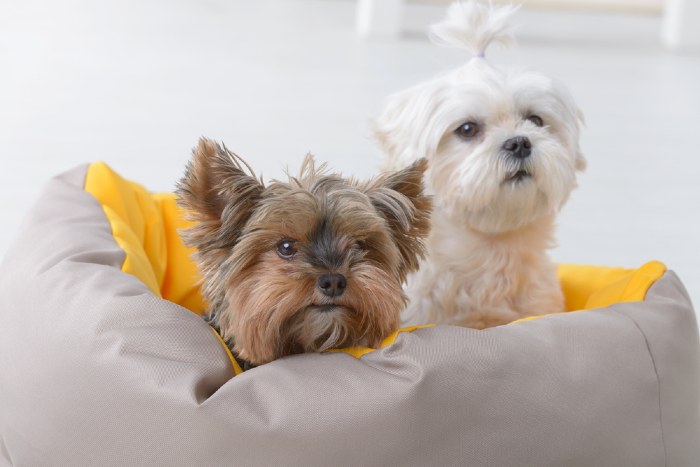
Grooming and Maintenance

Shedding and Hair

Pomapoos are a crossbreed between the Pomeranian and the Poodle. They are usually considered low-shedding dogs, making them a potentially hypoallergenic choice for people with allergies. However, shedding may vary depending on the individual dog and its genetics. It is important to note that no dog is truly hypoallergenic, and it is always best to spend time with the breed before adopting if you are concerned about allergies.

Their hair type can range from straight to wavy or curly, depending on the specific mix. Regardless of the hair type, regular grooming is important to maintain their coat's appearance and health.

Brushing

Proper brushing is crucial for avoiding mats and tangles in a Pomapoo's coat. Here are a few tips:

  • Frequency: Brush your Pomapoo at least once a week, or more often if they have a curly coat.
  • Technique: First, wet the coat with some mist from a spray bottle. Brush the dog section by section, in the direction of hair growth. Use a 2-in-1 comb for best results.
  • Mats and tangles: If you encounter a stubborn mat or tangle, separate it with your fingers first before working through it with the comb.

It is important to develop a routine for brushing and make it a pleasant experience for your Pomapoo, as it will help maintain their coat's health and prevent issues that could lead to discomfort or infections.

Nail Care

Nail care is another essential aspect of maintaining your Pomapoo's overall health. Overgrown nails may cause your dog pain and discomfort, and can even lead to issues with their gait and joints. To keep your Pomapoo's nails in good condition:

  • Trimming: Trim their nails every three to four weeks with a dog nail trimmer.
  • Grinding: Alternatively, you can use a dog nail grinder, which is less likely to cause discomfort.
  • Positive reinforcement: Reward your Pomapoo after each nail trimming or grinding session to make the process less stressful for them.

By keeping up with regular grooming, including brushing and nail care, you'll help ensure that your Pomapoo stays happy, healthy, and looking their best.

Health Issues and Care

Common Health Concerns

The Pomapoo is a generally healthy dog breed, but like any breed, they can be prone to certain health issues. Some of the most common health concerns for Pomapoos include:

  • Patellar Luxation: This is a condition where the kneecap dislocates, which can cause pain and discomfort in the affected leg. It can be managed with appropriate veterinary care.
  • Cataracts: This eye condition causes cloudiness in the eye's lens, leading to decreased vision. Some cases may require surgery to restore normal vision.
  • Epilepsy: Epilepsy is a neurological disorder that causes seizures. While this condition can be managed with medication, it is essential to consult a veterinarian if your Pomapoo shows signs of seizures.

Preventative Care

To ensure your Pomapoo's long-term health, preventative care is crucial. Some steps to take include:

  • Regular veterinary check-ups: Scheduling annual health examinations with a veterinarian is essential to monitor your Pomapoo's overall health.
  • Vaccinations: Keep your Pomapoo up-to-date on all recommended vaccinations to protect them from common diseases.
  • Dental care: Regular teeth brushing and dental check-ups can help maintain your Pomapoo's oral health and prevent dental issues.
  • Grooming: Regular grooming can help keep your Pomapoo's coat clean and free from mats and tangles, which can cause skin irritation and infection.
  • Exercise and weight management: Providing regular exercise and maintaining an appropriate weight can help prevent obesity-related health issues in your Pomapoo.

Treatments

When your Pomapoo faces health issues, it is essential to consult a veterinarian for the proper treatments. Some potential treatment options for the discussed health concerns may include:

  • Patellar Luxation: Treatment options may involve anti-inflammatory medications, joint supplements, or surgery in more severe cases.
  • Cataracts: Depending on severity, cataract removal surgery might be necessary to restore vision in affected dogs.
  • Epilepsy: Veterinarians may prescribe anti-seizure medications to manage epilepsy in Pomapoos, adjusting dosages when needed.

Always consult with a veterinarian to determine the best course of action for your Pomapoo's specific health concerns and needs.

Finding a Pomapoo

Selecting a Breeder

When looking for a Pomapoo puppy, it's essential to find a reputable breeder who prioritizes the health and well-being of their dogs. Here are some tips to help you select a responsible breeder:

  • Research: Spend some time researching different breeders who specialize in Pomeranian Poodle mixes. Look for positive reviews and testimonials from previous clients.
  • Ask Questions: Don't be afraid to ask breeders about their breeding practices, including health testing and genetic screening of their parent dogs.
  • Visit the Breeder: If possible, visit the breeder's facility to ensure it's clean, well-maintained, and that the dogs are cared for properly.

Pomapoo Rescues and Adoption

Adopting a Pomapoo from a rescue organization is another great option for finding your new companion. Rescued dogs may come from various backgrounds, including owner surrenders or puppy mill seizures.

To find Pomapoo rescues, consider the following:

  • Search Online: Use the internet to search for Pomapoo-specific rescue organizations in your area. You can also check websites like PetFinder or Adopt-a-Pet, which list available dogs by breed and location.
  • Contact Local Shelters: Reach out to your local animal shelters and rescues and let them know you're interested in adopting a Pomeranian Poodle mix. They may be able to inform you if any dogs fitting that description are available.
  • Networking: Join social media groups or online forums dedicated to Pomapoo enthusiasts. These communities can offer valuable information about rescues and adoptions, as well as support during your search.

Keep in mind that rescued Pomapoos may require additional patience and training, but the reward of providing a loving home to a dog in need can be incredibly fulfilling. The adoption process may also involve an application, home visit, and adoption fee.

Frequently Asked Questions

How big do Pomapoo dogs get when fully grown?

Pomapoo dogs are a mix between Pomeranian and Poodle breeds, resulting in a small, companion-sized dog. Fully grown Pomapoos usually weigh between 5 to 15 pounds. Their size will depend on the size of their Poodle parent, as Poodles can range from toy to standard size.

Do Pomapoo dogs shed a lot?

Pomapoo dogs typically have a low to moderate shedding level, which can make them a good choice for those with allergies. However, individual shedding may vary depending on the genetic traits inherited from their Pomeranian and Poodle parents. Regular grooming is necessary to maintain their coat and minimize shedding.

What is the average weight of a Pomapoo?

The average weight of a fully grown Pomapoo is between 5 to 15 pounds, though individual weights may vary depending on the size of their Poodle parent and other genetic factors.

Are Pomapoos good family pets?

Pomapoo dogs make wonderful family pets due to their friendly and affectionate nature. They are generally good with children and tend to get along well with other pets. Their moderate energy levels and adaptability make them suitable for various living conditions. However, it's essential to consider your lifestyle and living situation to ensure a Pomapoo is the right fit for your family.

Do Pomapoos have any specific health concerns?

Like any other mixed breed dog, Pomapoos may inherit some health issues from their parent breeds. Some common health concerns for Pomapoos include dental problems, patellar luxation, and hip dysplasia. Regular veterinary check-ups, a balanced diet, and proper grooming can help maintain your dog's overall health and wellbeing.

What is the typical cost of a Pomapoo puppy?

The cost of a Pomapoo puppy can range from several hundred dollars to over a thousand dollars, depending on factors such as the breeder's reputation, location, and lineage of the parent dogs. It's essential to research and choose a reputable breeder to ensure the health and optimal care of your Pomapoo puppy. Also, check out the Havapoo dog for another example of a Toy Poodle mix.

Grow revenue and deliver exceptional care, stress-free

From scheduling to client communication, Allpaws takes the hassle out of pet care management—so you can focus on what matters most.

Try For Free, Go From Barks To BlissGrow pet care business revenueDeliver exceptional pet care
Create reservation for your pet care business