All Blog
Thank you! Your submission has been received!
Oops! Something went wrong while submitting the form.
Best Orthopedic Dog Beds|Old Dog in a Bolstered Bed|Dog

It’s heartbreaking when your dog shows signs of pain, distress, and discomfort due to age, musculoskeletal problems, or aftereffects of surgery. Naturally, you want to provide comfort and support—anything to make your dog feel better.

Medication to soothe the pain and stiffness in joints and muscles is one way to help. But what if your dog’s trying to sleep comfortably? That’s where a soft but supportive orthopedic dog bed comes in.

Check out our five picks of the best orthopedic dog beds to find the perfect therapeutical sleeping arrangement for your pooch!

Our Top Picks

Best Overall:
Bedsure Orthopedic Dog Bed

Best Budget:
FurHaven NAP Ultra Plush Orthopedic Deluxe Bed

Best Memory Foam:
Barkbox Memory Foam Platform Dog Bed

Best Overall

Bedsure Orthopedic Dog Bed


Bedsure Orthopedic Dog Bed for Medium Dogs -Foam Sofa with Removable Washable Cover, Waterproof Lining and Nonskid Bottom Couch, Pet Bed

The durable, high-density egg-crate foam mattress of the Bedsure Orthopedic Dog Bed provides dogs with unparalleled joint support and pressure relief. It distributes the dog’s weight evenly so your dog can sleep in any position it desires.

Not only does this bed’s 4-sided bolster design support and secure your dog, but it also soothes its anxiety. Bedsure’s dog bed is made of a velvety soft flannel fabric that will comfort your furry friend physically and mentally.

Dogs with joint problems and mobility issues need stability when getting into or out of bed. Luckily, the bed’s non-skid bottom takes care of that. It also has an easily removable waterproof cover that you can machine wash if your dog gets it dirty.

Pros

  • Choice of six sizes from XS to XXL
  • Foam and flannel are pet-safe and environmentally friendly
  • Tested for canine approval

Cons

  • Unknown warranty
  • Replacement covers aren’t available
  • Size chart requires a thorough check

Check Price

Best Budget

FurHaven NAP Ultra Plush Orthopedic Deluxe Bed

The egg-crate foam of the FurHaven NAP Ultra Plush Orthopedic Deluxe Bed provides even weight distribution like the Bedsure dog bed. Unlike our top pick, this orthopedic bed for dogs is topped with silky faux fur, giving your canine more comfort.

This pressure-alleviating bed is ideal for older and disabled dogs who struggle with mobility. They’ll find it very simple to get into and out of bed with the step-on design.

Both the removable zippered cover and the foam mattress are easily washable. After a good spot cleaning, the mattress will continue supporting and cushioning your dog’s muscles and joints. It’s also capable of keeping a sleeping dog warm or cool depending on the season.

Pros

  • Material alternates temperature needs as necessary
  • Step-on design for easy entry
  • Can fit in dog crates

Cons

  • Not for dogs with chewing and scratching behaviors
  • Not waterproof or water-resistant
  • Silky fur top may cause staticky dog fur

Check Price

Best Memory Foam

Barkbox Memory Foam Platform Dog Bed


Barkbox Memory Foam Platform Dog Bed | Plush Mattress for Orthopedic Joint Relief (Medium, Grey)

High-quality comfort, support, and relief are available with the Barkbox Memory Foam Platform Dog Bed. There are two kinds of foam in this bed: a therapeutic high-density foam and a cooling gel memory foam. They’ll soothe body-aching conditions while keeping your dog at a comfortable temperature.

This platform bed enables dogs with mobility issues to not only easily step into it but also easily fall asleep. And its flat design allows your dog to comfortably spread out as the foam shapes itself to accommodate the body.

When it’s time for a washing, you can easily unzip the water-resistant cover and run it in the laundry. Because it comes in five sizes from small to double-extra large, you have plenty of options for your dog’s size!

Pros

  • Two kinds of foam for pressure relief and cooling
  • Hypoallergenic and dust mite-resistant
  • Comes with a free dog toy

Cons

  • Bed expansion takes 24–72 hours
  • Water-resistant cover, not waterproof
  • One-year warranty

Check Price

Best Comfort

PetFusion Ultimate Orthopedic Dog Bed


PetFusion Ultimate Dog Bed, Orthopedic Memory Foam, Multiple Sizes/Colors, Medium Firmness Pillow, Waterproof Liner, YKK Zippers, Breathable 35% Cotton Cover,1yr. Warranty.

The PetFusion Ultimate Orthopedic Dog Bed does more than just reduce dogs’ joint pain and improve their mobility and energy. Just like our first pick, this non-skid bed’s comfortable four-inch solid memory foam calms down dogs who suffer from anxiety.

Besides memory foam, this orthopedic bed for dogs is also made of breathable cotton and polyester. These combined materials in the ultra-premium base and wraparound bolster provide superior comfort, support, and security while your dog lounges.

Another feature of this comfortable bed is that its foam is CertiPUR-US certified. This indicates the verification of the absence of harmful chemicals like mercury, lead, and formaldehyde. It also comes with a water- and tear-resistant cover and offers a choice of colors to blend well in your home.

Pros

  • Easy to spot clean and remove hair
  • Replacement covers are available separately
  • Safe material for dogs

Cons

  • High-priced
  • One-year warranty
  • No size option for medium dogs

Check Price

Best Design

Laifug Orthopedic Memory Foam Dog Bed


Laifug Orthopedic Memory Foam Extra Large Dog Bed Pillow(50"x36"x10", Slate Grey) Durable Water Proof Liner & Removable Washable Cover & Smart Design

This final orthopedic dog bed is a double pillow smart design, letting your dog choose either side to lay on. One pillowed side is three inches high, while the other side is 1.8 inches high. That gives your best friend two options in regarding the most comfortable head and neck elevation.

Wherever your dog is positioned, it’ll receive maximum comfort and support from the relieving super-soft memory foam. Also, the non-slip bed is not only for soothing joint and muscle problems but also for recovering from surgery.

Because Laifug strives to make a dog’s environment functional and comfortable, their foam retains 90% of the bed’s shape and support. This benefit is made to last for about three years! In addition, it’s protected with a waterproof, tear-resistant, and machine-washable removable cover.

Pros

  • Foam doesn’t flatten
  • Compatible with any dog breed
  • CertiPUR-US-certified material

Cons

  • May have an unpleasant smell when unboxed
  • Takes 24–48 hours to expand
  • Removable cover is very thin

Check Price

Orthopedic Dog Bed Buyer's Guide

Bed and Dog Size

Your dog and its bed are two indicators of what size orthopedic bed you should purchase. Also, take your dog’s usual sleeping position(s) into consideration. If your dog likes to spread out, its body should still fit on the bed.

The wrong-sized bed for your small, medium, or large dog will defeat the purpose of easing your dog’s physical afflictions. Refer to size charts and take note of the bed’s measurements. You’ll need to compare them to your dog’s size so you can purchase the best-sized orthopedic dog bed.

Material

The first thing to consider material-wise is durability. Dogs like to chew, and their claws can tear into fabrics, so look for a tear-resistant orthopedic bed for dogs. Select one that’s waterproof, too; even if your dog is house-trained, it may have an accident in bed.

Stability is another factor to consider, so find a bed that has a non-skid underside. A dog with musculoskeletal problems should be able to stand up in or get in and out of bed without slipping.

Balance out the need for firmness and comfort in a foam mattress. You want it to be thick and firm so it doesn’t flatten after a few uses. However, you also want it to be soft enough that your dog will be comfortable as it rests.

Finally, does your dog have allergies? When skimming orthopedic dog beds, check their material to see if they’re hypoallergenic, meaning minimal chances of causing allergic reactions. Orthopedic therapy shouldn’t include another ailment for your dog to deal with.

Bed Design

This feature depends on your dog’s physical condition(s) and sleeping habits. You have a choice of either a flat bed or one with a bolster on one or more sides.

If your dog’s condition involves the neck or spine, you’ll want a bolstered bed that will support these areas. Even if neck and spinal support aren’t a concern, your dog may generally like raising its head when sleeping!

Old Dog in a Bolstered Bed

For dogs that love flattening and spreading themselves out in bed, a flat orthopedic dog bed is the best option.

Cleaning

Once your dog makes itself comfortable on an orthopedic bed, there’s going to be a mess at some point. If your dog is prone to accidents, a bed with a removable, machine-washable cover is your best choice.

If a removable cover isn’t available, find a bed with a surface that you can easily scrub with a damp washcloth. Most importantly, refer to the tags on both items for washing instructions so you don’t compromise the bed’s orthopedic features.

Orthopedic Dog Bed Frequently Asked Questions

How are orthopedic dog beds any different from traditional dog beds?

One thing that sets the two kinds of beds apart is the filling in them. Traditional dog beds are filled with polyester and egg-crate foam, which sink whenever a dog lays down. The filling will also move around easily and will put pressure on your dog’s muscles and joints.

Orthopedic dog beds are filled with memory foam that cushions and supports dogs’ joints and muscles. They may also be filled with egg-crate foam. Either way, they’ll have multiple layers of foam cradling and supporting your dog.

Can I use an orthopedic dog bed even if my dog doesn’t have muscle or joint problems?

Yes. Age and medical conditions aren’t the only reasons why any dog can benefit from an orthopedic bed.

How often do you and your dog go for a long run around the neighborhood or dog park? After that workout, your pooch could later experience muscle aches. And if your dog suffers from anxiety, some of our picks contain material that has calming effects.

Consider the cost, though, because orthopedic beds for dogs tend to be more expensive than traditional ones. By balancing that out with your dog’s physical needs, you’ll ultimately decide the right kind of dog bed.

How do I wash an orthopedic dog bed?

Check the tag of the bed to see if its removable cover is machine washable. If so, remove it and select the appropriate detergent and wash cycle.

For beds without removable covers (or with, but it’s in the laundry), spot-clean them with a damp wash rag. Spray a stain remover that’s dog friendly, or use apple cider or white vinegar for more natural approaches.

Air-dry the cover and mattress but not in direct sunlight or near heaters. Also, on a regular basis, vacuum up any dog hairs you find on the bed.

Will my dog take to an orthopedic bed as if it were a regular dog bed?

Not likely if it’s not their original bed. Dogs don’t adapt immediately to change as humans do; anything unfamiliar in their environment will be suspicious to them.

Dog

You can help your dog adapt to its new orthopedic bed by placing the bed in a familiar spot at home. Place your dog’s toys on the bed to encourage it to try it out. When it touches the bed or gets in it, praise it with treats, proud words, and pettings!

When would it be time to buy a new orthopedic dog bed?

It’s when your dog is sleeping on the floor, couch, or your bed instead of its own bed. It may no longer feel firm, or it’s not retaining its shape. Like regular dog beds, orthopedic ones eventually wear out and your pooch can no longer lay comfortably in it.

Your dog may have even developed an allergy to the bed’s material(s) at some point and won’t go near them. These instances warrant a new, quality orthopedic bed for your dog.

Soothe Your Dog With the Best Orthopedic Dog Bed!

Just like you support your loved ones with their physical afflictions, support your dogs with theirs, too. With your dog’s health and sleeping habits in mind, our five orthopedic dog beds will help you choose the best bed.

We recommend trying out the Bedsure Orthopedic Dog Bed to give your canine the best support and comfort it needs. It has plenty of size options; cushions and supports dogs’ joints and muscles evenly; and eases anxiety as needed! Visit our dog supplies page to discover more items to nurture or entertain your fur baby!

A mobile dog grooming van outside a home.|

Is your dog’s fur getting a little smelly and matted? And are their nails looking curled and overgrown? It’s time to take your fur baby to the groomer! But before you call up your local brick-and-mortar grooming salon, maybe you should consider mobile dog grooming.

Finding a way to fit a grooming appointment and travel time into your busy schedule can be a pain. It makes the process a stressful situation, as you’ll often need to rush around. But mobile dog grooming can easily take all this stress away and bring the grooming salon right to your door!

Keep reading to learn what to expect from mobile services to see if it's right for you and your pup!

What is Mobile Dog Grooming?

Mobile dog grooming is essentially a grooming salon squished into a van. It typically has everything you’d find at your local grooming salon. There’s usually a full-sized washing station that fits both small and large breed dogs, along with grooming tables. And the groomer will have every tool needed to get your pup looking back to normal.

The van will park in your driveway, welcome your dog inside, and get right to work on your pup! It’s a much easier and faster process than taking your furry friend to your usual groomer or grooming at home.

What Services Do They Usually Offer?

You’ll often find that mobile dog grooming companies offer the same services as a brick-and-mortar company. The most common services you’ll see include the following:

  • Bathing
  • Brushing and haircuts
  • Nail trims
  • Eye cleanings, which help get the crusty gunk out of the corners of their eyes, along with tear stains.
  • Ear cleanings, which get rid of excess wax and dirt in your dog’s ears to prevent infection.
  • Anal gland expressions (not all groomers offer this)
  • Deshedding treatments, which usually use a specialized shampoo or conditioner to loosen the undercoat.

Depending on the mobile dog grooming company you choose, they may offer other options too. Some offer just the basics, while others might provide more luxury-like services like painting your dog’s nails or breed-specific cuts!

Washing a dog with a handheld shower head.

How Long Does Mobile Dog Grooming Take?

A typical brick-and-mortar grooming company usually has extremely long wait times. This is due to groomers sharing supplies and trying to control multiple dogs at once. And not to mention the messes created in between dogs that need to get cleaned up. Because of all this, it can take up to four hours before you can pick up your dog and go home.

Mobile dog grooming is like a one-room salon. So, there’s only one groomer and one dog in the van at a time. Due to this, there’s no sharing of anything, allowing the process to go faster and smoother. You can expect this type of grooming to take an hour or less, with two hours typically being the maximum.

The exact time frame will depend on the services you choose and how large your dog is. More fur means more work! Prices will also differ due to these two factors.

What Does a Typical Mobile Dog Grooming Session Look Like?

Starting a mobile dog grooming session should be easy, especially if your dog has no problem meeting new people.

The groomer will typically call you or come to your door to chat with you before beginning. You’ll discuss the services you want, the cost, and any concerns you might have. From there, you’ll fill out any necessary paperwork, and the groomer will take your dog to the van. They’ll perform all the services you asked for and bring your clean pup out afterward!

Depending on the company, they may ask for payment after the session, or you might be able to pay online. Keep in mind that anal gland expressions, deshedding treatments, and other non-basic services may cost extra.

If this is your dog’s first time meeting this groomer, you should do an introduction before heading to the van. Allowing your dog to sniff the new stranger and get a few pats will make your pup more comfortable. This isn’t always needed, as some dogs are happy-go-lucky with everyone. But it’s a great precaution to take. New smells and energies can be overwhelming.

The Pros and Cons of Mobile Dog Grooming Services

Similar to any other service you receive or purchase, mobile dog grooming comes with some pros and cons. Keep in mind that the cons might not pertain to you depending on your personal situation.

Pros

It Saves Time

As mentioned before, sharing supplies can significantly increase the time your dog spends at a brick-and-mortar grooming salon. Oftentimes, there are at least two groomers in the room passing around the same grooming tools.

A dog grooming tools kit.

Sometimes there’s only one bathing station and multiple clients, which holds up the grooming line quite a bit. Checking in for the appointment can take time as well if there are a lot of appointments booked for that day. And once you do check in, your dog will probably have to wait their turn for a while.

Mobile dog grooming eliminates everything above. There are no wait times, supply sharing, or spending money on gas to get to the groomer. Without these factors, your dog can be in and out of the grooming van in no time. And there’s no rushing around to pick up your pup when the groomer finishes, giving you more free time!

It Can Be More Comfortable For Your Pup

Does your dog get anxious or overwhelmed with noises and new smells? Anxiety and stress are prevalent among the canine species! About 72.5% of dogs have some type of anxiety-related issue. The biggest problem tends to be noise, as dogs have heightened senses.

At a typical groomer, your dog will often be around other dogs and sometimes cats. With these other animals in the vicinity, your dog will get introduced to many different noises and smells.

Barking, whining, meowing, blow dryers, nail grinders, and other sounds can be a nightmare for your pup’s ears. And not to mention the smells from people, other animals, grooming products, drool, and sometimes urine. All of this would be enough to drive you crazy too!

However, a mobile dog grooming van provides a much different environment. You can expect a quieter environment with fewer anxiety-inducing triggers. The groomer will be one-on-one with your fur baby. And your dog will be in the familiar domain of your driveway. Familiarity and a more sensory comfortable environment will be much better for your pup, especially if they’re anxious.

Easier Scheduling

Scheduling with a mobile dog grooming service is usually easier than scheduling with brick-and-mortar companies. Mobile services typically work around your schedule, so you don’t need to alter your day to get your pup groomed.

The mobile company will ask what your availability is, and they’ll help you schedule the perfect time for you. Many will also offer extended hours when compared to a brick-and-mortar company. This allows you to schedule an appointment after you get home from work.

Trimming a dog's nails.

Cons

It Can Get Expensive

While mobile dog grooming is much more convenient, that convenience comes with a price. Regular grooming salons only charge you for the services you want. Mobile salons will not only charge this, but they typically factor travel expenses into their prices.

The company is using its gas and generators for running water and electricity. And to make money and continue their business, they’ll need to charge you for this. Sometimes this is a set rate worked into their service prices. And other times, the price may depend on how far away you live. They may not charge travel time unless you live outside a specific mileage zone.

Be sure to check out the mobile groomer’s website or call to ask them ahead of time about this. The price often isn’t detrimentally higher than a brick-and-mortar place. But it can put a small dent in your wallet if you weren’t planning on the added expense.

Location Issues

Do you live in a busy city or a quiet, rural area that’s miles away from the nearest store? Your home’s location can influence your grooming options!

Naturally, if you live in a more remote area, a whole list of services will be unavailable to you. This can include grocery delivery, food delivery, exterminators, and even mobile dog grooming services. Unavailability is often because the company’s home base is too far from your home.

The farther the distance, the more the company has to pay for gas. One far-away appointment also affects the rest of the appointments for that day, as travel time will increase. Driving out to a far location just isn’t cost-effective for the company.

Mobile dog grooming companies will usually provide a mileage zone that they work within. Before you book your appointment, you should ensure you fall within that zone. If you can book online, the website might even let you know if services are unavailable in your area.

Wrapping Up Mobile Dog Grooming Expectations

Closeup of a mobile dog grooming services van.

If you’re tired of grooming your pup or driving to a groomer, mobile dog grooming is an excellent choice! While it can be a little expensive, it will definitely make the entire grooming process more convenient for you. And your dog will enjoy the laid-back environment!

Use these expectations and pros and cons to help you decide if it’s time to switch to mobile dog grooming.

Are you looking for more dog-related content? Check out our All Paws home page for more tips and tricks when caring for your furry friend!

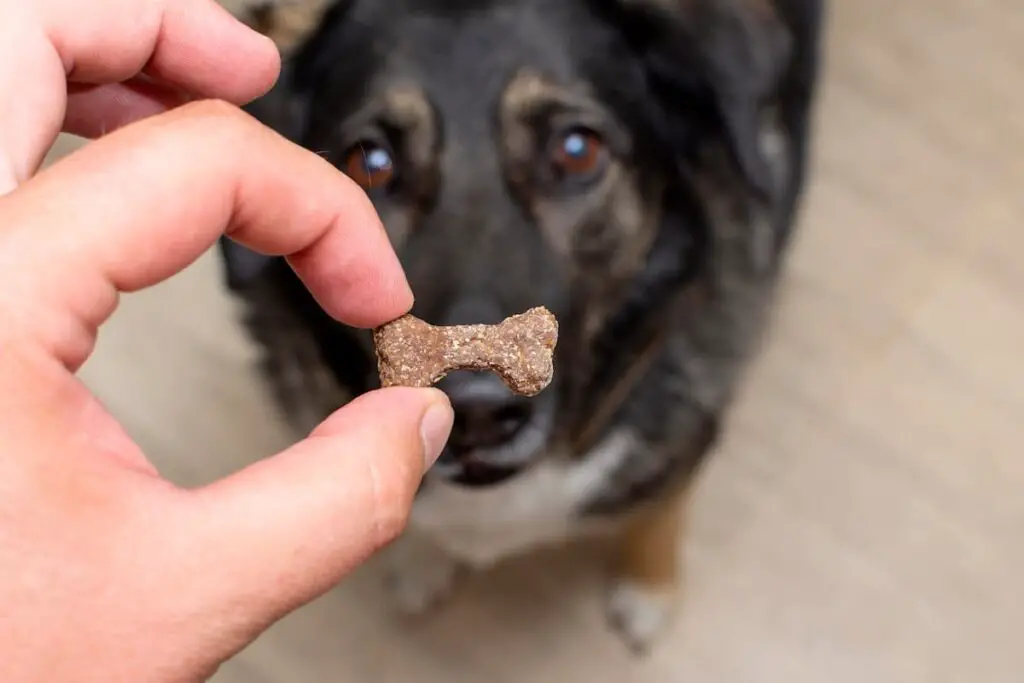
A dog waiting to be given a treat

Training your dog is hard enough on its own without the added stress of finding a training treat that works best! Luckily, we have a round-up of the best dog training treats for pups of all shapes and sizes that's sure to make your decision ten times easier.

Keep reading to find out more about the perfect training treats for your furry friend!

A dog waiting to be given a treat. Best dog training treats.

Our Top Picks

Best Overall:
Zuke’s Mini Naturals Training Treats

Budget Option:
Charlee Bear Original Crunch Dog Treats

Best Organic:
Full Moon Training Grain-Free Dog Treats

Best Overall

Zuke’s Mini Naturals Training Treats

Zuke’s Mini Naturals Training Treats

Our award for the overall best dog training treats goes to the Zuke’s Mini Naturals Training Treats! These treats are the perfect blend of quality and affordability with a delicious taste that your pooch will love.

Zuke’s Mini Naturals come in lots of different flavors, from peanut butter and oats to salmon or rabbit. You’ll definitely be able to find a winner for your pup even if they have food allergies or sensitivities!

In addition, these training treats are made out of top-quality ingredients and don’t contain any corn, wheat or soy. They’re chock full of all the vitamins and minerals your dog needs without sacrificing taste.

When it comes to shape and texture, Zuke’s Mini Naturals are the perfect size and softness for dogs of all ages and sizes.

These treats also fit in most treat dispensers, so you can use them whenever and wherever!

Overall, Zuke’s Mini Naturals training treats are a high-value reward that will leave your dog excited for your next training session.

Pros

  • Wide flavor variety
  • Super soft but sturdy
  • Good size

Cons

  • Harden easily if stored improperly

Check Price

Budget Option

Charlee Bear Original Crunch Dog Treats


Charlee Bear Original Dog Treats, Chicken Liver, 16 oz

If you’re looking to save a little money, the best dog training treats for you are Charlee Bear Original Crunch Dog Treats! Pet owners on a budget don’t have to feel bad about using a handful of these delicious treats at a time.

Charlee Bear Original Crunch Dog Treats offer a solid flavor selection, and treats come in a few different meat and cheese combinations.

They’re also small, about the size of a dime, so these treats won’t pose a choking hazard even to the tiniest of dogs.

When it comes to texture, Charlee Bear Original Crunch Dog Treats hold up to their name! These training treats are crunchy but still don’t crumble or disintegrate when carrying them. They also won’t make a mess when your dogs eat them!

Charlee Bear Original Crunch Dog Treats are a great compromise in between regular kibble and a higher quality treat, especially for those looking for a simple and inexpensive option.

Pros

  • Easy to transport
  • Inexpensive

Cons

  • Not organic
  • Fairly plain flavors

Check Price

Best Organic Training Treats

Full Moon Training Grain-Free Dog Treats

Full Moon Training Grain-Free Dog Treats

For pet owners in search of the best dog training treats with all-organic ingredients, give Full Moon Training Grain-Free Dog Treats a try!

These treats have an impressive list of health certifications. Specifically, they’re USDA-certified organic; human grade; grain free; and contain no corn, wheat or soy. The one notable ingredient they contain is cane sugar, so be on the lookout for that if your dog has an allergy or sensitivity to it.

Full Moon Training Grain-Free Dog Treats come in chicken and duck flavors, and they have a smell that’s pleasant for both humans and dogs.

Given their high-quality ingredients list, these treats are fairly inexpensive! Plus, at only three calories per treat, your pup can have a gourmet experience without indulging too much!

These treats are soft but not too chewy, although it’s a good idea to cut them in half before giving them to smaller dogs.

Finally, Full Moon Training Grain-Free Dog Trees are easy to carry around and hold up pretty well to warmth, so they won’t melt in your hands or pocket.

Pros

  • Made out of human-grade ingredients
  • Low in calories

Cons

  • Too big for smaller dogs to eat whole
  • Contains cane sugar

Check Price

Best for Small Dogs

Bil-Jac Little Jacs Small Dog Training Treats


Bil-Jac Little Jacs Small Dog Training Treats - Soft Chicken Liver Dog Treats for Puppy Rewards - Real Chicken, No Fillers, 16oz Resealable Double Zipper Pouch (3-Pack)

Bil-Jac Little Jacs Small Dog Training Treats take the cake for the best dog training treats for small dogs! Your pooch is sure to be satisfied with their reward if you give them these treats.

What makes these treats so great for smaller dogs is that their size and texture is ideal for the mouths of puppies and smaller dogs.

Each treat is about the size of a pencil eraser, and they’re soft and moist, making them easy to chew.

They can fit into many enrichment toys and can cover some pills with them depending on the size of the medication, so you can use these treats for a variety of purposes!

Although the Bil-Jac Little Jacs Small Dog Training Treats are the best dog training treats for small dogs, they probably won’t make a satisfying treat for a large dog.

One minor downside is that whole wheat is on the ingredients list, so they technically contain grain if that’s an ingredient you’re trying to keep your dog away from.

Pros

  • Soft
  • Multi-purpose

Cons

  • Not satisfying for larger dogs
  • Contains grain

Check Price

Best for Large Dogs

Waggin’ Train Chicken Jerky Tenders

Waggin’ Train Chicken Jerky Tenders

Looking for the best dog treats for larger dogs? Well look no further than the Waggin’ Train Chicken Jerky Tenders!

These fun and tasty treats are only made out of two ingredients, so it’s super easy to understand exactly what your dog is eating. The limited ingredients list might also make this a good fit for dogs with sensitive stomachs.

Waggin’ Train Chicken Jerky Tenders are also the best dog training treats for larger dogs because they’re so cost effective! Each individual tender is easy to break into pieces, so the treats will last longer during training sessions.

A pro tip to make eating these treats a little easier for your dog: If you have a large dog and they struggle with the jerky-like texture of the treat, try dipping them in water first!

It’s important to remember that even though you can break these treats up into smaller pieces, their texture and chewiness may not make them the best option for smaller dogs and puppies.

Pros

  • Simple ingredients list
  • Easily breakable into pieces

Cons

  • Not ideal for smaller dogs and puppies
  • Texture may be tough for some dogs to swallow

Check Price

Dog Training Treats Buyer's Guide

There are a few important factors that you should consider when looking for the best dog training treats for your pooch. Specifically, the ingredients, size, and portability of training treats are all key variables to keep in mind.

Person wearing a pouch of treats for training a Bernese Mountain dog puppy.
Person wearing pouch of treats for dog training.

Ingredients

The best dog training treats are ones that will keep your pup healthy and happy! Accordingly, you should make sure the treats you choose don’t contain any ingredients that your dog is allergic to.

Ingredients also determine the treat’s flavoring, so you should consider your pup’s likes and dislikes. For example, does your dog prefer meat-flavored treats or fruity ones?

Size

The size of your dog determines the size of the treat that’s safe for them to eat. In other words, your dog could choke on a training treat that’s too large for them to properly chew.

If you have a smaller dog, limit your search to training treats that fall on the smaller end of the spectrum.

Portability

You’ve probably thought about having training treats at home, but have you considered all the other places you’ll need to bring your training treats? Training happens on the go in the car, at the park, and on walks, too!

Because of this, the best dog training treats are easily portable and won’t crumble when you throw it in your fanny pack or tote bag.

Frequently Asked Questions

A group of dogs in a training class.

How many training treats should I give to my dog?

As a first-time dog trainer, you may be wondering what the ideal number of treats to give your dog per training session is. While this number can vary a little, it’s all based on the number of commands you’re teaching as well as the calorie count and nutritional value of the training treats.

One treat per successful command is generally a good standard when you’re first starting out. Eventually, you should decrease the number of training treats as your dog becomes more skilled.

Luckily even the best dog training treats are generally lower in calories than regular treats, so an extra treat here and there probably won’t pack on too many pounds.

Can puppies eat dog training treats?

Using treats to train a puppy.

If you’re starting out early training your pup, you may be looking for a training treat that you can use as they grow. Luckily, there are many great options out there that are well suited for both puppies and older dogs!However, not all the best dog training treats are the best puppy training treats, too. When evaluating whether or not a specific product is safe for your puppy, size and texture matter the most. Look for training treats that are small and not too difficult to chew. The softer the treat, the more suitable it will be for dogs of all ages.

On the other hand, some training treats are made and marketed specifically for puppies. If you’re nervous about using generic training treats for your puppy, you may want to try puppy training treats instead.

Finding the Best Dog Training Treats for Your Pup

Offering a small treat sized for small dog breeds to a Pomeranian.

It can be tough to find a training treat that works for both you and your dog, but we’ve got something perfect for everyone on this list!

If you enjoyed learning about the best dog training treats and want more tips and tricks about caring for your furry friend, visit our home page for lots more content!

Best Dog Insurance

Choosing the best dog insurance for your dog can be a daunting task, given the numerous options available in the market. With the cost of veterinary care on the rise, pet insurance has become increasingly popular among dog owners, offering financial protection in case of accidents or illnesses and for routine care.

This article aims to present an unbiased and knowledgeable overview of the top dog insurance providers so you can make an informed decision. In the following sections, we will explore some top-rated pet insurance companies, their key features, and what sets them apart for providing the best protection and peace of mind for dog owners.

Types of Dog Insurance Plans

It's essential to understand the factors that contribute to choosing the right plan for your furry friend. As each dog has unique needs and budget considerations, pet owners must weigh factors such as coverage scope, deductible choices, waiting periods, and reimbursement rates, among others.

Each pet insurance provider will have unique nuances to their plans, but there are still three basic plan types that most providers have their own version of. We’ll take a look at the top pet insurance companies in a moemnt, but first, let’s look at these basic plan types.

Accident and Illness Plan

An accident and illness plan is the most comprehensive type of pet insurance, covering both all the worst case scenearios. In this plan, pet owners can expect coverage for:

  • Accidents: Injuries sustained from accidents, such as fractures, bites, lacerations, and ingestion of foreign objects.
  • Illnesses: Sudden and chronic illnesses such as allergies, diabetes, cancer, and heart disease.

These plans usually allow pet owners to choose their deductible, co-insurance, and maximum payout limits. Take some time to review the policy documents to understand the coverage and exclusions.

Accident-Only Plan

An Accident-Only Plan, as the name suggests, provides coverage for accidents but not illnesses. This type of plan is suitable for pet owners who are looking for a more budget-friendly option. Coverage in this plan includes:

  • Accidents: Injuries sustained from accidents, such as fractures, bites, lacerations, and ingestion of foreign objects.

With this type of plan, your pet will be covered when something external happens, such as hit-by-car event or an attack by another animal. But internal emergencies, such as developing cancer or diabetes, are not covered.

Wellness Plan

Wellness plans, also known as preventive care plans, focus on maintaining the overall health and well-being of the pets. These plans provide coverage for routine care and non-emergency services. The scope of coverage in a wellness plan includes:

  • Routine care: Vaccinations, flea/tick prevention, annual check-ups, dental cleanings, and spaying/neutering.

It is important to note that wellness plans are generally not standalone policies and are often offered as an add-on to the main pet insurance policy or alongside an accident and illness plan or an accident-only plan.

Top Dog Insurance Companies

Pets Best

Pets Best offers comprehensive dog insurance plans, with options for both accident and illness coverage. They have flexible annual coverage limits, deductibles, and reimbursement levels, making it easy to customize a plan for your pet's needs.

Their coverage is straightforward, and they have a quick claims process to get pet owners reimbursed as soon as possible.

Trupanion

Trupanion provides reliable dog insurance with a focus on simple, comprehensive, and customizable coverage.

With a 90% reimbursement rate and no payout limits, Trupanion ensures that pet owners don't have to compromise on their dog's health care. They also offer optional coverage for therapy and alternative treatments, as well as dental care.

Embrace

Embrace Pet Insurance offers two types of plans: accident-only and an accident and illness plan. After a $100 annual deductible, the accident-only plan covers 90% of veterinary expenses.

Embrace stands out for its generous benefits and discounts, including a 10% multi-pet discount and a 24/7 helpline for pet health-related concerns.

ASPCA

ASPCA Pet Insurance is known for its short waiting periods and customizable coverage options. They offer accident-only and accident and illness plans with options for additional wellness coverage.

ASPCA has a variety of annual limits, deductibles, and reimbursement percentages to satisfy the needs of different pet owners.

Nationwide

Nationwide Pet Insurance offers both basic and comprehensive dog insurance plans, with coverage for accidents, illnesses, and chronic conditions.

They also offer reimbursement for alternative and behavioral treatments. Nationwide has a reputation for dependable coverage and a range of flexible options to fit a variety of financial and pet care needs.

Healthy Paws

Healthy Paws is a popular choice for dog insurance because of its straightforward coverage and quick claim processing.

They offer one simple accident and illness plan with no annual or per-incident limits. Healthy Paws has a customer-friendly approach, with unlimited payout options and annual deductible choices.

Figo

Figo Pet Insurance is known for its highly customizable coverage options and 100% reimbursement rate, making it a great choice for pet owners who want maximum control over their dog's insurance.

They offer flexible deductibles and annual limits, as well as additional coverage for vet exam fees and alternative therapies. Figo's easy-to-use app makes managing your dog's coverage and claims simple and convenient.

Understanding Restrictions and Exclusions

Pre-Existing Conditions

Pre-existing conditions are medical issues your dog had before the start of the insurance policy. Pet insurance companies typically don't cover these conditions to prevent fraud and maintain affordability.

It's crucial to understand your chosen insurer's definition of pre-existing conditions, as some companies may not include conditions that have been cured or have had no symptoms for a specified time period.

Hereditary Conditions

Hereditary conditions are health issues passed down through a dog's genes. Examples include hip dysplasia, heart disease, and certain types of cancer.

Some pet insurance policies may exclude hereditary conditions, especially for breeds known to have specific genetic health problems. However, other policies may offer coverage for hereditary conditions, usually at an additional cost or with a specific cap on reimbursement.

Congenital Conditions

Congenital conditions are present at birth but not always hereditary. These can include heart defects, cleft palate, or limb deformities.

While some pet insurance policies exclude congenital conditions altogether, others may cover them with certain limitations on coverage amounts or only if they manifest and are diagnosed after a specified waiting period.

Hip Dysplasia Exam

Waiting Periods

A waiting period is a set time frame during which new insurance policyholders are not eligible for coverage or reimbursement for certain conditions or events.

The waiting period varies depending on the insurer and type of coverage. Accidents may have a waiting period as short as a few days, while illnesses or other conditions could have a longer waiting period, sometimes up to six months. Check your policy's fine print to determine the exact waiting periods that apply to your specific plan.

In summary, it's essential to read and understand the restrictions and exclusions outlined in your pet insurance policy to avoid surprises when submitting a claim. Pre-existing, hereditary, and congenital conditions can impact coverage availability, and waiting periods can delay when you're eligible for reimbursement.

Cost of Dog Insurance

Premiums

The cost of dog insurance can vary significantly based on factors such as breed, age, location, and coverage options. On average, the monthly premium for dog insurance is $42 across the top pet insurance companies.

However, for the same pet, location, and insurance plan, quotes can vary by more than $65 across companies. If you live in an area with expensive veterinary costs or have an injury-prone dog, you can expect your monthly rate to be closer to $90 than $25.

Reimbursement Rates

Reimbursement rates affect the amount you receive from the pet insurance company when you make a claim. Most insurance providers offer a range of reimbursement choices, such as 70%, 80%, or 90%.

Piggy Bank

Higher reimbursement rates may result in higher premiums, but they can also significantly reduce your out-of-pocket expenses when it comes to costly medical treatments.

Annual Limits

Annual limits are another important factor to consider when comparing dog insurance policies. These limits represent the maximum amount an insurance company will pay for covered veterinary expenses within a policy year.

Many pet insurance plans offer a range of annual coverage limits, from $5,000 to unlimited. Choosing a higher annual limit will likely increase your premiums but can provide financial protection in case of a major illness or accident.

Frequently Asked Questions

How do I choose the best pet insurance?

When choosing the best pet insurance for your dog, consider factors such as the range of coverage options, policy features, and the reputation of the insurance provider.

How much should you spend on pet insurance for your dog?

The cost of pet insurance for your dog will vary depending on factors such as breed, age, location, and coverage level. Monthly premiums can range from $10 to over $100. It's essential to consider your dog's specific needs and budget when determining how much to spend on pet insurance.

Is pet insurance worth it?

Whether pet insurance is worth it depends on your dog's health, your financial situation, and your peace of mind.

Happy Dog

Pet insurance can help cover unexpected costs from accidents, illnesses, and chronic conditions, potentially saving pet owners thousands of dollars. Consider your pet's medical history and your ability to afford out-of-pocket expenses when deciding if pet insurance is right for you.

What pet insurance can you use right away?

Some pet insurance providers offer policies with minimal or no waiting periods, allowing you to use the coverage immediately after enrollment.

However, keep in mind that pre-existing conditions are often excluded from coverage, and some insurers may still require waiting periods for specific illnesses or accidents. Be sure to read the policy terms and conditions to understand when your coverage begins.

Wrapping up the Best Dog Insurance

By considering a variety of pet insurance options, you can find a suitable plan to ensure your furbaby receives the best possible care with the least amount of financial strain for you. Save money on your dog's dental work by checking out this post on the Importance of Dog Dental Cleaning for Oral Health.

Affenpinscher Dog Breed

The name "Affenpinscher" is German for "monkey dog" or "ape dog" in reference to the unique facial features of the affenpinscher dog. Bred originally to work like a terror in the German stables eradicating rats, the breed was later preferred for work as indoor mousers and foot warmers for the humans at night. Affenpinschers were first recognized as a breed by the American Kennel Club in 1936, and Star Wars fans have long debated whether these dogs look more like Wookies or Ewoks.

This intelligent breed can be stubborn and independent-minded when it comes to training, but their affectionate nature and eagerness to please make them worth the extra effort. And low grooming maintenance is another bonus!

How to Train Affenpinscher Dogs

Affenpinschers are smart and they do enjoy praise and treats, but they also get bored easily with long training sessions. More frequent, shorter sessions with breaks in between work best for this breed.

Keep in mind that all dogs respond better to positive reinforcement than to negative punishment. This means that rewarding good behavior with treats, verbal praise, and petting tends to be more effective than punishing bad behavior with spankings or yelling. When using treats for training, consider using either kibbles from your dog's food bag or small training treats instead of larger treats. You'll need to reward your dog frequently as it learns the appropriate behaviors, and too many large treats will take your dog longer to eat, slowing down training, and can cause obesity.

Since this can be a more challenging breed to train, consider hiring a trainer to help get training started and to help you learn how to keep up training regimens effectively.

For potty training tips, check out our [How to Potty Train Your Dog] article.

Affenpinscher Dogs with Kids and Other Dogs

Breed Tendencies

The AKC ranks Affenpinschers at 3/5 for being affectionate with family, good with children, and good with other dogs. As with all breeds, it really depends on the specific dog, how it has been raised, and what it has been exposed to throughout its life, regardless of breed tendency. Since Affenpinschers are right in the middle for each of these categories, this is truer than ever for dogs of their breed.

Training and Socializing

Training and socializing will usually be easier with a puppy than with an older dog, but any dog can be trained to change a behavior. If you start with an Affenpinscher puppy, allow it to play with your kids under supervision as much as possible. Take him or her outside for walks, especially at dog parks and other places where he or she can meet lots of other people and dogs. The more and the earlier in its life your dog is exposed to these situations and has positive experiences, the better he or she will be with kids and dogs throughout life.

If introducing a new dog to your kids, make sure to supervise at all times. Have the kids sit still so that the Affenpinscher can come to them when he or she feels ready to investigate them. Have the kids offer treats to the dog as it approaches to help him or her associate the kids with good things. Avoid sudden movements and loud noises to help this introduction go smoothly.

To introduce your new Affenpinscher to other furbabies, start in a neutral place that isn't anyone's territory, such as a part of the yard the dogs aren't usually allowed in or an upstairs bathroom they never have reason to visit. Allow them to meet on neutral ground like this so that it's not like the newbie is encroaching on their land. Start with everyone on leashes or with a fence in between for protection. Once ears are all up and happy and tails are wagging, you can let them free to sniff each other and then explore your home together.

It's possible that intros like these may need to be done a few times before all parties are comfortable with the new situation. Just remember to be patient and let the process take the time it needs.

Affenpinscher Dog Exercise and Space Requirements

Affenpinschers are the perfect size and energy level for apartment life. While they would love the chance to run around in a backyard or take daily walks, they are well suited to indoor life and can get a good amount of exercise with daily playtime with you as with some extra time between them and their toys.

The Best Food for Affenpinschers

Affenpinschers have different nutritional needs throughout each life stage. As your dog grows, you may need to change the food type they eat. Here's a breakdown of how this works.

The Puppy Stage

At the puppy stage, your dog's body needs plenty of calories because it's working hard to grow. Large breed dogs and small breed dogs have different puppy nutrition requirements, so make sure you pick a small breed puppy food for this life stage.

To determine how much your puppy needs at each meal, take a look at the back of the food bag. There should be a chart for how much food to feed based on weight or age. Double-check whether the chart says how much food to feed per meal or per day. If it goes by daily amounts, you'll need to divide that by two if you plan to feed twice a day.

The Adult Stage

This is the longest stage of your Affenpinscher's life. A good adult maintenance food will keep your Affen happy and healthy throughout their life. Check the back of the bag for a food chart and make sure to feed your dog accordingly. If your dog is overweight, feed according to the weight your vet recommends you try to get him or her down to rather than their current weight.

For pregnant and lactating females, extra nutrients are needed. A momma dog's body will steal nutrients from her bones and tissues to nourish the puppies if needed, so it is vitally important that a female in this condition has access to extra nutrients. One way to provide these nutrients is through feeding senior dog food to your female temporarily. Senior dog food is loaded with extra nutrients to promote good health even during old age, and those extra nutrients would likely cause weight gain in regular adults. But a breeding female will put those extra nutrients to use.

You can also consider providing your pregnant female with a prenatal supplement, and post-natal supplement during lactation.

The Senior Stage

In the senior stage, your dog may develop some aches and pains and may start losing weight. A senior diet will provide him or her with extra nutrients to promote joint health and a healthy weight. If you suspect your dog may have arthritis, a joint support supplement may also help. But you should consult your vet as soon as possible in case your dog has a health problem that requires pain medicine.

Affenpinscher Grooming Requirements

Affenpinschers have continuously growing hair, so you won't have to lint roll your clothes every time you leave the house. Their coat is also slow-growing, so your Affenpinscher will only need occasional clipping every few weeks.

The Best Climate for Affenpinschers

Affenpinschers are small dogs whose bodies don't hold heat in really well in the cold. If your Affenpinscher will be exposed to freezing temperatures, consider providing him or her with a doggie jacket and booties to stay warm, and never leave your dog outside in the cold for long periods of time.

Because Affens are short-faced dogs, they can also have respiratory difficulties in hot weather. Dog's can't sweat to cool off, so they pant to let out excess heat from their bodies. And it's harder for this process to work like it's supposed to in short-faced dogs.

So take care never to leave your Affenpinscher in the car or outside in the heat without supervision. Always provide shade and water to your Affenpinscher outside. And if you'll be traveling with your dog, consider bringing a portable water bottle/bowl along so that you can help keep your Affen hydrated during the trip.

Common Health Problems for Affenpinscher Dogs

Luxating Patella

This disease is when the kneecap gets loose and slides in and out of place. Besides being painful, the dog will lose normal control of its leg while the kneecap is out of place because the joint no longer works properly. This disease is a genetic predisposition, which means that it's passed down from a patent dog to its puppies. You can avoid the likelihood of dealing with this disease by purchasing your Affenpinscher from a reputable breeder with certificates to prove that the parent dogs have good genes and do not have patellar luxation themselves.

If you suspect that your dog has a luxating patella, have him or her examined by a vet. Because this disease ranges from being mildly uncomfortable to extremely painful, your vet can evaluate whether or not your dog will need surgery to correct the problem. It is possible that it can be managed without surgery, but radiographs will probably be needed to determine the severity of the disease in your dog.

Legg-Perthes Disease

This disease goes by many names, including "Legg-Calve-Perthes disease," "avascular necrosis of the femoral head," and "aseptic necrosis of the femoral head." What that means is that the ball part of the ball-and-socket hip joint starts to deteriorate, whether due to poor circulation in the area or a genetic predisposition.

The dying bone tissue could become infected, but whether it does or not, as the bone decomposes, its shape changes, making it no longer fit into the socket well. This is all very painful for a dog and usually requires surgery.

If you suspect that your dog has a hip or leg problem, take him or her to the vet so they can be evaluated and can receive treatment and pain control.

Brachycephalic Obstructive Airway Syndrome

This is a disease of all short-faced breeds. As cute as the short face is, it comes with a shortened and sometimes cramped airway. With all the same bones and tissues of a normal dog trying to fit into the short face, there's less room for air to get through as it should.

If your Affenpinscher has a hard time breathing, especially if it is overweight, make an appointment with your vet to see if your dog may be suffering from this disease and find out how you can help him or her feel better.

The Shedding and Drooling Tendencies of Affenpinschers

You don't have to worry about these guys shedding much since their coats grow continuously. And they don't tend to drool. The only time you may see some slobber is when they hear you getting their food. Otherwise, there will be no need to keep a drool towel on hand.

The Ideal Affenpinscher Owner

Affenpinschers are great for families or singles living in an apartment with limited yard space. The more opportunities to play, the better, so they like living with other dogs, too, once they get to know them. They're intelligent and get bored easily, so they may get into trouble just for something to do if left alone all day. They'll need a patient owner to stick to training them regularly and for small bits at a time. With that goofy, lovable face, an Affenpinscher is sure to bring joy to the ideal owner's life.

Do you love the idea of an affenpinscher, but can't find one available in your area? Check out the Affenhuahua mixed breed. It's really similar and has some other good qualities!

papipoo dogs

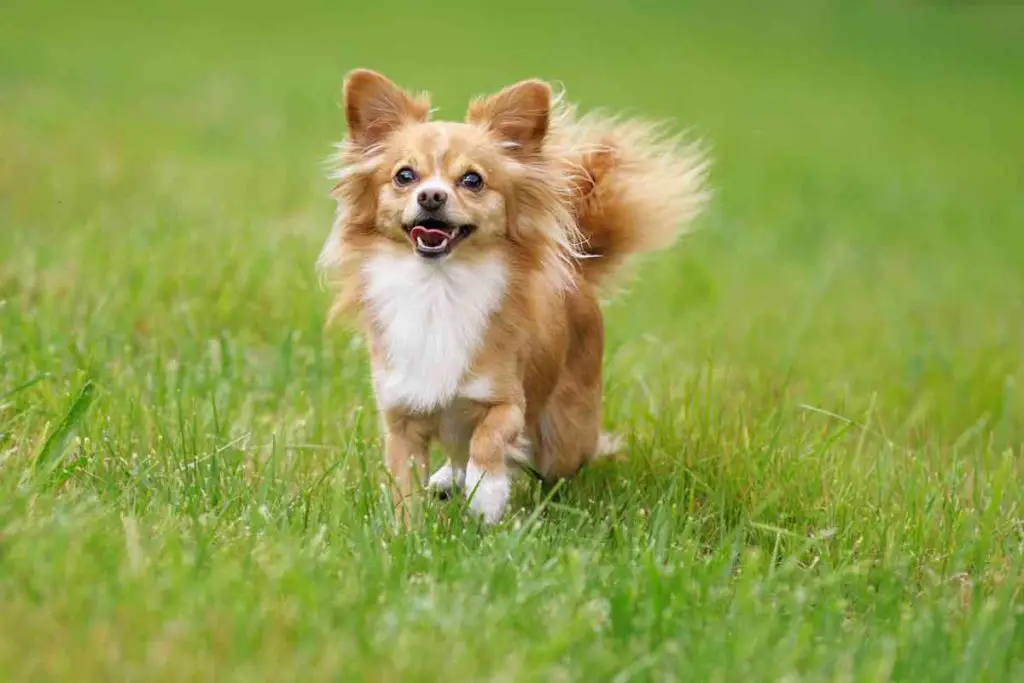
The Papipoo, also known as the Papi Doodle or Papidoodle, is an adorable and highly intelligent breed that has been gaining popularity as a family companion. This small-sized dog is a designer crossbreed originating from the United States, a mix between a Papillon and a Poodle. Both parent breeds are known for their royal histories, ensuring that their offspring inherit not only their good looks but also their charming personalities.

Read on to learn more about the Papipoo and what this breed has to offer!

Overview of the Papipoo

Origin and History

The Papipoo is a mixed breed dog resulting from the cross between the Papillon and the Poodle. This hybrid, sometimes referred to as a designer dog, originated to combine the best traits of both parent breeds. The Poodle is well-known for its intelligence and hypoallergenic coat, while the Papillon is admired for its affectionate and sociable nature.

Breed Characteristics

This delightful breed typically stands up to 11 inches tall and weighs between 6 and 14 pounds. As a small dog, the Papipoo exhibits a blend of characteristics from both the Papillon and the Poodle. These intelligent, lively, and friendly dogs are highly adaptable to different living environments, making them suitable for singles, families, seniors, and people living in apartments or houses. They are known for their loyal, affectionate temperament and their ability to get along well with other pets.

Appearance

The Papipoo's appearance can vary, depending on the traits inherited from their Poodle and Papillon parents. Their coat comes in various colors such as white, black, cream, red, sable, apricot, and gray. The Papipoo's coat can be curly and dense like a Poodle's, or straight and silky like a Papillon's. Their charming appearance and endearing personality make them an attractive choice for dog owners looking for a small, manageable companion.

View this post on Instagram

A post shared by Theo the Papipoo (@theo_the_papipoo)

Temperament and Behavior

Intelligence and Trainability

The Papipoo is a highly intelligent breed, inheriting traits from both the Papillon and the Poodle. This makes them relatively easy to train, responding well to positive reinforcement and consistency. Their eagerness to learn and mischievous nature make training sessions enjoyable for both the dog and its owner. However, it is essential to start training and socialization early to ensure they develop into well-rounded adult dogs.

Energy Level and Exercise Needs

Though the Papipoo may be small, it has a moderate energy level and requires regular exercise to stay happy and healthy. They are quite lively and playful, making them excellent companions for children and other pets. A daily walk and regular play sessions will help keep the Papipoo engaged, both mentally and physically. Ensure that their exercise needs are met to prevent boredom-related destructive behavior.

Socialization and Friendliness

Papipoos are affectionate, friendly, and gentle dogs, known for their devotion to their families. They typically get along well with other pets and are good with children. While they may not make the best watchdogs due to their small size and happy disposition, their strong bond with their owners means they will often alert their families to any unusual activity. Proper socialization from a young age will help ensure the Papipoo remains friendly and well-adjusted. Regular exposure to various people, environments, and animals will help build their confidence and ensure they maintain a balanced temperament.

Health and Lifespan

Common Health Issues

The Papipoo, being a mixed breed dog, may be prone to some health issues common in its parent breeds, the Papillon and Poodle. Some of the common health issues include, but are not limited to:

  • Hip Dysplasia: A genetic condition where the hip joint doesn't fit correctly, leading to arthritis and discomfort.
  • Patellar Luxation: A condition where the kneecap dislocates from its normal position, causing pain and hind leg lameness.
  • Hypothyroidism: A disorder of the thyroid gland resulting in low thyroid hormone production, leading to weight gain, lethargy, and coat issues.
  • Epilepsy: A neurological condition causing seizures of varying intensities.

Lifespan and Life Expectancy

The typical lifespan of a Papipoo ranges from 10-14 years. This is relatively long for a small dog breed, which can largely be attributed to the healthy genes of both parent breeds. To ensure a long and healthy life for your Papipoo, it's essential to provide proper care, nutrition, and regular veterinary checkups.

Genetic Health Concerns

Just like any other breed, Papipoos can be predisposed to some genetic health concerns passed down from their parent breeds. Some of these genetic health concerns may include:

  • Hypoglycemia: A condition where blood sugar levels drop too low, leading to weakness, tremors, and seizures. This is more common in smaller dog breeds and puppies.
  • Progressive Retinal Atrophy (PRA): A group of genetic eye disorders leading to the degeneration of the retina, progressive vision loss, and possible blindness.
  • Eye Diseases: Some of the mentioned issues here, such as PRA, and other eye-related health concerns, like cataracts, could be inherited from their parent breeds. Regular eye examinations are recommended to catch any potential problems early on.

To minimize the risk of these genetic health concerns, it's crucial to purchase your Papipoo from a reputable breeder who conducts health screenings on their breeding dogs. This can help ensure you are getting a healthy puppy and reduce the chances of your Papipoo inheriting these genetic issues.

View this post on Instagram

A post shared by Teddy the Papipoo (@teddy_the_papipoo)

Grooming and Maintenance

Coat Types and Colors

The Papipoo's coat can vary in texture, ranging from wavy to curly. This is due to the influence of its Poodle parent, which can have either a curly, corded, or wavy coat. One of the benefits of owning a Papipoo is their hypoallergenic coat, which consists of medium-length, soft, straight or wavy hair. They are considered low-shedding dogs, making them a suitable choice for people with allergies.

The coat color and type are determined by the genetics inherited from both the Papillon and Poodle parent breeds.

Grooming Requirements

Maintaining a Papipoo's coat is essential to keep it healthy and prevent matting. Grooming requirements include:

  • Brushing: Brushing the Papipoo's coat regularly—at least two to three times a week—helps prevent tangles and matting. A slicker brush or pin brush can be used for this purpose.
  • Trimming: Depending on the length and texture of the Papipoo's coat, professional grooming might be necessary every six to eight weeks. This will help maintain a neat appearance and prevent excessive matting.
  • Bathing: Bathing your Papipoo once a month or as needed is an essential part of maintaining its hygiene. Be sure to use a mild, dog-specific shampoo to avoid causing skin irritation.
  • Nail trimming: Regular nail trimming is crucial to prevent injury and ensure your Papipoo's comfort. Nails should be trimmed every four to six weeks, depending on the growth rate.
  • Ear cleaning: Papipoos' ears may be more susceptible to infections due to the Poodle parent's influence. Be sure to check and clean their ears regularly using a gentle dog ear cleaner.
  • Dental care: Brushing your Papipoo's teeth two to three times a week with dog-specific toothpaste is essential to prevent tartar buildup and maintain overall dental health.

Overall, the Papipoo grooming requirements are moderate, involving regular brushing and occasional professional grooming. By taking care of its coat, nails, ears, and teeth, you can ensure that your Papipoo remains happy, healthy, and well-groomed throughout its life.

Living with a Papipoo

View this post on Instagram

A post shared by Beth🦋 (@beth_papipoo)

Suitable Living Conditions

Papipoos are known for their adaptability and can thrive in various living situations. They are a suitable pet for families, singles, seniors, and people living in an apartment or a house. This mixed breed between a Papillon and Poodle is generally friendly with children and can get along with other pets, making them an ideal addition to any household. However, it's crucial to monitor them around young kids and ensure proper supervision.

Living in an apartment is not a problem for a Papipoo, as long as they get enough exercise and mental stimulation. Although they don't require an extensive yard, having access to a fenced yard or outdoor space is beneficial for some off-leash playtime.

Exercise and Activity Needs

These active dogs need regular exercise to maintain their physical and mental health. A daily walk or play session is necessary to keep them happy and healthy. As they are intelligent and lively, incorporating interactive games and puzzles into their routine can also be a great way to challenge their minds.

Papipoos can develop separation anxiety if they are left alone for extended periods. To prevent this, try organizing doggy daycare or have someone drop by to care for them when you're away from home.

Diet and Nutrition Requirements

Papipoos are small dogs, but their energetic nature requires a diet that meets their nutritional and caloric needs. Providing a high-quality dog food, specifically designed for small breeds, is essential to ensure they get a balanced diet. The exact amount of food to serve your Papipoo will depend on factors like age, height, and weight. It's best to consult your veterinarian to determine the appropriate feeding schedule.

In general, Papipoos are not prone to obesity, but portion control and regular exercise are critical to maintaining a healthy weight. Keep treats to a minimum and avoid feeding them table scraps to prevent weight gain and potential health issues.

Adopting a Papipoo

Finding a Papipoo Breeder or Shelter

To adopt a Papipoo, it is important to search for a reputable breeder or shelter. Papipoo breeders specialize in producing healthy, well-socialized puppies, while shelters might have rescued Papipoos in need of a loving home. Conduct thorough research, read reviews, seek recommendations, and visit the breeder or shelter in person to ensure the health and temperament of your future pet.

Papipoo Puppies and Adults

When deciding to adopt a Papipoo, consider whether you would prefer a puppy or an adult dog. Papipoo puppies are known for their adorable, floppy ears and playful spirit. However, they require more time, patience, and attention to ensure proper training and socialization. Take note of the following factors:

  • Age: Papipoo puppies are typically between 8-12 weeks old when ready for adoption. Adult dogs may range from a few years to senior age.
  • Size: Papipoos are small dogs, usually weighing between 6-14 pounds and standing up to 11 inches tall, making them suitable for apartment living.
  • Temperament: Papipoos are generally friendly, affectionate, and intelligent, traits inherited from their Papillon and Poodle parent breeds. They may be sensitive to their environment and require a well-balanced atmosphere.
  • Health: Ensure the Papipoo you want to adopt has received proper vaccinations and health checks. Inquire about any potential genetic predispositions or common health issues in the breed.
  • Adaptability: Whether you choose a puppy or adult, Papipoos adapt well to various living situations and are suitable for novice owners. However, they do have moderate energy levels and require regular exercise and mental stimulation.

Adopting a Papipoo requires research and thoughtful consideration to ensure a perfect fit for both the dog and the owner. By focusing on finding a reputable breeder or shelter and weighing the differences between puppies and adults, one can provide a loving home for these charming, intelligent dogs.

View this post on Instagram

A post shared by Oliver Teifort (@oliver.the.papipoo)

Adopt a Papipoo Today

With a lifespan of 10 to 14 years, the Papipoo has quickly become a beloved pet for people of all ages and households. Renowned for their loving and active nature, these dogs are not only fantastic companions but also great with children and other pets.

Despite its small size, the Papipoo has higher energy requirements than one might expect, requiring regular exercise and mental stimulation to keep them happy and healthy. These furry friends are cherished for their alert watchdog abilities and unwavering devotion to their family. The Papipoo's friendly disposition, combined with their intelligence and affectionate nature, makes them an ideal pet choice for many dog lovers.

For more information about other potential pets for your family? Check out our page on dog breeds!

Best Dog Beds for Chewers|Dogs Chewing Pillow|Cozy Dog Sleeping

Are you dealing with a destructive pup who loves to chew on everything? Whether your dog is an aggressive chewer or the occasional chewer, you’ll want to choose a sturdy, indestructible bed for the ultimate relaxation for your pup.

Finding a dog bed that holds up under rough treatment and obsessive chewers can be a challenge, but luckily we’ve got you covered with this comprehensive guide on the best dog beds for chewers.

Keep reading for our 5 best dog beds for chewers, including a guide on what factors you should consider while shopping.

Our Top Picks

Best Overall:
Big Barker Orthopedic Dog Bed for Chewers

Budget Option:
K&H Pet Products Cooling Dog Bed for Chewers

Best for Large Dogs:
Dogbed4less XL Orthopedic Memory Foam Dog Bed for Chewers

Best Overall

Big Barker Orthopedic Dog Bed for Chewers


Big Barker 7" Pillow Top Orthopedic Dog Bed - XL Size - 52 X 36 X 7 - Burgundy - For Large and Extra Large Breed Dogs (Headrest Edition)

The Big Barker Dog Bed for Chewers is designed with three layers: a comfort layer, a support stripe, and a bed base for the ultimate comfort for your pup. The fabric is designed to withstand a lot of digging, nesting, and chewing, so it’s great for young pups with high energy.

This dog bed for chewers was also used in a clinical study, in which dog owners reported that the bed resulted in reduced joint pain and stiffness, and improved joint function and gait in large dogs. This makes it a very good option for your larger breed chewers.

The orthopedic foam bed is very sturdy and can support the weight of very large dogs. It’s designed to provide perfectly distributed weight support for extreme comfort and durability for even the largest, most aggressive of chewers.

The company provides a 10-year “won’t flatten” promise, in which they will replace the product for free if it doesn’t retain at least 90% of its shape and support over the next 10 years.

Pros

  • The orthopedic foam should retain its shape for years to come.
  • Clinically proven to improve joint health and mobility.
  • Comes with a removable, machine-washable cover.

Cons

  • The bulky design takes up a lot of space.
  • A bit pricey.

Check Price

Best Budget Option

K&H Pet Products Cooling Dog Bed for Chewers


K&H Pet Products Cooling Elevated Dog Bed Outdoor Raised Dog Bed with Washable Breathable Mesh, Dog Cot Bed No-Slip Rubber Feet, Portable Dog Cot Indoor Outdoor Dog Bed, Large Gray/Black Mesh

The K&H cooling dog bed for chewers is an affordable raised dog bed that is designed for dogs of all sizes who can’t resist chewing and scratching at their beds. The taut mesh fabric is pulled so tight that it doesn’t leave any extra fabric for your chewer to gnaw on.

Take this dog bed along with you on any camping trips or when traveling with your chewer, with a collapsible frame that is very easy to assemble and disassemble.

With a breathable mesh center, this bed is fantastic for indoor and outdoor use. Since the bed is lifted, you won’t have to worry about your dog coming into contact with the cold ground. It also has a removable cover that is machine washable and can be hosed or washed off.

This feature is nice because it helps pets stay cool in the warm spring and summer months, by allowing air to circulate around your pet.

Featuring slip-resistant rubber feet, this dog bed provides protection for indoor flooring, with the water-resistant mesh center repelling moisture and odors. This bed is a great alternative to other types of dog beds that lay on the floor because the slip-resistant feet keep your chewer won’t be able to drag it across the floor.

The K&H dog bed requires no tools to assemble and features a lightweight metal frame and heavy denier cover that can hold up to 200 pounds.

Pros

  • Machine-washable, removable cover.
  • Great for indoor or outdoor use.
  • Easy to assemble and disassemble.

Cons

  • Reviewers report the product groans with the dog's movement as the product ages.
  • The plastic connectors on the metal rails are easily broken.

Check Price

Best for Large Dogs

Dogbed4less XL Orthopedic Memory Foam Dog Bed for Chewers


dogbed4less XL Orthopedic Waterproof Memory Foam Dog Bed with Durable Denim Cover for Large Dogs and Extra Pet Bed Cover, 47X29X4 Fits 48X30 Crate

This orthopedic memory foam dog bed for chewers by Dogbed4less is ideal for large dogs with a chewing tendency.

The medium-weight denim cover is durable and fits tightly enough across the mattress that there is no fabric for your chewer to sink their teeth into. Denim may not be totally indestructible for determined dogs, but it’s much sturdier than many other dog bed materials.

It comes with a cooling memory foam pad, a waterproof internal zipper cover, a denim external zipper cover, and a bonus microsuede cover, making this bed a durable and easy-to-clean choice for most chewers.

Offering 3.4 pounds of high-density solid memory foam, the comfort of this bed can be compared to high-end human therapeutic mattresses that promote deeper sleep and joint comfort. This bed is the closest your pup will get to having the same luxury-quality sleeping surface as their human.

This is a fantastic dog bed for breeds that struggle with hip and joint issues and also love to chew on everything they see. With a pad that is designed not to flatten over time, this dog bed for chewers is fantastic for your dog’s ultimate comfort.

As a result of such a comfortable sleeping space, your dog will enjoy reduced joint pain and improved health, mobility, and energy so they can run around and play to their heart's content.

Pros

  • Features a removable, machine-washable cover.
  • Comes with a backup suede cover.
  • Comfortable memory foam is great for older dogs' joints.

Cons

  • The internal liner is reported to make a crinkling or crackling sound as your dog moves around.
  • This bed is tough, but not entirely indestructible.

Check Price

Carhartt Firm Duck Dog Bed for Chewers


Carhartt Firm Duck Dog Bed Carhartt Brown, Large

The Carhartt Firm dog bed for chewers is made from the same durable duck canvas material that’s used to make their famous jackets for humans.

This dog bed is nearly indestructible, with an exterior shell that is 12 ounces of firm hand cotton duck canvas for extra durability and water-repellency. It can withstand many years of chewing and wet paws digging since it’s moisture-repellent.

The ease of cleaning is an added bonus for this dog bed for chewers, with a machine-washable shell that can be washed or hosed off with very little effort.

The duck canvas shell of this dog bed features a fully removable polyester fiber-filled cushion with an extra wide zipper that is concealed under a zipper flap to keep your pup from chewing on it.

Even the most aggressive chewers will have a hard time chewing through the dense fabric of this dog bed made by a brand well-known for its toughness and durability.

Pros

  • Has a removable machine-washable cover.
  • Made from durable canvas material.
  • The water-repellent coating on this bed makes it suitable for outdoor use.

Cons

  • Since both sides are made of canvas, this bed may slide around a bit on hard floors.
  • It doesn’t maintain its fluffiness, according to reviewers.

Check Price

K9 Ballistics Chew-Proof Dog Bed for Chewers


K9 Ballistics Chew Proof Armored Elevated Padded Dog Crate Bed Dog Bed, Chew Resistant Indestructible Dog Cot, Large, Medium, Small Sizes for Dogs Who Chew Their Beds Obsidian Black

The K9 Ballistics chew-proof dog bed for chewers is engineered with tough, high-performance K9 Ballistic Rip-Stop fabric and a chew-proof armored frame.

This dog bed’s Rip-Stop fabric is designed to be even stronger than Kevlar, so it can definitely hold up to even the most aggressive of chewers.

The 100% aluminum frame covers all fabric edges, preventing your dog’s teeth from accessing the fabric corners and edges.

This bed is perfect for indoor and outdoor use since it resists chewing, biting, scratching, dirt, and moisture because of its densely woven material. This also means it’s a breeze to clean! Just wipe the bed down with a damp cloth for a spot cleaning, or take it outside and hose it down with the water hose for a deeper, but convenient, cleaning.

If your pooch prefers to sleep in their crate, they’re in luck! This dog bed is designed to fit most standard-size folding crates. It even has a waterproof membrane inside that prevents any moisture from seeping through to the floor.

Pros

  • Resistant to water, fur, and dirt.
  • Has a removable, machine-washable cover.
  • Engineered with Rip-Stop fabric.

Cons

  • This dog bed isn’t as comfortable as some of the other options on this list.
  • An elevated bed may not be ideal for some dogs.

Check Price

How to Choose the Best Dog Bed for Chewers

Whether your dog is an occasional chewer or a constant chewer, you need a dog bed that can withstand some serious wear and tear.

There are a few things you’ll want to consider when you’re looking for the best dog bed for your chewer.

Chew-Proof VS Chew-Resistant

While these two categories may seem to go hand in hand, there is a significant difference between a chew-proof dog bed and a chew-resistant one.

A chew-proof dog bed is the most durable type of dog bed you’ll find. They are designed especially for aggressive chewers and are sturdy enough to stand up to the roughest play. These beds are about as close to an indestructible dog bed as you’ll find on the market.

Dogs Chewing Pillow

Chew-proof beds are generally made of metal frames and a heavy-duty lining to keep your pooch from destroying their bed.

On the other hand, chew-resistant dog beds aren’t quite as strong as chew-proof beds, but they are designed with your pooch's comfort in mind.

These beds usually have some fluffy stuffing to make your pup comfortable but are still made with materials that discourage chewing. These materials range from finished seams and hidden edges to more durable fabric than regular dog beds.

Safety

A sturdy dog bed that can withstand insane chewing should still be made from materials that are safe for dogs. Even if you choose a bed that is labeled as chew-proof or chew-resistant, make sure you pay extra attention to things like zippers, buttons, or plastic pieces that may end up in your dog's mouth.

Size

It’s important to make sure the bed is the appropriate size for your dog, since a bed that is too small may encourage chewing as your dog attempts to find a comfortable position. On the other hand, a dog bed that is too large may not provide your dog with the sense of security they desire.

Measure the length of your dog's body from the tip of its nose to the end of its tail to give you an idea of what size bed your dog needs.

Your dog's weight should also be considered when you’re looking for the best dog bed for chewers. You’ll want to consider the weight limit of the bed and if the bed provides enough support while lying down so to avoid putting unnecessary pressure on your pup's joints.

Comfort/Material

Dog beds for chewers should be made out of durable, high-quality materials that are a challenge for the roughest dogs to rip apart. Although you’re searching for something extremely durable, it must still be comfortable or your dog simply won’t sleep on it.

Cozy Dog Sleeping

The following are the most common materials used for chew-proof and chew-resistant dog beds.

Ballistic Nylon

Ballistic nylon is the strongest material for a chew-proof dog bed. Dogs typically don’t enjoy chewing on nylon because it’s a slippery surface, but even dogs that will chew on nylon will find this material difficult to destroy.

Canvas

As with ballistic nylon, most dogs don’t like chewing on canvas material. Though canvas material isn’t quite as strong as nylon, it’s still durable enough that your dog shouldn’t be able to chew through it.

Denim

Denim is a very durable material, even for aggressive chewers. It’s the weakest of the three materials used to make dog beds, but it’s still more durable than the cloth on standard dog beds.

Ease of Cleaning

Your dog’s bed is bound to get dirty. There’s no way around it. That’s why the best dog bed for chewers will be easy to clean, whether you can stick it in your washing machine for a quick cycle or it’s easy to hose down or wipe clean.

Wrapping up the 5 Best Dog Beds for Chewers

Whether you have a high-energy puppy focused on destroying its most comfortable spot, or an aggressive chewer who can destroy even the sturdiest of beds, we’ve got you covered with our 5 best dog beds for chewers.Are you looking for more relatable content about man’s best friend? Check out our essential dog grooming tips for a happy and healthy pet.

These Dogs Need an Indestructible Dog Bed|Dog Bed|Chewable Toys|Dog Bed Frame

A dog’s teeth and claws are essential for eating, playing, hunting, digging, running, and scratching themselves. Unfortunately, some otherwise good boys and girls like to use them to bite or shred their dog beds to pieces. One way to resolve this problem is to get them a bed built to withstand such rough behavior.

If you think an indestructible dog bed will help your friend, allow us to tell you the best ones to consider!

Our Top Picks

Best Overall
K9 Ballistics Tough Dog Bed

Budget Option
DIY Pet Bed Pillow Canvas Cover

Best Splurge
K9 Ballistics Tough Rectangle Pillow XXL

Best Overall

K9 Ballistics Tough Dog Bed


K9 Ballistics Tough Dog Crate Pad - Washable, Durable and Water Resistant XL Dog Crate Beds - X-Large Dog Crate Mat, 47"x28.5", Blue Quartz

Made from a ripstop fabric created by the company itself, the K9 Ballistics Tough Bed is the quintessential indestructible dog bed. While the cover is strong enough to endure chewing and clawing without tearing, the interior includes a metal frame for additional strength. It’s also stuffed with fiberfill to keep the bed fluffy and cozy. The manufacturer is so confident in the fabric’s durability that the bed comes with a 120-day warranty.

As a bonus, the bed can fit inside crates; it even includes ties with which to attach the bed. If your furry friend gets especially nervous and destructive in enclosed spaces and/or while being transported, this bed will resist their teeth and claws to help them stay comfortable anyway.

The fabric is also water-resistant, which is good news if your dog slobbers a lot or has bladder problems, and also if you like taking them on outdoor adventures. Plus, the bed is fairly flat and easy to pack. Your friend can come anywhere with you!

Pros

  • Innovative chew-proof and water-resistant fabric
  • Stuffed with metal frame and fiberfill
  • Doubles as a crate pad
  • Easy to pack
  • Available in a few different colors
  • Comes with 120-day warranty

Cons

  • A little pricey
  • May not be thick enough for big dogs

Check Price

Best Budget-Friendly Option

DogBed4Less DIY Pet Bed Pillow Canvas Cover


DIY Pet Bed Pillow Canvas Cover + Waterproof Internal case for Dog/Cat at Medium 36"X29" Olive Green Color - Covers only

To save money, the easiest thing to do would be to recycle or repurpose a pillow you already own. In that case, try the DIY indestructible dog bed cover from DogBed4Less. It’s fashioned from canvas, a material renowned for its sturdiness, and a waterproof interior liner. All you have to do is insert an old queen-sized pillow or two twin-sized ones into the canvas and close the waterproof zipper.

Since the whole cover repels water and resists all kinds of damage, this is another dog bed that could let your friend accompany you on trips. If the fabric gets wet or dirty, just take the pillow(s) out and toss the cover into the laundry. There’s reinforced stitching to ensure the fabric doesn’t unravel easily.

Even with its toughness, the canvas is still soft, so your dog can still be pampered while resting. It’s a very small price to pay for a happy friend!

Pros

  • Made from soft, waterproof, and chew-resistant canvas
  • Available in lots of colors
  • Easy to wash
  • Very inexpensive

Cons

  • Requires that you already have a pillow you want to recycle or repurpose
  • Inner layer takes a long time to dry after washing

Check Price

Best Splurge

K9 Ballistics Tough Rectangle Pillow XXL


K9 Ballistics Tough Rectangle Pillow XXL Extra Large Dog Bed - Washable, Durable and Water Resistant Dog Bed - Made for Big Dogs, 40"x68", Black

Your dog deserves the best, so if you can afford to splurge, check out the K9 Ballistics Tough Rectangle pillow. It comes with a luxurious foam mattress encased in a metal frame, along with a waterproof and chew-resistant cover made from the company’s own unique ripstop fabric.

Although this pillow comes in other sizes at lower prices, the XXL offers a great value for its benefits, since it will fit all kinds of dogs. In fact, if you have more than one furry friend, perhaps it could accommodate all of them at once!

The cover can be removed for washing when necessary, but it’s so effective at repelling dirt and grime that you may only need to wipe it off with a washcloth or paper towel. Also, don’t worry if your dog has trouble sitting still or tends to jump up from a relaxed position; the cover is enhanced with an anti-slip material to help it stay put.

Pros

  • Innovative chew-proof and water-resistant fabric
  • Includes frame and foam mattress
  • Easy to wash
  • Available in several colors
  • Comes with 120-day warranty

Cons

  • Expensive
  • The material is loud when moved around

Check Price

Best for Versatility

Petique Bedside Lounge

Considering all the situations in which your dog may need to rest, you may prefer an indestructible dog bed that is also versatile. The Petique Bedside Lounge could be just what you need. This bed is suitable for almost anything.

Taking your dog outside the house? The bed has wheels and a zippable interior to help with transportation, and it’s elevated to allow for airflow, preventing your friend from overheating in the sun. Do you want to keep your dog from wandering around at night? The interior is great at preventing that while keeping your friend comfy.

Does your dog love co-sleeping even though you don’t like sharing your bed? The top part of this dog bed acts as an extension to your own. Do you have more than one dog that wants to relax at the same time? One dog can curl up inside and the other can lay on top.

Even with all these special features, the manufacturers strengthened the bed against teeth and claws with a chew-resistant cover. You can also remove and wash the cover as needed.

Pros

  • Chew-resistant cover
  • Easy to wash
  • Wheels and zippable interior simplify transport
  • Elevation allows airflow
  • Has space for more than one dog
  • Can be an extension for your bed

Cons

  • May only fit small or medium-small dogs and puppies
  • Hard for a dog to get to the top without steps or assistance
  • Not many style variants
  • Can be expensive

Check Price

Best for Senior or Arthritic Dogs

PetFusion Ultimate Lounge Memory Foam Bed

Like humans, dogs tend to develop bone, joint, and muscle problems as they age. Arthritis and hip dysplasia are particularly common diseases for dogs. If your friend is dealing with any of these issues but hasn’t given up their habit of ripping fabric with their claws and teeth, consider an indestructible dog bed like the PetFusion Ultimate Lounge, equipped with a memory foam mattress.

The memory foam is designed to conform to your dog’s body and preferred rest positions, optimizing their well-being and recovery. It’s also topped with a rounded pillow around the rim, stuffed with recycled polyfill to give your friend a nice place to rest their head or snuggle against something comforting.

Although the chew-resistant fabric is helpful enough, it’s also removable and reinforced with a waterproof liner to facilitate easy cleanup. This is especially important, since poor bladder control is a common symptom or side effect of many geriatric canine medical conditions. With a bed like this, your friend can better handle both age and illness.

Pros

  • Chew- and water-resistant cover
  • Easy to wash
  • Includes memory foam mattress
  • Lined with rounded pillow for better rest
  • Big enough for dogs of all sizes

Cons

  • Only available in a couple colors
  • May be difficult or inconvenient to assemble, disassemble, and/or reassemble as needed
  • Somewhat pricey

Check Price

Best for Outdoor Use

Bedsure Elevated Cooling Outdoor Dog Bed


Bedsure Large Elevated Cooling Outdoor Dog Bed - Raised Dog Cots Beds for Large Dogs, Portable Indoor & Outdoor Pet Hammock Bed with Skid-Resistant Feet, Frame with Breathable Mesh, Brown, 49 inches

There’s nothing like hanging out in nice, warm weather with your furry friend. However, even the great outdoors may not be enough to distract them from biting and tearing their bed. You need an indestructible dog bed that also keeps them cool and content in the sun.

Why not try the Bedsure Elevated Cooling Outdoor Dog Bed? With a metal frame and strong, breathable mesh fabric, the bed is essentially a cot that gives plenty of room for cool air to flow.

Pros

  • Made with a metal frame and breathable, chew-resistant mesh
  • Elevated 8” above the ground
  • Easy to clean
  • Available in several sizes
  • Priced affordably

Cons

  • Slides around on hard floors, so not great for indoor use
  • May be difficult to assemble

Check Price

Best for Car Travel

Precious Tails Seat Belt Compatible Travel Bolster

Most dogs get either excited or nervous while in the car. Either way, it’s challenging to keep them safe while they deal with their feelings. Cue the Precious Tails travel bolster.

Shaped like a tiny enclosed sofa, this indestructible dog bed is almost like a booster for dogs. It’s built with a leash strap and two-point safety system so that you can use a seat belt to fasten it against your car’s seat, increasing your friend’s safety. The interior consists of lush fiberfill, encouraging them to relax comfortably while you drive.

Thanks to the treated polyester fabric, it’s also resistant to damage from teeth, claws, liquids, and odors, so no need to worry if your friend has an accident or can’t control their anxiety. If it gets dirty, just wipe it off with a clean cloth. Every car trip is more pleasant with this dog bed!

Pros

  • Seat belt compatibility makes it safe for traveling in a car
  • Polyester fabric is resistant to damage from teeth, claws, liquid, and odor
  • Fiberfill makes the bed plush and cozy
  • Available in a few different colors
  • Modestly priced for what it is
  • Eco-friendly construction

Cons

  • May fall apart if you put it in a washer
  • The seat belt may not hold the bed adequately in a severe car crash

Check Price

Buyer's Guide for Indestructible Dog Beds

As you begin shopping for indestructible dog beds, you should have all the information possible to help you make the right choice for your friend. Here are the features you should prioritize most.

Strong Cover

The key to a great indestructible dog bed is the cover material. Canvas is dependable for that, but there are also lots of covers made from ballistic nylon, kevlar, polyester, and even cotton. As long as they’re treated or woven to be stronger than the average fabric, they can make excellent dog beds.

Frames

For extra protection, many dog beds include metal frames inside the covers. Even the most persistently destructive dogs usually meet their match with metal! Aluminum and steel are typically tough enough.

Dog Bed Frame

Filling

Of course, since your dog still needs and deserves comfort, the best indestructible dog beds make sure that there is a luxurious mattress or plenty of fluffy filling, like polyfill or fiberfill.

Frequently Asked Questions About Indestructible Dog Beds

What is the difference between indestructible dog beds and other types?

Most regular dog beds are fashioned from materials like vinyl, cotton, denim, or faux leather. Fancy ones may even have corduroy, moleskin, or velvet. If your dog doesn’t bite, chew, dig, or scratch more than average, then you could get one of those beds without worrying that they’ll destroy it quickly.

By contrast, indestructible beds are targeted toward dogs that are more given to putting their teeth and claws into everything that they possibly can. These beds are made from materials that dogs have more difficulty ripping or chewing, like those described above. Though often soft and cushy, they’re usually tougher and more rigid so that they can withstand rough treatment.

How can you discourage your dog from destroying their bed?

Despite a manufacturer’s best efforts, no dog bed is truly indestructible. Any dog with enough determination can chew or claw any bed to ruin, often hurting themselves in the process.

To discourage this behavior, we’d recommend the following:

Provide Chewable Toys

Whether your friend is a teething puppy or simply loves having something to gnaw, chewable toys could be all the satisfaction that they need. Find toys that are made to endure biting. Some may even have appealing scents, flavors, or sounds that your dog will love much more than the fabric of a dog bed.

Chewable Toys

Tire Them Out

A dog that gets plenty of exercise will be too tired to see how quickly they can ruin an indestructible dog bed. Make sure to take them out for plenty of walks throughout the day. If you have a yard, let them run around as much as possible.

Train Consistently

Anytime your dog uses their teeth or claws when they shouldn’t, discipline them right away so that they can associate the behavior with something undesirable. The best techniques are often simple–taking toys away, putting them in a kennel for timeout, and refusing to give them attention. Also, give them contrast by rewarding good behavior with toys, treats, and pets.

Dog Bed

Get Professional Help

If you’re still having trouble, make an appointment to see an animal behaviorist. They may be able to pinpoint the cause of your dog’s problem and provide training or advice to overcome it.

Try Out an Indestructible Dog Bed!

An indestructible dog bed will surely make a difference in both your own quality of life and that of your furry friend! If you’d like more advice on how to break your dog of their bad habits, we have some gems to offer, like the best treats to use for training. No matter how much work or how many beds it takes, we’re sure you agree that your friend is worth it!

Akita Pit Dog

The Akita Pit is a unique mixed breed dog that comes from the combination of two powerful and well-known breeds, the Akita Inu and the American Pit Bull Terrier. This fascinating crossbreed often inherits the best traits from both its parent breeds, resulting in an energetic and loyal companion. Steeped in the ancient histories of its parent breeds, the Akita Pit can make an excellent protector or loving, playful family member.

These dogs possess an array of distinct physical characteristics, with a variety of coat colors including cream, fawn, brown, black, blue, and brindle. Akita Pits are not only spirited animals but also enthusiastic dogs that thrive when they are able to please and spend time with their human companions. With proper socialization, exercise, and training, the Akita Pit can be a well-mannered and adaptable companion in various living situations.

Key Takeaways

  • The Akita Pit is a mixed breed dog combining traits from the Akita Inu and the American Pit Bull Terrier.
  • These energetic dogs exhibit various coat colors and have a strong desire to please their human companions.
  • With proper care, exercise, and training, the Akita Pit makes a loving, protective, and adaptable family member.

History and Origin

The Akita Pit is a mixed breed dog created by breeding an American Pit Bull Terrier and an Akita Inu. This hybrid dog combines the traits and characteristics of its parent breeds, resulting in a powerful, loyal, and intelligent companion.

The Akita Inu hails from the snowy and rural lands of Odate, Akita Prefecture, a wild and mountainous region in northern Japan. Dating back to the 1600s, Akitas were initially trained for hunting and participated in dog fighting during this time. Their primary role involved tracking and hunting animals like elk, wild boar, and Ussuri brown bears.

On the other hand, the Pit Bull breed, known as the American Pit Bull Terrier, can trace its history back to the early 19th century in America. Their lineage includes a mix of Old English Bulldogs and terriers, resulting in a strong, agile, and tenacious breed. These dogs were typically used for blood sports such as bull-baiting and dog fighting. Eventually, these sports were banned, and the Pit Bull's role transitioned into that of a faithful companion and working dog.

Despite the controversy surrounding the Pit Bull breed, the Akita Pit has been gaining attention for its strength, loyalty, and resilience. Blending the traits of both parent breeds, the Akita Pit has potential as a working dog and can excel in various tasks, such as guarding and police work. Additionally, they can be excellent family companions, thanks to their protective nature and strong bond with their human family.

Appearance

Size and Weight

The Akita Pit is a medium to large-sized dog with a muscular build. These dogs stand at a height of 16 to 22 inches tall and have a weight range of 30 to 66 pounds. Both male and female Akita Pits can differ slightly in size, with males typically being on the larger end of the scale.

Coat and Colors

The coat of an Akita Pit is short and dense, providing them with good protection against the elements. Their coats come in a variety of colors, such as:

  • Cream
  • Fawn
  • Brown
  • Black
  • Blue
  • Brindle

These colors can be solid or mixed, creating a visually appealing appearance. It's important to note that the Akita Pit has a high shedding level and may require regular grooming to maintain a healthy coat.

Ears and Tail

Akita Pits inherit distinct features from their Akita and American Pit Bull Terrier parents. They have erect, pointed ears that tend to be small in relation to their head size. Their large, curved tails are carried over the back or curled against the flank, giving them a majestic appearance.

Temperament and Personality

The Akita Pit dog, a mix between the Akita Inu and the American Pit Bull Terrier, is known for its unique blend of temperament and personality traits. These dogs inherit several characteristics from both parent breeds, making them a distinctive and fascinating companion.

Loyalty and protectiveness are two key traits of the Akita Pit breed. These dogs have a strong bond with their family members, who they regard as their "pack." Their devotion often leads them to exhibit protective behavior, ensuring the safety of their loved ones. This quality makes them excellent guard dogs, though proper socialization from a young age is important to prevent any overprotective tendencies.

In terms of their personality, Akita Pits are also friendly and affectionate. While some may view their Pit Bull heritage with skepticism due to misconceptions about aggression, Akita Pit dogs are known to be gentle and loving towards their family. They enjoy spending time with their humans, including children, making them a good choice for families.

On the other hand, Akita Pits can be stubborn and independent at times. They have a strong-willed nature which can make training a bit challenging, particularly for first-time dog owners. Consistency, patience, and positive reinforcement methods are essential to overcoming their stubborn streak and effectively training an Akita Pit.

In addition to their loyalty and protectiveness, the Akita Pit's temperament includes a sense of calm and reserve. These dogs are not overly energetic or constantly seeking attention, which can be appealing to some owners. However, this independence must be balanced with proper socialization and interaction to ensure that they remain well-adjusted and amicable dogs.

Socialization and Training

Obedience Training

Training an Akita Pit dog requires consistency, patience, and a firm yet gentle approach. Since they possess a strong-willed and independent nature, it is essential to start obedience training at an early age. This will help establish a bond between the owner and the dog, as well as set boundaries for expected behavior.

Some effective training methods for Akita Pits include positive reinforcement, such as praise and treats when they follow commands, and redirecting their attention when they display undesirable behavior. Keep training sessions short and engaging to maintain your dog's interest and avoid frustration.

Interaction with Children and Other Animals

Akita Pit dogs can be excellent family pets when properly socialized. Early exposure to different people, pets, environments, and various stimuli will help your Akita Pit become more comfortable and confident in different situations, and reduce the likelihood of aggression or fear-related issues. They can get along well with children when introduced appropriately, but it is still essential to supervise interactions and train both children and dogs to interact respectfully and safely.

Introducing Akita Pits to other animals requires patience and a gradual approach. Start with controlled meetings on neutral ground, such as a walk in the park. Keep both dogs on a leash and allow them to observe and sniff each other from a distance. Gradually, reduce the gap between them, and as they develop a positive association, allow off-leash interactions in a secure environment, such as a fenced-in yard. Ensure that each pet has its own space and resources, such as food and beds, to avoid conflicts.

Socializing Akita Pit dogs with other pets is achievable. However, it is best to introduce them slowly and calmly, as early as possible, to help build positive relationships. Remember to be patient and consistent throughout the process, and seek advice from professionals if you encounter challenges during your dog's socialization and training journey.

Exercise and Energy Level

The Akita is a large and energetic breed, usually weighing between 70 and 130 pounds. They require a good amount of exercise to maintain their physical health and to prevent boredom. An adult Akita should ideally be given at least a thirty to forty-five-minute exercise session twice per day. This could mean a fast-paced walk, jog, or play session that gets your dog moving and exerting itself. The exact intensity of each exercise session should depend on your dog's age and overall health.

Long walks are a great way to provide both mental and physical stimulation for an Akita. During these walks, your Akita will have the opportunity to explore its surroundings, socialize with other dogs, and burn off energy. Be sure to keep your Akita on-leash to prevent any potential issues, as they can be strong-willed and sometimes aloof with other dogs.

In addition to long walks, you can incorporate more action-oriented exercises into your Akita's routine. These may include activities like hiking, running, or playing fetch. Providing your Akita with tasks requiring both physical and mental effort will help keep them engaged and satisfied. Agility training, tracking exercises, or even pulling a cart can be fun and rewarding challenges for them. Remember to always consider your Akita's age, health, and energy level when introducing new activities and setting the pace for exertion.

To maintain your Akita's overall health and happiness, it's crucial to offer consistent exercise opportunities. Combining a variety of physical challenges, including long walks, action-oriented games, and mental stimulation, will help ensure your Akita remains content and well-adjusted. By addressing your Akita's inherent energy and need for activity, you can establish a fulfilling exercise routine that benefits both you and your dog.

Health Issues and Lifespan

Common Health Problems

The Akita Pit is a mixed breed dog created by breeding an American Pit Bull Terrier and an Akita Inu. This breed has a lifespan of approximately 10-12 years. Despite being a relatively healthy breed, the Akita Pit can be prone to some common health issues, including:

  • Hip Dysplasia: A genetic condition where the hip joint does not fit properly, potentially leading to arthritis or joint damage.
  • Progressive Retinal Atrophy (PRA): A group of genetic eye disorders that cause gradual vision loss due to the degeneration of the retina.
  • Bloat: A life-threatening condition where the stomach fills with gas and twists on itself, causing blockage and harming the blood supply.
  • Hypothyroidism: An endocrine disorder resulting from insufficient production of thyroid hormones by the thyroid gland.
  • Heart Disease: Congenital or acquired heart problems that can affect the proper functioning of the heart. Some terrier breeds are prone to heart disease.
  • Cataracts: The clouding of the lens in the eye, which can lead to vision impairment.
  • Sebaceous Adenitis: A skin condition causing inflammation of the sebaceous glands, which can result in hair loss and skin issues.

Preventive Measures

To maintain the overall health and well-being of your Akita Pit, it's crucial to take preventive measures. These include:

  • Regular Vet Check-ups: Schedule annual veterinarian appointments to monitor your dog's health and detect any issues before they progress.
  • Vaccinations: Keep your Akita Pit up-to-date on vaccinations to prevent common diseases.
  • Hip & Elbow Examinations: Since hip dysplasia is a concern for this breed, ensure they undergo regular hip and elbow evaluations to detect any joint abnormalities.
  • Eye Examinations: Due to the risk of PRA and cataracts, have your dog's eyes checked annually to catch any potential vision problems early on.
  • Proper Diet & Exercise: Feed your Akita Pit a balanced diet and provide regular exercise to support their overall health and avoid obesity, which can exacerbate certain health conditions.
  • Grooming & Skin Care: Regular grooming, including brushing the coat and inspection of the skin, helps identify and address any skin issues before they become severe.

Grooming and Maintenance

Caring for your Akita Pit's coat is an essential aspect of their overall health and well-being. Akitas have a double coat that requires regular brushing to keep it clean and prevent excessive shedding. The same goes for the Akita Pit mix, which often inherits this coat type.

Begin by brushing your Akita Pit's coat at least once a week. This will help remove dead hair from the undercoat and prevent matting. Use a pin brush or rake, brushing in the direction of hair growth, starting at the shoulders and working your way down to the legs. Wetting the coat with mist from a spray bottle before brushing can help ease the process.

Bathing your Akita Pit should occur every 4 to 6 weeks, depending on their level of activity and dirt exposure. Use a mild dog shampoo and follow the manufacturer's instructions. It is crucial to rinse the coat thoroughly to avoid any irritation or skin issues.

When it's time for a bath, make sure you choose a safe, well-lit area to groom your dog. Establishing a consistent bathing spot and routine will help make your Akita Pit feel more comfortable and less anxious during grooming.

Use appropriate grooming tools and materials, such as a pin brush or rake, mild dog shampoo, and a spray bottle. Using the right tools will make the process easier for both you and your Akita Pit, while ensuring the most effective grooming routine.

Keep an eye on your Akita Pit's nails and trim them as needed. Loud clicking sounds when they walk or difficulty in walking may signal it's time for a trim. Use a nail clipper specifically designed for dogs and be cautious not to cut the quick, which can cause pain and bleeding.

By regularly grooming your Akita Pit - including brushing, bathing, and nail trimming - you will maintain their coat's health, minimize shedding, and ensure their overall well-being. A well-groomed Akita Pit is a happy, healthy dog.

Adoption and Cost

The Akita Pit dog is a unique crossbreed between the Akita Inu and the American Pit Bull Terrier. Both of these breeds have a history of being intelligent, loyal, and strong. When looking to adopt an Akita Pit, it's important to understand the process and costs involved.

If you're considering adopting an Akita Pit, one option is to check with local rescue organizations. Many shelters have Akita Pits available for adoption and can provide information about their background, temperament, and health. Also, there are specialized dog rescue organizations that focus on the Akita Inu and American Pit Bull Terrier breeds. Websites like Adoptapet.com and PuppyFinder.com list Akita dogs available for adoption across the USA, including the Akita Pit mix.

The cost of adopting an Akita Pit dog can vary, largely depending on whether you choose to adopt from a reputable breeder or a rescue organization. It is critical to choose a breeder who follows ethical breeding practices and has a good understanding of the parent breeds, their temperament, and health concerns. The cost of an Akita Pit puppy from a reputable breeder typically ranges from $600 to $2,000, with an average cost of $1,000. The price may change based on factors like the dog's lineage, the breeder's reputation, and your location.

When adopting from a rescue organization, the cost can be significantly lower, usually covering the expenses of vaccinations, veterinary check-ups, and neuter/spay procedures. Bear in mind that adopting from a rescue often means adopting an adult dog, which can have some advantages like being already trained and socialized.

Akita Pit dogs are medium-to-large-sized breeds, and their monthly cost of maintenance could come to around $200, including food, grooming, and routine veterinary care. The first-year costs tend to be higher due to the initial expenses of vaccinations, neutering or spaying, and acquiring essential supplies.

Living with an Akita Pit

The Akita Pit is a mixed breed dog that combines the characteristics of the Akita and the Pit Bull. As companions, these medium-sized dogs are known for their protective nature and strong family bonds, making them a great addition to households with children and other animals. However, it is essential to provide proper training and socialization to ensure harmonious relationships among your pets.

These dogs are highly intelligent and respond well to motivational training techniques rather than forceful methods. Consistent and positive reinforcement will help them become well-behaved family members, while engaging in regular physical and mental stimulation can prevent boredom and destructive behavior. Providing treats and toys will be beneficial for their overall happiness and can help to prevent excessive barking when they are left alone.

Akita Pits are adaptive and can thrive in different living environments, from urban apartments to larger suburban homes. However, they do require a moderate to high level of daily exercise to maintain their health and energy levels. Engaging in activities like walks, runs, or playing fetch can help to keep them physically fit and mentally satisfied.

Due to their protective nature, Akita Pits may be cautious or aloof towards strangers. Early socialization is crucial in helping them become more comfortable with unfamiliar people and other animals. This trait can make them excellent guardians for their family but also means that careful introduction to new pets or friends is crucial to avoid any potential aggression.

Frequently Asked Questions

What is the temperament of an Akita Pit mix?

An Akita Pit mix, a cross between the Akita and American Pit Bull Terrier, generally has a loyal and affectionate temperament. These dogs tend to be protective of their families, making them excellent guard dogs. While they are friendly with people they know, they can be wary of strangers, so socialization from a young age is crucial.

How do I care for an Akita Pitbull mix?

Caring for an Akita Pitbull mix involves a balanced diet, regular grooming, and consistent training. Their coat may require weekly brushing to reduce shedding. Dental care is essential, so consider brushing their teeth or using dental chews. Maintain a consistent training routine to establish good behavior and manners in your dog. Socialization is also an important aspect of caring for your Akita Pitbull mix.

Are Akita Pit mixes good with children?

Akita Pit mixes can be good with children, especially if they have been raised and socialized with them from a young age. However, due to their protective nature, it is essential to supervise interactions between your dog and young children. Teach your children how to interact with the dog appropriately and always ensure that both the dog and child feel comfortable in each other's presence.

What health issues are common in Akita Pit dogs?

Some common health issues in Akita Pit dogs can include hip dysplasia, hypothyroidism, and allergies. Regular vet check-ups and a proper diet can help manage these issues. It's essential to keep an eye on your dog's health and consult with a veterinarian if you notice any concerning symptoms.

How much exercise does an Akita Pit mix require?

Akita Pit mixes are moderately active dogs and require daily physical exercise to keep them healthy and happy. At least one hour of exercise per day, such as walks, playtime, or going to dog parks, is beneficial for their physical and mental health. Regular exercise also helps with maintaining a healthy weight, reducing the risk of health problems.

What is the average size of an Akita Pitbull mix?

The average size of an Akita Pitbull mix ranges between 30 to 59 pounds in weight and 16 to 22 inches in height. This hybrid dog can vary in size, but they typically have a muscular build, reflecting the characteristics of both their Akita and American Pit Bull Terrier parents.

Sweet morkie puppy

The Morkie dog is a mixed breed that combines the two pure breeds of the Maltese and Yorkshire Terriers. They are small-sized dogs that can be a lot of fun, but the Morkie temperament is renowned. Like any domesticated animal, the Morkie and their Morkie temperament can be tamed and loved. You just need to know what is going on with your Morkie, and how to understand what they are trying to communicate to you. Here, you will learn all about the Morkie temperament, what to expect, and more.

The Morkie Temperament

The Morkie is considered a designer breed, as it combines the two high-end breeds of the Maltese and Yorkshire Terrier. This is an adorable puppy that becomes an enchanting adult, and one you will never stop loving. The Morkie temperament on the other hand can get noisy, but overall, this is a temperament that you can train or adapt to easily. The Morkie temperament is one that is very yappy with barking, and this often stems from anxiety or aggression.

You can train any dog that comes into your family if you take the time and effort to do so. The Morkie doesn’t need to be trained. Socialization is key to handling the anxiety and aggression that some Morkies can have. When you understand why your Morkie is having some negative behaviors, you will come to expect what they would respond to, and it will be easier to help them get through it or remove that stimuli.

Overall, Morkies are friendly with most people, hesitant around other animals, and have a side of them that loves to cuddle and be affectionate, even if they don’t stay in your lap for too long. If you have the chance to meet the parents of your Morkie, one would be a Maltese and the other a Yorkshire Terrier, this will help you to understand where your dog’s traits are coming from.

Morkies and Family Friendliness

Like many dogs, Morkies are strictly loyal to their family unit. Within the family unit is the easiest place for you to train and help your Morkie to have less anxiety, and exhibit more of its friendlier traits. You will find Morkies most affectionate with their own families, however, they may become affectionate around close visiting family and friends that they see frequently. The attachment with the home and family unit is strong.

If your Morkie is not at home, and they begin to exhibit some anxious tendencies, keeping the dog with a familiar face or lap will help them have less anxiety.

Morkies and Intelligence

Because Morkies come from high-end pure breeds, they inherit the intelligence of their parents. This makes them very easy to train. They are also easily motivated by social conditioning and will find settling into routines very easy. When you are teaching your new Morkie new things, consistency is key, and so is patience.

You don’t want to respond to the Morkie behavior with impatience or any anxiety, as this will only make their moods worsen. Trying to take a power position over this dog is a move that will work against you. Dogs love to please their owners, so you can direct your dog to do what you want it to do with love and patience. Morkies respond very well to reward training, where they get a reward when they behave or function in certain ways.

One part of Morkie Temperament that is not as easily understood as others is Morkie boredom. This comes from their intelligence, and not their lack of interest in what is happening around them. When your Morkie becomes bored, they may behave in ways that you think are “bad”, when they aren’t. Keeping your dog entertained and mentally stimulated will alleviate some of this boredom and potential anxiety.

Behavior that you might see from a bored Morkie include barking, chewing, and burrowing into furniture. Give your Morkie something to do or focus on, like a bone that they will stay on for some time, and you will see them relax.

The Morkie Bark

The Morkie bark is a sign of the Morkie temperament, as it is for any dog. It’s not something that is ever going to go away. Yelling or responding with aggression will not help the dog, as Morkies are naturally vocal. So are the Maltese and Yorkshires.

You will need to understand what is making the Morkie bark in order to make the barking stop. When you determine that, meet the Morkie’s needs. This trains the dog in a way that it will learn how and when to stop barking.

Morkie Anxiety and Aggression

Anxiety and aggression are key reasons that a Morkie will bark nonstop. They are known to be prone to separation anxiety, so you don’t want to get a Morkie if you can’t spend a lot of time with them. They do much better when someone is home all the time.

Aggression with Morkies can happen when they are afraid. This is a natural Morkie response. As domesticated as they are, they are still animals and will respond as an animal to fear. Aggression is not typical everyday behavior with a Morkie. So if your Morkie is aggressive daily, you will want to find ways to calm them down and alleviate their fears and anxiety. Something is setting them off, and it is a situational matter that can likely be remedied as long as you take the time and energy to find the source of your Morkie’s problem.

There is a lot of research that indicates that Morkie aggression is highest with strangers. If you find that your Morkie is aggressive with all strangers, they may need some socialization training. Or, keeping your Morkie away from strangers is helpful. However, you can’t do this all of the time, it is simply impossible. What you can do is socialize them to get accustomed to more people.

If you are bringing a Morkie into a home with other animals, you want the socialization to begin as early as possible. You don’t want your Morkie afraid of anything in the home. Take the time to love and train both animals in the home. In time, the anxiety with both animals will become decreased. 

Socializing Your Morkie

Socializing your Morkie can help the entire household deal with the Morkie temperament as soon as possible. A socialized Morkie will be less anxious and aggressive than one who is feeling like a fish out of water in their surroundings.

You want your Morkie to be socialized as soon as possible in life. This time in their life will be significant in shaping their surrounding. If you get a Morkie as a young puppy, they will become acclimated to a happier and more social home. They will experience fewer fears which will also decrease their anxiety and aggression. Not only will the Morkie feel better at home if they are socialized overall, but they will also just have a better life.

If you get a Morkie when they are an adult, you can help them to learn how to acclimate and become familiar with their surroundings. You can still teach your Morkie how to be social, or have them feel socialized, later in life.

Socialization for any age of Morkie involves exposing them to a wide range of people, places, and things. You want them to become accustomed to being in the world.

New places are an important part of showing your Morkie that life is different everywhere. A great place to take your Morkie to is the dog park. This exposes the Morkie to other dogs while knowing that they can be safe in new places, even when larger-sized threats are around them. Follow the clues from your dog when you are taking them to a dog park. Sometimes it is just time to go home, but you will still be socializing them when you are there.

Make sure that your Morkie is exposed to new people frequently. There are some pet owners that may lock their dog up in a cage whenever the doorbell rings. That may be necessary for liability purposes. Don’t do that if you don’t have to. It teaches your dog to be afraid every time the doorbell rings. Teach your Morkie to be okay with new people through little everyday things like this, no matter how old your Morkie is.

Adorable Yorkie/Maltese - Morkie

Love Your Morkie

You don’t need us to tell you that loving your Morkie is the easiest way to help them get over their Morkie temperament when they are in a bad mood. Let your dog know that it is okay to be afraid, but that they are never alone and will do just fine when they are with you and in new situations. Expect your Morkie to bark or have anxiety when new experiences arrive that bother them.

Socialize your Morkie whenever possible, and start as early as possible to help them grow into a personality that keeps them happy. A happy Morkie produces a Morkie temperament can be enjoyable for you and the whole family.

We also found a fun Morkie Fan Club on Facebook. Check it out!

All about the labrastaff dog

What Is a Labrastaff Dog?

A perfect blend of the faithful labrador retriever and the loving Staffordshire bull terrier, these dogs are also sometimes affectionately called "staffy labs" and "staffadors."

Their alertness makes them great watchdogs while their love of their pack members makes them affectionate family dogs. Are you considering a labrastaff for your household? Read on to find out if this breed is the best choice for you.

How To Train Labrastaffs

If you're looking for an intelligent dog that's eager to please and easier to train, the labrastaff is a great mix to consider. According to the AKC, both the labrador and the Staffordshire terrier rank at the top of the trainability level, making this mix a perfect combination for training purposes.

Keep in mind that all dogs respond best to positive reinforcement, like praise, petting, and treats, rather than negative punishment like spankings or spraying with a water bottle. If at all possible, always use positive reinforcement methods and avoid using negative punishment.

It's also a good idea to purchase training treats rather than using regular, full-sized treats. This is because when you're training your labrastaff, you'll need to reward him or her frequently. Smaller treats are best for this because they will help to reward your dog without causing it to gain unnecessary weight. Obese dogs tend to be less healthy, so take this opportunity to help your dog live longer and more comfortably by using small training treats for this process.

How to Potty Train a Dog

Labrastaffs with Kids and Other Dogs

How an individual dog responds to strangers, kids, and other dogs is much more dependent on what the dog was exposed to as it was growing up than what breed it is. Nevertheless, some breeds do tend to be more or less comfortable in certain situations.

Breed Tendencies

Labs tend to feel that any living thing is a friend--strangers, crazy children, other dogs, and other animals as well. They want to play with and love on absolutely everyone. The AKC ranks the breed as a whole as 5/5 for affection to family members, getting along with children, and getting along with other dogs.

Staffordshire terriers tend to be more comfortable around new humans, even children, than around other dogs. The AKC ranks the breed as a whole as a 5/5 for getting along with children and being affectionate to family members, but a 3/5 for getting along with other dogs. Staffys also tend to be more prone to watchfulness and more likely to bark at strangers approaching your home than a lab.

Training and Socializing

Given the two breeds' general tendency toward getting along well with humans at least, if not other dogs to the same extent, it's still vital to remember that how a dog is brought up will have a greater effect on its social behavior than breed tendencies. So make sure to expose your labrastaff to other humans, children, and other dogs as much as possible in the puppy stage so that he or she grows up knowing that humans and dogs are usually friends associated with good experiences.

If you've adopted an older labrastaff from a shelter, speak with the shelter team about how your new dog interacts with humans and animals. Shelters will do various tests to find this information out before listing a dog as adoptable. If the shelter found that your new dog may not interact well with certain circumstances, work with a dog trainer to help them learn to be more trusting and to feel safe in the presence of whatever it is they may be uncomfortable with based on their experience before the shelter.

Labrastaff Exercise and Space Requirements

Exercise Needs

Both Labradors and Staffordshire terriers rank on the high end of mental stimulation and exercise needs. And they tend to be larger-sized dogs, so they'll need some space. A fenced-in backyard would be ideal for your labrastaff so you can let him or her outside to run around and burn off energy without requiring constant supervision.

Whether you have a fenced-in yard or not, frequent walks will also help your labrastaff burn off some excess energy and keep it feeling calmer at home. Labrastaffs, especially younger ones, can get antsy and start annoying you or for attention or stirring up trouble for something to do when they've been too long without exercise. A daily walk is ideal, more often if you aren't able to let yours run around in the yard.

Space Needs

Labrastaffs also do better in houses than apartments, as apartments tend to be on the smaller side. Make sure you are able to provide a comfortable place for your labrastaff to sleep, no matter how large or small your home is. They like to spread out and take up some space, especially if you let yours in the bed with you. Decide ahead of time whether there will be enough seating for you and your family if your labrastaff joins you on the couches and train them from the start not to jump on them if necessary. Your labrastaff will appreciate a roomy dog bed where he or she can be comfier than on the floor.

The Best Food for Labrastaffs

The Puppy Stage

Labrastaffs are a mix of two large breed dogs, which means they should be fed large breed dog food. Especially as puppies. Some of the health problems large breeds are prone to, such as hip dysplasia, can be better avoided if you feed your labrastaff large breed puppy food.

Large breed food is formulated differently than regular puppy food to help your puppy grow at the right rate and not too fast. This helps with joint formation and your labrastaff and your wallet will thank you for feeding the right food from the start to help avoid the pain and expense of hip dysplasia and similar ailments later in life.

To find out how much to feed your labrastaff, look at the back of the food bag for a weight or age chart. Puppy food usually goes by age while adult food usually goes by weight. Take note whether the amount suggested is per day or per feeding. If per day, split it in half and feed half in the morning and half in the evening. If the amount is per feeding, give that amount once in the morning and once in the evening.

The Adult Stage

Once your labrastaff is full-grown, start feeding him or her adult large breed food. Adult life stage dog food will be low in fat and high in other nutrients that will help your dog live a long, happy life. Your labrastaff will be able to live on this diet throughout most of his or her life.

The Senior Stage

When your dog reaches the senior life stage, usually around eight to ten years of age, he or she will benefit from a senior or geriatric formula. In this life stage, loss of muscle mass and arthritis may occur. Older dogs may also have a harder time staying warm.

For these reasons, senior dog formulas tend to be higher in fat and sometimes include joint health supplements and other extra nutrients that dogs in their prime don't need, but that can really help older dogs feel more comfortable for longer.

If you breed your labrastaff, pregnant and lactating females will benefit from the additional nutrients in a senior diet if your brand of dog food doesn't have a pregnant and lactating mother's formula.

Labrastaff Grooming Requirements

Both labradors and Staffordshire terriers have short hair. The good news is that you won't need to brush them to keep tangles and mats at bay because their fur doesn't get long enough to tangle. The less good news is that they do tend to shed a bit.

To keep loose dog hair off your clothes and furniture as much as possible, brush your dog once or twice a day with a brush for short hair to remove loose fur. Vacuum the floors and furniture at least once a week to collect what fur the brush wasn't able to get. And keep a lint roller in your closet and your car to do a final de-furring before leaving the house.

The Best Climate for Labrastaffs

Because labrastaffs have short hair, they may get cold more easily than some other dogs. If you live in a cold area or get really cold winters, consider keeping your labrastaff warm with a winter coat and booties whenever he or she goes outside.

Labrastaffs can come in a variety of colors, and dogs with darker-colored coats are more likely to overheat in the summer since dark colors absorb more heat from the sun. Whatever color your labrastaff is, make sure he or she always has access to shade and water in your yard, and bring a portable water bowl on hiking trips or car rides in case he or she gets overheated in warm weather.

Common Health Problems for Labrastaffs

Hip Dysplasia

Hip dysplasia literally means "wrong or painful formation of the hip." Basically, it happens when the ball-and-socket joint of the hip don't fit together correctly. It can sometimes be managed with joint supplements, but sometimes requires surgery.

All large breed dogs are at a higher risk of getting hip dysplasia because they have larger joints that grow from puppy-sized to adult-sized in the same amount of time that a small dog's joints grow from puppy to adult. This is why a large breed formulation puppy food that will help your labrastaff puppy grow more slowly and steadily can help prevent this disease.

If you suspect that your dog could have hip dysplasia, take him or her to see your vet soon so that your vet can diagnose the issue and at least prescribe some pain medicine or joint health supplement to help your labrastaff feel better while you decide what treatment to pursue.

Obesity

Labradors are especially prone to obesity, so labrastaffs are also at risk of gaining excess weight too easily. To prevent obesity in your labrastaff, use small training treats for training, feed your labrastaff according to the food label, and give him or her plenty of opportunities to exercise.

If your labrastaff is already obese, ask your vet what his or her ideal weight would be and feed according to the ideal weight on the food bag chart. Continuing to feed at the obese weight will prevent your dog from losing weight.

Skin Masses

Both ancestral breeds of the labrastaff are prone to masses, especially as they get older. A mass may or may not be cancerous, and the ways of guessing based on the appearance of the mass are not accurate. So take your dog to the vet to have any masses examined and biopsied if needed.

The Drooling Tendencies of Labrastaffs

Labrastaffs are ranked in the middle for drool levels. Your labrastaff will likely be drooly in the presence of food or in stressful circumstances, but most likely won't be a drool machine anywhere near a Saint Bernard level.

Summing Up the Labrastaff

Labrastaffs are affectionate and highly trainable family dogs who really love exercise and mental stimulation. A full-sized house will suit these guys better than an apartment. They are smart enough to get into trouble if they get bored, so keeping them well-exercised will keep them healthy and out of trouble.

The Ideal Labrastaff Owner

Labrastaffs make excellent running buddies if you like to jog around the block. They also really love being with their family and may struggle with separation anxiety if left alone for long periods of time. They do best with an owner who can provide them with plenty of room and exercise and lots of opportunities to get them used to other people and dogs as early in life as possible.

Check These Other Dog Breeds

How to groom a morkie

A true red carpet dog, the morkie and its long, silky coat can really wow onlookers. But a coat that fancy means some daily and weekly maintenance is required. Read on for the complete scoop on keeping your morkie shiny, clean, and tangle-free along with the best practices on how to groom a morkie.

Daily Brushing

Morkie Coat Type

Both Maltese dogs and Yorkshire terriers have long, silky coats. They shed very little as their hair grows continuously. It gets longer and longer instead of falling out and being replaced by new hair. So in this case, brushing is important for keeping the long hairs from tangling and becoming matted, rather than for catching fur before it can fall onto the sofa and clothing as is the case with short-hair dogs.

Mats and Tangles

If your morkie's hair ever does get too tangled to tame or even matted, it will need to be cut with scissors or shaved with clippers. Because morkies have thin, somewhat fragile skin, it may be best to entrust this task to a professional dog groomer to avoid accidentally cutting your morkie's skin.

Gentle Grooming and Rewards

Morkies may grow uncomfortable with brushing time if they ever associate it with pain or other unpleasant experiences, so take your time and be gentle with your dog while you brush its coat out. Avoid dog brushes with sharp wires for bristles as those can be painful and may discourage your morkie from tolerating brushing. A brush like this is a good choice for morkies.

It's also a good idea to keep some tiny training treats on hand to frequently distract your morkie during the brushing. Reward your dog whenever it sits still and accepts brushing for several seconds at a time and gradually lengthen the amount of time between treats until your dog only needs a couple to get through a brushing.

Maintenance Reminders

While daily brushing will help keep tangles and mats away, it may be challenging to remember to get that brushing session in every single day. Setting an alarm or reminder on your phone could help you remember. Or, with regular coat trimming, you could get away with fewer brushing.

Morkie Park Bench Sunset
Your morkie needs daily brushing, especially after a day at the park

Doggie Hair Do

Regular coat trimming is very helpful to prevent mats while also reducing the need for daily brushing. To keep the hair longer--which is more maintenance but maybe more aesthetically pleasing--you'll need to trim with scissors. To keep the hair shorter--which is lower maintenance by may be less appealing to the eye--you can use electric clippers (such as for shaving mens' beards).

Grooming with Scissors

When trimming with scissors, always use a comb as a barrier between the dog's skin and your scissors. Thin morkie skin has a lot of elasticity to it and may pull with the hair more than you would think. So it's always a good idea to protect the skin with a comb and prevent accidental scissor injuries.

Start with the front, trimming the hair around the face. Be careful not to nick the ears or cut the whiskers. Then work your way back over the neck, back, and rump. Then go over the feathering on the tail and legs.

Lastly, hold your morkie up slightly from the front so you have better access to the belly hair. It may be helpful to have an assistant do this for you so you can focus wholly on the grooming. Then trim the hair so that it is too short to touch the floor. Hair that drags on the floor will get dirty quickly and is more likely to get matted.

Grooming with Clippers

To shave with clippers, skip the face and start with the neck, back, and rump. Then the tail, legs, and belly. The face will still need to be trimmed with scissors, as a shaved face is not ideal. Trim the hair on the face with care to avoid nicking the ears and whiskers.

In some cases, shaving under the eyes can help with under-eye staining, but because of the risk of painful, permanent damage to the eyes if the clippers slip or the dog turns its head suddenly, it is best to leave that job to a professional groomer.

Daily Under Eye Cleaning

Under-eye staining can be a result of a variety of health problems, so it is best to consult a veterinarian to find out if there are any underlying health problems that need to be addressed.

To prevent under-eye staining, use a gentle eye cleanser such as Nutrivet Eye Rinse to discourage bacteria and irritants in and around the eyes once a day. If you find similar staining around the paws or around the muzzle, it could be due to those areas being too wet too often. Consider replacing your water bowl with a water bottle for rabbits and see if the reduced water bowl mess helps with the staining in those areas. You can also try applying the eye rinse to the feet and muzzle to reduce the staining.

Weekly Ear Cleaning

long ear hair can increase the chances of ear irritants, especially if your morkie has floppy ears rather than upright ears. Floppy ears are adorable but harder for a dog to scratch and clean on its own. So trim that hair down as much as you safely can while you're grooming.

Dogs have an L-shaped ear canal, so it's basically impossible to accidentally touch or harm their eardrum while cleaning with a cotton-tipped applicator (Q-tip). However, the skin inside their ears is very sensitive and prone to bleeding, so if you can leave the ear cleaning to your vet, that is ideal.

If you notice a bad smell coming from the ear, or a lot of redness to the skin even before you've started grooming the area, there could be an infection or even ear mites in that ear. Those are illnesses that only a vet can diagnose, and they will need medication from a vet to heal. So please seek veterinary care for your morkie if you notice these symptoms.

Bathing

When learning how to groom a morkie, don't over-bathe her

It's best to avoid over-bathing, as too much bathing can dry out your morkie's skin. Bathing no more than once every ten days is best. Dogs frequently lick themselves clean, so unless you notice your morkie's coat looking dirty or smelling stinky, it probably doesn't need a bath.

When you bathe your morkie, oatmeal-based shampoo is a great choice. If you opt to keep your morkies long coat, a dog hair conditioner might help you keep it silky and tangle-free.

Skin Health

Skin irritation in dogs can indicate allergies to food, shampoo products, external parasites, and a variety of other things. It can also signal invisible health problems, which only a veterinarian is able to diagnose. As long as you aren't bathing your morkie more than once every ten days, skin problems shouldn't arise. If you notice skin problems, consult your veterinarian.

Nail Trimming

Nail trimming is important to master when learning how to groom a morkie. All dogs have a blood supply to each of their nails. This blood supply is called the "quick." Cutting the nail too high up will cut the quick also, which is painful and will result in bleeding from the nail. The pain will also scare the dog and make it less interested in cooperating for future nail trims. So it's best to avoid the quick if at all possible.

If your dog has white nails, the quick is easy to see as a skinny red triangle with the point pointing toward the tip of the nail. Be sure to cut below the quick. If your dog has black nails, it's difficult to see the quick. You can try holding a flashlight to the other side of the nail to make the quick visible. If that doesn't work for your morkie, you'll need to do smaller, more frequent trims of just the very tip of the nail.

Teeth Cleaning

A Morkie puppy getting his teeth brushed

Most dogs don't tolerate at-home teeth cleaning. If your dog's tooth health is good and you don't notice any odors in its breath, then you don't need to brush its teeth. If you do notice discoloration on the teeth or gums or a bad smell coming from your dog's mouth, there is likely an underlying health concern that a vet should address. Vets are able to do thorough teeth cleanings under sedation if needed, which will do a much better job than a toothbrush could and will be less stressful on your morkie.

Learning How to Groom a Morkie is a Rewarding Process

Grooming your morkie can be a calm, rewarding process for you and your pup. Remember to be patient with your morkie during the grooming process and to reward it frequently so that it associates grooming with treats and praise. With practice, patience, and a little time, you can handle all of your morkie dog's grooming needs.

If you have any tips and suggestions on how to groom a morkie, please share your suggestions in our comment section.

Potty training dog

A dog who brings their affection, playfulness, and exuberance for life into your family quickly earns a place in everyone's heart and becomes a beloved family member. Unfortunately though, dogs don't come pre-programmed to only potty where you want them to.

Knowing how to potty train a dog is essential. All dogs need to be taught where the appropriate places to potty are, and you can teach your dog yourself in a few days to a few weeks. This article applies to potty training puppies, adults, and senior dogs with extra tips for adults and seniors at the end.

Praise vs. Punishment

All dogs respond well to positive reinforcement, like praise or treats when they do something right. Negative punishment such as yelling or spanking when they misbehave is usually a less effective training method.

Keep this in mind and try to focus on positive reinforcement whenever your dog does as it is supposed to. Keep small training treats handy at all times for this purpose, but if you ever need to praise your dog when you don't have access to treats, talking in a high voice and petting him or her will get the point across that it has done what you wanted it to.

Small training treats are a better option than regular-sized treats as you will need to use them often and should be careful not to increase your dog's calorie intake too much during the training process. Lots of health problems can arise from obesity as a result of overfeeding treats.

Choose the Best Potty Training Strategy for Your Home

Pad Training

Yards and Potty Pads

The yard--or anywhere outside of the house--is usually the best place for a dog to learn to potty. However, in some cases, dogs may need to get used to using potty pads the majority of the time. This may be the case if you live very high up in an apartment building or travel frequently.

You'll need to decide based on your lifestyle whether your dog will need to only potty outside, learn on both potty pads and outside, or rely heavily on potty pads. You may also need to crate-train your dog so that it learns not to go potty in its kennel.

Crate Training

To do this, start with a very small cage that would force your dog to sit in its mess if it went potty in the kennel. Without room to get away from a mess, a dog will learn right away that it must not go potty in its kennel. Once it has learned this, it can be given a larger kennel. If your dog will spend more than eight hours at a time in the kennel, the kennel should be big enough to allow for a potty pad to be provided so that the dog is never in discomfort from going too long without relieving itself. 

Supply a Communication Method

Before beginning potty training, you will need to choose a way for your dog to inform you when it needs to go outside (unless you will be using only potty pads). Dogs will often learn on their own to stand by the door when they need to potty, but if no one is near the door to see it, this sign won't be effective.

Give your dog a better method of communication, such as a bell on a string hung from the doorknob or a mounted Potty Bell that it can ring to let you know it needs to go outside. To teach your dog how to use this device, lightly touch its nose to the bell so that it jingles whenever you are about to let it go outside, and then immediately open the door.

If you are primarily using potty pads and your dog doesn't always have access to them, make something like this so that they can signal to you when they need to go potty.

Training Time

Start the Day Right

You'll need to plan on frequent potty trips at the beginning of training, especially with a puppy. Make sure that you always let your dog out first thing in the morning so that it can relieve itself after a long night. This will help prevent morning accidents. It will likely need to go again about thirty minutes after eating breakfast.

Stay Consistent

Continue to let your dog out every couple of hours throughout the day if possible. If not, refer to the section on crate training above. End the day with a final potty break before bed.

Praise and Punishment

Every time your dog goes potty outside or on the potty pads, praise it and give it a training treat immediately. Whenever it goes inside, you can try making an angry noise or spray the dog with water to surprise it if you catch it in the act. This kind of startling may be enough to teach your dog to stop pottying inside.

If you find a mess after the fact, you can bring the dog to the mess and put its face very close to it. It is unclear whether angry noises and spankings are more helpful or hurtful for dogs, but if you find that praises and treats for good behavior aren't enough to discourage bad behavior, you may need to consider these alternatives. But never abuse your dog. A spanking should be a light pop to cause a small amount of discomfort. It should never be hard enough to bruise.

Control Potty Smells

Dogs mark their territory by where they leave their excrement. So if your dog can still smell where it messed inside last time, it is more likely to do so again because it sees that location as its territory. One additional way to prevent inside pottying is to completely remove the odor of the last indoor mess.

You can purchase scented sprays such as Not Here Spray or Fabreese to change the smell of the area after cleaning up the mess, or you can make a mixture of vinegar and water in a spray bottle on your own.

Potty Training Adult Dogs

Ideally, all dogs would be well-trained by the time they reach adulthood. But dogs who've been adopted from the shelter or saved from questionable circumstances may have lived for months or years with no potty training. Dogs who've had so much time to get used to pottying wherever they want may prove to be more challenging to train than a new puppy.

On the plus side though, adult dogs are able to "hold it" for longer than puppies, which will help the process go smoother.

If you catch your adult dog pottying in the house moments after being outside, he or she is not trying to annoy you. They just may not have had enough time to potty outside. Dogs who've been inside for a while get excited about checking out the new environment outside, which may be so interesting that they forget to potty.

To prevent this annoyance, take your dog out on a leash so that you are there to see when they potty rather than just letting him or her out to run around in the yard while you are training. If he or she doesn't potty outside, put him or her in the crate for ten or twenty minutes immediately after returning indoors so that he or she doesn't have the opportunity to mess in the house. Then take him or her back out and give them another chance to potty outside.

Potty Training Seniors

In this section, we're focusing on potty training and related issues for senior dogs who may be struggling with things like incontinence, arthritis, bladder stones, etc. If you've just adopted a healthy senior dog, then go by the above recommendations for training adults. The focus here is on age-related health problems that affect pottying routines rather than actual age.

As dogs get older, just like with people, some things don't work as well as they used to. Dogs may develop incontinence, where they can't control their bladder anymore and they pee inside without meaning to. In dogs with painful conditions such as untreated arthritis, there may be less discomfort for them in peeing where they are than in walking all the way to the door and outside, especially if they have to go up or down stairs.

Towel Walking

If your dog has arthritis, a hip injury, or paralysis of the hind limbs, towel walking is a great way to help him or her potty outside with a little help. Take a towel and wrap it under your dog's hips/inguinal area so that you can hold the towel ends above the dog's back and lift its rear end with the towel.

This can be slightly more challenging with male dogs. If your towel is so thick that it covers too much and ends up soaked with urine, consider using a thinner towel or cutting your towel into strips so that there are fewer folds to get in the way. Just keep enough fabric present to cushion the skin and avoid causing irritation.

Acceptable Indoor Potty Places

If your dog can't hold it throughout the night or the workday anymore, you may need to provide an appropriate area for potting inside. If your dog has never been exposed to potty pads before but is used to grass, consider getting an astroturf-like indoor potty area like what they have in airports. These look like grass put are made of plastic and are easy to clean.

Dogs can also learn to potty in a cat litter box. Usually, this works best for small dogs, but if your large breed dog is used to pottying in sand or dirt rather than grass, consider getting a large container (even a small child's sandbox if necessary) and filling it with cat litter so that your dog can potty in that.

Feeding and Pottying Schedule

It's the food and water your dog consumes that results in a need to potty, so consider changing your dog's feeding schedule to better accommodate the pottying schedule. For example, if you free-feed your dog, start feeding once in the morning and once at night. Make sure to take him or her to potty about half an hour after eating. This could help eliminate midday messes from eating a midday snack. Your dog's digestive tract will adjust and your dog won't feel hungry in the afternoon anymore once they get used to morning and evening feeding.

If your dog tends to have a blowout soon after eating, consider offing smaller, more frequent meals accompanied by a potty break soon after so that the digestive tract doesn't have to take on quite so much at a time. This method works best for owners who work from home. In this case, if diarrhea is frequent, the food itself could be the culprit. Dogs can develop sensitivities to food they've never had a problem with before, so consider consulting your vet about trying out a different type of food that might go easier on your dog's digestive tract.

Whatever pottying issues your senior dog has developed, consult a vet as soon as possible just in case there is a bigger underlying problem that the tips here won't be able to tackle on their own. Your dog could need medicine or surgery, and the sooner you find out and take action, the less stressful and expensive the treatment is likely to be

Wrapping Up How To Potty Train A Dog: Be Patient with Your Dog

Remember that your dog wants to please you. It doesn't enjoy making you mad. It just needs some time to understand what you want it to do, or some help with a new potty method or schedule as age requires some change. Dogs are smart and will figure out what you want as soon as they can. Remember to be patient with yourself, too, as you learn how to train and get creative when you need to. You've got this!

Samusky Dog Breed

The Samusky breed is a striking and unique hybrid dog breed, resulting from the cross between a Samoyed and a Siberian Husky. Known for their intelligence, friendliness, and playful nature, Samuskies have gained popularity among dog enthusiasts worldwide. In this article, we will explore the various aspects of this captivating breed to help you better understand the Samusky dog.

History of the Samusky Breed

Origin

The Samusky is a relatively new breed, with its roots tracing back to the late 20th and early 21st centuries. The breed was intentionally created by crossing two purebred dogs, the Samoyed and the Siberian Husky (one of the most popular college dog mascots!), to combine their most desirable traits into one remarkable canine companion of the Samoyed Husky mix.

Evolution

Since their inception, Samuskies have continued to evolve as breeders refine the desirable characteristics they are looking for in the breed. As a hybrid breed, they have a diverse genetic background, which can lead to a variety of physical and behavioral traits.

Physical Characteristics

Size and Weight

Samuskies are a medium to large-sized breed, typically weighing between 45 and 70 pounds. Their height can range from 20 to 24 inches at the shoulder. Males are usually slightly larger than females.

Coat and Colors

The Samusky's coat is a combination of its parent breeds' features, boasting a thick, double-layered coat that is both soft and dense. They come in a variety of colors, including white, black, gray, red, and sable, often with distinctive markings or patterns inherited from the Siberian Husky.

Facial Features

Samuskies have expressive eyes that can be blue, brown, or a combination of both, giving them an enchanting appearance. They also inherit the characteristic curled tail from their Samoyed parent and the erect, triangular ears from the Siberian Husky.

Personality and Temperament

General Disposition

Samuskies are known for their friendly, outgoing, and energetic personalities. They are intelligent dogs, eager to please and quick to learn. They also have a strong pack mentality and thrive on companionship, which makes them great family pets.

With Family and Children

The Samusky is an excellent choice for families, as they are gentle, patient, and loving with children. Their playful nature makes them wonderful playmates, and their protective instincts ensure they keep a watchful eye on their human siblings.

With Other Animals

Samuskies generally get along well with other dogs and pets, particularly when socialized from a young age. They have a friendly disposition that allows them to make friends easily, but supervision is still recommended during initial interactions with other animals.

Training and Exercise

Training Requirements

Due to their intelligence and eagerness to please, Samuskies are generally easy to train. They respond well to positive reinforcement and consistency. Early socialization and obedience training are essential to curb any potential behavioral issues and ensure a well-rounded, well-mannered dog.

Exercise Needs

Samuskies are an energetic breed with high exercise requirements. They enjoy daily walks, runs, and outdoor playtime. Engaging them in activities like hiking, agility, or even dog sports will help keep them physically and mentally stimulated. Providing them with adequate exercise will prevent boredom and destructive behaviors.

Health and Lifespan

Common Health Issues

As a hybrid breed, Samuskies are generally healthier than their purebred counterparts. However, they can still be prone to certain health issues, such as hip dysplasia, eye problems, and skin allergies. Regular veterinary checkups and preventative care are essential to maintain their health and wellbeing.

Lifespan

The average lifespan of a Samusky is between 12 and 15 years. With proper care, exercise, and nutrition, many Samuskies live healthy, happy lives well into their senior years.

Grooming and Maintenance

Grooming Needs

Samuskies require regular grooming to maintain their thick, double coats. Brushing at least twice a week will help minimize shedding and prevent matting. During shedding seasons, daily brushing may be necessary. Regular nail trims, ear cleanings, and dental care are also important aspects of their grooming routine.

Shedding and Allergies

The Samusky is a heavy shedder, particularly during seasonal changes. If you have allergies or prefer a low-shedding breed, the Samusky may not be the best fit for you.

Adopting a Samusky

Finding a Reputable Breeder

If you decide to purchase a Samusky puppy from a breeder, it's crucial to find a reputable breeder who prioritizes the health and wellbeing of their dogs. Ask for health certifications, meet the parent dogs, and observe the living conditions to ensure the breeder is responsible and ethical.

Adoption and Rescue Options

Adopting a Samusky from a rescue or shelter is another option to consider. Many Samuskies end up in shelters or rescues due to various circumstances and are in need of loving homes. Adoption not only provides a home for a dog in need but also helps make room for other dogs who need shelter and care.

Living with a Samusky

Ideal Living Conditions

Samuskies thrive in environments where they have plenty of space to play and exercise. They are adaptable to various climates, thanks to their thick coats, but they require proper shelter and protection from extreme temperatures. A securely fenced yard is ideal for a Samusky to roam and play safely.

Feeding

A balanced, high-quality diet is essential for maintaining the Samusky's overall health. It's important to consult with your veterinarian to determine the appropriate type and amount of food based on your dog's age, weight, and activity level.

Conclusion

The Samusky is a remarkable and versatile breed, combining the best traits of the Samoyed and Siberian Husky. With their friendly, intelligent, and energetic personalities, they make fantastic companions for families and active individuals. Proper training, exercise, and care will ensure a happy, healthy life for your Samusky.

FAQs

  1. Are Samuskies good with children? Yes, Samuskies are gentle, patient, and loving with children. Their playful nature makes them great playmates for kids, and they are also protective of their human siblings.
  2. How much exercise does a Samusky need? Samuskies are an energetic breed that requires daily exercise, including walks, runs, and outdoor playtime. They also enjoy engaging in activities such as hiking, agility, and dog sports.
  3. Do Samuskies shed a lot? Yes, Samuskies are heavy shedders, particularly during seasonal changes. Regular grooming is necessary to minimize shedding and maintain their thick, double coats.
  4. What is the lifespan of a Samusky? The average lifespan of a Samusky is between 12 and 15 years. With proper care, exercise, and nutrition, many Samuskies live healthy, happy lives well into their senior years.
  5. Is the Samusky a good breed for first-time dog owners? While Samuskies can be a good choice for first-time dog owners due to their friendly and intelligent nature, it's important to consider their exercise requirements and grooming needs. Proper training and socialization are also essential for a well-behaved Samusky.
Terripoo dog

The terripoo dog is a plucky little pup is an apartment dweller's dream. Combining the affectionate nature of both the miniature poodle and the Australian terrier, as well as their hypoallergenic hair types, the terripoo also makes a great pet for those with dog allergies.

The Australian terrier looks like a slightly larger and more rugged yorkie with wiry hair. And the mini poodle brings either a white or black coat into the mix. The combination of this pair results in a wide variety of appearances for terripoos, which sometimes are mistaken for other breeds.

How to Train Terripoos

Both Australian terriers and miniature poodles are ranked on the high end of trainable by the AKC. They're both highly intelligent and have a strong eagerness to please wired into their systems. This level of intelligence does come with a higher need for exercise and mental stimulation, but we'll get to that in a minute.

When training your terripoo, remember that they want to learn. They want that treat and the praise for doing a good job. If they don't respond the way you want, it's likely not because they're stubborn. It could be that they simply don't understand what you want, or that you're not offering enough incentive for them to do something particularly unpleasant.

If they may not understand you, consider whether the command word you're using is too similar to another word, which may be confusing them. You could also try breaking the behavior down into smaller pieces that you can later combine, such as training to sit, then lay down, then roll over, instead of trying to go right into "roll over."

All dogs respond better to positive reinforcement than to negative punishment. This means that praise and treats will get you better results than shouting, spanking, or using a shock collar. Attempt to train with positive reinforcement for as long as possible and only resort to negative punishment if you have exhausted all other options.

Training a terripoo dog

These dogs learn quickly, but you will need some patience while you learn how to train them, especially if this is your first time training a dog in a while or ever. And be aware that both parent breeds tend to do a lot of barking, which may not be reduced much with training.

For potty training terripoo dogs of all ages, check out our Dog Potty Training article for a comprehensive guide.

Terripoo Dogs with Kids and Other Dogs

Good news for those of you who are considering adding a terripoo to your family - terripoos are excellent with kids and other furbabies! The AKC ranks both parent breeds at the top of the "good with young children" section, and at a 3/5 with other dogs.

Terripoo dog playing with kids

Keep in mind that all dogs are different, regardless of breed tendencies, and whatever a dog was exposed to before coming into your life could cause it to act differently than others of the same breed. So be sure to supervise your terripoo's interactions with your children and other dogs closely at first.

A terripoo puppy could be a good choice because you can train it right from the start and it will grow up knowing you and your kids and other dogs as its family from the beginning. Shelter dogs can also make excellent pets, too.

Terripoo Dog Exercise and Space Requirements

Because of the terripoo's small stature (ten to fifteen inches, ten to twenty pounds), they are perfect for apartment life. They thrive in a smaller environment than what would be necessary for larger breeds. But remember that high intelligence and energy level? These dogs don't do well with boredom. If your terripoo gets bored, it may break into the trashcan, force itself through the cat door, or tear up a pillow just for something to do.

You can help to prevent these desperate attempts for mental stimulation by walking your dog at least once a day and providing lots of toys, including foraging/puzzle toys. These kinds of toys usually have a treat or peanut butter or even just some bits of regular kibble hidden in them, and the dog must figure out how to get to the treat in order to enjoy it. These toys are great for entertaining your terripoo.

Terripoo dog enjoying the backyard

If you happen to have a fenced-in backyard where your terripoo can run around to burn off some more energy, that's a great bonus, but not required.

The Best Food for Terripoos

the type and amount of food you feed your terripoo are important for his or her long-term health. Here are some tips for choosing a high-quality food.

The Puppy Stage

Puppy food can be a bit more complicated for large breed dogs because of the health problems they are prone to due to their extreme size. Fortunately, that won't be a problem for your terripoo. For the puppy stage, you'll need a small breed puppy food.

To determine the amount to feed, flip the bag over and look at the chart on the back. There should be a recommendation for how much food to feed by either your dog's age or weight. Make sure you check the chart every week as the amount may increase as your puppy grows.

The Adult Stage

The adult stage is the longest part of your terripoo's life, which could span from ten to eighteen years. The better the food he or she is on during those adult years, the longer he or she is likely to live without health problems.

There are lots of special foods for adult dogs who have developed certain health problems, but for a normal, healthy adult dog, you should be looking for a regular adult small breed food. For adult foods to help with certain health problems like weight loss or bladder stones, consult your vet.

It's very important that you take a look at that feeding chart again on the back of your adult dog food bag and feed according to your dog's weight as it recommends. If it says "one cup per day" and you want to feed your dog once in the morning and once at night, make sure to split that into one-half cup twice a day and not a whole cup twice a day. Avoiding obesity in your dog will help him or her stay happy and healthy for longer and will keep weight-related health problems at bay.

Terripoo dog eating

The Senior Stage

Senior dogs tend to have a harder time keeping weight on, and they may be a bit weaker, slower, and develop arthritis. A good senior food will be stocked with extra nutrients to help your dog stay comfortable and content in his or her old age. You can also support your dog's joints with an arthritis supplement. However, if you see your dog limping or suspect that it is in pain even after a week or two on the arthritis supplement, take your dog to your vet to see if he or she needs a stronger pain medicine to be comfortable.

Because of the rich nutrients in senior dog food, pregnant and lactating females may also benefit from eating it temporarily. A pregnant dog's body will pull nutrients from her own bones and tissues for the puppies if she's not eating enough nutrients on her own, which could cause all kinds of health problems. To keep her and her puppies happy and healthy, if you can't find a food specifically for pregnant or lactating females, offer her some extra-nutritious senior food during this life stage. You can also provide prenatal and postnatal supplements for your female terripoo.

Terripoo Grooming Requirements

Terripoos could end up with wiry hair, curly hair, or some kind of mix based on the hair types of their parent breeds. The good news is, both hair types are continuously growing, which means they basically don't shed. They may or may not require some daily to weekly brushing, depending on the hair type, and they will probably need to be groomed with clippers periodically to keep the hair from growing unmanageably long.

Terripoo dog grooming

The Best Climate for Terripoos

Because of their small bodies, the cold can get to them more quickly than larger breeds. But fortunately, they do have a thick coat to keep them warm. If your terripoo will be spending time in the snow or other cold-weather circumstances, you can provide him or her with a dog coat and booties to help keep them extra warm.

Extreme heat could cause dehydration and possibly worse damage if your terripoo is exposed for too long. Never leave your terripoo in a hot car unsupervised and always provide shade and a water bowl if he or she will be outside for a while. For travel purposes, carry a portable dog bottle/bowl so that you can keep your terripoo hydrated.

Common Health Problems for Terripoos

Dental Disease

Unfortunately, all small dog breeds are prone to dental disease. This could be due to the fact that their teeth are closer together than the teeth of large breeds, providing lots of prime real estate for plaque and tartar to build up undisturbed. The fact that small breeds like terripoos tend to live twice as long as larger breeds, meaning more time for build-up, could also be a contributing factor.

If you notice that your dog has particularly horrendous breath, has lost a tooth, or starts having trouble eating normally, dental disease could be the culprit. Make an appointment to see your vet and they will probably recommend a dental procedure to clean the teeth. This allows them to thoroughly clean and descale your dog's teeth while he or she is asleep, so your terripoo won't feel any stress.

poodle dental disease

Dental sticks like greenies won't eliminate the need for a dental procedure, but they might help your dog naturally keep their teeth cleaner and enable you to go longer in between dental cleanings.

Cancer

Another problem small dogs are prone to because they tend to live longer is cancer. You may see a bump form on your dog's skin that could be benign or could be cancerous. There are also varieties of cancer that you can't see that affect your dog's organs. The best way to combat this particular health problem is to take your dog to the vet sooner rather than later if they start acting like something is wrong or if you notice a lump.

Cataracts

Cataracts are a thickening of fibers in the eye, and they look like a foggy circle in the middle of your dog's eye. There are surgical procedures to remove cataracts, but dogs usually learn to live with them pretty well. If your dog develops cataracts, try to keep the furniture in your home in the same place and avoid leaving packages and other tripping hazards on the floor.

The Shedding and Drooling Tendencies of Terripoos

Terripoos don't tend to shed, making them an excellent hypoallergenic choice for those dog lovers with allergies. And for further good news, they also don't tend to drool. You might see a little when you're pouring their food, but thankfully this is a breed that doesn't require you to keep a towel on hand at all times.

Happy Terripoo

The Ideal Terripoo Dog Owner

The ideal terripoo dog owner may live in an apartment or a house and has time to walk their terripoo and/or play with them at least once a day to satisfy their energetic nature. A terripoo will make a loving addition to their family of young kids, senior relatives, and/or other furbabies.

While you're researching small mixed breeds, consider the Affenhuahua as well.

Affenhuahua

If you're looking for an affectionate, low-maintenance dog that can thrive in a small house or apartment, this mixed breed of chihuahua and Affenpinscher could be the perfect dog for you! Read on for the full picture on training, grooming, feeding, and exercising affenhuahua dogs.

How to Train Affenhuahuas

The AKC ranks both Affenpinschers and chihuahuas at 3/5 for trainability levels and eagerness to please. While that may make an affenhuahua more of a challenge to train than some other breeds, never fear! You can absolutely still train affenhuahuas to potty outside and do tricks just like any other dog. It may just take a little more time and patience on your part.

Keep in mind that all dogs respond best to positive reinforcement (like treats, petting, and verbal praise), rather than negative punishment (like spanking, yelling, or spraying with water). So while you train your affenhuahua, take care to offer positive reinforcement as much as possible and only use negative reinforcement as a last result.

It's also a good idea to use small training treats rather than regular-sized treats when training. This is because you'll need to give your dog several treats throughout the training process each day, and adding too many calories to his or her diet would be more harmful than helpful. Using small training treats will allow you to reward your dog as much as possible while preventing him or her from becoming obese due to overeating.

Affenhuahuas with Kids and Other Dogs

All dogs, no matter their breed tendencies, could react negatively when startled or repeatedly provoked, such as by other dogs or children. Fortunately, all dogs are different and even the more skittish ones can often become accustomed to kids or other dogs when in the right environment.

Breed Tendencies

The AKC ranks chihuahuas at a 2/5 for openness to strangers and a 4/5 for protective nature. This indicates that more often than not, chihuahuas are more comfortable with people they know and they are more likely to feel the need to protect themselves or their family members from unfamiliar dogs or people.

long haired chihuahua

Fortunately, Affenpinschers are ranked at the top for openness to strangers and also tend to be less protective than chihuahuas. With luck, your affenhuahua will naturally have more Affenpinscher in him or her than chihuahua when it comes to sociability.

Training and Socializing

If you're starting off with a puppy, then good for you! Your job will be easier. Whenever possible, give your affenhuahua the chance to meet lots of other dogs and humans. The more he or she is positively exposed to new things from the beginning, the more chill he or she will be about those things later on in life.

For example, you can walk your puppy down the street to acclimate him or her to the sounds of cars, take him or her to the dog park to meet other dogs, and visit family or friends who have children so that your dog can become used to all the usual sights, sounds, and smells.

affenhuahua with kids

Remember that no matter how your affenhuahua acts right now, any behavior can usually be fixed or at least improved with training. Take a look at our [training resource] guide for more on how you can train your dog yourself to be more comfortable in certain situations.

Affenhuahua Exercise and Space Requirements

Luckily, both ancestor breeds of the affenhuahua are small dogs (6-10 pounds) and only rank at 3/5 for mental stimulation needs. This means that while daily walks and/or a fenced-in backyard are ideal, affenhuahuas will be much more comfortable without those things than many other breeds.

Exercise Needs

Walks around the block or runs in the backyard are excellent to help keep your dog in shape and content. Playing inside can be great, too, though. Throwing toys or training treats for your dog to run after and/or chasing each other around the house if it's safe for you to do so are a few ways you can tire your puppy out even without a lot of outside time.

Affenhuahua playing with another dog

Space Needs

Thanks to their small size, affenhuahuas thrive in an apartment setting. The smaller your home is, the more outdoor or creative indoor exercise your dog may need.

The Best Food for Affenhuahuas

Especially during the puppy phase, small dogs and large dogs need different amounts of certain nutrients to help them grow at a healthy rate. This is most important for large dogs, but it's still ideal to provide your affenhuahua with a food advertized as being meant for small dogs.

The Puppy Stage

If puppies are fed a poor diet early on, they're more likely to have health problems later in life. Obesity is also harder to correct as the dog ages, so do yourself and your affenhuahu a favor and start him or her off with some healthy puppy chow.

Affenhuahua puppy

The Adult Stage

The adult stage is the longest stage of your dog's life. This is when he or she is most likely to gain excess weight that could cause other health problems and shorten their lifespan, so it's best to feed a healthy adult small dog diet and to limit people foods. Encourage your dog to exercise as frequently as possible to promote overall health throughout his or her life.

If you breed affenhuahuas, your pregnant and nursing mother dog(s) will need lots of extra nutrients to keep up her strength while her body is doing so much extra work. A pregnant or lactating mother's body will steal nutrients from her own bones and tissues to nourish the puppies if she doesn't get enough in her diet to do the trick. So consider adding senior dog food to your female's daily meals, and/or providing a pregnancy supplement to help her body keep up with all it has to do. Ask your vet what would be best for your dog.

The Senior Stage

Older dogs need more nutrients than adult dogs in their prime. If you fed an adult dog senior dog food, it would probably start putting on weight. But for most senior dogs, they need that help with keeping on a healthy weight and a little insulation from the cold.

Feeding your older dog a healthy senior diet will help him or her get the extra nutrients their aging body needs. Senior foods usually include joint support, but you can also provide a joint supplement to protect your dog from arthritis. If you suspect your elderly affenhuahua may have arthritis, make an appointment with your vet, who will be able to prescribe stronger pain medicine for your dog's joints if needed so he or she can enjoy the later years of their life comfortable and pain-free.

Affenhuahua Grooming Requirements

Affenhuahuas tend to be on the lower maintenance side when it comes to grooming. Affenpinschers have fur that is long enough to need regular brushing, but the short fur of chihuahuas counteracts that so affenhuahuas usually require less grooming and usually no clipping.

Affenhuahua dog grooming

Every dog is different, but you can start with brushing twice a week and then increase or decrease the frequency from there. If you notice your affenhuahua shedding a lot, brush more often to collect and dispose of excess fur before it can get on your furniture and clothes.

As for bathing, dogs are pretty good about keeping themselves clean. Dogs don't need regular baths like humans do, and they could suffer from dry skin if bathed too often. Try not to bathe your affenhuahua more than once every ten days for skin health. It's usually best to only bathe your dog after they've gotten into some mud outside, or occasionally if they develop an odor.

The Best Climate for Affenhuahuas

Because of their small size, affenhuahuas are more susceptible to the cold than many other breeds. You should make sure your dog has a warm bed or spot on the couch with blankets where he or she can get warm if its a cool day in the house. It would also be a good idea to get your dog a jacket and booties for going outside in cold weather. You should be careful to avoid leaving your dog outside in cold weather without supervision as their small size and limited body heat could allow them to get dangerously cold very quickly.

Chihuahua in a coat

Heat is less likely to be a problem for these small dogs than for larger dogs, but you should still provide shade and water for your affenhuahua when he or she is outside for an extended period of time. Don't leave your affenhuahua in the car unsupervised, especially on a hot day. If you go on a trip with your dog, make sure to provide water for him or her with a portable water bowl to prevent dehydration and help keep him or her cool.

Common Health Problems for Affenhuahuas

One great thing about affenhuahuas is that they're a mixed breed, which means they are less likely to have health problems than purebred dogs. To develop a dog breed, dogs with certain traits - like size, temperament, or a desired coat appearance - are bred together to hopefully produce puppies with the same desirable traits to an even greater degree. Often, dogs who were related to each other were bred together in an attempt to get closer to those desired traits.

While that process resulted in the great breeds we have today, unfortunately, there were hidden traits that got more and more dangerous as the obvious traits became more prominent. But when you mix multiple breeds and dilute their characteristics, you also dilute their predisposition toward health problems.

That being said, there are some illnesses that are more likely to happen to smaller dogs.

Cancer

Cancer usually shows up later in life for most dogs. And since small dogs tend to live up to twice as long as larger dogs, they are more likely to experience cancer during their lifetime. Sometimes cancer on the inside of the body is harder to notice since you can't see it. But if you notice that your affenhuahua is acting sick and can't tell why, you should take him or her to the vet as soon as possible in case it is cancer or something else you can't see from the outside.

Sometimes cancer will show up in the skin as a bump. If a bump appears and grows quickly, or if it becomes an open wound, you should take your affenhuahua to the vet right away. They'll be able to test to see if it is cancer, and be able to prevent any infection from entering an open wound.

Dental and Gum Disease

Smaller dogs are also more likely to develop dental and gum problems because their mouths are so small that their teeth are crowded and harder to clean. This promotes plaque and tartar buildup, which causes bad breath and gum disease.

Affenhuahua dental disease

Brushing your dog's teeth may or may not make much of an impact, but dental chews help prevent tartar and plaque build-up, so they are a good idea to give your affenhuahua regularly. Vet clinics can also perform dental cleanings under sedation so that your dog's teeth can be thoroughly clean without risk of anyone getting bitten and without causing stress to your dog. It's a good idea to talk to your vet about how a dental procedure could help prevent dental disease in your dog's mouth.

Patellar Luxation

Patellar luxation is a dislocated kneecap. This can happen in your dog's front or back legs and can happen even when your dog is still a puppy. If you notice your affenhuahua limping without an apparent reason, it could have a dislocated kneecap. This can be treated with surgery, but sometimes it's best to keep an eye on it and wait to see whether surgery will be needed later. If you suspect that your affenhuahua has patellar luxation, talk to your vet to decide what would be the best course of action.

The Shedding and Drooling Tendencies of Affenhuahuas

If you'd rather do just about anything than come in contact with dog drool, you're in luck. Neither Affenpinschers or chihuahuas tend to drool much. You may see a little when they're salivating over the smell of food, but you won't need to keep a towel permanently on hand like you might with other breeds.

They do shed more than they slobber, but with regular brushing, it's very manageable.

Affenhuahua dog

The Ideal Affenhuahua Owner

Affenhuahuas are more comfortable around children and other dogs when they've been exposed to them from a young age. If you have young children and are considering adopting an older affenhuahua, make sure to supervise interactions between them and consult a trainer if you have any concerns.

Affenhuahuas are excellent for apartment life. They like some exercise, but may tire of excessively long walks or jogs, and might not be ideal if you're looking for a daily running buddy.

With minimal grooming needs and their affectionate nature toward family members, an affenhuahua could be the perfect addition to your home.

If you're still on the fence about the best small breed dog for you, take a look at this article all about Morkie Dogs.

A shepher breed catching a frisbee

Having a dog is one of the greatest joys a person can experience. However, sometimes they have more energy than we know how to handle.

Animal exercise equipment is a great way to make sure your dog stays active while having fun. It’s also great for strengthening their mental acuity and creates a fun and new way to spend time with your pet.

If you’ve been searching for the perfect way to exercise your dog, but don’t know where to start, then you’re in the right place. Keep reading to learn all about the best dog exercise equipment for your furry friend based on your pet’s needs.

Our Top Picks

Best Overall:
Interactive Flirt Pole Toy

Best for Fetchers:
Nerf Tennis Ball Blaster

Best Solo Play:
Self Rolling Ball

Best Budget:
Kong Durable Rubber Frisbee

Best Splurge:
Dog Pacer Treadmill

Best Overall

Interactive Flirt Pole Toy


Interactive Flirt Pole Toy for Dogs Chase and Tug of War,Durable Teaser Wand with Pet Fleece Rope Tether Lure Toy to Outdoor Exercise & Training for Small Medium Large Dogs (Blue/Red, POLE-35 inches)

This Interactive Flirt Pole Toy is an amazing choice for those who want close-range play without having to lift more than a finger (or arm). This is a small type of dog exercise equipment that has a teaser wand with a fleece rope and tether each with unique features that’ll excite your pup.

The flirt pole toy uses the natural prey-drive instinct of a dog and converts it into exercise. Watch how your dog will attempt to catch the lure through jumping, sprinting, and weaving. After using this toy for only about 10-20 minutes, Fido will be exercised and likely tire out.

This isn’t only a great piece of dog exercise equipment but it can also be used for obedience training. It helps teach your dog how to walk alongside you and not run away.

The flirt pole can be used indoors or outdoors and helps promote communication between you and your dog during play.

The toy is also great for keeping your dog entertained for as long as you need. Its rod is said to be indestructible, as it's made of 304 stainless steel. This means you don’t have to worry about your dog tearing it apart, no matter how strong their tugging skills are.

The toy wand has two sections and is easy to set up. It has a non-slip rubber handle to make sure you can keep up with your dog without hurting your hands. Each piece of this toy is thought-out and well-made to make sure it’ll last.

Check Price

Best for Fetchers

Nerf Tennis Ball Blaster

Tennis Ball Blaster

For the dog that never runs out of energy and loves playing fetch, you need to try this Nerf Tennis Ball Blaster. This piece of dog exercise equipment allows you to easily launch a tennis ball up to 50 feet away. Simply load the tennis ball, pull back the handle, aim, and shoot!

This tennis ball blaster lets you manipulate the shooting distances, allowing you to accommodate any environment. Whether you’re playing with a big dog in a small yard, or a little dog in a big park, this ball is sure to keep your fur kid both active and entertained.

This tool is much more than just a basic piece of dog exercise equipment. It’s also great for keeping their minds active. As your dog chases the ball and brings it back to you, they’ll learn new commands and have the opportunity to bond with you, as well.

The tennis blaster is a great choice for dog exercise equipment for any owner, especially those with joint problems or injuries. It allows you to spend time with and exercise your dog, without having to exhaust yourself. Your dog is guaranteed to love getting to play with this toy for hours on end before tiring out and getting a great night’s sleep.

Check Price

Best for Solo Play

Self Rolling Ball


Self Rolling Ball

Although we all love playing fetch with our dogs, sometimes it seems like they’re never going to quit. Oftentimes, this is a problem for people who have busy schedules or need to spend their time elsewhere.

If this sounds like you, fear not! This Automatic Self Rolling Ball is one piece of dog exercise equipment that ensures your pup never has to stop playing!

Not only is it remote-controlled and self-rolling, but it also has color-changing LED lights to keep your pup’s attention and entertain them for hours on end. It has two modes, depending on your dog’s energy levels, and is suitable for wood and tile floors.

This self-rolling ball is made of durable natural silicone to ensure maximum safety for both you and your dog. It’s odorless and non-toxic and has a removable shell for easy cleaning.

Another unique feature of this toy is its motion sensor. When your dog bites or touches the ball, it will automatically continue to move and light up. However, if there’s a period of no interaction, the ball will stop moving for two to three minutes before turning on again to grab your dog’s attention.

This ball is also rechargeable and comes with a wireless remote so you can be in control of playing with your canine companion at any time with the simple push of a button.

Check Price

Best Budget

Kong Durable Rubber Frisbee

Rubber Frisbee

Another great budget-friendly piece of dog exercise equipment is this Kong Durable Rubber Frisbee. Frisbees have been around for quite some time, and they’re a classic for a reason. These toys are easy and fun to use, for both the dog and the owner.

This specific product is made of durable non-toxic rubber that helps give a softer and less painful catch during fetch. The rubber is softer on your pet’s teeth, which helps extend play time. It also makes it safer and more comfortable on their teeth and gums.

The frisbee comes in two sizes, which allows it to be used for small or large dogs. It’s lightweight and flexible to allow dynamic movements that give your dog a challenge while staying active. It also fosters healthy exercise and mental stimulation while playing outdoors which makes it a great pick for your dog exercise equipment needs.

Many reviews highlight the frisbee’s ability to travel long distances, increasing the activity level for your pup and giving them more opportunities to exercise. The reviews also note its durability, and state that this frisbee lasts a while, even for dogs with the toughest bite.

The lightweight technology of this frisbee makes it comfortable for throwing, so you as the owner can enjoy your play time too, without tiring out before your pet. Although it’s meant for being thrown outside, your dog will love this toy so much that they’ll want to carry it around with them at all times!

Check Price

Best Splurge

Dog Pacer Treadmill


Dog Pacer Treadmill

Some dog breeds have more energy than others and need to release this energy in some form of exercise. Not every pet owner has the time or ability to go outside and take their dog for runs or long walks, which is where this Dog Pacer Treadmill comes in handy.

This treadmill is perfect for use indoors, allowing you to keep an eye on your pup while you’re doing other things. It’s easy to assemble and use, which is always a plus when finding the perfect type of dog exercise equipment. Once your dog gets the hang of it, they’ll never want to stop!

Using a dog treadmill will not only give your pet something to do, but it also keeps them at a healthy weight through exercise. It increases safety for owners, as well, as you no longer have to worry about getting your pet moving even when it's dark outside.

The Dog Pacer Treadmill can hold weight up to 179 pounds and ranges in speed settings from 0.5-7.5 miles per hour with 0.1mph increments. It’s also foldable which makes for easy storage.

Check Price

Outdoor Dog Agility Obstacle Course


Outdoor Dog Agility Obstacle Course

Last but not least, one of our favorite picks for the best dog exercise equipment is this Outdoor Dog Agility Obstacle Course. In this kit, you’ll find a 70-inch tunnel, adjustable hurdle, jumping hoop, frisbee, and much more.

The obstacle course can be used indoors or outdoors and only takes about 10 minutes to set up. This kit is great for keeping your dog active, as it improves agility and mobility. It’s also an amazing way to train your dog and strengthen their understanding of commands and obedience tasks.

With a treat bag included, you can reward your dog for learning new tricks and being able to make his/her way through the obstacle course. Expressing your love and appreciation for your pet will motivate them to continue to be active and also strengthen their bond with you.

Once your dog gets the hang of the course, they’ll never want to stop. With so many unique activities and exercises that come in this dog exercise equipment kit, your dog is sure to be entertained for hours on end.

Customers who have purchased and used this obstacle course highlight its easy setup and compact storage abilities. Some also say it’s the first time they have been able to “teach an old dog a new trick”. Because it can be used inside or out, your dog never has to stop playing, no matter the weather.

If you’re looking to enhance your dog’s mind, find a new hobby for you to enjoy with your pet, and keep your canine active, this dog agility obstacle course is the right pick for you.

Check Price

Paw 5 Dog Snuffle Mat

Paw 5 Dog Snuffle Mat

Using dog exercise equipment doesn’t mean you’ll have to play outside all the time. This Snuffle Mat for Dogs is an easy way to keep your dog mentally and physically active during mealtimes. This product comes in a range of sizes making it perfect for any pet.

To use this product, simply sprinkle your dog’s favorite food into the mat when it’s time to eat. The tufts of the mat will allow your dog to spend time sniffing and searching for their food and forces them to slow down their eating.

Not only is it a fun way for your dog to stay busy, but it has a range of overall health benefits. Slowing down your dog’s eating will improve his/her digestion, decrease bloating, and make mealtimes more enjoyable. It is also great for mental stimulation and helps keep your dog busy.

The tufts of the mat mimic grass which will also increase your pet’s affinity for this toy. It’s machine washable, pet safe, and made from cotton fibers. It’s small and easy enough to use in any room of your home and is a great activity for all breeds.

Check Price

Jolly Pets Push-N-Play

Jolly Pets Push-N-Play

Purchasing dog exercise equipment doesn’t have to break the bank. Designed for constant motion and simple use, the Jolly Pets Push-N-Play is a great way to keep your dog active, even when on a budget. It comes in many different sizes making it customizable for dogs from 10 pounds to over 110 pounds.

This ball can be used indoors or outdoors, depending on your space and preferences. It’s also able to float, allowing it to be used both on land and in water.

It’s designed to constantly be in motion and is a favorite for dogs that love chasing, pushing, and herding. Even the most energetic dogs will fall in love with this toy!

The Jolly Pets Push-N-Play is made in the USA and Jolly Pets works hard to ensure that all of its equipment is safe to use. This dog exercise equipment company also proudly supports organizations that donate toys to shelter dogs. So, when you’re purchasing from Jolly Pets, you’re not only helping your pup but so many others!

The Push-N-Play has hundreds of great reviews that highlight its sturdiness and longevity. With a budget-friendly price and sturdiness that will last through even the roughest play days, this ball is an excellent choice for anyone looking for the best dog exercise equipment to keep your furry family member active!

Check Price

Dog Exercise Equipment Buyer's Guide

A yellow Labrador playing with its owner.

When it comes to exercise equipment for dogs, you want to buy things that keep your pup happy and active. But even more important than that, you want him or her to be safe!

Make sure you take the following into consideration before buying any exercise equipment product for your dog.

Durability

Not all products marketed for dogs are meant for every dog.  Some are aggressive chewers or are a lot rougher on products than other dogs -- this is especially true of large breeds or ones with powerful jaws.

Parts that can be torn, broken, or chewed off pose choking hazards. Or they can cause problems in a dog's GI tract if swallowed, which means emergency trips to the vet for removal.

Make sure you buy quality products and inspect them for durability.  If you meet owners with dogs similar to yours, you can even ask them for recommendations based on their dogs' experiences.

Materials

Have you ever wondered about what's used to make dog exercise equipment? Particularly ones that are made for chewing?

Phlalates, latex, lead, and BPA are things we as humans want to keep out of our bodies. The same goes for dogs.  Read labels and look for the chemical name of the material used to manufacture an exercise product for dogs.  

Do some research to make sure it's not something you wouldn't put into your own body.

Cleaning

It's inevitable that your dog's exercise equipment will become dirty (maybe even gross!) with use, and you'll need to periodically clean it. Some can be easily cleaned in the dishwasher, washing machine, or outside with a garden hose. Others will need to be hand washed or wiped clean.

Read all instructions that come with the product so that you know the recommended clearing method to keep your dog's exercise equipment neat and tidy.

FAQs

Two dogs playing at a beach.

Why do dogs need exercise?

For the same reason that we do -- to be healthy and to feel good!

You may have heard "tired dogs are good dogs" and there's a lot of truth to this.  Dogs that have too much pent-up energy can be anxious, engage in destructive behaviors and become obese.  

Exercising gives your dog an outlet for releasing its energy and keeps them mentally stimulated, too.

Do dogs need exercise equipment?

You can exercise dogs by doing things like taking them along to participate when you exercise (walking, jogging, hiking, swimming, bike-riding, etc).  But if you don't do those things, you'll need some way to get your dog to be active. and that's where exercise equipment comes into play.

Exercise equipment should stimulate natural behavior in dogs to run, chase, play, and explore -- things that wear them out!

What's the recommended amount of exercise my dog needs?

While it varies according to age, weight, and breed, a dog should be active for around 30 minutes each day.  Walking, running, playing -- as long as they're doing one, or a combination, of these for at least half an hour, they're getting the average amount of daily exercise a dog needs.

Time to Get Your Furry Friend Moving!

Two dogs playing tug with a toy.

With a busy world and a tight schedule, it’s sometimes hard to keep up with your dog and its exercise needs. Luckily, there are plenty of toys and types of dog exercise equipment out there to keep your pup active, both physically and mentally.

Whether you love to run around with your dog outside, or you’re more of a hands-off indoor player, hopefully, this article has helped you find the exercise equipment that’s right for your dog.

Curious to learn more about other types of dog breeds and how to give your dog the best care? Visit All Paws for all you need to know!

A dog watching its owner

The saying “You can’t teach an old dog new tricks” is patently false. You can teach ANY dog new tricks…or new behaviors. You can even help them unlearn a few tricks if needed!

Whether you’re training your new puppy or trying to correct an older dog’s problematic behavior, dog training collars and harnesses are fantastic tools. However, finding the best dog training collar or harness isn’t easy.

There are hundreds of different training collars on the market, and many aren’t so stellar. Some can even be harmful. To help out, we're sharing our picks for the best dog training collars right here for you!

A dog closely watching its owner.

Our Top Picks

Best for Pulling Behavior:
PetSafe Gentle Leader No-Pull Dog Headcollar

Best Vest for Pulling Behavior:
Rabbitgoo Dog Harness

Best E-Collar:
Educator E-Collar Humane Dog Training Collar

Best for Anxiety:
Dexil Limited Nervous Dog Harness

Best for Barking:
STOPWOOFER Dog Bark Collar

Best for Correcting Pulling Behavior

PetSafe Gentle Leader No-Pull Dog Headcollar

PetSafe Gentle Leader No-Pull Dog Headcollar

Our pick for the best dog training collar for dogs prone to pulling may surprise you. It looks a bit different than you might be used to!

Anything that even slightly resembles a muzzle often gives dog owners pause. However, this headcollar doesn’t restrict mouth opening or movement at all!

The strap across the dog’s snout is designed to discourage pulling and yanking on the leash during walks. (No more sore wrists or frantic sidewalk chases for you!)

It also doesn’t choke the dog the way slip collars do. Instead, the leash attaches below the chin, lowering the pressure on the dog’s neck as they walk.

The instinct to pull comes from the dog feeling something holding it back. By having the leash attached in the front, that sense of restriction is lessened.

However, keep in mind that this headcollar does not fit every breed.

Any dog with a short or “squished” snout will not benefit from this collar because it’s not designed to fit their face, regardless of which size you purchase. The description specifically mentions that this isn’t the best dog training collar for bulldogs or pugs.

There are multiple sizes available to you, for small to large breeds and everything in between!

Pros

  • Easy to use
  • Comes in multiple sizes
  • Comes in multiple colors
  • Budget-friendly

Cons

  • Not suitable for certain breeds

Check Price

Best Vest Harness for Correcting Pulling Behavior

Rabbitgoo Dog Harness


rabbitgoo Dog Harness, No-Pull Pet Harness with 2 Leash Clips, Adjustable Soft Padded Dog Vest, Reflective No-Choke Pet Oxford Vest with Easy Control Handle for Large Dogs, Blue Coral, L

If your dog can’t handle having straps around their head, that’s okay. A headcollar isn’t your only option to prevent pulling!

Our next pick for the best dog training collar to prevent pulling is the Rabbitgoo Dog Harness. This harness implements the same idea as a headcollar, but with a different design.

Instead of going over the dog’s head, this harness goes on like a vest. The leash still clips in the front, reducing the urge to pull.

While a bit bulkier in design than the headcollar, this harness is better for escape-prone dogs. It’s not as hard to get a dog comfortable with its design. It’s also easier to put on your dog if you have a wiggler!

This vest is designed with plush fabric and adjustable straps. This makes it easy to prevent soreness or other discomfort caused by tightness or friction.

Another benefit? These harnesses have no breed restrictions! Unlike the headcollar, which can’t be used on dogs with scrunched-up noses, the harness works well for everyone. All you need to do is pay attention to the measurements and order the right size for your dog.

There are different sizes and colors available, so you have plenty of options!

Pros

  • Works for all breeds
  • Easy to put on
  • Safe for long and short-haired dogs
  • Multiple options

Cons

  • Bulkier than a headcollar

Check Price

Best E-Collar

Educator E-Collar Humane Dog Training Collar

Educator E-Collar Humane Dog Training Collar

Our next pick for the best dog training collar is considerably more expensive than the first ones. However, it comes with a list of features that make it worth the money!

This is considered an e-collar, or an electric collar. However, it is not considered a “shock” or “zap” collar because it doesn't include a shock mode at all. Instead, it employs different levels of vibration stimulation to catch your dog’s attention.

Because of the great number of levels, the jumps in stimulation are minute, so it’s far less likely you’ll frighten your dog by upping the level on the collar when needed.

This collar also comes with the option to use a “Pavlovian tone” in addition to the vibration of the collar. This is a different take on the “Beep” mode often included in other e-collars.

This “Beep” mode can be used similarly to a training clicker. When paired with a vibration, this can become even more effective.

While this system is designed for a single dog only, it comes with quite a bit of adjustability. There are 100 levels to scale through on this collar, allowing you to find the exact level your dog needs.

This collar is suitable for smaller and larger breeds, with the minimum weight being five pounds. No maximum weight is listed.

While this collar is on the pricier side, some things are worth the investment! This is the best dog training collar for general training purposes. You can use this collar to teach your dog new behaviors or curb problematic ones.

Pros

  • Wide range of stimulation levels
  • Not considered a “shock” collar
  • Both collar and remote are waterproof
  • Suitable for smaller and larger breeds
  • Suitable for both long and shorthair breeds

Cons

  • High price tag
  • Made for only one dog (Other e-collars have systems that connect to multiple channels)

Check Price

Best for Anxious Dogs

Dexil Limited Nervous Dog Harness


NERVOUS (Give Me Space) Yellow Color Coded Non-Pull Front and Back D Ring Padded and Waterproof Vest Dog Harness PREVENTS Accidents By Warning Others Of Your Dog (Small Harness 15-24inch Chest/Girth)

Oftentimes, nervous dog behavior can be misinterpreted as aggressive behavior. People who don’t know your dog’s limits might approach with good intentions but become frightened when they react poorly.

Nervous dogs can and should be socialized, but it’s best to do it carefully. The best way to let people know your dog is nervous is to put it out there loud and clear.

That’s where the Dexil Nervous Dog Harness comes in!

This is the best dog training collar (well, harness) if you have an anxious or reactive dog. It’s designed in a bright, eye-catching shade of yellow with letters that are big and bold and easy to read.

This vest makes it clear to everyone that your dog should not be approached willy-nilly and allows you to control how you introduce your dog to other dogs and new people. It’s far less likely people will choose to approach without asking if your dog is wearing this harness.

The harness is easy to put on, lightweight, and comes in three sizes.

Unfortunately, it only comes as small as 15 inches and as large as 32 inches around the chest. This means it isn’t the best dog training collar for very small or very large breeds.

Pros

  • Brightly colored, easy to read
  • Easy to put on
  • Lightweight

Cons

  • Not suitable for very small or very large breeds

Check Price

Best for Vocal Dogs

STOPWOOFER Dog Bark Collar


STOPWOOFER Dog Bark Collar - No Shock, No Pain - Rechargeable Barking Collar for Small, Medium and Large Dogs - w/2 Vibration & Beep Modes (Orange)

You have to love a good play on words! The STOPWOOFER is the best dog training collar for especially vocal dogs.

This collar falls under the umbrella of e-collars, but, like the Educator E-Collar, it doesn’t have a “shock” mode. It has three modes: Sound, Vibration, and a mode that implements both simultaneously. It's a perfect choice if you’re seeking a humane, effective way to stop your dog’s excessive barking.

One downside—or upside, depending on how you look at it—is that this collar doesn’t come with a remote. This means you can’t control when the collar delivers a vibration or beep, nor can you control the levels it scales through.

However, the collar comes with a protective measure built into it. If it scales through the levels of vibration and your dog doesn't stop barking, the collar will shut off briefly to prevent agitation.

It's waterproof, which is helpful if you have an adventurous pooch! It also comes with silicone covers on the vibration tines to prevent any excess rubbing or sores on your dog’s skin.

This collar is ideal for apartment living or other situations where a vocal dog could result in complaints.

So if you’re struggling to sleep at night because of your dog’s barking, or you’re tired of receiving complaints from neighbors, the STOPWOOFER is the best dog training collar for you!

Pros

  • Waterproof
  • No shock mode
  • Automatic shutoff

Cons

  • No remote control

Check Price

The Dog Training Collar Buyer’s Guide

You might notice there are a few types of collars excluded from our list of the best dog training collars: slip, prong, and shock collars.

Slip and Prong /Pinch Collars

A metal link slip or choke collar.

It’s widely recommended that you avoid slip collars (sometimes called “choke” collars) or prong collars when training. These collars are not considered safe or humane for the average dog owner to use.

They can cause injury to your dog or even worsen problematic behavior if the dog becomes fearful of the collar. We're recommending most dog owners not use these.

Shock Collar vs. E-Collar

Closeup of the prongs for a shock collar.

Another type of training collar that often gets called into question is the shock collar, which is sometimes lumped in with e-collars.  

Shock collars, however, are just what they sound like -- they deliver an electric shock that gets more noticeable as the level is increased.  The shock is a punishment that's intended to stop an undesired behavior (barking, running after something instead of returning when called, ignoring a command).

There's tons of debate about what forms of behavioral training are best. As a rule, punishment is less effective for training dogs than positive reinforcement like praise and treats.

Non-Shock E-Collars

While many people shy away from using e-collars because of the negative association with shock collars, we chose our pick for the best e-collar based on its exclusion of the “shock” mode. The vibration of this training collar isn’t painful and isn't the sharp, stinging sensation we associate with the word “shock.”

An e-collar is meant to capture your dog’s attention.

Best Practices for E-Collars

The only time a good-quality e-collar can harm your dog is if it’s used improperly. For instance, leaving it on for too long can result in sores caused by the metal tines rubbing against the neck.

Never leave the e-collar on when you’re not actively engaging in training!

Go slowly through the levels. We advise never jumping straight to the strongest vibration setting, especially if you have a smaller or easily frightened dog. You don’t want to scare or upset your dog unnecessarily.

The highest levels of an e-collar are only meant for potentially life-threatening situations. For instance, if your dog runs away from you by a busy road and won’t respond to your calls, you might have to go higher to quickly get their attention.

FAQs

A beagle sitting on a log wearing a front-clip harness, one of the best dog training collar styles.

Are there any breeds that shouldn’t be trained with specific types of training collars?

There are no breeds that can’t be trained with a training collar when it's used properly. The only thing to keep in mind is your dog’s weight and size. E-collars, for example, shouldn’t be used under (or above) a certain weight threshold.

The harness options on this list are perfectly safe regardless of size and weight. You just need to make sure you purchase the right fit for your dog!

If a harness or collar is too big, your pup could easily wriggle out. If it’s too small, it could cause discomfort or injury by over-restricting movement.

How old does my puppy have to be before I can start using these training collars?

A man using treats to train a young puppy.

The rule of thumb to begin using any training collar is six months.

With e-collars, weight is the bigger concern. Monitor your puppy’s weight and check the minimum weight requirement to determine when they’re ready to start training.

For the rest of the best dog training collars, it’s really up to the temperament of your puppy.

You know your dog best. If you’re unsure, you can always consult with your vet or dog trainer.

Find the Best Dog Training Collar for Your Dog

A Husky wearing a head collar.

It’s easy to get overwhelmed by the amount of training collars out there. After all, you want to make the best choice you can for your dog. Our picks for the best dog training collars all combine functionality with comfort to get you the best results!

For more tips on caring for your furry friend, visit All Paws!

dog grooming for beginners|dog grooming for beginners|pet grooming for beginners|dog grooming for beginners 4|dog grooming for beginners

Taking care of a dog can feel daunting at first. But all your pet really needs from you is love. Reinforced with lots of pats and yummy treats.

If you can remember that, everything else will be easy. Especially with this guide to dog grooming for beginners!

Below you’ll find everything that goes into grooming your pet and all the tips and tricks you need to accomplish your task.

Why is Grooming Important?

Cleanliness is definitely a big part of what makes grooming necessary. But there are lots of other benefits!

Regular groomings are the best way to check in with your dog and make sure they’re healthy. A dog wants to protect you just as much as you do them. And sometimes, that will push them to hide their cuts and bruises from you.

As you brush through their coat, you can inspect their body for anything hiding underneath their hair or fur.

Plus, the touch and care that goes into grooming will reinforce your relationship with your dog. When you use strange tools on them that make weird noises, you’ll have to soothe their worries. And they will learn to trust you while you learn to understand their body language.

Does My Dog Need a Haircut?

The first step in any dog grooming for beginners guide is identifying the major differences in breeds. And whether or not they have fur or hair will change a lot.

Hair

Dogs with hair, like poodles and water dogs, have a single-layered coat. Without a cut, it will continue to grow and mat. Which can lead to sores and other injuries.

Luckily this dog grooming for beginners guide will tell you everything you need to know to prevent that!

Fur

Dogs with fur are easily identified by the double layer of their coat. The top layer is what gives the dog its color. In comparison, the undercoat creates an air pocket around the skin that regulates body temperature.

Common fur breeds are Huskies, Golden Retrievers, and German Shepherds.

Fur should never be cut. Instead, these dogs will maintain the same length by shedding their fur throughout the year.

What Does Grooming Entail?

There are lots of different elements that go into the care of your dog. And this article on dog grooming for beginners explains them all.

Brush

You should always begin your dog’s grooming with a good brush. Especially if you plan to give them a bath.

Once wet, the hair will stick together, and the dirt will clump and glue to the strands. When you dry brush them, the dirt comes loose easily. A simple rub of your hand afterward will have it fall to the floor.

The brush you use will also make a big difference here.

For dogs with short coats that frequently shed, like terriers and pugs, a bristle brush removes all that loose fur. Whereas long-haired dogs need a rake designed to penetrate through the layers of hair to detangle mats and bring loose any dry skin.

Then there are slicker brushes with fine, short wires that are great for dogs with medium-length and curly hair.

Lastly, a general dog grooming for beginners essential is a flea comb. Hopefully, you won’t have to use it. But it’s something that you should always have, just in case.

dog grooming for beginners

Bath

Once the initial brush is done, the next step in this guide to dog grooming for beginners is a bath.

Each bath should include two proper scrub-downs with dog shampoo. The first lather will bind all the dirt you missed while brushing and removing it. While the second lather will treat the newly cleaned skin.

After all the shampoo has been fully washed out, massage a dog conditioner into the coat to help soften it and protect its natural oils.

When choosing your product, look for something that includes oatmeal or aloe. The oatmeal is good for your dog’s coat and will make it much shinier. And the aloe is fantastic on their skin.

There are also shampoos and conditioners that you can buy to treat specific problems. If your pet suffers from dry skin or seems to be having some allergic reaction to their skin, try this shampoo.

Brush Again

If you plan on giving your dog a haircut, this dog grooming for beginner’s guide recommends another brush down after they've dried off.

The scrubbing process in the shower will have created more tangles. For an even trim, you’ll want to remove them. This final brush will also smooth the hair and make it much easier to cut.

The best method for a nice fluffy coat is to brush them while you blow dry them. But some dogs don’t love the sound of the dryer. And others just love the feel of a nice rub down from a towel.

Haircut

Unless you’ve attended a training session with a professional, it’s not recommended that you attempt cutting them yourself. Dogs will not hold steady for long, and any sharp objects around them can be dangerous.

If you are ready to try it for yourself, here are some tips and tricks on dog grooming for beginners!

Without the ceiling-mounted harness that professionals use, the next best solution is a lick mat. Attached to the wall of your bath or shower, it will completely occupy your dog’s mind while you get to business.

When buying your electric shaver, make sure it comes with multiple protective dog attachments. It will take time to find the right length, so it’s always better to have options.

There are some areas where scissors are easier to use. A dog’s face, paws, legs, ears, hygienic areas, and tail need something that offers a bit more dexterity.

Nails

Nails are one of the hardest parts of dog grooming for beginners. And training is even more important for it.

Inside every dog’s nail is something called a quick. It’s a soft piece of tissue that contains the nerves and blood vessels that run through your dog’s nails. If cut, it is very painful, and the wound will bleed.

Dogs that are born with light-colored nails have visible quicks. All you need to do is find the pink region in the center of the nail and cut a few millimeters before it begins with your dog nail clippers.

If your dog has black nails, shining a light into the nail can sometimes show you the quick. And a groove on the underside of the nail can also be a good indicator of where the quick is. But the best procedure is to cut little bits off at a time.

Ears

This dog grooming for beginners guide breaks down ear cleaning into two parts.

First is a simple wipe of the ear with a warm, damp towel. This will help maintain your pet’s cleanliness and is a good way to ensure you’re constantly checking for infections.

The second part requires a specific ear-cleaning solution for dogs. And is best done before the bathing step of the grooming process.

To apply, fill your dog’s ear canal with the solution and rub gentle circles at the base of their ear for 30 seconds. Once you hear a soft squishing sound, let your dog shake their head to get rid of the solution and everything it has dislodged.

Then gently wipe out the ear canal with a cotton ball or gauze. Making sure never to go deeper than your first knuckle.

Teeth

Every dog grooming for beginners guide will tell you the importance of brushing your dog’s teeth. Since their teeth can deteriorate just as quickly as ours.

With a dog-specific toothpaste and toothbrush, clean the outside face of your dog’s teeth with a downward motion. You should spend about 30 seconds on each side to remove all the plaque.

Trimming

Trim the most important areas every week to make your dog’s haircut last as long as possible. When the face, ears, hygienic areas, and paw pads are kept short, the longer hair on the body and legs won’t matter as much.

pet grooming for beginners

How Often is Grooming Needed?

Below, this dog grooming for beginner’s guide breaks down the timelines for each part of the grooming process.

Brushing

Brushing is easier the more often you do it. No matter the length of your dog’s hair or breed, brushing your dog every three days is best. That way, it won’t take longer than a few minutes.

If they have fur, the spring and fall usually cause them to shed even more. Changing your routine to include a daily brush with a de-shedding tool for a few weeks is worth it.

Bathing

A bath isn’t needed as frequently as brushing. In fact, bathing too often can get rid of the natural oils that protect their skin.

Unless your dog has gotten into mud or something else that requires a bath, medium to long-haired dogs should be bathed every four to six weeks, and short-haired dogs every one to three months.

Haircut

The frequency of your haircuts depends on how short you tend to cut your dog’s hair.

For a coat that is kept around an inch long, you’ll only need to cut it every two to three months. Hair kept longer than that will need cuts every four to six weeks.

Nails

A dog’s nails need to be clipped at least once every four weeks.

When they get too long, they are easily caught on things, which can lead to painful ripping of your dog’s paws.

Ears

An easy dog grooming for beginners tip is to wipe your dog’s ears weekly. That way, the more thorough inner-ear cleaning can be done once a month.

Teeth

Like humans, a dog’s teeth should be brushed twice daily. And a professional cleaning should be scheduled every year.

If you can only manage to do it three times a week, you should schedule a professional cleaning once every six months.

dog grooming for beginners 4

Things That Should Be Done By Professionals

No matter how intensive this dog grooming for beginners guide is, there will always be things better left to the professionals.

Ticks

When removing ticks, getting the head buried under the skin is very hard. There are special tools that you can buy to remove them, but it’s still challenging.

If left under the skin, the risk of Lyme disease is much greater. And there are other bacteria that ticks tend to carry on their head that you don’t want to be trapped under the skin.

Anal Glands

On either side of your dog’s anus, there are anal glands that can be impacted by a pressure build-up. This is not a dog grooming for beginners type of job.

But it will feel very uncomfortable for your pet. They will start to scooch their butt on the floor. Or lick and scratch at their butt more than usual.

If you see these signs, take your dog to the vet, where they can treat them properly.

What Not To Do

Here are dog grooming for beginners tips to keep your dog safe and healthy!

Use the Wrong Products

Human products can be extremely harmful to dogs and pets in general. Most human toothpastes contain xylitol, which is toxic to dogs. And human bathing products use harsher shops that are bad for their skin.

So always use dog-specific products!

Ignore Your Dog’s Temperature

Extreme changes to your dog’s temperature can cause its body to shock. Make sure that the water you use while bathing is a nice warm 98º to 104º Fahrenheit.

Shave Completely

Even in the summer, no good dog grooming for beginners guide will recommend you cut your dog’s coat shorter than an inch. Their skin can get sunburned, and they need their hair to protect them.

Frequently Asked Questions

How do I calm my dog down?

The best way to ensure your dog is calm during grooming is to start them off young and let them inspect your tools before using them. Once your dog is familiar with every aspect of the process, they may even come to anticipate it.

Where is the best place to groom my dog?

A standing shower will give you more room to move around your dog and get into those hard-to-reach places. But a bath will do a better job of keeping your dog in place.

When it’s warm in the summer, you can groom your dog outside. But you’ll want to keep them on a leash and maybe even put up a pen or fence.

dog grooming for beginners

Wrapping Up Dog Grooming for Beginners

Every first-time pet owner needs a little help. And this dog grooming for beginner’s guide gives you everything you need to keep your dog clean and healthy!

If you're looking for the best dog products, check out Chewy for everything you need, and visit All Paws for more recommendations.

Dalmatian

The Boxmatian is a unique and eye-catching mixed breed dog, created by crossing a Boxer with a Dalmatian. This combination results in a friendly and playful canine that is both protective and clownish in nature. They possess physical traits from both parent breeds, boasting a strong build from the Boxer side while maintaining the sleekness and agility of the Dalmatian. This versatile dog is an excellent choice for those seeking an active and engaging companion.

Early socialization and training are crucial for the Boxmatian, as some individuals may exhibit aggressive tendencies if not adequately trained. Their short coat makes grooming relatively simple, but owners must be diligent about maintaining a proper diet and exercise routine to keep the dog in peak condition. Boxmatians thrive in active homes, and their affectionate and energetic nature makes them well-suited for families with children.

Key Takeaways

  • Boxmatians are playful and protective mixed breed dogs, combining the traits of Boxers and Dalmatians
  • Adequate training and early socialization are essential to prevent aggressive tendencies
  • A proper diet, grooming routine, and exercise schedule are necessary to maintain the Boxmatian's health and happiness.

Boxmatian Dog Breed

The Boxmatian is a hybrid breed that is a result of crossing a Boxer with a Dalmatian dog. These cross-bred dogs, sometimes referred to as Dalmoxer or designer dogs, inherit some of the best qualities from both of their parent breeds, making them playful, goofy, and protective.

Standing proud with a solid, powerful build, the Boxmatian gets its physical strength from its Boxer parent. On the other hand, the Dalmatian's sleek and agile nature is also evident, giving the Boxmatian a unique and beautiful appearance. Their playful and humorous nature is bound to keep you entertained for hours on end.

When it comes to temperament, Boxmatians are known to be friendly, loyal, and energetic dogs. They form strong bonds with their family members and enjoy spending time exercising and engaging in various activities. With a confident and clear approach to training, these intelligent dogs can quickly pick up new commands and respond well to positive reinforcement.

The Boxmatian dog breed generally has a good adaptability level and moderate independence. However, they need consistent socialization and exercise to maintain their mental and physical health. A well-rounded routine involving playfulness and stimulation will help keep these dogs happy and content.

It's essential to keep in mind that, like any mixed breed, the Boxmatian may inherit specific health concerns from its parent breeds. Some potential issues include hip dysplasia, heart problems, or certain allergies. Regular check-ups with a veterinarian and a proper diet can help manage these health risks and ensure that your Boxmatian lives a long, healthy life.

Origin and History

The Boxmatian is a hybrid dog breed that originated from two unique and well-respected parent breeds: the Boxer and the Dalmatian. As a mixed breed, it has inherited some of the most endearing traits from its parents, making it a great companion and family pet.

The Boxer is believed to have originated in Germany in the late 19th century, specifically developed for various working purposes. Known for their bravery and loyalty, Boxers have been utilized in numerous roles throughout history, including military dogs and guard dogs.

The Dalmatian, on the other hand, has an ancient heritage, with its origins rooted in Europe, particularly in Croatia. While there is some debate regarding the precise timeline of the breed's development, it is widely agreed that the Dalmatian has been present since the Middle Ages or even earlier. Dalmatians have held many roles throughout their history, such as circus dogs, coach dogs, and search and rescue dogs, thanks to their keen senses and adaptability.

Together, the Boxer and Dalmatian parent breeds have gifted the Boxmatian with a vibrant and diverse lineage. This mixed breed is known for its playful, humorous disposition, as well as its protective instincts. Today, the Boxmatian serves as a much-loved companion for many households and continues to charm pet owners with its distinctive qualities.

Physical Appearance

The Boxmatian is a hybrid dog breed, a unique combination of Boxer and Dalmatian parentage. This large dog is both striking and visually appealing. Their size usually ranges between 50 to 90 pounds, with a height of 19 to 25 inches. This makes them a rather large and sturdy breed, perfect for families that appreciate a robust and energetic canine companion.

Boxmatians' coats come in a variety of colors and patterns, offering diversity among individuals. The most common colors include white, black, and pied. The pied coat pattern, a mix of black and white, is particularly stunning and often gives the Boxmatian the look of a living cartoon dog. This breed's unique appearance is a definite conversation-starter and draws admiring glances from dog lovers of all kinds.

In terms of other physical features, Boxmatians tend to inherit the distinct ears of their Dalmatian parent. These ears are floppy and hang down close to the head, giving them an endearing and playful appearance. The Boxmatian's facial structure often leans towards the Boxer side, with a slightly shorter snout and powerful jaw, which complements their large size and protective nature.

The Boxmatian's physical appearance is not only eye-catching but also well-adapted for different environments. While they generally prefer warmer climates, their coat provides a reasonable amount of insulation against the cold. Their sturdy build and muscular physique allow them to be an active and engaging part of any family, enjoying regular exercise and playtime.

Personality and Temperament

The Boxmatian, a mix between a Boxer and a Dalmatian, is known for its intelligent, affectionate, and loyal nature. These dogs are friendly and protective, making them fantastic companions for families with children. Their temperament usually strikes a balance between being goofy and playful with moments of reservation and seriousness when needed.

Being intelligent and eager to please, Boxmatians are typically easy to train. Their enthusiasm and energy level can be high, so consistent training sessions and ample outlets for physical activity are essential to help them thrive. Although they can sometimes display a thick-skinned, resilient side, they also possess a sensitive nature that requires gentle handling and positive reinforcement techniques during training.

Boxmatians are known for their potential for playfulness, making them great companions for those who enjoy engaging, interactive play sessions. Their energy level can be high, so they may not be suitable for families with a low-energy lifestyle. However, they can adapt to various environments, including apartments and homes with limited space, as long as they receive regular exercise and mental stimulation.

When it comes to their relationship with the family, Boxmatians are known to be quite affectionate and bond well with their owners. As they are protective, their loyalty extends to their families, making them ideal pets for those seeking a loving yet vigilant canine companion. In general, they are tolerant and respectful of children, often getting along well with them and helping to create a harmonious household dynamic.

Health and Lifespan

The Boxmatian is a generally healthy dog breed, thanks to its mixed-breed nature. However, it's essential for owners to recognize potential health concerns and ensure a proper diet and exercise regimen for their pets.

Hypothyroidism, a condition that occurs when the thyroid doesn't produce enough hormones, can be a concern for some Boxmatians. It can lead to weight gain, lethargy, and other health problems. It's important for owners to keep an eye on their dog's weight and energy levels and consult a veterinarian if they notice any changes.

A well-balanced diet is crucial for maintaining a Boxmatian's overall health. Owners should focus on providing high-quality dog food, rich in essential nutrients such as proteins, fats, and carbohydrates. Monitoring portion sizes and limiting treats is also important to prevent obesity and ensure a healthier lifestyle.

Regular exercise is essential for Boxmatians, as they are energetic dogs that require physical and mental stimulation. Engaging in activities like walking, running, and playing will keep the dog in good shape and help to prevent health issues related to inactivity.

The lifespan of a Boxmatian is not explicitly mentioned in the search results, but considering that its parent breeds, the Boxer and Dalmatian, have average lifespans of 10-12 years and 11-13 years, respectively, it's reasonable to assume that Boxmatians may have a similar lifespan. Regular veterinary check-ups and proper care can increase the chances of a longer, healthier life for these dogs.

Grooming and Care

Boxmatians require regular grooming to keep their coat and skin healthy. As a mix of Boxer and Dalmatian breeds, they may have varying coat types, so it's essential to know your specific dog's grooming needs.

Boxmatians experience moderate shedding, which makes brushing an essential part of their grooming routine. Use a bristle brush or a slicker brush to remove loose hair and keep their coat clean. Brushing your Boxmatian two to three times a week will help minimize shedding and maintain a healthy coat.

Bathing your Boxmatian should be done once a month or when they get dirty. Using a natural shampoo designed for dogs, lather and rinse thoroughly to remove any dirt, allergens, or unpleasant odors. Making sure your dog is thoroughly dry after a bath will prevent any skin irritation or growth of bacteria.

Another important aspect of grooming is nail trimming. Regularly trim your Boxmatian's nails to avoid overgrowth, which can lead to pain and discomfort. Ideally, you should trim their nails every four to six weeks, depending on the growth rate.

Proper dental care is also crucial for Boxmatians. Brushing your dog's teeth regularly with a dog-specific toothpaste can help prevent plaque buildup, gum disease, and bad breath. Try to incorporate tooth brushing into your dog's grooming routine at least two to three times a week.

Training and Socialization

Boxmatian dogs, a mix between Boxer and Dalmatian breeds, require consistent training and socialization to ensure a well-behaved and happy pet. Due to their energetic nature and intelligence, they benefit from early socialization and positive reinforcement during training sessions.

It is important to begin obedience training during the puppy phase, as Boxmatians can inherit stubborn traits from their parent breeds. Engaging them in various activities and challenges will keep their minds stimulated and reinforce learning. Group training classes or one-on-one sessions with a professional trainer can be effective for obedience training.

Socialization is a crucial aspect of raising a well-behaved Boxmatian. Exposing them to different people, animals, environments, and situations will help them to become more comfortable and confident in a variety of circumstances. Ideal socialization opportunities include dog parks, puppy playdates, and walks around your neighborhood.

During socialization, it is essential to be patient and use positive reinforcement to encourage good behavior. Praise and rewards, such as treats or toys, can motivate your Boxmatian to repeat desirable actions. Being consistent in socialization efforts will lead to a well-adjusted adult dog who is less likely to develop fear, aggression, or anxiety around other dogs and humans.

Living Environment

The Boxmatian, a mixed breed dog resulting from the cross between a Boxer and a Dalmatian, is known for its playful, goofy, and protective nature. When it comes to their living environment, there are a few factors to consider to ensure their comfort and well-being.

Boxmatians are highly adaptable dogs that can thrive in a variety of living spaces. They can do well in an apartment setting, provided they receive adequate exercise and mental stimulation. However, they truly flourish in homes with a backyard, where they can fully explore their surroundings and enjoy outdoor playtime.

Due to their size, typically ranging between 50-90 lbs and standing 19-25 inches tall, these dogs do require some space to freely move about. Although they are not overly sensitive to noise, it is essential to cater to their high-energy levels and activity requirements to avoid weight gain and other health issues. Providing a stimulating environment, filled with toys, games, and a designated play area can contribute to their overall happiness and well-being.

In terms of adaptability to different climates, Boxmatians generally prefer living in warmer environments. If you live in a colder area, be sure to provide them with proper shelter and warmth, especially during winter months.

Boxmatians can get along with other pets in the household if they are socialized and introduced to them from a young age. With proper training, they can learn to coexist with other animals and even enjoy their company. Nevertheless, as with any dog breed, it is vital to monitor interactions between pets, especially during initial stages.

Adoption and Cost

The Boxmatian is a unique and affectionate designer breed, developed by crossing a Boxer and a Dalmatian. If you're considering adopting a Boxmatian, it's essential to understand the various sources and costs associated with bringing one into your family.

One option for adoption is through animal shelters or rescue groups. Although Boxmatians may not be as common as purebred dogs, you may still find one in need of a loving home. Adopting from a shelter or rescue group typically costs between $300 and $600, which usually covers vaccinations, spay/neuter, and other necessary medical expenses.

Another avenue for adopting a Boxmatian is through a reputable breeder. The American Kennel Club (AKC) maintains a strict code of ethics for breeders, ensuring that their dogs are raised in a responsible and humane manner. Reputable breeders can be more expensive than adoption through shelters, with prices for a Boxmatian puppy ranging from $800 to $1,500. Be sure to research and evaluate breeders before making a decision, and avoid supporting backyard breeders or puppy mills, which are known for unethical breeding practices and poor animal care.

When considering the overall costs of adopting a Boxmatian, also take into account ongoing expenses such as food, grooming, routine veterinary care, and potential medical issues. The annual cost of owning a dog can vary from $500 to $3,000, depending on factors like your location, choice of food, and veterinary expenses.

No matter where you choose to adopt your Boxmatian from, remember that this breed is known for being affectionate, intelligent, and energetic. Proper socialization and training will be crucial to ensure your Boxmatian grows into a well-adjusted and happy member of your family.

Feeding and Diet

Feeding your Boxmatian a balanced and nutritious diet is essential to ensure their overall health and well-being. This breed thrives on a mixture of high-quality protein sources and nutrient-dense whole foods, which can be adapted to suit the dog's age and activity level.

Adult Boxmatians require a diet rich in protein and healthy fats to support their active and energetic nature. High-quality, grain-free kibble is an excellent option for maintaining their nutritional needs. Look for kibble that contains a minimum of 22-26% protein, along with a blend of healthy fats and complex carbohydrates, such as sweet potatoes or brown rice.

In addition to kibble, incorporating raw food into your Boxmatian's diet can have numerous benefits. Raw feeding has been shown to improve skin and coat condition, reducing irritation, itchy skin, flaky skin, and hair loss while promoting a shiny, healthy coat. A combination of lean meats, raw bones, and organ meats can provide a tasty and nutritious alternative to commercial dog food for your Boxmatian.

When it comes to feeding portions, the amount of food required will vary depending on the size, age, and activity level of your Boxmatian. In general, the daily portions can be split into two meals for better digestion and maintaining proper weight. For example:

  • Adults (25-65 lbs.): 2 to 3 cups of kibble per day, or an equivalent combination of kibble and raw food
  • Puppies: 1 to 2 cups of kibble per day, gradually increasing as they grow

It is essential to monitor your Boxmatian's weight and energy levels to adjust their food intake accordingly. Providing fresh water at all times is also crucial for maintaining their health and hydration.

Remember that every dog is unique, and it's always a good idea to consult your veterinarian to discuss the best diet plan for your individual Boxmatian. By catering to their specific needs, you'll keep them happy, healthy, and ready to engage in playtime and family activities.

Exercise and Play

Boxmatians are active dogs that require daily exercise to maintain their physical and mental well-being. Engaging in regular physical activities not only keeps these gentle giants healthy, but also helps to prevent obesity and joint issues. As a confident and knowledgeable dog owner, it's crucial to ensure your Boxmatian receives an appropriate amount of exercise.

Daily walks are essential for this breed; taking them on two or three short walks or one long walk each day will keep them physically satisfied. It's important to gauge the energy level of your individual dog, as some may require more or less exercise than others.

Boxmatians are also quite playful and enjoy participating in various interactive activities. Since these dogs are a mix of Boxers and Dalmatians, they inherit a frisky nature and love spending time outdoors, running, and playing games like fetch or tug-of-war. Including toys that provide mental stimulation, like puzzle toys or treat-dispensing toys, will keep these intelligent dogs engaged and happy.

While these dogs can adapt to living in an apartment, they will do best if they have access to a yard or nearby park. This allows the Boxmatian to release their energy through play and exploration in a safe environment. However, if a yard isn't available, dedicating time to taking your dog to parks or open spaces for off-leash play can be a suitable alternative.

Boxmatian and Children

Boxmatians are known for their playful and humorous personalities, making them an entertaining addition to families. However, their compatibility with children depends on early socialization and training. When properly introduced and trained, Boxmatians can develop a strong bond with children and become loyal, protective companions.

It's important to note that, due to their mixed heritage from Boxer and Dalmatian breeds, Boxmatians can inherit different temperaments from each parent. While Boxers are generally considered good with children, Dalmatians may require more supervision around kids. This makes it crucial for Boxmatian owners to invest time in socializing their pup from a young age to ensure a friendly and well-adjusted temperament.

When it comes to other dog breeds, Boxmatians may need extra attention and care in their socialization process. With the right training and exposure, they can learn to interact positively with other pets in the household. However, it's essential to exercise caution and keen observation to ensure harmonious relationships among all family members, including pets.

Famous Boxmatians

The Boxmatian, a lively and engaging breed, has gained popularity for its larger-than-life personality and resemblance to a cartoon dog. This hybrid breed, a mix between the Boxer and Dalmatian dog breeds, brings together the best traits from its parent breeds in a playful, humorous, and protective package.

One of the most well-known examples of Boxmatians in popular culture is the animated series "Boxmatian and Friends." In this series, the protagonist is a Boxmatian who not only spreads joy and laughter through its antics but also showcases the breed's keen watchdog instincts by protecting its friends from harm.

Beyond their animated or fictional counterparts, Boxmatians have also found their way into the hearts of many real-life fire departments. Given their Dalmatian lineage, Boxmatians have inherited the historical connection with fire departments and have been embraced as loyal companions and mascots. Their distinguishing coat colors, often a mix of black and white spots or brindle, make them stand out and add an element of cheer in their role as firehouse mascots.

In addition to their firehouse appearances, Boxmatians have built a reputation as dependable watchdogs. Their Boxer lineage equips them with protective instincts and a natural inclination to guard their family and property. Boxmatians are often found as household pets, blending their friendly and affable demeanor with their role as watchful protectors.

Things to Consider

When considering a Boxmatian as your next canine companion, it is essential to be aware of certain aspects of this mixed breed dog. Boxmatians are a cross between a Boxer and a Dalmatian, inheriting traits and characteristics from both parent breeds.

Boxmatians are generally playful and energetic dogs that require a substantial amount of exercise. A daily long walk or an extensive play session should suffice to keep them healthy and content. Being aware of their exercise needs can help ensure a happy, well-adjusted pet.

In regards to grooming, Boxmatians have relatively low maintenance requirements. They may have a short coat, often inheriting the Dalmatian's characteristic spots, though this can vary. Regular brushing is recommended to remove loose hair and maintain a healthy coat.

Temperament-wise, Boxmatians can be friendly and affectionate, although their parent breeds may exhibit some aggressive tendencies. To mitigate these potential behaviors, early socialization and consistent training are crucial for these dogs. A confident and knowledgeable owner will be most successful with this breed, as they respond well to clear guidance and boundaries.

Keep in mind that every dog is an individual, and the Boxmatian's traits can vary depending on their specific lineage. It is essential to research and meet the dog or its parents when possible, to get a better understanding of the particular dog's temperament and potential needs.

Frequently Asked Questions

What is the temperament of a Boxmatian?

Boxmatians are known for their quirky sense of humor, which is sure to make you laugh for hours. These dogs inherit the playful, goofy, and protective nature of their Boxer and Dalmatian parents. They are intelligent, friendly and alert, making them great family pets.

What health issues can a Boxmatian face?

As a mixed breed, Boxmatians may inherit health issues from both their Boxer and Dalmatian parents. Be aware of common health issues in these breeds, which can include hip dysplasia, cardiomyopathy, and deafness (more common in Dalmatians).

How large does a Boxmatian typically grow?

Boxmatians are medium to large-sized dogs, usually weighing between 50 to 80 pounds. They can reach a height of 20 to 25 inches at the shoulder. The size of a Boxmatian can vary depending on the specific traits inherited from its Boxer or Dalmatian parent.

What is the exercise requirement for a Boxmatian?

Boxmatians are energetic and athletic dogs that require regular exercise to stay healthy and mentally stimulated. Daily walks or runs, along with access to a fenced yard for off-leash play, will suffice. Keep in mind that both Boxers and Dalmatians can be prone to overheating, so avoid exercising your Boxmatian in extreme temperatures.

How is a Boxmatian's coat and grooming needs?

A Boxmatian's coat can vary depending on the inherited traits from its parents. Some may have a short, fine coat like a Dalmatian, while others may have a smoother, denser coat like a Boxer. Colors can include black, white, or pied, with or without the distinctive Dalmatian spots. Grooming needs are typically moderate, with regular brushing to minimize shedding and occasional baths to keep their coat clean and healthy.

Do Boxmatians get along well with other pets and children?

Boxmatians are generally known to be good with children and other pets when socialized early and consistently. However, individual temperaments can vary, and it is essential to monitor interactions and provide proper training to ensure harmonious relationships with other animals and family members.

German shepherd and rottwailer dog

The German Shepherd Rottweiler mix, also known as the Rottie Shepherd, Shepweiler, Shottie, or Rotten Shepherd, is a popular crossbreed that combines the intelligence, loyalty, and strength of two well-known breeds – the German Shepherd and the Rottweiler. This designer dog is not recognized by any Kennel Clubs but has gained popularity among dog enthusiasts due to its unique combination of desirable traits from both parent breeds. These mixes can weigh up to 115lbs, reach a height of 27 inches, and have a lifespan of around 12 years.

Being a hybrid, the appearance of these dogs can vary but generally showcases a blend of the stunning features from their German Shepherd and Rottweiler lineage. The temperament of a German Shepherd Rottweiler mix can also differ, but they are often known for being affectionate, loyal, and protective. Owners should be prepared for a commitment to proper socialization and training, as these dogs can be prone to separation anxiety, chewing, and digging if not adequately addressed.

Key Takeaways

  • German Shepherd Rottweiler mix is a popular hybrid, known for its intelligence, loyalty, and strength.
  • These dogs can weigh up to 115lbs and have a lifespan of around 12 years, requiring proper socialization and training.
  • The mix is not recognized by any Kennel Clubs but is well-loved for its unique blend of traits from both parent breeds.

History of the Mix

The German Shepherd Rottweiler mix is a popular designer breed that combines the strengths and characteristics of its parent breeds, the German Shepherd and the Rottweiler. This mix first gained popularity around the 1990s, as breeders aimed to create a loyal and versatile dog suitable for both companionship and guarding roles.

The German Shepherd has a long and storied past, originally bred in Germany for herding livestock and protecting animals from predators. They have been characterized by their loyalty, protectiveness, and incredible stamina. As their popularity grew, German Shepherds started to be used in various roles, including during World War One, where they were sadly seen as German dogs and shunned.

On the other hand, the Rottweiler has a similarly impressive history. Hailing from the city of Rottweil, Germany, Rottweilers were initially used as drover dogs, tasked with driving and protecting livestock from potential threats. They are known for their power, intelligence, and strong work ethic.

Combining these two breeds provided a unique opportunity to create a dog that exhibited the best traits of each, resulting in the German Shepherd Rottweiler mix. This mix is well-known for its strength, intelligence, exceptional loyalty, and protective nature.

As a result, the German Shepherd Rottweiler mix has become a popular choice for a variety of tasks, from family companions and service dogs to police and military roles. With proper training and socialization, these dogs have proven to be versatile and dependable in various settings.

Appearance

The German Shepherd Rottweiler Mix, also known as Rottie Shepherd, is a medium-to-large sized dog that inherits its muscular build from both parent breeds, the German Shepherd and Rottweiler. This mix typically has a height range of 22-27 inches and a weight between 75-115 pounds. Males are often larger than females and can be found on the higher end of the size spectrum.

The coat of a Rottie Shepherd is usually short and dense, featuring a double layer that can be prone to shedding. It's important to note that regular grooming is necessary to maintain the health and appearance of their coat. The colors of their coats can vary widely, but they are most commonly found in shades of black, brown, and tan.

Other potential coat colors include red, cream, sable, white, blue, and gray. In addition to these solid colors, some German Shepherd Rottweiler Mixes have a bi-colored coat that showcases a combination of colors, often displaying patterns similar to their parent breeds. For example, a Rottie Shepherd might have the classic black and tan markings of a Rottweiler or the saddle pattern of a German Shepherd.

Temperament and Personality

The German Shepherd Rottweiler Mix is known for its unique temperament that combines the best traits of both parent breeds. This designer breed is loyal and intelligent, making them excellent companions for families or individuals who are looking for a smart and devoted pet.

As a result of their energetic nature, these dogs require regular exercise and mental stimulation to stay happy and healthy. Daily walks, playtime, and training sessions are essential for keeping your Rottweiler Shepherd engaged and content. Their high level of intelligence means they can quickly learn new tasks and commands, but also be prepared to encounter a bit of stubbornness if not properly trained.

In terms of personality, the German Shepherd Rottweiler Mix can be both protective and friendly. They make great guard dogs thanks to their natural instincts to protect their family, making them an excellent choice for those in need of a reliable watchdog. However, proper socialization from a young age is critical in order to prevent any overly aggressive or fearful behaviors.

These hybrid dogs are also known to be very loving and affectionate with their families, enjoying cuddle time and bonding moments with their owners. While they might show a preference for one specific family member, the bond they form with their entire family is strong and unwavering.

It's important to note that every Rottweiler Shepherd's temperament and personality might vary depending on the specific genetics inherited from its parents. Maintaining a consistent and positive training routine, coupled with proper socialization, can help ensure that your German Shepherd Rottweiler Mix grows up to be a well-rounded, confident, and loving companion.

Socialization and Training

German Shepherd Rottweiler mix dogs are intelligent, independent, and protective, making them great watchdogs, guard dogs, and companions for certain lifestyles and families. However, it's crucial to provide proper training and socialization for them to achieve their full potential and adapt to various situations.

Training Needs

When training a German Shepherd Rottweiler mix, it's essential to start at a young age. Early training will help shape their temperament and character, making them more manageable and adaptable to different environments. Agility training can also be beneficial for these dogs, as it helps improve their physical and mental strength. Consistency, positive reinforcement, and patience are key in achieving successful training results.

Socialization

Socialization is a crucial aspect of raising a well-adjusted and confident German Shepherd Rottweiler mix. It's recommended to start socializing them at a young age to prevent them from developing fear or aggression towards unfamiliar stimuli. Here are a few ways to socialize your dog effectively:

  • Take regular walks in various places where the dog will encounter different people and animals.
  • Visit dog parks and allow your pet to interact with other dogs in a controlled environment.
  • Invite friends and their dogs for play dates, exposing your dog to different personalities and breeds.
  • Enroll your dog in a dog daycare or puppy classes to further enhance their social skills.

Experience Matters

When handling a German Shepherd Rottweiler mix, having previous experience with dogs, especially with larger breeds, is helpful. These dogs can be strong-willed and need an assertive owner who can guide them through training and socialization with confidence. If you're a novice dog owner, seeking help from a professional dog trainer is a good option for ensuring your mixed breed dog receives the proper foundation in both training and socialization.

By providing proper socialization and training at a young age, a German Shepherd Rottweiler mix can become a well-rounded, confident, and adaptable member of the family.

Health and Lifespan

The German Shepherd Rottweiler mix, also known as Shepweiler, is a hybrid breed that combines the traits of two popular and strong dog breeds, the German Shepherd and the Rottweiler. This mix usually has a lifespan of around 8-12 years.

Being a large dog, the Shepweiler is generally healthy, but it can be prone to certain health issues that are common in both parent breeds. Some of the primary health concerns include hip dysplasia, elbow dysplasia, and degenerative myelopathy. Regular check-ups with the veterinarian and a nutritious diet can help maintain good health and possibly extend their lifespan.

In addition to these genetic health problems, the German Shepherd Rottweiler mix might also develop allergies, which can manifest as skin irritations or excessive itching. Identifying the source of the allergy can help manage the symptoms and improve the dog's overall well-being.

It's essential to be aware of the potential health risks and take preventative measures to keep your dog healthy. Regular exercise and maintaining a healthy weight will also contribute to avoiding joint problems and keeping your Shepweiler in top shape.

Diet and Exercise

A German Shepherd Rottweiler mix requires a well-balanced diet to support their high energy levels and muscular build. Their diet should include a combination of high-quality proteins, healthy fats, vitamins, minerals, and fiber from vegetables and berries. It is essential to provide appropriate food for their life stage and energy needs, which can include specialized puppy, adult, or senior dog food.

These dogs are known for their high energy and activity levels, which means they need regular exercise to maintain a healthy weight and avoid boredom. Daily exercise should include a mix of physical activities such as walking, jogging, or playing fetch. It is also important to provide mental stimulation for this intelligent breed, which can be achieved through puzzle toys, obedience training, or agility courses.

Having access to a fenced yard is beneficial for the German Shepherd Rottweiler mix, as they can safely explore and burn off energy outdoors. However, they should not be left alone in the yard for extended periods, as they thrive on human interaction and can develop separation anxiety or become destructive when bored.

Although the German Shepherd Rottweiler mix is a natural guard dog, it is essential to properly socialize and train them from an early age. Teaching them appropriate behaviors and boundaries will help create a well-mannered and happy family member, capable of enjoying various activities and environments.

Grooming and Shedding

The German Shepherd Rottweiler mix, also known as the Shepweiler, Rottie Shepherd, or Shottie, is a medium-to-large dog with a short double coat that tends to shed quite a bit. Grooming and shedding are essential aspects of maintaining the health and appearance of this mixed breed dog.

Regular brushing is necessary to keep your German Shepherd Rottweiler mix's coat healthy and clean. If the puppy inherits the medium and shaggier coat of its German Shepherd parent, it will require brushing several times each week. This will also help to minimize shedding, which is especially important during shedding seasons as loose hair can build up quickly.

To groom effectively, you can use a sturdy bristle brush or a slicker brush, which can help to remove loose hair and eliminate tangles. Remember to brush your dog gently, paying particular attention to the areas where the fur is thicker, such as behind the ears and around the tail.

Bathing your German Shepherd Rottweiler mix is also an important aspect of grooming. You should bathe your dog every couple of months or as needed, using a mild dog-specific shampoo to avoid skin irritation. Make sure to rinse thoroughly, as residual soap can cause skin issues.

In addition to coat care, you should maintain your German Shepherd Rottweiler mix's overall hygiene by routinely checking and cleaning its ears, as well as trimming its nails regularly. Maintain good dental hygiene by brushing your dog's teeth weekly using a canine-appropriate toothpaste and toothbrush.

By following these grooming and shedding guidelines, you can ensure that your German Shepherd Rottweiler mix stays healthy, clean, and comfortable. With proper care, this intelligent and loyal breed will be a beautiful and cherished companion for many years.

Family and Children Compatibility

The German Shepherd Rottweiler mix, also known as the Rottie Shepherd, is a large and versatile breed that can make an excellent addition to families with children. These intelligent and loyal dogs have a strong protective instinct, making them great companions and watchdogs for your home.

When it comes to children, this breed usually does well, especially if properly socialized from a young age. Their protective nature can be beneficial in ensuring the safety of your kids. However, due to their size and strength, it is essential to teach both the dog and the children how to interact with each other safely. Keep in mind that younger kids may accidentally get knocked over by the dog during playtime. Therefore, it is crucial to supervise their interactions.

A Rottie Shepherd can generally coexist with other dogs and pets in the household, provided they receive proper socialization and training. This breed appreciates being around canine companions, especially if they've been raised together since their puppyhood. However, due to their strong prey drive, they may not be suitable for households with smaller pets like birds or rodents.

When considering a German Shepherd Rottweiler mix for your family, it's important to remember that they require consistent training, exercise, and mental stimulation to thrive. They are best suited for active families who can invest time into these activities and are committed to providing a structured environment for their four-legged family member.

Popular Mixes

The German Shepherd Rottweiler mix, also known as the Shepweiler, is a result of breeding between two highly intelligent and strong breeds: the German Shepherd and the Rottweiler. This mixed breed is known for its exceptional strength, intelligence, and protective instincts, making it a popular choice among dog enthusiasts.

There are several other popular Rottweiler and German Shepherd mixes, each showcasing unique characteristics inherited from their purebred parents. Some of these widely recognized hybrid dogs include:

  • German Shepherd Pitbull Mix: Combining the loyalty and intelligence of the German Shepherd with the muscular build and tenacity of the Pitbull, this mix creates a strong and courageous dog. These dogs are particularly suited for protection and guarding, thanks to their natural instincts and physical capabilities.
  • German Shepherd Lab Mix: This mix combines the German Shepherd's intelligence and protectiveness with the friendly and versatile nature of the Labrador Retriever. The resulting hybrid dog is known for its adaptability and eagerness to please, making it a great choice for families and various types of service work.
  • Rottweiler Husky Mix: The Rottweiler Husky mix merges two athletic and powerful breeds, leading to a strong and energetic dog with a striking appearance. This mix comes with the Rottweiler's powerful build and protective nature, along with the Husky's endurance, agility, and captivating appearance.

Each of these hybrid dogs comes with its own set of unique traits and abilities, catering to a variety of preferences and needs among dog owners. With careful consideration and understanding of the specific characteristics of each mix, you can find the perfect companion suited for your lifestyle and personality.

Adopting or Buying

If you are considering owning a German Shepherd Rottweiler mix, there are two primary routes to find your new furry friend: adoption and buying from a breeder. Each option has its pros and cons, and understanding them will help you make an informed decision.

Adoption

Adopting a German Shepherd Rottweiler mix from a shelter or rescue organization is a great option for those looking to provide a loving home to an adult dog in need. Shelters often have mixed breeds, including German Shepherd Rottweiler mixes, available for adoption. The benefits of adopting from a shelter include giving a second chance to a dog in need, and the adoption fees are generally lower than buying from a breeder. However, it might be challenging to find a specific mix or a young puppy in a shelter, and the history of the adult dog might be unknown.

Buying from a Breeder

Purchasing a German Shepherd Rottweiler mix puppy from a reputable breeder can be an excellent choice for those seeking a purebred German Shepherd or Rottweiler mixed with the other breed. Breeders typically prioritize traits such as health, temperament, and breed standards. When buying from a breeder, you can expect to have access to information about the puppy's lineage and health history. However, the cost of purchasing a puppy from a breeder is usually higher than adopting from a shelter.

When choosing a breeder, it is crucial to research their reputation and experience. In the US, you can find lists of reputable breeders online or through breed clubs and dog associations. Always visit the breeder's facility to ensure the conditions are clean and humane, and the dogs are well cared for.

Frequently Asked Questions

What is the temperament of a German Shepherd Rottweiler mix?

The German Shepherd Rottweiler mix is known for its trainability and intelligence, making them great candidates for obedience training and other dog sports. They are loyal and loving dogs, suitable for families and experienced dog owners.

How big do German Shepherd Rottweiler mixes get?

The German Shepherd Rottweiler mix is a large-sized dog. They typically stand between 22 and 27 inches tall and weigh between 75 and 115 pounds.

What are common health issues in this breed?

Some common health issues in this mix include hip and elbow dysplasia, obesity, heart diseases, and bloating. It is essential to maintain regular check-ups with a veterinarian to detect and prevent potential health problems early.

How much exercise does this mix need?

This hybrid breed requires a substantial amount of exercise daily to keep them healthy and happy. A daily walk or jog, along with playtime and mental stimulation, such as training exercises, will help meet their energy requirements.

Are German Shepherd Rottweiler mixes good with kids and other pets?

This mix can generally get along well with children and other pets if they are socialized from a young age. But, due to their size and strength, supervision is recommended when they interact with smaller pets or young children.

What is the life expectancy of a German Shepherd Rottweiler mix?

The average life expectancy of a German Shepherd Rottweiler mix is around 12 years. Providing a healthy diet, regular exercise, and proper care will contribute to a longer and healthier life.

Bullmatian

The Bullmatian is an intriguing mixed breed dog resulting from the cross between a Bulldog and a Dalmatian. These medium-sized dogs possess a unique combination of physical traits and characteristics, drawing from the best qualities of both parent breeds. Bullmatians generally weigh between 41 to 65 pounds and can be 11 to 24 inches in height. Their appearance may vary, as they may inherit their Dalmatian parent's iconic spots, or more Bulldog-like traits, but either way, they make for a charming and distinctive pet.

These friendly and energetic dogs usually display a loving and social temperament, making them suitable for singles and families alike. However, their stubborn nature means that experienced dog owners who can devote time to training and exercise are best suited for this breed. As such, Bullmatians thrive in environments where they have ample space, such as houses or large apartments with a yard.

Key Takeaways

  • Bullmatian is a mixed breed dog originating from a Bulldog and Dalmatian cross, typically medium-sized and weighing between 41 to 65 pounds.
  • They have a charming appearance, combining traits from both parent breeds, and possess a friendly, energetic, and loving temperament.
  • Experienced dog owners who can provide consistent training and exercise are ideal for the Bullmatian, ensuring they thrive in their environment.

Bullmatian Origins

The Bullmatian is a charming and friendly mixed breed dog, resulting from the crossbreeding of a Bulldog and a Dalmatian. This hybrid breed combines the best attributes of both parent breeds, creating an adorable, energetic, and social companion.

The origins of the two parent breeds can provide some insight into the characteristics of the Bullmatian. The Bulldog, known for its muscular build and determined nature, originated in England during the 1500s. Historically, this breed was used for bull baiting, a blood sport that involved a dog attempting to immobilize a bull in a ring. Thankfully, this practice was banned in the 1800s, and the breed evolved into the lovable and affectionate dogs we know today.

The Dalmatian, on the other hand, has a more elusive history, with its exact origins still debated by researchers. Some believe the breed may have originated in present-day Croatia, in a region called Dalmatia. Unlike the Bulldog, Dalmatians were often used as carriage dogs, known for their endurance and ability to run alongside horse-drawn carriages to protect passengers.

As a mixed breed, the Bullmatian is not considered a purebred dog, and its creation is relatively recent compared to its parent breeds. Bullmatians were first discovered in Afghanistan, but their popularity has since spread to other countries, including America. The breed's unique combination of the affectionate, sturdy Bulldog and the agile, intelligent Dalmatian makes it an ideal pet for individuals and families seeking an energetic and loving companion.

While not recognized as a purebred by major kennel clubs, the Bullmatian still boasts its own set of distinctive characteristics. With a lifespan of 8-12 years, these medium-sized dogs typically weigh between 41 and 65 pounds, showcasing the perfect blend of their parent breeds' features.

Bullmatian Appearance

Bullmatians are a unique and eye-catching breed due to their mixed ancestry. These hybrid canines result from the combination of a Bulldog and a Dalmatian, giving them a blend of distinctive features and a charming presence. In this section, we will focus on the size and weight of Bullmatians, as well as their coat colors and overall appearance.

Size and Weight

Bullmatians are medium-sized dogs with a robust build. Generally, they stand around 22 to 24 inches tall at the shoulder. In weight, they can range from 40 to 65 pounds, with a well-balanced and sturdy body needed to support their heftiness.

Coat and Colors

The coat of a Bullmatian is a striking feature that often garners attention. These dogs tend to inherit the short, dense, and smooth coat common among both their Dalmatian and Bulldog ancestors. Due to this genetic blending, Bullmatians can display a range of colors and patterns in their fur.

Expect to see these dogs in shades of brindle, fawn, and red, as well as the classic white with black or brown spots resembling their Dalmatian parent. The spotted coat gives them a unique and attractive appearance, setting them apart from other breeds.

Bullmatian Personality

Temperament

The Bullmatian, a crossbreed between a Bulldog and Dalmatian, has a charming and friendly temperament. With a combination of the social and loving nature of the Dalmatian and the loyalty of the Bulldog, a well-socialized Bullmatian is a joy to have around. These dogs are energetic, enthusiastic, and always eager for playtime. However, they can also exhibit stubbornness, a trait inherited from their Bulldog parent. Training them might require some patience, but with consistency and positive reinforcement, Bullmatians can learn to follow commands and adapt to various situations.

Interaction with Children

Bullmatians are generally affectionate and gentle with children, making them suitable family pets. Their friendly and social personality allows them to bond well with kids of all ages. Despite their sturdy build and medium size, Bullmatians can be quite patient and careful around younger children. However, it is essential to teach children appropriate ways to interact with dogs and always supervise their interactions, to ensure the safety and well-being of both the child and the Bullmatian.

Interaction with Other Pets

Bullmatians usually get along well with other animals, especially if raised together or properly introduced. Their friendly nature and curiosity make them receptive to meeting new pet friends, both canine and otherwise. However, early socialization is key to ensuring a harmonious relationship between Bullmatians and other pets. Make sure to monitor and guide their interactions, as the Bullmatian's energetic and sometimes stubborn temperament may occasionally require intervention to maintain peace among other pets.

Bullmatian Training and Exercise

Training

Training a Bullmatian can be both exciting and rewarding. These intelligent, loyal dogs respond well to consistent and patient training techniques. Start training your Bullmatian from a young age, as their inherent stubbornness requires early socialization and obedience training. It is advisable to have some experience with dog training, as Bullmatians need consistent guidance for best results.

Use positive reinforcement to strengthen the desired behavior, such as praise, treats, and playtime. Avoid using punishment-based techniques, as they can lead to avoidance and fear. Some recommended training practices for Bullmatians include:

  • Basic commands: Teach your Bullmatian sit, stay, down, come, and heel to establish a strong foundation.
  • Crate training: Introduce crate training to create a safe and comfortable space for your dog, which can also help with potty training and anxiety issues.
  • Agility: Bullmatians may enjoy participating in agility training, which not only enhances their physical capabilities but also provides mental stimulation.

Exercise Needs

A Bullmatian requires a moderate level of exercise to maintain its physical and mental health. Due to their size and mixed breed nature, Bullmatians do not need excessive amounts of physical activity, but they still benefit from structured daily exercise. Some exercise suggestions for Bullmatians include:

  • Daily walks: One to two daily walks are important to maintain your Bullmatian's overall physical wellbeing. Keep walks moderate in length and intensity.
  • Fetch: Playing fetch with a Bullmatian is an enjoyable way to supplement their exercise routine while also engaging in bonding and playtime.
  • Mental stimulation: Provide your Bullmatian with interactive toys or puzzles to challenge their intellect and stave off boredom.

Consistency in both training and exercise is critical for a well-behaved and happy Bullmatian. Establishing a routine for your dog will not only keep them physically fit but also help foster a harmonious relationship between you and your canine companion.

Health Issues in Bullmatians

Common Health Problems

Bullmatians, as a hybrid dog breed, can inherit health issues from both their Bulldog and Dalmatian parents. It is important to be aware of potential problems in order to address them early on and provide proper care for your furry friend. Some common health problems in Bullmatians include:

  • Deafness: Like Dalmatians, Bullmatians may have a higher risk of congenital deafness, which can affect either one or both ears. Routine hearing tests should be conducted, especially in puppies.
  • Dermatitis: Skin irritation from allergies or infections can be a concern for this breed. Regular grooming and frequent monitoring can help prevent severe cases of dermatitis.
  • Entropion: This eye condition, where the eyelid rolls inward and causes irritation to the cornea, can be seen in some Bullmatians, usually as a result of their Bulldog lineage. Surgical intervention may be necessary in severe cases.
  • Patellar Luxation: Common in many dog breeds, patellar luxation refers to the dislocation of the kneecap, which can cause mobility issues and pain. Monitoring your Bullmatian's exercise and maintaining a healthy weight can help minimize risks.
  • Brachycephalic Syndrome: Due to their Bulldog ancestry, Bullmatians may inherit a shortened skull shape, leading to breathing difficulties and a higher risk of heatstroke. Proper care should be taken during exercise and in warmer temperatures.

Checking for Health Issues

As a responsible Bullmatian owner, you should always keep an eye out for any health issues in your dog. Here are some tips to help you:

  • Regular Vet Visits: Schedule routine vet check-ups to ensure that your Bullmatian is healthy and identify any potential health issues early on.
  • Hearing Tests: Look out for signs of deafness, such as unresponsiveness or difficulty with training commands, and consult with a vet as needed.
  • Grooming: Frequent grooming helps to prevent dermatitis and allows you to monitor for skin issues, infections, or signs of allergies.
  • Eye Exams: Regular eye exams can help you identify entropion or any other eye-related issues.
  • Observation: Always be attentive to your Bullmatian's behavior and any changes that could indicate a health concern, such as limping, wheezing, or excessive scratching.

Bullmatian Grooming and Care

Grooming

When it comes to grooming your Bullmatian, these dogs are relatively low maintenance. They require coat brushings about three times a week to manage shedding and keep their coat healthy. Regular brushing helps distribute natural oils across their coat, promoting shiny and healthy fur. Pay special attention to their ears, as they tend to flop over, which can lead to trapped moisture and potential infections. Additionally, don't forget to trim their nails regularly and brush their teeth to maintain good dental hygiene.

Protective Measures

Bullmatians are energetic and loyal dogs, often taking on the role of a watchdog. Due to their energetic nature, they require regular exercise to prevent potential health issues and keep them mentally stimulated. However, it's essential to take protective measures during outdoor activities. In sunny weather, apply pet-safe sunscreen on their nose and ears, which are prone to sunburn. Avoid exercising in extreme temperatures and provide ample shade and water to prevent overheating. Supervision during outdoor activities is also crucial to ensure they don't engage in risky behaviors.

Special Considerations

While Bullmatians make excellent family dogs, there are a few special considerations to keep in mind to ensure they remain happy and healthy.

  • Training: Bullmatians can be stubborn, so early socialization and consistency in training are vital.
  • Climate: They prefer a moderate climate and may struggle with temperature extremes, so provide a comfortable environment indoors.
  • Barking: This breed may have a tendency to bark, so training them to moderate their barking will make them better-suited for family life.

Living with a Bullmatian

A Bullmatian, a crossbreed between a Bulldog and a Dalmatian, is a medium-sized dog weighing between 41 and 65 pounds. They have a friendly, charming, and social personality, making them an excellent choice for singles and families experienced in training dogs.

Bullmatians have a lifespan of 8-12 years and possess great intelligence. They are known to form strong bonds with their family members and are typically very loyal and affectionate. Due to their friendly nature, they become exceptional family dogs, catering to the needs and dynamics of various family members.

The energy level of a Bullmatian is moderate to high. They require regular play sessions and sufficient physical activity to stay healthy and happy. A home with a backyard or access to a park is ideal for meeting their exercise needs. Keep in mind that while they require playtime, they can also appreciate calm, relaxing time inside the home.

Bullmatians can be both playful and stubborn. It is essential to provide them with an assortment of toys to keep them entertained while motivating their minds. Their intelligence means that they can benefit from toys that challenge their problem-solving abilities. A Bullmatian's vocal nature may also be another aspect of living with them, and their barking tendencies should be managed through early training and consistent reinforcement.

As part of their care, it is essential to focus on their nutritional needs. High-quality dog food that is appropriate for their age, size, and activity level should be provided. Consult with a veterinarian to determine the best feeding schedule and portion sizes for your Bullmatian.

Lastly, it is crucial to consider the cost of owning a Bullmatian. This includes not only the initial price of purchasing a puppy from a reputable breeder but also the ongoing costs of food, toys, grooming, and health checks.

Finding and Choosing a Bullmatian Puppy

When looking for a Bullmatian puppy, a designer dog breed that is a mix of Bulldog and Dalmatian, the first step is to find a responsible breeder or adoption agency. Make sure they can provide information about the Puppy's parents, their health, and temperament, as these factors can influence your future pet's personality and behavior.

Bullmatians are a mixed breed dog that often appeals to families due to their friendly and sweet nature. They are social dogs who love to be the center of attention, which means they enjoy spending time with their human families and being involved in day-to-day activities.

Energy levels are an essential consideration when choosing a Bullmatian puppy, as they tend to be moderately active dogs. Make sure you can commit to regular exercise and playtime to keep them both physically and mentally stimulated. While they are not as high-energy as some other breeds, it is still crucial to provide an appropriate outlet for their energy.

The Bullmatian's unique, spotted coat comes in various colors, so you may decide to choose a puppy based on their specific coat pattern. However, remember that personality and health are more important factors when selecting the right canine companion.

During your search, focus on breeders or adoption agencies that prioritize health testing and socialization for the puppies. Early socialization is vital for Bullmatians, as it helps ensure they grow up to be well-rounded and confident adult dogs.

Frequently Asked Questions

How much does a Bullmatian cost?

Bullmatian prices can vary depending on factors such as the breeder, the location, and the specific lineage of the dog. It's essential to research and contact reputable breeders to get an accurate price for a Bullmatian puppy.

What are Bullmatian temperaments like?

Bullmatians are known to be affectionate, energetic, and friendly dogs. They make great companions and can get along well with family members. However, it's essential to note that individual temperaments can differ, and early socialization is crucial to ensure a well-rounded, well-behaved dog.

What is the average size of a Bullmatian?

The average size of a Bullmatian can range between 11-24 inches in height. Their weight typically falls between 41-65 pounds. Keep in mind, this can vary based on the specific mix and genetics of the individual dog.

What breeds make up a Bullmatian?

Bullmatians are a mixed breed dog, originating from a combination of a Bulldog and a Dalmatian. The breed inherits traits from both Bulldogs and Dalmatians, resulting in unique and beautiful canines with a blend of the parent breeds' characteristics.

Are Bullmatians easy to train?

While Bullmatians can be loving and loyal companions, they can also be stubborn and difficult to train. Proper training and consistency are crucial for this breed to ensure a well-behaved pet. Patience, positive reinforcement, and early socialization can be beneficial in ensuring a successful training process.

Are Bullmatians suitable for families?

Yes, Bullmatians can be suitable for families as they are generally friendly and affectionate pets. They can bond well with family members and provide companionship. However, it's essential that families invest the necessary time and effort into training, socialization, and exercise to ensure their Bullmatian is a well-behaved and enjoyable addition to the family.

Cavalier King Charles Spaniel

The Chilier is a delightful mix between the Cavalier King Charles Spaniel and Chihuahua, creating an energetic and loyal companion. This small breed has gained popularity due to its friendly demeanor and adaptability to different living conditions, including apartments. Bred from two well-loved breeds, these dogs are cherished for their sociable and affectionate nature, ideal for families and experienced dog owners alike.

Their size ranges from 6-12 pounds and they stand about 10-12 inches in height. The Chilier has a variety of coat colors, including silver, brown, cream, black, tan, white, and golden. Despite their small size, they are active and require consistent exercise and mental stimulation to keep them happy and healthy. These dogs are intelligent, yet sometimes stubborn, meaning they benefit from proper training and socialization.

Key Takeaways

  • Chilier dogs are a popular small breed, well-suited for families and apartment dwellers
  • They are a mix between the Cavalier King Charles Spaniel and Chihuahua, resulting in a friendly and energetic companion
  • Proper training, socialization, and attention to their health needs are vital for a happy, well-adjusted Chilier

Origin and Popularity

The Chilier is a designer dog breed that originated in the United States. This mixed breed dog is a cross between a Chihuahua and a Cavalier King Charles Spaniel. While the Chilier is relatively new on the scene, its parent breeds have a long history, with the Cavalier King Charles Spaniel originating in the United Kingdom and dating back to pre-Columbian times.

This delightful hybrid has gained popularity in recent decades due to its endearing temperament and sociable nature. The Chilier is a family-oriented dog that is highly affectionate and playful. Its laid-back and happy demeanor makes it a wonderful companion for people of all ages. The Chilier's coat can come in a variety of colors, depending on its direct parentage.

As a mixed breed dog, the Chilier is not registered with the American Kennel Club (AKC). Nevertheless, it has managed to carve out a niche in the hearts of dog lovers as a popular choice for those seeking a small, loyal, and loving pet. Its size and versatility make it an excellent option for both small apartments and larger homes.

Appearance

The Chilier is a small-sized dog, resulting from a cross between the Cavalier King Charles Spaniel and the Chihuahua. Exhibiting a combination of features from both parent breeds, Chiliers have an endearing appearance that makes them great companion-sized pets.

In terms of size, these dogs typically stand at a height of 8 to 10 inches and weigh between 6 and 12 pounds. Their compact size makes them suitable for apartment living and easily adaptable to various environments.

As for their coat, the Chilier's fur can be short and sleek like the Chihuahua, or a bit longer and wavier-like the Cavalier King Charles Spaniel. Regardless of the coat length, you can expect moderate shedding from these dogs. Regular grooming and brushing will help keep their fur healthy and reduce shedding.

Chiliers come in an array of colors, showcasing the diversity inherited from their parent breeds. Common colors for this breed include black, white, tan, silver, cream, brown, and golden. Some may even present a mixture of these colors, boasting unique and attractive patterns on their coat.

The ears of Chiliers can also differ, ranging from upright and perky like the Chihuahua's to long and floppy like the Cavalier King Charles Spaniel's. Regardless of the ear shape, their expressive features contribute to their overall adorable appearance.

Temperament and Personality Traits

The Chilier is an affectionate and friendly dog, known for its loyalty to its human family. With a mix of Cavalier King Charles Spaniel and Chihuahua parentage, this breed's demeanor is both outgoing and social. Chilier dogs enjoy being around people and thrive in households where they receive plenty of attention and engagement.

Their playful nature is often one of their most endearing traits, providing endless amusement for their owners. Belying their small size, Chilier dogs possess an ample degree of intelligence, making them receptive to new experiences and capable of learning new tricks or commands. This intelligence, coupled with their loyal nature, establishes strong bonds between Chilier dogs and their owners.

However, Chilier dogs can also have a stubborn streak. This willful behavior could manifest when attempting to train them, necessitating patience and persistence from their owners. Despite their stubbornness, Chilier dogs are generally not aggressive, and their quiet nature makes them well-suited for apartment living.

Interestingly, their Chihuahua ancestry lends Chilier dogs an in-built watchdog ability. While not as vocal as their Chihuahua relatives, Chilier dogs are still observant and may alert their owners to the presence of unfamiliar people or sounds.

Health Issues and Lifespan

Chilier dogs are a crossbreed between the Cavalier King Charles Spaniel and Chihuahua. While they are generally considered to be a healthy breed, they may inherit some health issues from their parent breeds. It is essential to be aware of these potential health problems and monitor your dog for any signs or symptoms.

Hypoglycemia, or low blood sugar, is a common issue in small dog breeds like Chilier. Signs of hypoglycemia include weakness, trembling, and seizures. Maintaining a regular feeding schedule and providing your dog with a balanced diet can help prevent this condition.

One prevalent health concern in Chilier dogs is patellar luxation, also known as wobbly kneecaps. This condition occurs when the kneecap slips out of its groove on the thigh bone, causing pain and difficulty in walking. Patellar luxation can be managed with treatment and monitoring by a veterinarian.

Hip dysplasia is another health issue that can affect Chilier dogs. This condition is characterized by an abnormal development of the hip joint, leading to arthritis and pain. Regular exercise and maintaining a healthy weight can help prevent and manage hip dysplasia.

Chilier dogs may also suffer from allergies to environmental factors or specific ingredients in their food. Symptoms of allergies can include skin irritation, itching, and gastrointestinal upset. Identifying and removing the allergen from your dog's environment or diet is crucial to managing this condition.

Eye health is essential in Chilier dogs. Glaucoma, a disease in which the pressure within the eye increases and damages the optic nerve, can lead to blindness if left untreated. Regular check-ups with a veterinarian can help detect and manage this condition.

Some Chilier dogs may have an open fontanel, which is a soft spot on the skull where bones have not fused. This condition makes the dog more susceptible to head injuries. Monitoring and protecting your dog from falls or accidents is advised if they have an open fontanel.

The lifespan of Chilier dogs ranges from 10 to 16 years. By keeping an eye on their health and working closely with a veterinarian, you can ensure your Chilier has a long, happy life. Regular check-ups, vaccinations, and preventative care measures are essential for maintaining the overall health of your Chilier dog.

Grooming and Shedding

The Chilier, a cross between a Cavalier King Charles Spaniel and a Chihuahua, is known for its sociable and affectionate nature. When it comes to grooming and shedding, this breed may require moderate maintenance.

Regular grooming is essential to keep a Chilier's coat looking healthy and clean. Brushing your Chilier's coat once or twice a week can help remove loose hair and prevent tangles. Use a slicker brush or bristle brush to handle the task effectively. In addition to brushing, regular baths with gentle dog shampoo can help maintain your Chilier's coat quality.

While Chilier dogs are not considered hypoallergenic, they tend to have a moderate level of shedding. Their shedding might not be excessive, but still enough to require consistent grooming. Those with allergies should consider their sensitivities before adopting a Chilier.

It's essential to pay attention to other grooming needs, as well. Regularly trim your Chilier's nails to prevent overgrowth and potential injuries. Keep an eye on the ears and clean them gently once a week to avoid infections or build-up of wax. Lastly, remember to brush their teeth at least two to three times per week for better oral hygiene.

Diet and Nutrition

Chilier dogs, being a mix between Cavalier King Charles Spaniel and Chihuahua, have their own unique dietary needs. It is essential for their overall health to provide them with high-quality, nutrient-rich food that meets their specific requirements.

Feeding your Chilier dog a raw food diet can be beneficial in keeping them healthy and happy. This kind of diet can help prevent common health issues such as obesity, joint problems, dental and digestive issues, and even certain allergy symptoms like itching and skin complaints[^1^].

It's important to note that Chiliers have a tendency to gain weight. To combat this, feeding them should consist of smaller meals 2 to 3 times daily rather than free-feeding. This will help prevent excessive weight gain, which can lead to joint and mobility issues later in life.

When choosing the appropriate food for your Chilier, consider the following factors:

  • Age: Puppies have different nutritional requirements than adult dogs, and so do senior dogs. Make sure to choose a food that is tailored for their stage in life.
  • Size: Chiliers typically weigh between 6-10 lbs, so look for a kibble size that is suitable for small breeds.
  • Activity level: Less active dogs will require fewer calories compared to their active counterparts. Choose a food that matches your Chilier's lifestyle.

Training and Exercise

Chilier dogs, a mix between Cavalier King Charles Spaniel and Chihuahua, require consistent and patient training due to their potential stubborn streak inherited from their Chihuahua side. Despite this trait, they are generally intelligent and eager to please, which makes them fairly easy to train with a firm and consistent approach.
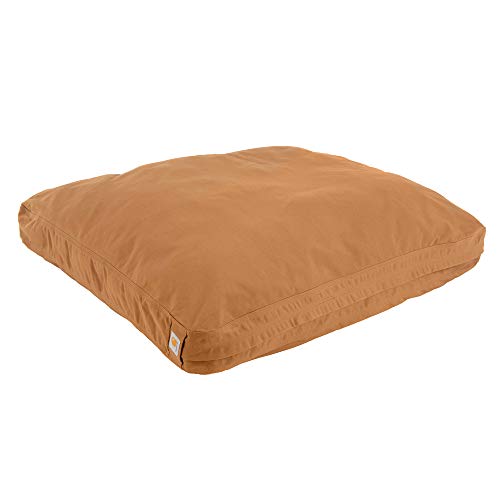
It is essential to begin socialization early, as Chihuahuas can sometimes display aggression towards other animals. Socializing your Chilier with other dogs and people when they are young will help them develop into well-rounded pets.

When training a Chilier, use positive reinforcement techniques, rewarding them for their successes and correcting undesired behaviors gently. This approach will help your dog understand what is expected of them and form a strong bond with you as their owner.

As for exercise, Chilier dogs have a moderate energy level. They enjoy regular walks and play sessions, which will help to channel their energy and keep them physically fit. It is essential to adjust the intensity and duration of their exercise according to their age, size, and individual needs.

Incorporating interactive games and activities into their daily routine, such as fetch or puzzle toys, can not only provide mental stimulation but also reinforce the desired commands and behaviors.

Socialization and Behavior

Chilier dogs, being a crossbreed between Chihuahuas and Cavalier King Charles Spaniels, can exhibit a range of behaviors depending on their upbringing and genetics. To ensure a well-rounded Chilier, early socialization is of utmost importance.

Socializing Chilier Dogs: Socialization is the process of preparing a dog to be comfortable with various interactions involving other animals, people, and environments. For Chilier dogs, the ideal socialization period begins between 3 and 14 weeks of age. During this period, exposing them to different situations helps them develop into confident, well-adjusted pets.

  • Children: Chilier dogs can be good family pets, provided they have been socialized well with kids. Teach children to approach and handle the dog gently, respecting their boundaries.
  • Family and Other Pets: As Chilier dogs may inherit some of the Chihuahua's tendency towards aggression, early exposure to family members and other pets is essential. This ensures they learn how to interact positively and can coexist peacefully with other animals in the household.
  • Strangers: A well-socialized Chilier dog will be more at ease around strangers, reducing the likelihood of fear or aggression. Encourage positive experiences with new people to help develop your dog's comfort level around unfamiliar faces.
  • Cold Weather: Chilier dogs, being small in size, may not fare well in cold weather. It is important to ensure they have appropriate protective gear, such as sweaters and jackets, and limit time spent outdoors in harsh conditions.

Adaptability and Living Conditions

Chiliers are known for their ability to adapt well to different living environments. Their small size, weighing approximately 6-10 lbs and measuring 10-12 inches in height, makes them suitable for apartment living. Being a toy breed, they can comfortably reside in smaller spaces without feeling overwhelmed or claustrophobic.

Their energetic and playful nature requires them to get regular exercise and mental stimulation. Providing this through daily walks, indoor playtime, and engaging in activities that challenge their intellect will help them stay happy and well-adjusted in an apartment setting.

It is essential to carefully socialize and train Chiliers from a young age to ensure they develop appropriate behavior, particularly when sharing space with other apartment dwellers and pets. They are generally friendly and enjoy the company of people and other animals, hence making them excellent companions for families or single households.

Buying a Chilier Puppy

When considering the purchase of a Chilier puppy, it's important to be well-informed about the breed and its characteristics. Chilier dogs are a breed created by mixing the Cavalier King Charles Spaniel and the Chihuahua. They are affectionate, loyal, and energetic, making them a great choice for families with children and apartment dwellers.

In terms of pricing, the cost of a Chilier puppy can range from a few hundred to over a thousand dollars, depending on factors such as the breeder's reputation, the puppy's pedigree, and the availability of the breed in your area. It is crucial to research different breeders and ensure they adhere to responsible breeding practices and prioritize the health and well-being of their puppies.

When searching for a Chilier puppy, it is essential to know that this breed is not officially recognized by the American Kennel Club (AKC) due to its mixed breed origin. However, other organizations, such as the Designer Dogs Kennel Club, acknowledge the breed and may offer registration and certification options. This recognition can be an indication of the breed's quality and adherence to breed standards.

Another option to consider when looking for a Chilier puppy is adopting from a shelter or a rescue group that focuses on small breeds or specifically on Cavaliers and Chihuahuas. Adoption fees are typically lower than purchasing puppies from a breeder, and you have the added benefit of providing a loving home to a dog in need.

Common Challenges and Remedies

Separation Anxiety: Chilier dogs are known for their affectionate and family-oriented nature, making them prone to separation anxiety. To help ease their anxiety, establish a consistent routine, provide stimulating toys, or consider doggy daycare if you're away from home for extended periods.

Intelligent Oversight: Training a Chilier dog can be easier due to their intelligence and eagerness to please. Consistent, positive reinforcement-based training will yield the best results. Incorporate mental stimulation in the form of puzzle toys and interactive games to keep their mind sharp and engaged.

Kid-Friendly: Chilier dogs are generally known to be good with children, but it's essential to teach both the dog and children how to interact safely and respectfully. Supervise their playtime to ensure a positive experience for both parties.

Dry Skin: Some Chilier dogs may experience dry skin, which can lead to itching and discomfort. Proper grooming is essential to maintaining a healthy coat and skin. Brush your dog's coat at least twice a week and bathe them with a gentle, hypoallergenic dog shampoo when needed.

Overactive Tear Glands: Chilier dogs may have overactive tear glands, causing excessive tearing and eye discharge. Regularly clean the area around their eyes with a damp cloth and seek veterinary advice if the issue persists or worsens.

Frequently Asked Questions

What is the temperament of a Chilier?

A Chilier is an outgoing, affectionate, and loyal dog with a touch of stubbornness. They are intelligent and bond quickly with their families. A well-socialized Chilier can make a wonderful, family-oriented pet.

How big do Chilier dogs grow?

Chilier dogs are small in size, but their exact size may vary depending on their parentage. They typically fall within the range of the Chihuahua and Cavalier King Charles Spaniel breeds, which are both small.

What are common health concerns for Chiliers?

Chiliers are generally healthy dogs, but they can potentially inherit health issues from their parent breeds. As such, it is important to regularly consult with a veterinarian and maintain a proactive approach to your Chilier's health.

How often should a Chilier dog be groomed?

The grooming requirements for Chiliers may vary depending on the coat type inherited from their parentage. However, regular brushing is recommended to keep their coat healthy and free of debris or matting. You should also pay attention to their nails, ears, and teeth.

What is the exercise requirement for Chilier dogs?

Chiliers are moderately active dogs. They benefit from daily walks and indoor playtime. It is essential to keep them on a leash outdoors to prevent any mishaps. Also, remember that these small dogs adapt well to apartment living, provided they have an opportunity to engage in physical activity.

How can I find a reputable Chilier breeder?

To find a reputable Chilier breeder, research breeders who prioritize health and temperament in their breeding programs. Seek referrals from Chilier owners, veterinarians, or breed clubs. Additionally, visit breeders' facilities and ask questions about their breeding practices, health guarantees, and if they provide support to new puppy owners.

Kyi-Leo Dog

The Kyi-Leo dog, a charming and adaptable breed, is a relatively rare but delightful cross between a Lhasa Apso and a Maltese. With their beautiful silky coat and sweet temperament, they have become a popular designer breed suitable for families and people of all ages. This small American dog, boasting both Maltese and Tibetan roots, is known to be easy to live with, always eager to please, and an exceptional life companion that easily adapts to various living situations.

Kyi-Leo dogs typically reach 8-12 inches in height and weigh between 9-14 pounds, sporting a long silky coat that can be black and white or gold and white. Originating from an accidental crossbreed in the 1950s, these dogs have since gained recognition for their loving and playful nature. Their Lhasa Apso ancestry contributes to their resilience and vivacity, while their Maltese heritage gives them a gentle and affectionate demeanor.

Despite being relatively unknown by the general public, the Kyi-Leo dog has a range of desirable qualities as a pet, such as their suitability for apartment living, minimal exercise requirements, and low shedding coat. However, regular grooming and early socialization are essential to maintain their coat's beauty and ensure a well-rounded temperament.

Key Takeaways

  • Kyi-Leo is a small designer breed resulting from a cross between a Lhasa Apso and a Maltese; they are usually 8-12 inches tall and weigh 9-14 pounds.
  • They have a sweet temperament and adapt well to different living situations, making them ideal family pets.
  • Regular grooming and early socialization are crucial for maintaining their attractive coat and cultivating a well-adjusted personality.

Kyi-Leo Dog Origins

Relationship with Lhasa Apso and Maltese

The Kyi-Leo dog is a mixed breed, originating from the accidental mating of a Lhasa Apso and a Maltese during the 1950s in the United States. The name "Kyi-Leo" is derived from the Tibetan word "Kyi," meaning dog, and the Latin word "Leo," meaning lion. These small dogs have a unique blend of qualities from their parent breeds, with the Lhasa Apso contributing fearlessness and the Maltese offering a gentle and sensitive nature.

While the Kyi-Leo is not a purebred dog, it has certain characteristics that set it apart from other crossbreeds. The Kyi-Leo is known for its playful and affectionate temperament, making it a popular choice for families and individuals looking for a companion dog.

Development in San Francisco

The development and popularity of the Kyi-Leo dog can be traced back to the San Francisco Bay Area in the 1950s. After the accidental mating of a Lhasa Apso and a Maltese, a breeder named Harriet Linn took an interest in the resulting puppies and began breeding more of them. Over time, the Kyi-Leo gained recognition and was officially registered as a trademark, cementing its status as a distinct breed.

Despite its decades-long history, the Kyi-Leo remains a fairly rare breed. However, its delightful temperament, charming appearance, and adaptability to various living situations have won the hearts of many dog enthusiasts, ensuring the breed's continued presence in the world of canine companions.

Physical Characteristics

The Kyi-Leo is a small-sized dog breed, standing at a height of 8-12 inches and weighing between 9-14 pounds. This breed has a solid frame with a lively and alert appearance, supported by delicate legs and a sturdy body shape.

The coat of a Kyi-Leo is long and silky, commonly found in black and white, though gold and white variations are also seen. Its hair tends to grow to considerable lengths if properly maintained, but never quite reaching past the floor. The Kyi-Leo's face and tail are also covered in hair, giving them a distinct and charming appearance.

In terms of color, Kyi-Leos are often white with black markings, but silver and tan or tan on white colorways are popular as well. Their coats are wavy and considered hypoallergenic, making them suitable pets for individuals with allergies.

The eyes of a Kyi-Leo are bright, moderate in size, and open oval to round in shape. The eye color is as dark as possible, and their eye rims are well-fitted and well-pigmented. The eyes do not bulge and are protected by sufficient bone in the surrounding orbital sockets.

Temperament and Personality

The Kyi-Leo is a delightful small dog breed known for its friendly and playful nature. Possessing an even-temperament, these dogs tend to be both calm and confident, making them an excellent family pet. Despite their petite size, they are agile and active, always alert and ready to explore their surroundings.

As a watchdog, the Kyi-Leo is quite efficient. They are quick to pick up on their owner's emotions and are often wary of strangers. Although not an overly aggressive breed, the Kyi-Leo will demonstrate their loyalty by protecting their home and family.

When it comes to interaction with other animals, Kyi-Leos typically get along well with other dogs. Their sociable nature allows them to form positive relationships with both humans and animals alike. However, early socialization is key to ensuring that they maintain their friendly demeanor.

Obedience is another strong suit for the Kyi-Leo breed. With proper training, they can become quiet and well-behaved members of the family. Their intelligence and eagerness to please make them a pleasure to train.

Socialization and Training

Kyi-Leo dogs are known for their playful, lively, and sweet personalities. In order to bring out the best in these wonderful pets, proper socialization and training are essential.

Socializing a Kyi-Leo from an early age is vital, as it will help them to become more comfortable with people, noises, and other animals. The more socialization they receive, the more confident and relaxed they will be in various situations. This also ensures that the dog develops a wary attitude towards strangers, making them an effective watchdog.

Training a Kyi-Leo should begin as soon as you bring your puppy home. Start with basic commands such as "sit," "stay," and "come." Since they are intelligent dogs, they should be able to pick up on these commands with consistency and patience. The key to successful training is employing positive reinforcement techniques like praise and treats. Avoid using negative methods, as they may harm the trust between you and your pet.

Leash training is another crucial aspect of training for Kyi-Leos. Ensure that your dog understands how to walk on a leash without pulling or lunging. This not only teaches good manners but also keeps the pup safe when navigating busier areas or meeting other dogs.

Incorporating playtime into their daily routine is an excellent way to promote both mental and physical exercise for Kyi-Leos. By engaging in interactive games like fetch or tug-of-war, you strengthen the bond with your dog while reinforcing their obedience skills. Additionally, playing with your Kyi-Leo helps in satisfying their natural instincts as lively and energetic animals.

Grooming and Care

Kyi-Leo dogs have a long and silky coat that requires regular grooming to maintain its health and appearance. It's essential to brush your Kyi-Leo's coat at least two to three times a week to prevent matting and tangles. Regular grooming will also help reduce shedding and distribute the natural oils throughout their hair, promoting a healthy shine.

When it comes to trimming, it's advisable to trim the hair around their eyes, ears, and paws for hygiene purposes and to prevent irritation. Be gentle and use the appropriate grooming tools to ensure the task is done safely and comfortably.

As with any breed, shedding is a natural occurrence for Kyi-Leo dogs. While they are not heavy shedders, they do shed moderately, so grooming is crucial to managing their shedding effectively. Regular brushing can help remove loose hair, keeping your home relatively free from pet hair.

Bathing your Kyi-Leo should be done as needed, depending on their activity level and the amount of dirt they accumulate. Overbathing them may strip their coat of natural oils, leading to dry skin and loss of shine. Make sure to use a gentle dog shampoo that is appropriate for their hair type and skin condition.

To help maintain your Kyi-Leo's overall health, don't forget to incorporate dental hygiene, nail trimming, and ear cleaning into their grooming routine. Check their ears regularly for signs of infection or wax buildup, trim their nails to prevent painful overgrowth, and brush their teeth to maintain proper dental health.

By following these grooming and care guidelines, your Kyi-Leo will have a healthy, well-kept coat, and you'll be confident knowing that you're taking the best possible care of your furry friend.

Health and Lifespan

The Kyi-Leo is a relatively healthy dog breed with a life expectancy of 12-14 years. However, they can face a few health problems throughout their lives. Health issues such as slipped patella and back problems may affect them, but it is important to note that these conditions are not proven to be specific to the breed. Regular check-ups and maintaining a healthy lifestyle can help prevent many potential health issues.

Pancreatitis can be a concern for Kyi-Leo dogs since they have a propensity for this condition. Pancreatitis is an inflammation of the pancreas that can lead to digestion problems and discomfort. A well-balanced diet and regular exercise, combined with routine veterinary check-ups, can help manage the risk of this disease.

Obesity is another health issue that owners should be aware of when caring for a Kyi-Leo. Like other small dog breeds, Kyi-Leos are susceptible to weight gain if they are not provided with the appropriate diet and exercise. Owners should monitor their dog's weight regularly and adjust their diet and physical activities accordingly. Exercise can include walks, playtime, or any form of activity suited to their energy levels, helping them maintain a healthy weight throughout their lives.

Diet and Exercise

The Kyi-Leo dog thrives on a well-balanced diet that is appropriate for their life stage and energy needs. This often consists of high-quality protein sources, healthy fats, vitamins, minerals, and fiber from vegetables and berries. It's essential to be aware that a dog's stomach is not anatomically designed to digest and ferment carbohydrates, which are the main ingredient in kibble. Therefore, opting for dog food that prioritizes quality protein sources is vital.

Feeding your Kyi-Leo should involve a schedule, ideally providing meals at the same times each day. The daily amount will depend on their size, activity level, age, and other individual factors. Make sure to consult with your veterinarian to determine the appropriate daily serving to maintain a healthy weight.

In terms of exercise, this energetic mixed breed requires sufficient physical activity to keep them engaged and mentally fit. Kyi-Leos have a moderate activity level, and their exercise needs can generally be met through a daily walk and some playtime. Providing a yard or outdoor space for them to explore and play can contribute to their overall happiness and well-being.

Additionally, it is essential to be cautious with activities that may strain their backs, as Kyi-Leos can be prone to back problems. Incorporate activities that are gentle on their spine, focus on mental stimulation, and avoid excessive jumping or stair climbing.

Living Conditions and Adaptability

Kyi-Leo dogs are highly adaptable, making them suitable for various living conditions from apartments to houses with yards. These friendly and social canines are known for their sweet temperament, making them an excellent choice for families with children, singles, and seniors.

Apartment living is particularly compatible with Kyi-Leos due to their small size, generally ranging from 8-12 inches in height and weighing between 9 and 14 pounds. Their compact size allows them to comfortably navigate smaller living spaces while still having enough room for exercise and play.

As part of a group setting, these dogs tend to thrive as they enjoy socializing with humans and other pets. They can easily fit in with families or amongst other dogs with their gentle and patient personality. However, proper socialization from a young age is essential to ensure positive interactions with other dogs and pets.

When left alone for extended periods, Kyi-Leo dogs can exhibit signs of separation anxiety. It is advisable to provide them with sufficient mental stimulation and engage them in activities before leaving them alone. Interactive toys and puzzle feeders can also help keep them entertained in your absence.

Finding a Kyi-Leo Dog

When looking for a Kyi-Leo dog, it's essential to find reputable breeders that prioritize the health and well-being of their puppies. This breed, a cross between a Lhasa Apso and a Maltese, is not as common as other breeds, which makes finding a trustworthy breeder even more crucial.

Start by browsing breeder directories, such as the Kyi-Leo breeders directory, to find breeders in your area. You can search by zip code or postal code to find those near you. Keep in mind that while Kyi-Leo dogs are not yet recognized by the Fédération Cynologique Internationale (FCI), there are still reputable breeders who adhere to high standards.

When contacting potential breeders, ask about the pedigree of the Kyi-Leo puppies they have available. A knowledgeable breeder should be able to provide information on both the Lhasa Apso and Maltese parentage, which can give you an idea of the puppy's potential physical traits and temperament. Breeders should also willingly share health information, such as any screenings or tests completed on the puppies and their parents.

In addition to breeders, consider checking websites like Adopt-a-Pet for Kyi-Leo adoption options. These platforms allow you to search for Kyi-Leo dogs by age and location, giving you the opportunity to rescue a dog in need of a loving home. Adoption can be a great option for those who are less concerned about the dog's pedigree, and more focused on providing a caring environment for a deserving pet.

When evaluating a breeder or adoption source, pay attention to the ratings or reviews they may have from previous customers. This can provide insight into their reputation and the quality of the dogs they have produced. A breeder or adoption organization with consistently high ratings is more likely to have healthy, well-socialized Kyi-Leo dogs available.

Kyi-Leo Dog Breed Overview

The Kyi-Leo is a small, friendly, and lively dog breed that originated in the 1950s in San Francisco, California. The breed is the result of a cross between a Lhasa Apso and a Maltese. The name Kyi-Leo combines "Kyi," which means dog in Tibetan, and "Leo," which means lion in Latin. Despite their mixed heritage, Kyi-Leos have developed a unique and lovable temperament.

In terms of physical appearance, Kyi-Leos have a height that ranges between 9 and 12 inches and a weight between 8 and 12 lbs. They possess a very solid frame, and their lively, alert appearance is complemented by a head totally covered in hair. Kyi-Leos have a thick, silky coat that is typically wavy or curly and requires regular grooming to maintain its condition.

Kyi-Leo dogs are well-known for their calm and obedient demeanor. They are also self-confident and boast a very playful temperament, making them ideal family pets. These dogs are patient and docile, adapting well to various living situations.

The health of a Kyi-Leo is generally robust, with a life expectancy of 13 to 15 years. However, they may occasionally encounter some health concerns, such as pancreatitis, spinal issues, patellar luxation, obesity, and brachycephalic syndrome. It is crucial to maintain regular veterinarian check-ups and adhere to a proper diet and exercise routine to mitigate these risks.

It is essential to understand that the Kyi-Leo is not a pedigree breed, meaning that there is no official breed standard. However, given their lovable nature and compatibility with most families, pet owners have found them to be excellent companions. Overall, the Kyi-Leo is a delightful and endearing dog breed that will instantly win the hearts of those who come into contact with them.

Frequently Asked Questions

What is the temperament of a Kyi-Leo dog?

Kyi-Leo dogs are known for their social, alert, friendly, and sweet temperament. They are calm, obedient, and playful, making them great companions for various types of households.

Where do Kyi-Leo dogs originate from?

The Kyi-Leo dog breed originated in the San Francisco Bay Area in the 1950s. The breed was formed after a Lhasa Apso and a Maltese bred together, creating the first litter of Kyi-Leo puppies.

What is the personality of a Kyi-Leo?

Kyi-Leos are self-confident, patient, and docile dogs. They have a lively and alert appearance, which is complemented by their playful nature. They are adaptable and can easily adjust to different environments.

Are Kyi-Leo dogs good with families?

Yes, Kyi-Leo dogs are well-suited for families with children, seniors, singles, as well as apartments and houses with or without yards. Their friendly and social nature makes them a great fit for various living situations and family dynamics.

How much does a Kyi-Leo dog cost?

The cost of a Kyi-Leo dog can vary depending on factors such as breeder reputation, location, and availability. It's essential to research and find reputable breeders when considering purchasing a Kyi-Leo, as this can influence the overall cost. Be prepared to invest both time and money in finding the right dog for your family.

How to find reputable Kyi-Leo breeders?

To find reputable Kyi-Leo breeders, do thorough research by visiting dog shows, contacting local breed clubs, and consulting online forums for recommendations. Look for breeders who perform health testing on their dogs and provide detailed information about the breed's history. Trustworthy breeders will prioritize the well-being of their dogs and provide support and guidance to prospective puppy buyers.

Doberman

The Doberdor, a hybrid breed of dog, results from the crossing of a Doberman Pinscher and a Labrador Retriever. Known for their intelligence, loyalty, and protective nature, these large dogs inherit some of the best qualities from both parent breeds. With a strong and sleek appearance, they make great companions for families and are excellent watchdogs.

Originating from a mix of two popular breeds, the Doberdor has an interesting history that contributes to its distinct characteristics. Physically, they can vary in terms of appearance, drawing from both the bold features of a Doberman and the friendly expression of a Labrador. When it comes to temperament, the Doberdor boasts a well-rounded personality, adept at providing protection, companionship, and playfulness.

To ensure the happiness and well-being of a Doberdor, it is essential to consider several aspects of their care. These dogs require regular exercise, consistent training, and socialization to help them grow into well-adjusted pets. Grooming and maintenance, along with monitoring for potential health issues, are also crucial components of Doberdor care. Lastly, providing adequate nutrition and understanding their adaptability will help to create the best living environment for this unique mixed-breed dog.

Key Takeaways

  • Doberdors inherit qualities from both Doberman Pinschers and Labrador Retrievers, resulting in a loyal, intelligent, and protective companion.
  • These dogs require consistent exercise, training, and socialization to help them achieve their potential as loving, well-adjusted pets.
  • Proper grooming, nutrition, and attention to potential health issues are vital aspects of caring for a Doberdor, ensuring a happy and healthy life.
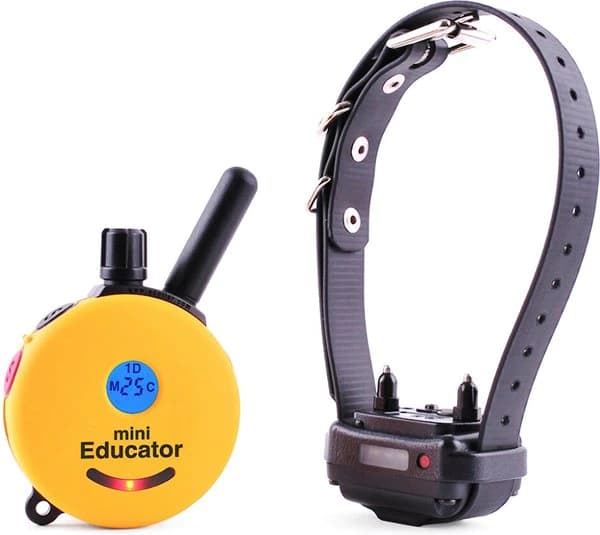
Doberdor History

The Doberdor is a popular mixed breed dog that is a cross between the parent breeds, the Doberman Pinscher and the Labrador Retriever. This hybrid combines the intelligence and loyalty of the Doberman with the friendliness and adaptability of the Labrador, making it a great companion for many dog owners.

The Doberman Pinscher originated in Germany in the 1880s, created by Karl Friedrich Louis Doberman, a tax collector who also managed a dog pound in the town of Apolda. Karl wanted a guard dog to help him with his tax collecting, which led to the development of the Doberman breed. On the other hand, the Labrador Retriever has its roots in the early 1800s in Newfoundland, Canada, where it was a working dog for fishermen.

Although the exact date of origin for the Doberdor is unclear due to the nature of mixed breed dogs, it is believed that they started gaining popularity in North America during the early 2000s. The breed was likely developed as a result of the growing interest in designer dogs, which are dogs that are intentionally crossbred between two different purebred breeds.

As a mixed breed, the Doberdor is not recognized by professional organizations such as the American Kennel Club (AKC) or the United Kennel Club (UKC). However, it is registered with the Dog Registry of America (DRA), showcasing the breed's growing popularity and acceptance among dog enthusiasts.

Despite its relatively short history, the Doberdor has established itself as an affectionate and loyal companion, making it an ideal choice for families and individuals looking for an energetic and intelligent mixed breed dog.

Physical Characteristics

The Doberdor is a mixed breed dog, a combination of the Doberman Pinscher and Labrador Retriever breeds. This crossbreed exhibits a variety of physical characteristics, which may vary depending on the dominant genes inherited from its parents.

In terms of size, Doberdors generally stand between 24 to 28 inches tall, making them a medium to large-sized dog. Their weight can range between 65 to 95 pounds in males, while females may weigh slightly less, between 60-80 pounds. This indicates that they are muscular and sturdy dogs that possess significant strength and power.

The coat of a Doberdor can come in various colors, with the most common ones being black, brown, and yellow, often adopting the prominent color traits found in their Doberman Pinscher and Labrador Retriever parents. Their coat is typically short, sleek, and dense, with a smooth texture that is easy to groom and maintain.

Being a highly energetic and active breed, Doberdors require a substantial amount of exercise to keep them healthy and in shape. Regular physical activities, such as walks, runs, and play sessions, can help these dogs maintain their muscular build and promote overall well-being.

It is important to remember that physical characteristics may vary among individual Doberdors, as they are a mixed breed dog. Therefore, some may possess more traits from one parent breed than the other, leading to a unique combination of physical features that make each Doberdor a distinct and fascinating canine companion.

Temperament and Personality

The Doberdor, a hybrid breed between the Doberman Pinscher and the Labrador Retriever, is known for its desirable temperament and personality traits. These dogs are typically loyal, protective, and courageous, making them excellent guard dogs for families and properties. However, they also possess an affectionate and gentle nature that makes them great family companions.

One of the main aspects of the Doberdor's temperament is their strong protective instinct. They are natural guardians, always ready and alert to defend their territory and loved ones. This arises from their Doberman Pinscher parentage, known for being fearless and dependable protectors.

In addition to their guarding instincts, the Doberdor's personality is marked by their loyalty. They form strong bonds with their families and are dedicated to the people they love. This attribute, combined with their natural intelligence and alertness, contributes to their reputation as reliable watchdogs.

Despite their protective nature, the Doberdor is also an affectionate and loving breed. They enjoy cuddles, playtime, and spending quality time with their families. They are good with children and can adapt well to family life, thanks to their Labrador Retriever side, which is known for being friendly and sociable.

While the Doberdor has an impressive combination of traits, it's essential to recognize that each dog's temperament and personality may vary due to individual genetics and upbringing. Proper socialization and training from an early age are crucial for nurturing positive behaviors and ensuring a well-rounded family companion.

Exercise and Energy

The Doberdor, a mixed breed between a Doberman Pinscher and a Labrador Retriever, is a large, high-energy dog. As such, it requires a substantial amount of exercise and playtime to maintain its physical and mental well-being.

This breed possesses a high energy level, which requires regular, daily exercise to prevent boredom and undesirable behaviors. To cater to the Doberdor's exercise needs, it is essential for owners to engage their dogs in various physical activities. Some examples include:

  • Two or three walks per day, totaling well over an hour of exercise. These walks should be around your neighborhood, at a nearby park, or on a nature trail.
  • Ball games such as fetch, as this not only keeps them active but also offers mental stimulation and strengthens the bond between the dog and their owner.
  • Interactive toys, like puzzle toys, to keep their minds sharp and challenged.

In addition, Doberdors excel in energetic sports like agility courses, tracking, and obedience training. These activities are not only excellent outlets for their energy but also help improve their physical stamina, mental alertness, and overall temperament.

While high-energy dogs like the Doberdor can be a perfect fit for an active family or an owner with an outdoor lifestyle, it is crucial to understand that without proper exercise, they can develop undesirable behaviors and health issues. Failing to address their exercise needs may lead to destructive conduct, such as chewing on furniture, digging, or excessive barking.

Training and Socialization

The Doberdor, a hybrid breed between the Doberman Pinscher and the Labrador Retriever, is known to be intelligent and responsive to training. However, it is essential to begin their training and socialization at a young age to ensure their balanced development and good behavior.

As puppies, Doberdors can benefit immensely from early socialization. Exposing them to various environments, people, and other animals during their critical socialization window (before 16-20 weeks of age) will help them become more adaptable and confident as they grow up. This will also prevent the potential development of fearfulness, anxiety, or aggression that may arise from a lack of proper socialization.

When it comes to training, the Doberdor's comparatively high trainability makes them suitable for first-time dog owners. Positive reinforcement-based training methods such as praise, treats, and playtime are highly effective in teaching these dogs the desired behaviors. Consistency and patience play a crucial role, as a steady training regimen will lead to better results.

In addition to teaching basic obedience commands like sit, stay, and come, it is also important to focus on social skills and manners. Training your Doberdor to walk on a leash without pulling, greet people politely, and behave calmly around other animals will make both you and your dog more comfortable in various settings.

As the Doberdor is a large breed dog with an energetic nature, they will require consistent mental and physical stimulation. Incorporating agility training, puzzle toys, and interactive play sessions into their daily routine will keep them mentally engaged and help prevent any destructive behavior stemming from boredom.

By adhering to a structured training and socialization program from an early age, you will lay the foundation for a well-behaved, confident, and well-adjusted Doberdor that can comfortably adapt to various situations and environments.

Grooming and Maintenance

The Doberdor is a relatively low-maintenance breed when it comes to grooming. Their short, sleek coat doesn't require extensive upkeep, making them a great option for those who prefer less grooming work.

Regular weekly brushing will help keep the Doberdor's coat looking clean and healthy. This will also help to minimize shedding, as the brushing will remove any loose hairs. The Doberdor is not known to be a heavy shedder, but consistent brushing will still be beneficial in managing any shedding that does occur.

In addition to brushing, Doberdors should also have their nails trimmed monthly, or as needed, to prevent overgrowth and discomfort. If you are uncomfortable trimming their nails, a professional groomer or veterinary clinic can assist.

When it comes to bathing, the Doberdor typically requires a bath every 2-3 months, or as needed. Avoid over-bathing, as this can remove natural oils from their coat and cause dry, itchy skin. Use a dog-specific shampoo that is gentle on their skin and coat to keep them clean without causing any irritation.

Dental hygiene is another important aspect of Doberdor maintenance. Regular dental cleanings, whether at home or with a professional, will help prevent plaque buildup and tooth decay. Ideally, aim for a weekly dental cleaning at home, using dog-safe toothpaste and a toothbrush designed for canines.

By following these simple grooming and maintenance practices, you can ensure that your Doberdor stays happy, healthy, and looking their best.

Health Issues and Concerns

The Doberdor, a mix between a Doberman Pinscher and a Labrador Retriever, is generally a healthy and robust dog. However, like any breed, they can be prone to certain health issues and concerns. This section will delve into some of the common health problems Doberdors may face, ensuring you are well-informed about their well-being.

One major health concern for Doberdors is hip dysplasia. This hereditary condition affects the hip joint and can cause pain, lameness, and arthritis. Early detection and treatment can help prevent severe complications. Similarly, elbow dysplasia occurs when the elbow joint develops abnormally, leading to pain and restricted movement. Regular veterinary checks can catch these conditions in their early stages, allowing for proper treatment and management.

Obesity can be a significant issue for Doberdors, given their Labrador Retrievers parentage is known for its voracious appetite. To prevent weight-related health problems, it is crucial to maintain a balanced diet and provide them with regular exercise. Monitoring their food intake and adjusting portion sizes can go a long way in keeping them fit, trim, and healthy.

Another common ailment among Doberdors is dental issues. Regular teeth brushing and dental check-ups are necessary to prevent tartar build-up, gum disease, and tooth decay. Providing your Doberdor with dental chews or toys can also help promote oral hygiene and minimize dental problems.

Other minor health concerns noted in Doberdors include progressive retinal atrophy, cataracts, and hypothyroidism. By staying vigilant about their health, scheduling regular vet visits, and providing them ample exercise, you can ensure your Doberdor enjoys a happy and healthy life.

Feeding and Nutrition

A Doberdor's diet plays a significant role in maintaining its overall health and wellbeing. As a mixed breed dog with Doberman Pinscher and Labrador Retriever parents, it is essential to provide them with the right balance of nutrients.

The best dog food for a Doberdor is raw food, as it offers a natural, whole food diet. This can help keep your dog healthy, happy and prevent a range of common health conditions such as obesity, joint, dental and digestive issues, and allergy symptoms like excessive itching and skin complaints[^1^].

While raw food is ideal, some Doberdors may also be fed with kibble or a combination of raw food and kibble. This ensures that they receive all the essential nutrients, vitamins, and minerals to support their overall health. Make sure to choose high-quality kibble with natural ingredients and avoid those containing artificial fillers and preservatives.

Including carbohydrates in a Doberdor's diet is beneficial for maintaining their energy levels, as they are an active and playful breed. Both rice and potato can be included as a source of carbohydrates. Remember to cook them properly to avoid any digestion issues.

  • Rice: This is a healthy carbohydrate source that can be easily digested by Doberdors. Include cooked brown or white rice in their meal plan, and avoid feeding them uncooked rice as it can lead to digestion problems.
  • Potato: This starchy vegetable provides not only carbs, but also essential vitamins and minerals, such as Vitamin C and potassium. Cooked, unseasoned, and skinless potatoes can be added to their diet in moderation.

It is important to provide your Doberdor with a well-balanced diet that meets their specific nutritional needs. Keep an eye on their weight and adjust food portions according to their age, size, and activity level. Consulting with a veterinarian can help determine the ideal feeding plan tailored to your Doberdor's unique needs.

Adaptability

The Doberdor, a mixed breed between the Doberman Pinscher and the Labrador Retriever, is known for its adaptability. With its courageous, protective, and loyal nature, this breed makes an excellent family companion. Despite its large size, the Doberdor can adjust remarkably well to various environments, including apartment living.

When considering the Doberdor's ability to adapt to apartment living, it's essential to focus on their energy levels and temperament. Many Doberdors tend to have moderate energy levels that can be managed with regular exercise and mental stimulation. However, some individuals might be more high-energy and may require more space to roam freely. Nevertheless, as long as you provide your Doberdor with adequate physical and mental outlets, they can thrive in smaller living spaces.

In families, the Doberdor shines with its friendly and affectionate demeanor. This breed generally gets along well with both adults and young children, making them a great addition to a family home. However, it is crucial to monitor interactions between any dog and young children, ensuring safety and promoting proper socialization.

When it comes to adapting to various environments and situations, the Doberdor's innate intelligence and trainability make this breed an excellent choice for a variety of roles. With proper training and consistent reinforcement, your Doberdor can navigate new surroundings and remain a well-rounded companion.

Benefits and Considerations

The Doberdor is a mixed breed dog, a combination of the Labrador Retriever and Doberman Pinscher. This breed comes with numerous benefits, as well as a few considerations for potential owners.

Benefits:

  • Family-friendly: Doberdor dogs are known to be excellent family pets. They are loyal, affectionate, and tend to bond well with their human family members. Their playful nature and high energy make them great companions for children, and they can be a wonderful addition to any family.
  • Guard dogs: One of the standout features of Doberdors is their natural ability to guard their home and family members. They have strong protection instincts derived from their Doberman lineage and can act as excellent guard dogs when trained properly.
  • Resilient: These mixed breed dogs tend to be quite resilient and adaptable, making them suitable for various living situations. They can thrive in both urban and rural environments, and their size is manageable for both small and large living spaces.
  • Support: Doberdor dogs can be trained to offer various levels of support, such as emotional support or even service dog tasks. Their intelligence and eagerness to learn make them versatile and capable companions.

Considerations:

  • Exercise needs: Doberdors are high-energy dogs that require a significant amount of daily exercise. Potential owners must be aware of this need and be prepared to provide adequate exercise and mental stimulation to keep the dog happy and healthy.
  • Training: While Doberdors are intelligent and trainable, they can sometimes exhibit stubbornness when it comes to training. It is essential to maintain consistency and use positive reinforcement techniques to ensure they respond well to training.
  • Health: As with any mixed breed dog, the Doberdor may be prone to specific health issues associated with its parent breeds. It is crucial to research these potential concerns and be prepared for any healthcare needs that may arise.
  • Size: Doberdors are large dogs, and potential owners must be prepared to accommodate their size and strength. Proper training and socialization are essential to ensure they can be manageable companions.

Frequently Asked Questions

What is the average size of a Doberdor?

A Doberdor, being a mix between a Doberman Pinscher and a Labrador Retriever, can vary in size, but they are typically considered a large breed. On average, they can weigh between 60 to 100 pounds, and their height ranges from 22 to 27 inches tall.

Are Doberdors good family pets?

Doberdors are generally known to be loyal, protective, and good family companions. They tend to be trusting and have a strong bond with their family members. However, it is important to remember that individual dogs may have different personalities, and early socialization and consistent training play a crucial role in fostering a well-behaved and balanced family pet.

What is the price range for Doberdor puppies?

The price for a Doberdor puppy can vary depending on factors such as the breeder, location, and availability. In general, you can expect to pay between $800 and $2,500 for a Doberdor puppy. It is essential to do thorough research and find a reputable breeder to ensure you are getting a healthy and well-bred puppy.

How do I find reputable Doberdor breeders?

To find a reputable Doberdor breeder, start by asking for recommendations from local veterinarians, dog trainers, or breed-specific rescue groups. Online resources like breed forums, national breed clubs, and classified ads can also provide leads to potential breeders. When evaluating breeders, make sure they prioritize the health, temperament, and genetic quality of their dogs, and provide proper socialization and care to their puppies.

What are common coat colors for Doberdors?

Doberdors can inherit a variety of coat colors from their parent breeds. Some common Doberdor coat colors include black, brown, chocolate, yellow, and fawn. They may also have markings such as brindle or white patches on their chest or paws, depending on their parentage.

Are there specific health issues associated with Doberdors?

As a mixed breed, Doberdors may be prone to certain health issues found in both the Doberman Pinscher and Labrador Retriever breeds. Some potential health concerns include hip and elbow dysplasia, eye problems, heart conditions, and bloat. Regular check-ups with a veterinarian and maintaining a healthy lifestyle can help minimize the risk of health issues. It is also important to find a reputable breeder who tests their breeding dogs for genetic conditions and prioritizes the health of their puppies.

Grow revenue and deliver exceptional care, stress-free

From scheduling to client communication, Allpaws takes the hassle out of pet care management—so you can focus on what matters most.

Try For Free, Go From Barks To BlissGrow pet care business revenueDeliver exceptional pet care
Create reservation for your pet care business